
CNG vs EV vs Hybrid: Which Drivetrain Delivers The Lowest Cost Per Kilometer In 2026?

- EVs remain the one of the cheapest to run if you charge at home
- Strong hybrids sit between CNG and petrol in everyday running costs
- Diverse range of powertrain options available as of 2026
For the longest time, the fuel conversation in India was all about petrol versus diesel. Today, that's changed completely. Buyers walking into a showroom in 2026 are just as likely to consider a CNG, hybrid or electric car, and for good reasons.

With petrol prices continuing to hover above the Rs 110 mark (Mumbai), running costs have become one of the biggest deciding factors while buying a new car. But which drivetrain actually costs the least to run? We did the math using current Mumbai fuel prices and some of the newest cars on sale in India to give you an idea of which powertrain option is the best with regard to running cost.
Let's start with the obvious one. Petrol in Mumbai currently costs Rs 111.21 per litre. A typical petrol hatchback returning around 15 kmpl will cost roughly Rs 7.41 per kilometre to run. That figure is important because it gives us a baseline. Every alternative powertrain is essentially trying to reduce this number without making ownership too complicated.
Also Read: Can You Drive An EV Through Deep Flooded Monsoon Roads Without Short-Circuiting?
CNG
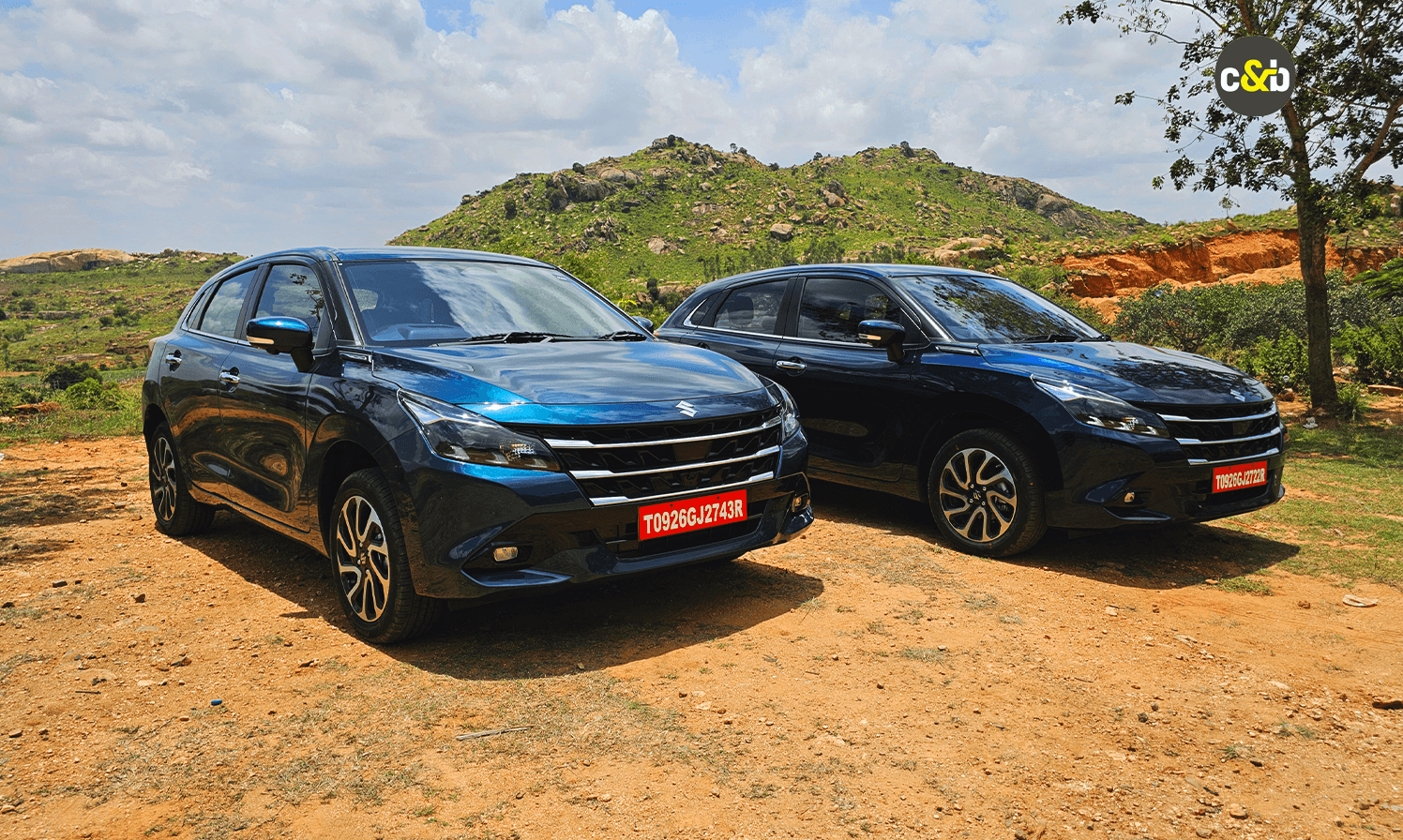
CNG has quietly become one of the strongest value propositions in the market, especially now that manufacturers are offering factory-fitted kits across more models. A good example is the 2026 Maruti Suzuki Baleno S-CNG. It gets a 1.2-litre Z-Series petrol-CNG engine and claims a fuel efficiency of 33.61 km/kg with the five-speed manual gearbox.
Using Mumbai's current Rs 88/kg CNG price, the Baleno's claimed running cost works out to around Rs 2.62 per kilometre. Even if real-world mileage drops below the claimed figure in bumper-to-bumper traffic, CNG remains significantly cheaper than petrol.

The biggest advantage is convenience. Refuelling takes only a few minutes, and compared to an electric vehicle, you don't need to plan your day around charging. The trade-off, however, is familiar. The CNG tank eats into boot space, and performance usually takes a small hit compared to the petrol version.
EVs still win the running-cost battle

This is where electric vehicles pull away. Previously, we did a real-world comparison between the old Tata Tiago EV and Tata Tiago iCNG, which showed that the EV costs substantially less to run when charged at home. That's because electricity is still considerably cheaper than petrol or CNG when you're using a home charging setup.
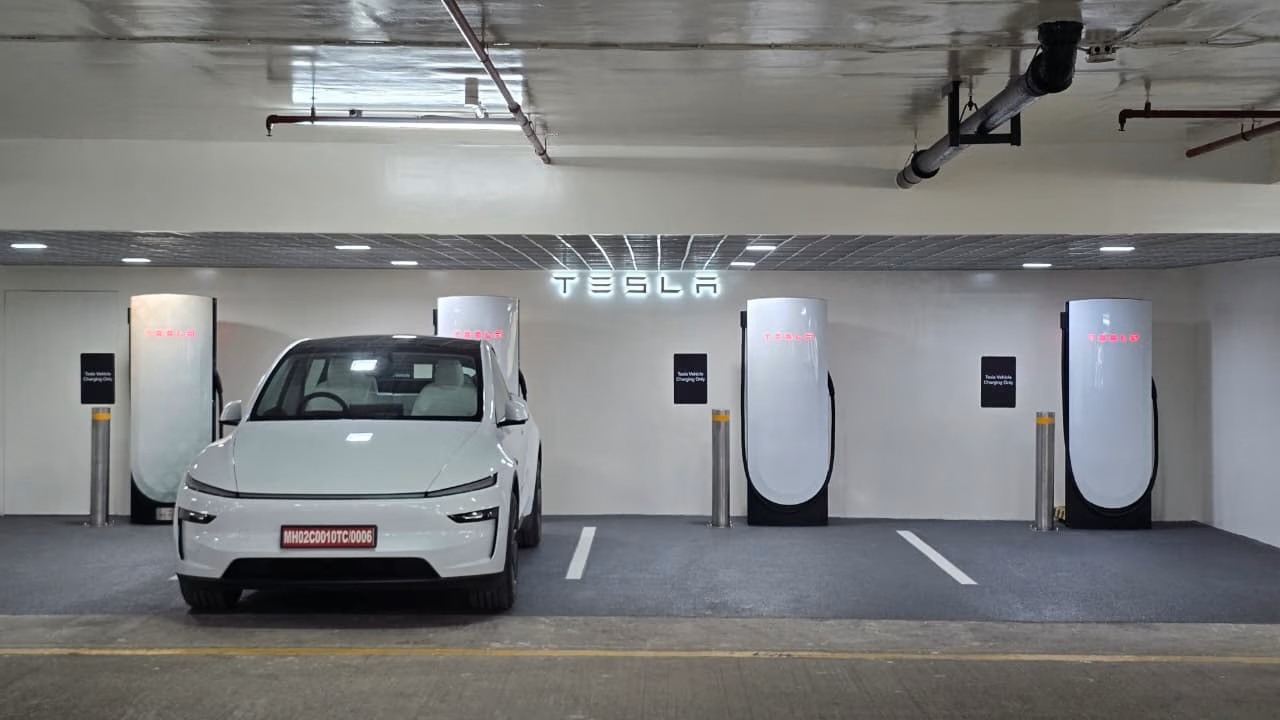
The catch is that how you charge an EV matters almost as much as the car itself. Home charging is the sweet spot. Plug the car in overnight, and the running cost can be comfortably below Rs 2 per kilometre, depending on your electricity tariff and the car's efficiency.
Also Read: Why Does Your Car AC Blow Warm Air At Idle Speed But Cool Fine While Driving?
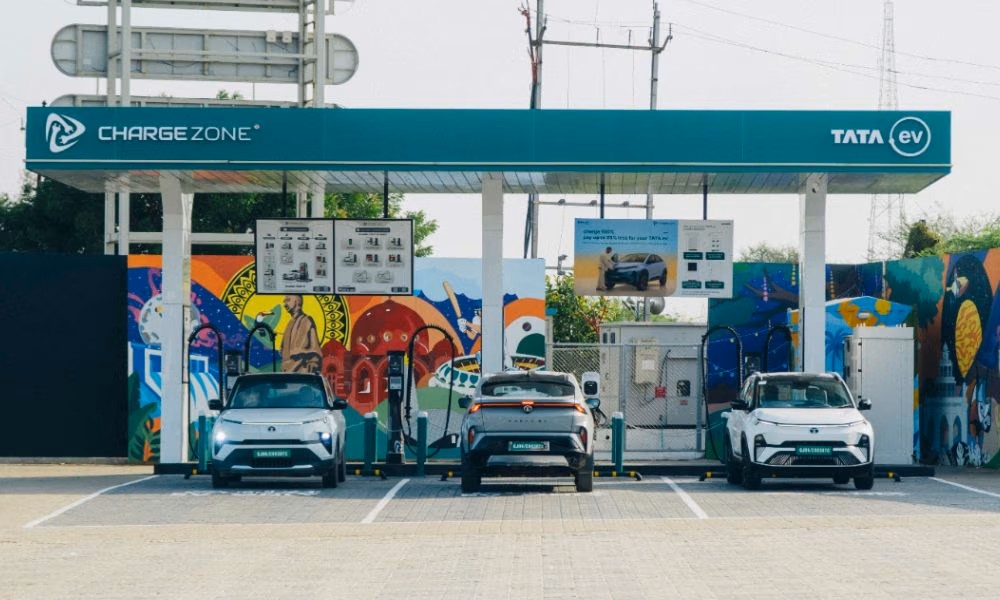
Public DC fast charging changes the equation. Fast chargers cost noticeably more than home electricity, which means the cost per kilometre moves much closer to what a CNG car would cost. So while EVs remain the cheapest to run, that advantage is at its strongest when you have access to home charging.
Strong hybrids have a different approach

Strong hybrids aren't chasing the lowest running cost. Instead, they're trying to offer petrol-like convenience with much better fuel efficiency. Cars like the Toyota Hyryder and Maruti Grand Vitara Strong Hybrid can spend a surprising amount of time driving on electric power in city traffic before the petrol engine steps in.
Let's assume a real-world efficiency figure of 22 kmpl for a strong hybrid in mixed driving conditions. That makes it noticeably cheaper than a regular petrol car, but still more expensive than CNG and a home-charged EV. The upside is that ownership feels exactly like a petrol car. There's no charging cable, no charging wait time and no dependency on public infrastructure.
Running cost isn't the whole ownership story
Looking purely at fuel or energy bills doesn't tell the complete story. CNG cars are usually priced above their petrol counterparts, but the premium is relatively small and can be recovered quickly if your monthly running is high. Strong hybrids command a bigger upfront premium, so they make the most financial sense if you drive enough kilometres every year to recover the higher purchase price through fuel savings.
EVs can have the biggest upfront premium of the three, although state incentives, lower servicing costs and cheaper running expenses help offset that over time. There's also maintenance to consider. EVs have fewer moving parts and don't require engine oil changes, while CNG and hybrid cars still carry the servicing requirements of an internal-combustion engine.
Also Read: Why Do Automatic Cars Experience Transmission Shudder and How to Catch It Early?
So, which one should you buy?
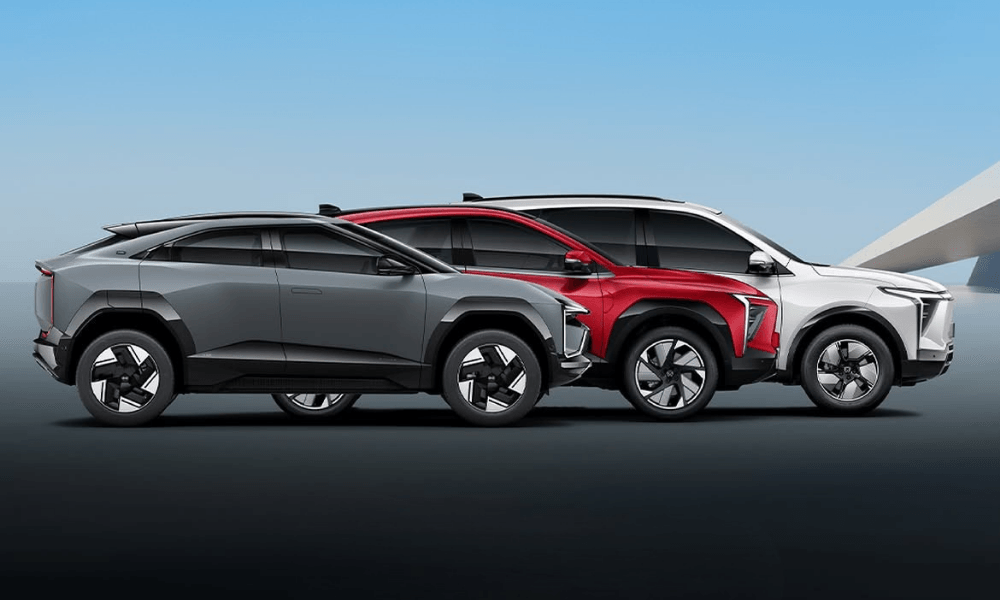
The answer depends entirely on how you use your car. If you're driving 40-60 km every day and have access to home charging, an EV remains the clear winner on running costs. If you regularly clock 1500-2000 km every month and want quick refuelling, CNG is arguably the sweet spot. A strong hybrid, meanwhile, is ideal for buyers who spend most of their time in city traffic but don't want to think about charging infrastructure or CNG stations.
Conclusion
In 2026, the cost-per-kilometre battle has a clear winner, but it's not a one-size-fits-all answer. EVs are the cheapest to run as long as home charging is part of the ownership experience. CNG comes remarkably close while offering the convenience of quick refuelling and a much lower upfront premium than most EVs Strong hybrids cost more per kilometre than CNG, but make up for it by delivering impressive fuel efficiency without asking owners to change their driving or refuelling habits.
If you're buying purely on running costs, the order is simple: EV, CNG, Hybrid, Petrol. But if you're buying for everyday life, the drivetrain that saves you the most money is ultimately the one that best matches how and where you drive.
Related News


Latest Cars


Upcoming Cars


Latest News


 car&bike Team | Oct 15, 20262026 Bajaj Pulsar N250 SS Updated With TFT Console, 6-Speed GearboxUpdated top-spec Pulsar N250 SS will now come with a TFT display, 6-speed transmission as well as multiple riding modes.1 min read
 Preetam Bora | Oct 15, 20262026 Hero Xtreme 160R 4V Launch On October 16: What to Expect?The Hero Xtreme 160R 4V is getting a thorough update and the new bike will be launched on October 16, 2026. Here’s what you can expect from the new Xtreme 160R 4V.1 min read
 car&bike Team | Oct 15, 2026Bharat Stage 7 Regulations To Roll Out From April 2029: ReportMore stringent regulations are expected to come into force for passenger vehicles from 2029 and will become more stringent across three phases.2 mins read
 Jafar Rizvi | Oct 15, 2026Ferrari Luce India Debut On October 17Ferrari’s first EV, the 1,035 bhp Luce, arrives in India shortly after its global debut in May 2026.3 mins read
 car&bike Team | Oct 15, 2026TVS Raider 125 Gains Traction Control: Priced From Rs 1 LakhThe TVS Raider 125 also gets a wider rear tyre and emergency brake warning on its two top variants.1 min read
 Janak Sorap | Oct 15, 2026BSA Gold Star 650 Gets Two New Colourways; Prices Start At Rs. 3.56 LakhBSA Motorcycles has expanded the Gold Star 650 range in India with two new shades, taking the total colour options to five.1 min read