
How To Drive A Brand-New Car For The First 1,000 Km And Why It Matters


- Avoid hard acceleration, high engine speeds and sudden braking during the first 1,000 km
- Vary your speed instead of driving at one constant speed for long periods
- Always follow your car's owner's manual because the break-in advice can differ
Modern cars do not usually need the extremely cautious treatment older cars were known for. New engines are manufactured to much tighter tolerances, yet some internal components still settle into their normal working surfaces during early use. Initial wear occurs in components such as piston rings and cylinder surfaces before they reach their normal operating condition.
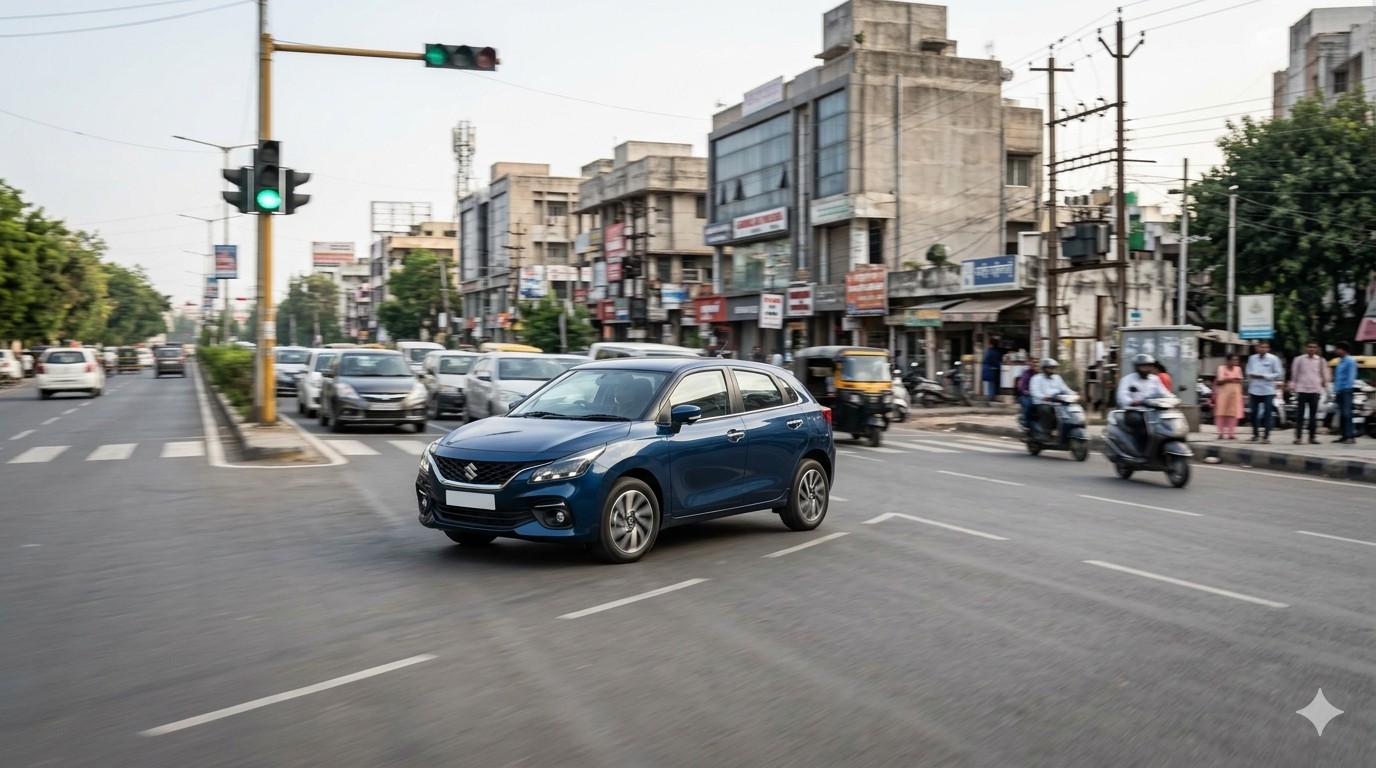
That is why the first few hundred kilometres are better treated as a settling-in period rather than a test of how fast the new car can go. You do not need to crawl along or avoid using the car normally, but it makes sense to avoid putting the engine, brakes and other components under unnecessary stress. The exact recommendations should still come from your owner's manual because different cars can have different break-in instructions.
Also Read: Skoda Kylaq vs Tata Nexon vs Maruti Brezza: Best Subcompact SUV Under Rs 10 Lakh?
How Should You Drive a New Car During the First 1,000 km?
The simplest approach is to drive normally, but progressively. Avoid repeatedly pushing the car to its limits, especially when the engine and other mechanical components are still new. Several current owner manuals recommend avoiding sudden acceleration, racing the engine and maintaining one speed for long periods during the first 1,000 km.
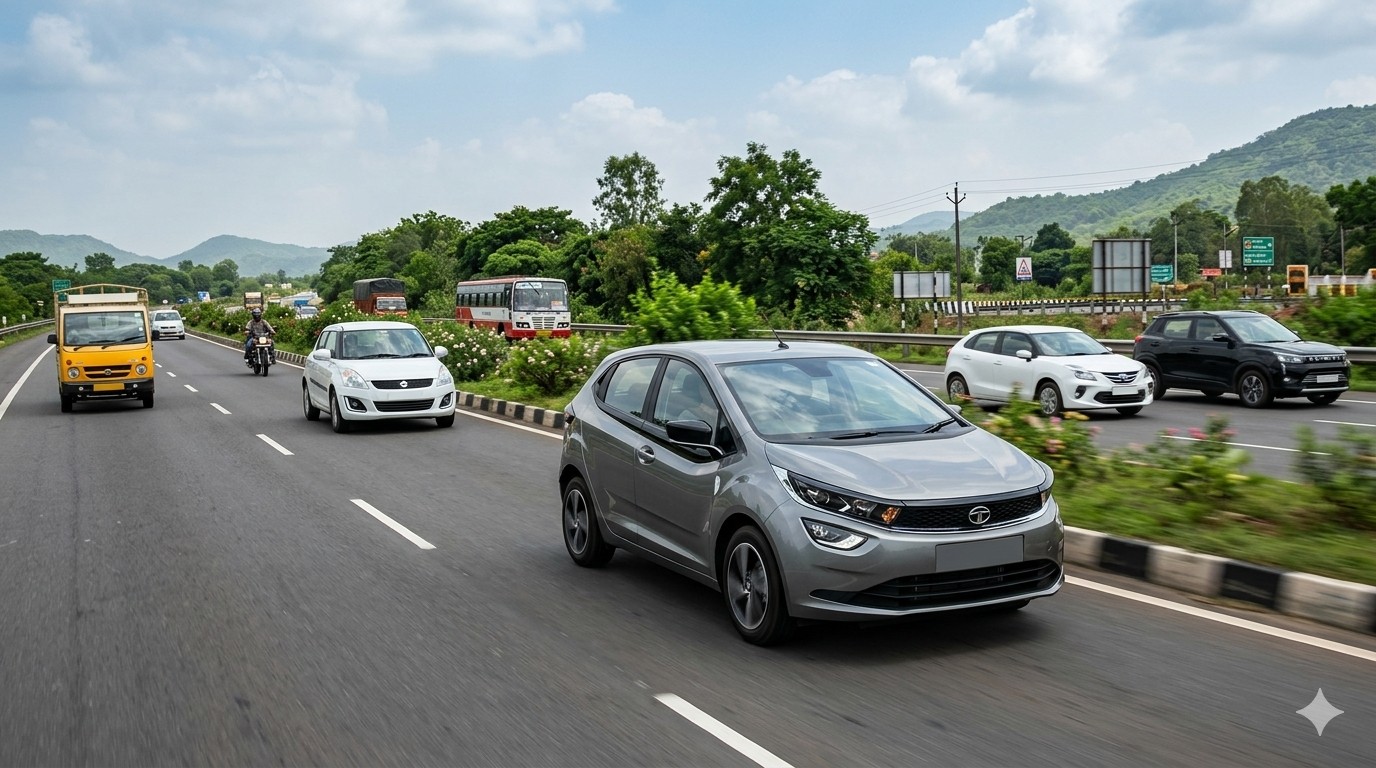
A good first-1,000-km routine looks like this:
- Accelerate smoothly: Avoid repeated full-throttle launches.
- Vary your speed: Do not spend hours at exactly the same speed or engine speed.
- Avoid unnecessarily high engine speeds: Let the engine build up to its normal operating range gradually.
- Brake progressively: Avoid repeated hard braking unless you need to stop quickly.
- Use different types of roads: A mixture of city and open-road driving naturally gives the car more varied operating conditions.
- Do not overload the car: Follow the vehicle's specified load limits rather than carrying unnecessary weight.
Should You Avoid Highway Driving in a New Car?
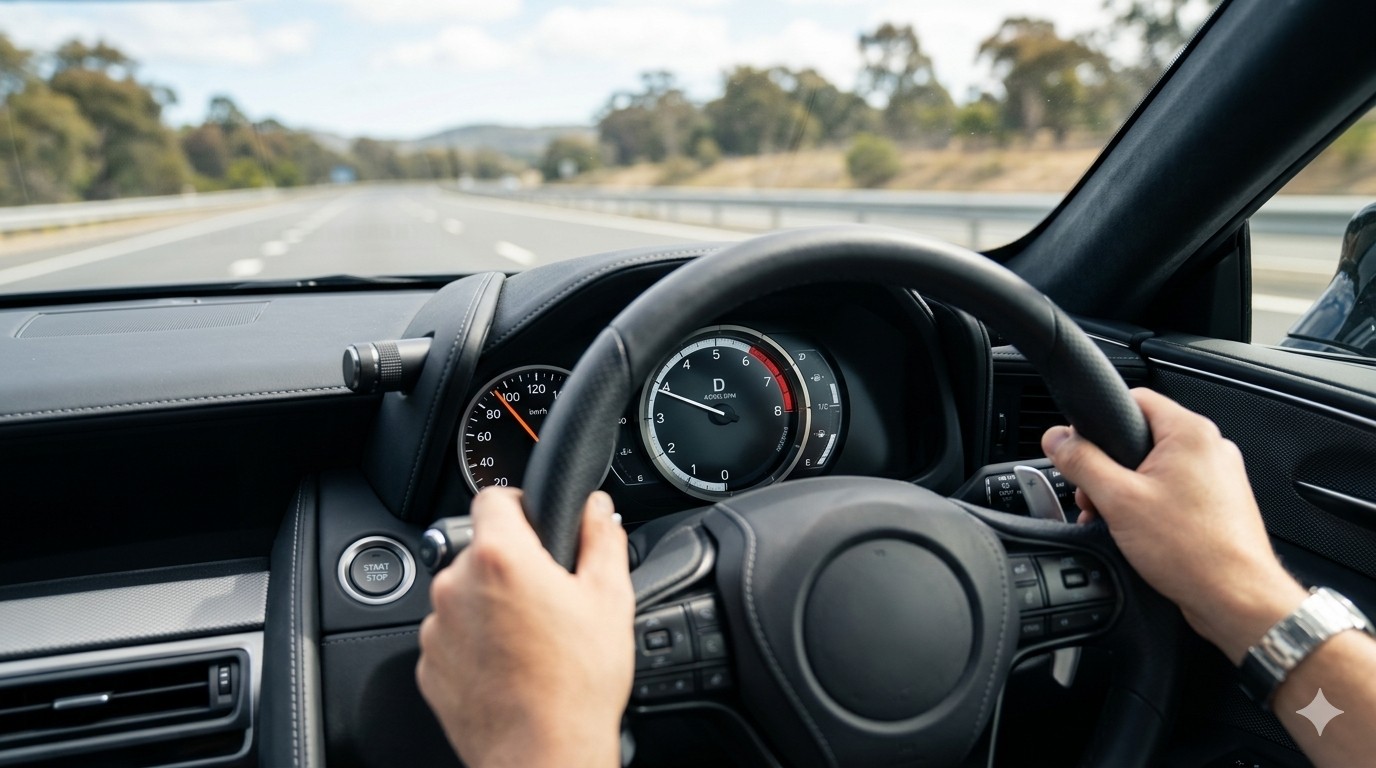
No, you do not need to keep a new car away from highways. The bigger concern is spending a long period at one constant speed or repeatedly driving at high engine speeds, not highway driving itself. Varying your speed occasionally during a highway journey is more sensible than maintaining the same speed for the entire trip.
Also Read: Can Skipping Engine Oil Changes Void Your Warranty?
For example, a new car can comfortably be taken on a highway trip if the road conditions and owner's manual allow it. You can vary your cruising speed naturally with traffic and road conditions instead of treating the accelerator like an on-off switch. There is no need to deliberately drive unusually slowly if that creates an unsafe situation.
Why Should You Avoid Hard Acceleration?
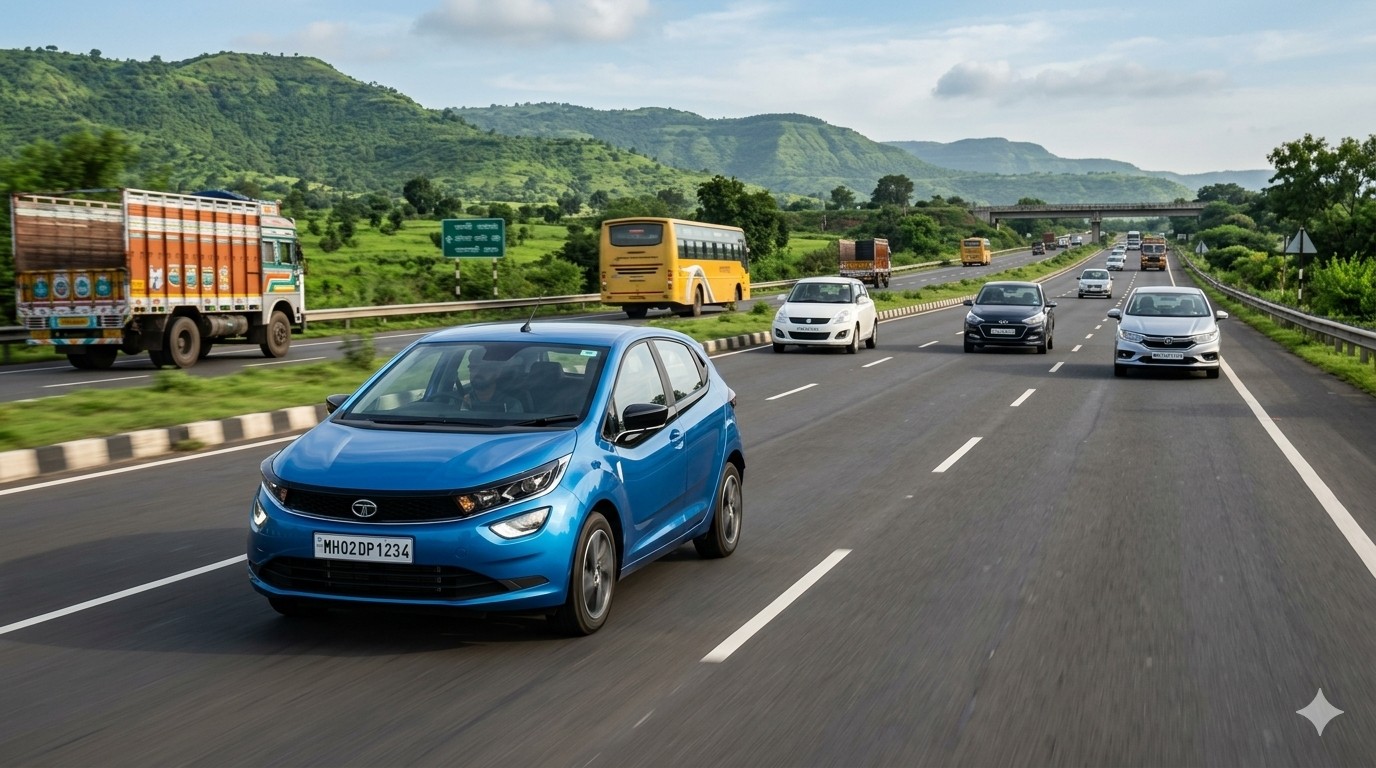
Hard acceleration puts a higher load on the engine and drivetrain. That does not mean one enthusiastic acceleration will damage a new car, but repeatedly demanding maximum performance during the early kilometres serves little purpose. Current break-in guidance for several vehicles specifically recommends avoiding sudden acceleration and racing the engine during this period.
A smoother approach is particularly useful when the engine is cold. Start the car normally and drive away without immediately demanding strong acceleration. This also gives the engine and other systems time to reach their normal operating conditions.
Also Read: Best Cars for Tall Drivers: Mahindra XUV 3XO, Wagon R, Hyundai Creta, Tata Nexon & More
Why Should You Avoid Hard Braking?
The first few hundred kilometres are also important for the brakes. New brake components need to establish their normal contact surfaces, which is why some vehicle manuals recommend avoiding hard stops during the early driving period unless an emergency requires them.
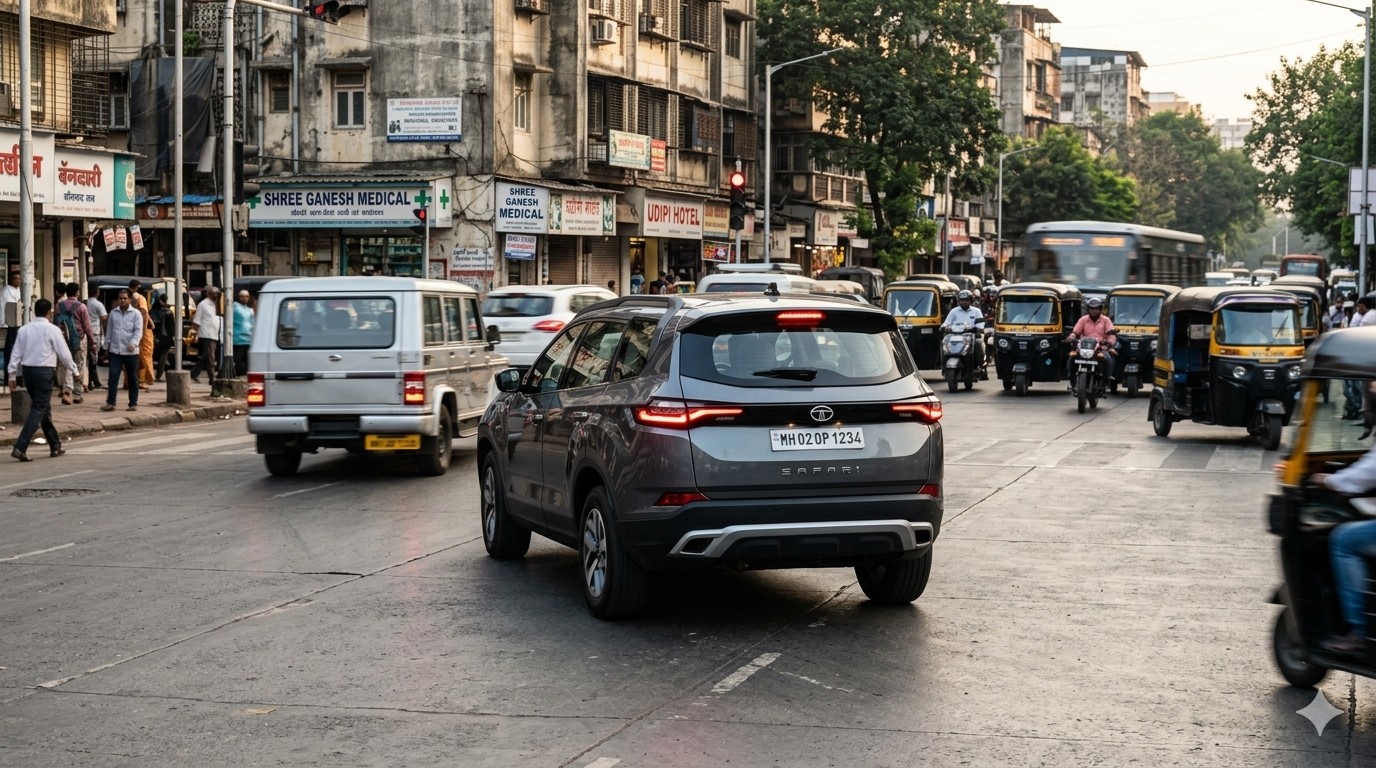
This does not mean you should avoid braking firmly when safety requires it. It simply means there is no reason to repeatedly perform hard stops for testing or entertainment when the car is brand new. Normal braking in everyday traffic is exactly what you should continue doing.
Should You Keep the Engine at a Low RPM?
Not necessarily. Keeping the engine at an extremely low speed all the time is not the point of a break-in period either. Some vehicle manuals specifically advise varying engine speed rather than keeping the car at one speed for long periods.
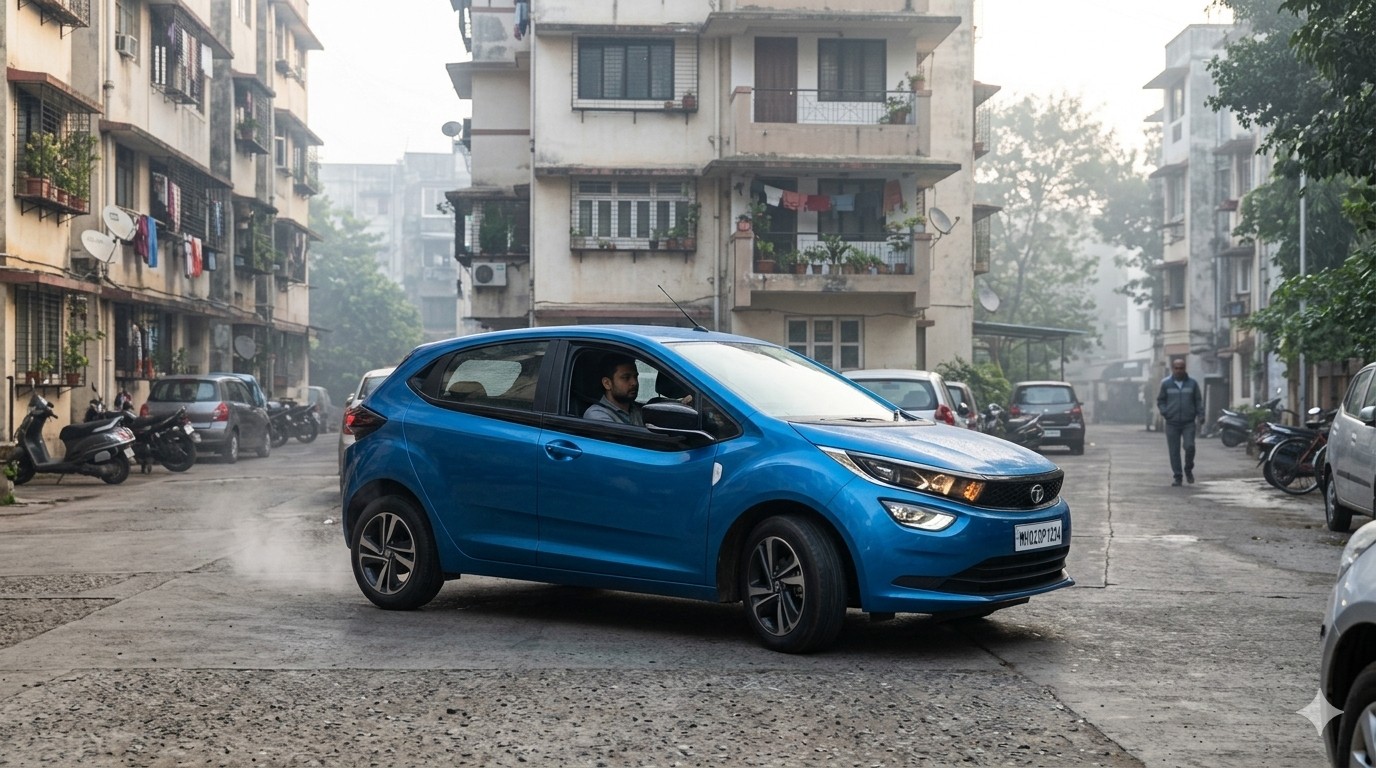
The better approach is to let the engine operate across a normal range without repeatedly pushing it toward its limits. In a manual car, that also means using the appropriate gear instead of forcing the engine to pull heavily from very low revs. In an automatic, simply driving smoothly and allowing the transmission to select gears normally is generally enough.
What About the First Oil Check?
Do not automatically change the engine oil just because the car reaches 1,000 km unless the manufacturer's maintenance schedule calls for it. Modern cars have specified service intervals, and the owner's manual should take priority over generic break-in advice. Some manufacturers may still schedule an early inspection or service, so check the maintenance schedule supplied with your particular car.
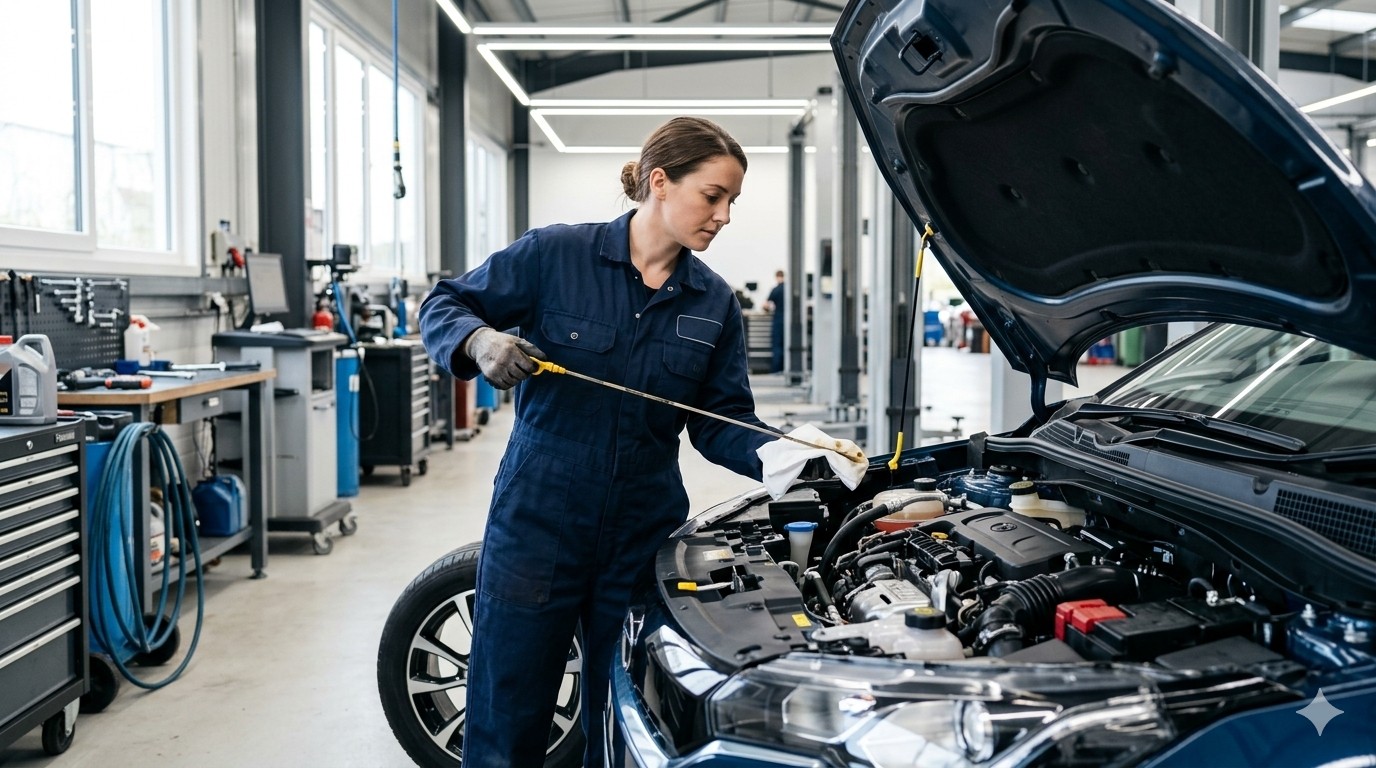
It is also sensible to keep an eye on the oil level during the early kilometres if your vehicle has a conventional petrol or diesel engine. Some modern owner manuals note that oil consumption can be higher while a new engine is being run in and may settle later.
What About New EVs?
A battery-electric car does not have an internal combustion engine that needs the same engine break-in process. However, that does not mean the first 1,000 km are completely irrelevant. The tyres, brakes and other vehicle components are still new, and the driver is also learning how the car responds to acceleration and regenerative braking.
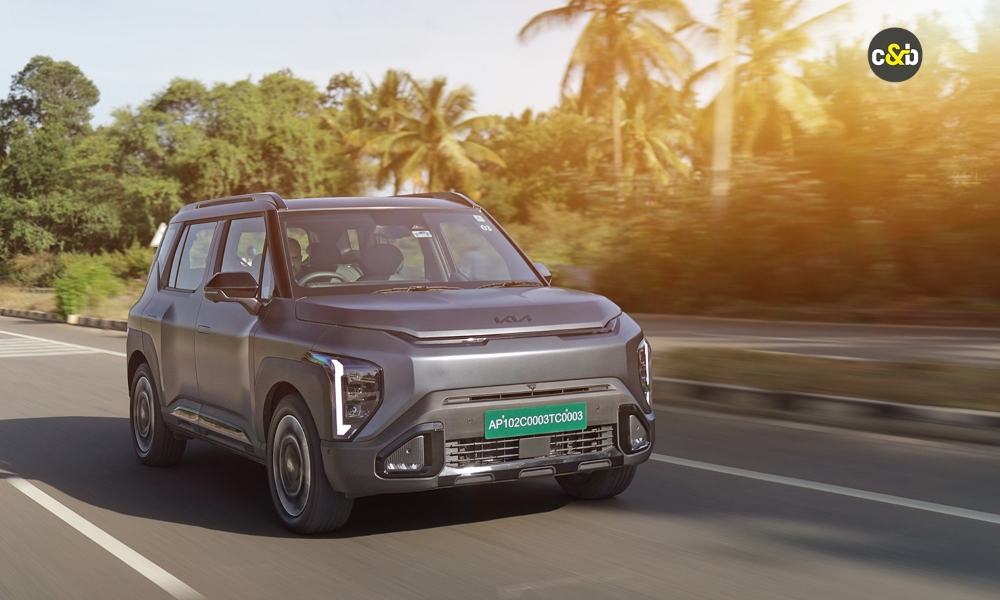
You should therefore still drive progressively and become familiar with the vehicle before pushing it hard. The owner's manual remains the right reference for any model-specific instructions, particularly for high-performance EVs or vehicles with specific tyre, brake or battery recommendations.
New Car Break-In: What to Do and What to Avoid
A new car is not fragile, so normal driving will not ruin it, but there is also little benefit in treating the first 1,000 km as a performance test. Smooth, varied driving gives you time to get familiar with the car while its mechanical systems settle into everyday use.
| Do this | Avoid this |
| Accelerate smoothly | Repeated full-throttle launches |
| Vary your speed | Driving at one speed for hours |
| Use normal gears | Forcing the engine in an unsuitable gear |
| Brake normally | Repeated hard braking without reason |
| Let the engine warm through normal driving | Racing the engine immediately after starting |
| Follow the owner's manual | Applying generic break-in rules blindly |
| Check fluid levels as recommended | Ignoring warning lights or unusual noises |
What Happens After the First 1,000 km?
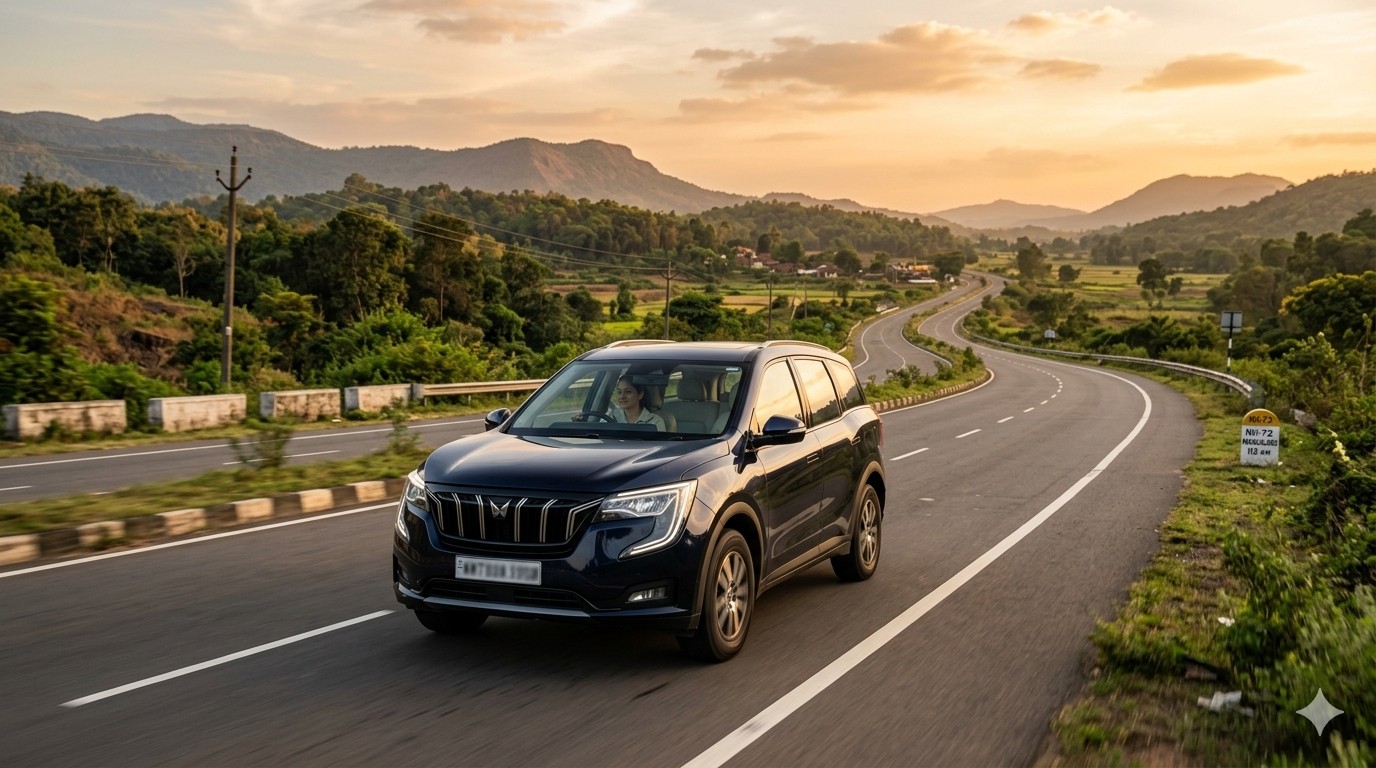
Once the initial period is over, you can gradually return to your normal driving style. That does not mean the car suddenly becomes capable of something it could not do the day before, because the 1,000-km mark is simply a useful reference used by some manufacturers rather than a universal mechanical deadline. Some vehicles specify different periods or no special break-in procedure at all.
The most important thing is to continue following the scheduled maintenance plan. A sensible first 1,000 km followed by poor servicing will matter far more to long-term ownership than whether you drove at a particular speed during the first week.
What Is the Best Way to Drive a New Car?
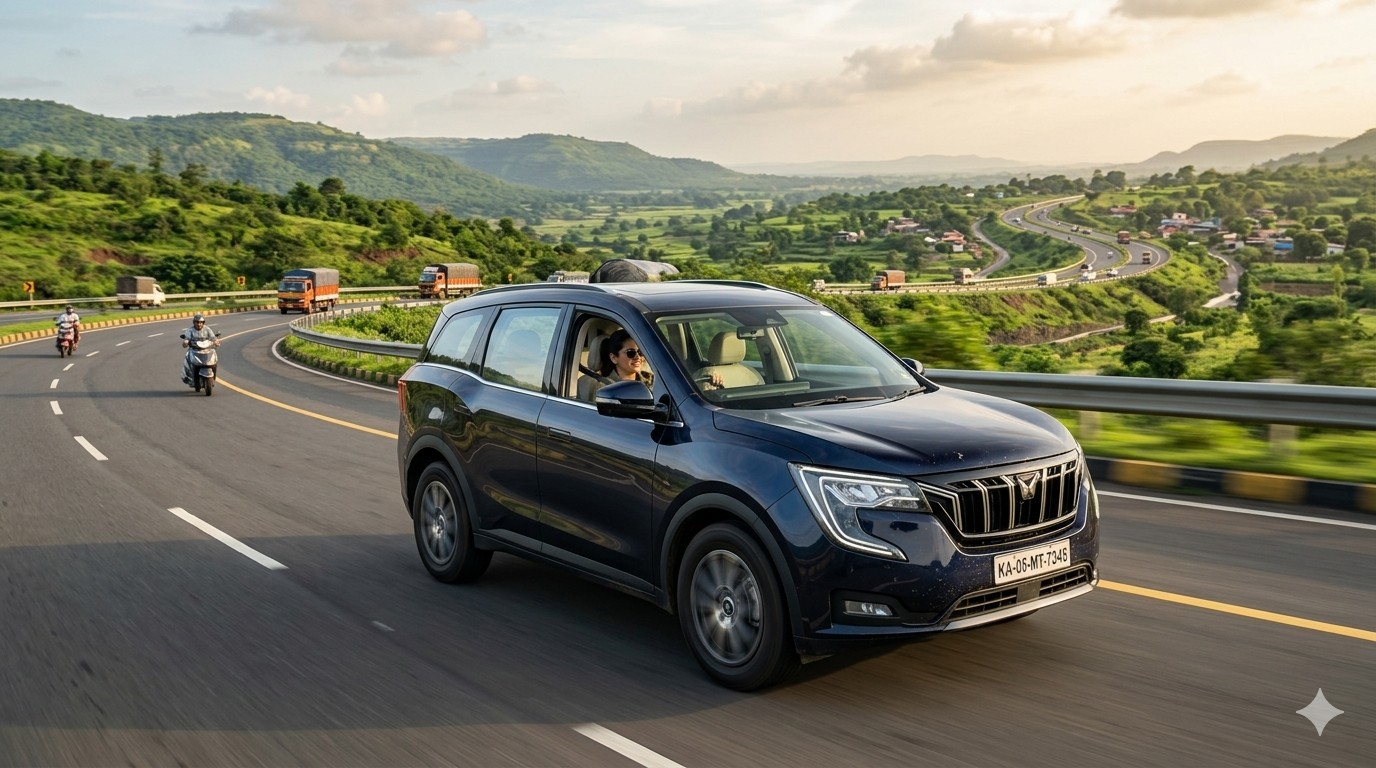
The best approach is surprisingly simple, which is to drive it normally, but avoid extremes. Give the engine and other components varied use, accelerate progressively, avoid unnecessary hard braking and do not spend the first few hundred kilometres trying to discover the car's limits. Most importantly, check the owner's manual because its break-in instructions are specific to your vehicle.
You do not need to baby a modern car forever just because it is new. Give it a sensible first 1,000 km, complete the required maintenance and then enjoy the car for what it was built to do. A new car does not need pampering, just a sensible start.
Related News

Latest Cars


Upcoming Cars


Latest News


 car&bike Team | Nov 10, 20263.3 kW Vs 7.2 kW Vs 11 kW EV Chargers: Which Do You Need?Choosing a home EV charger depends on your car, daily driving and home power supply. A 3.3 kW charger works for smaller EVs, while 7.2 kW suits most mid-size electric cars. An 11 kW charger is meant for larger EVs that support three-phase charging.1 min read
 Janak Sorap | Nov 10, 2026India Bike Week 2026 Dates Announced; Festival To Return To Panchgani On December 4-5The two-day motorcycle festival will feature racing events, custom bike showcases, stunt performances, test rides and live music, with rapper Hanumankind among the performers.1 min read
 car&bike Team | Nov 10, 20268 Cars In India For Buyers Living In Narrow Lanes And Tight Apartment Parking Lots: Alto K10, Comet EV, S-Presso & MoreTake a look at eight of the most ideal compact cars in India, built with the intention to effortlessly cut through narrow city streets or slot into tight apartment parking spaces.1 min read
 Sarthak Mahajan | Nov 10, 2026JLR Launches Legal Dispute Against BYD Over Ti7 SUVJLR has dragged BYD into court over its Fang Cheng Bao Ti7 SUV.1 min read
 Janak Sorap | Nov 10, 2026TVS Ntorq 150 Gets New Spectral Green Colour; Exclusive To TFT VariantThe new shade is available exclusively on the scooter’s TFT variant, taking the total number of colour options to four.1 min read
 Janak Sorap | Nov 10, 2026TVS Apache RTR 160 vs Bajaj Pulsar 150 vs Hero Xtreme 160R: Which Bike Fits You?The 150–160cc motorcycle segment offers a good mix of everyday practicality and sporty performance. But should you choose the feature-packed Bajaj Pulsar 150, the performance-oriented TVS Apache RTR 160 or the lightweight Hero Xtreme 160R?1 min read