
Kia Syros EV vs Mahindra XUV 3XO EV: Which Sub-4M Electric Crossover Is Ideal for City Commuting?


- The Kia Syros EV offers a claimed range of up to 526 km, compared to the XUV 3XO EV's 351 km under the MIDC P1+P2 cycle.
- The Mahindra produces 310 Nm of torque, while the Syros EV develops up to 255 Nm.
- Both offer six airbags, connected-car technology and Level 2 ADAS on select variants.
Kia Syros EV vs Mahindra XUV 3XO EV: Range and Performance
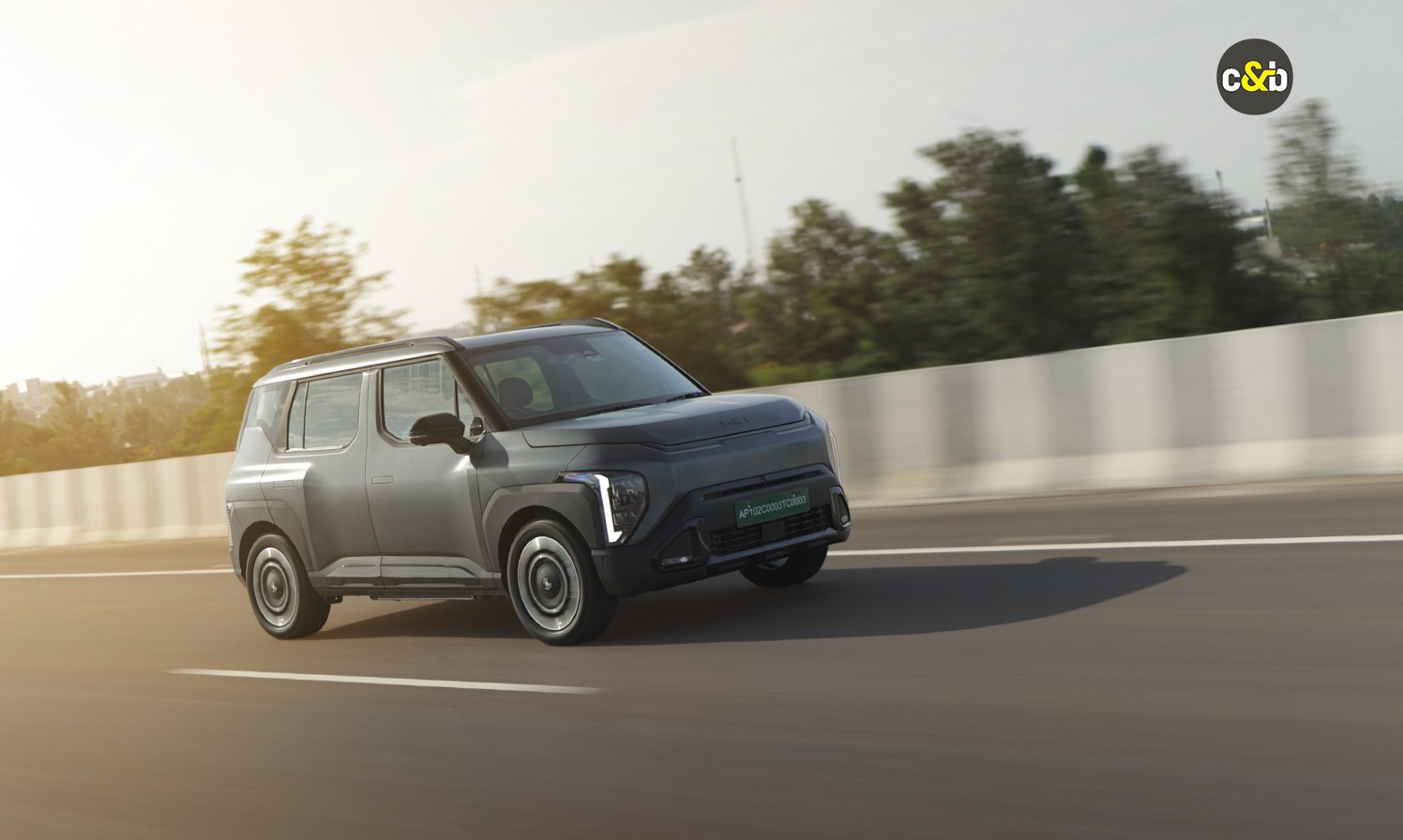
The Kia Syros EV and Mahindra XUV 3XO EV bring different powertrain configurations to the sub-four-metre electric crossover segment. Their battery capacities and claimed driving ranges are key considerations for buyers planning daily commutes.
The Syros EV is available with 42 kWh and 51.4 kWh battery packs. The former produces 134 bhp and 255 Nm, with a claimed MIDC range of 443 km. The extended-range version develops 170 bhp and 255 Nm, with a claimed range of 526 km.
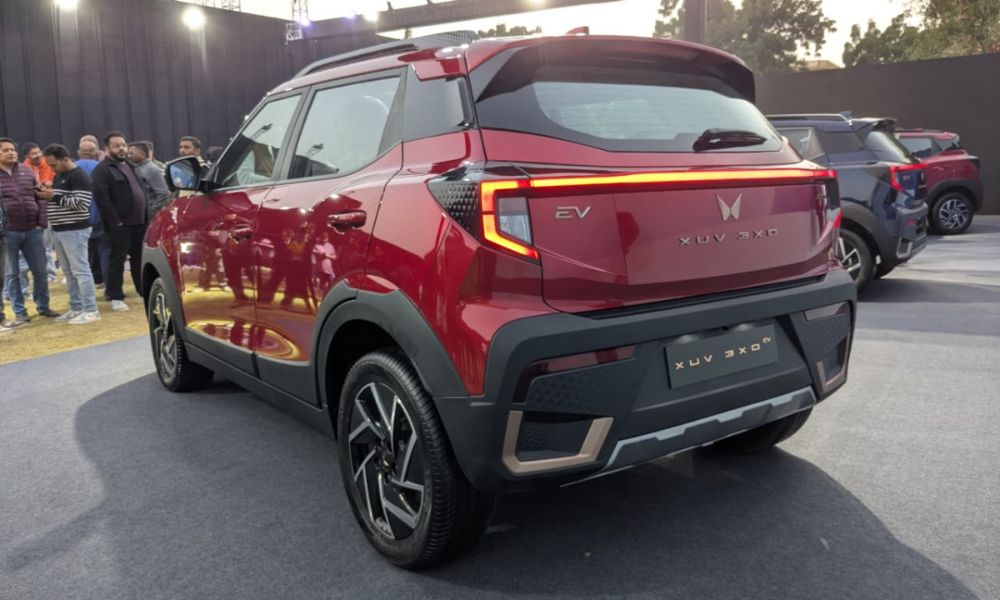
The XUV 3XO EV gets a 39.4 kWh battery pack paired with an electric motor producing 149 bhp and 310 Nm. It has a claimed MIDC P1+P2 range of 351 km and a P1 range of 456 km.
For city commuting, the Syros EV's higher claimed combined-cycle range could mean fewer charging stops over a given distance. The XUV 3XO EV, however, offers higher torque. Both get selectable drive modes, while the Mahindra also features single-pedal driving.
Charging and Practicality
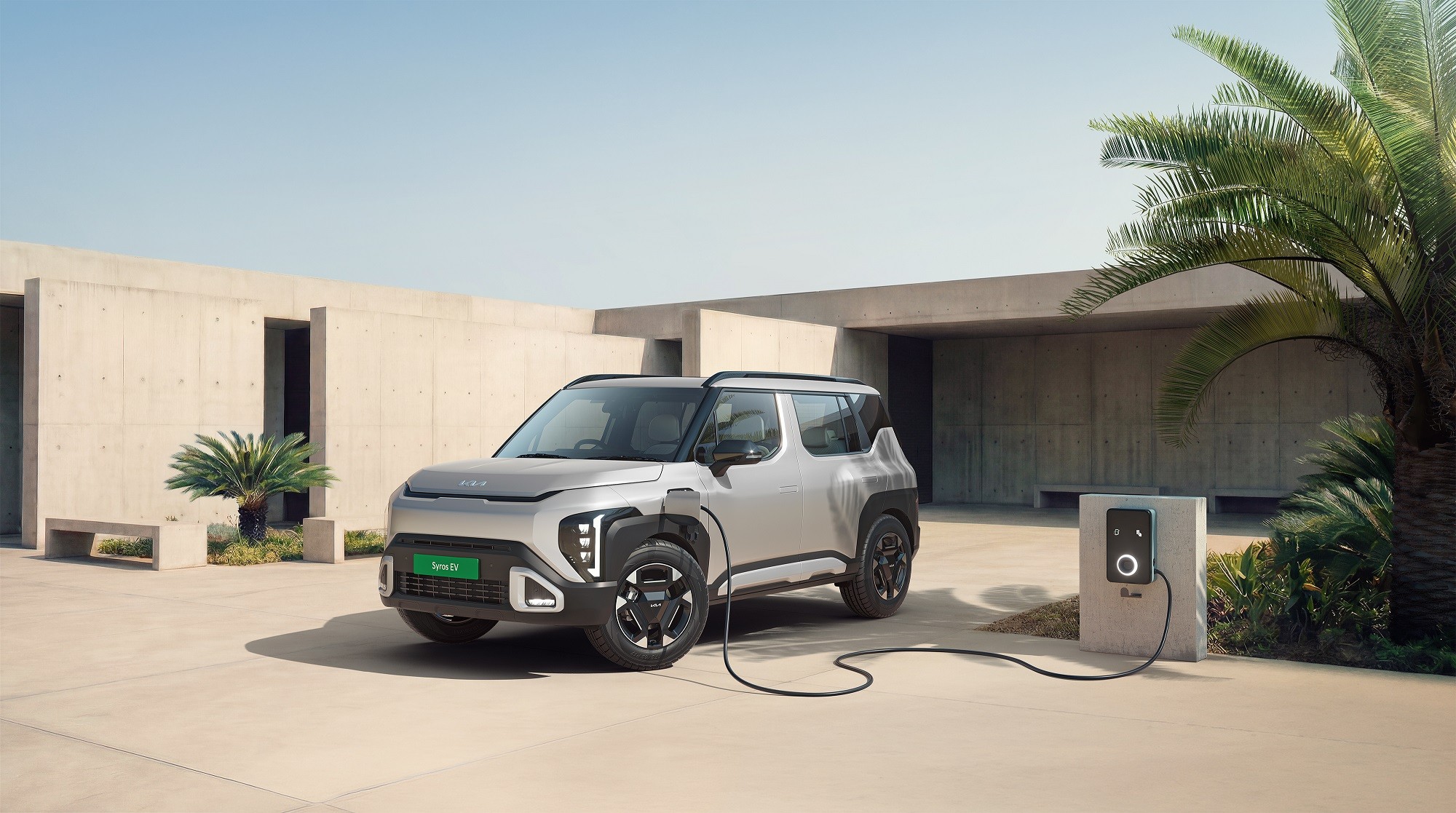
The Syros EV takes a claimed 39 minutes to charge from 10 to 80 per cent using a 100 kW DC charger. Its 42 kWh battery takes an estimated four hours to charge from 10 to 100 per cent using an 11 kW AC charger, while the 51.4 kWh version takes four hours and 50 minutes.
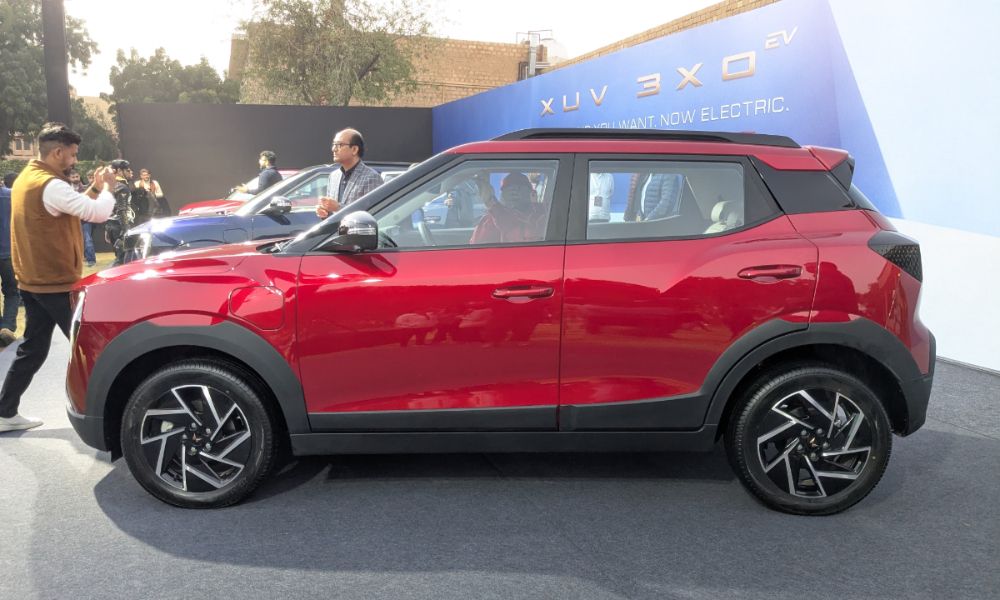
The XUV 3XO EV takes a claimed 50 minutes to charge from 0 to 80 per cent using a 50 kW DC charger. A full charge with a 7.2 kW AC charger takes an estimated 6.5 hours.
These charging times use different charging levels and charger capacities.
In terms of dimensions, the Syros EV measures 3,995 mm in length, 1,805 mm in width and 1,670 mm in height. The XUV 3XO EV measures 3,990 mm in length, 1,821 mm in width and 1,653 mm in height.
The Mahindra has a boot capacity of 364 litres, while the Kia offers a 16-litre front storage compartment. The Syros EV also features sliding and reclining rear seats, while both models get rear AC vents.
For city use, both have compact overall lengths. The Mahindra's shorter length is accompanied by a 10.6-metre turning circle diameter, a useful specification when assessing manoeuvrability in confined spaces.
Features and Safety
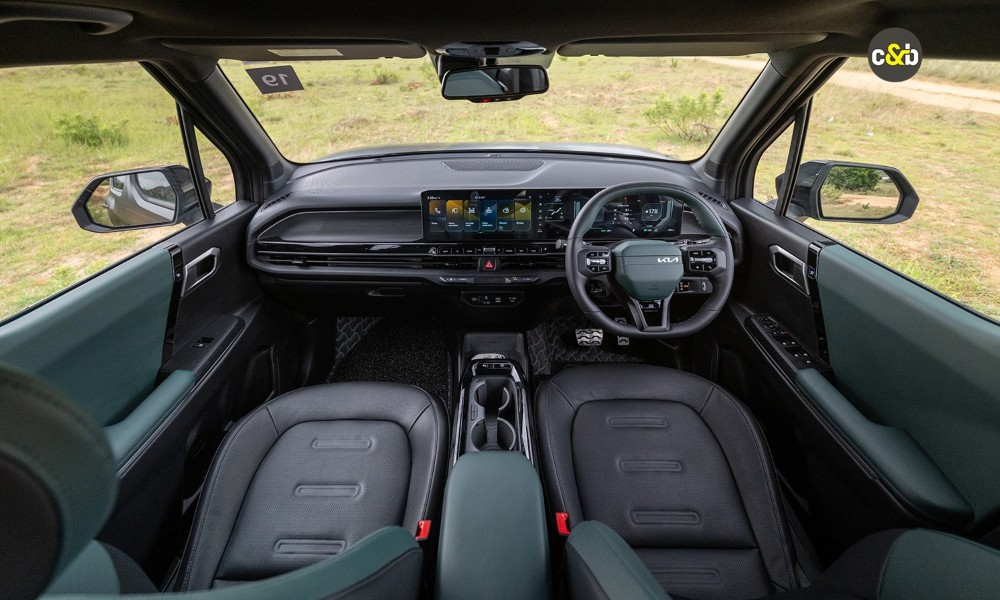
The Syros EV features a 30-inch panoramic display panel, wireless phone charging and ventilated front seats. Specified variants add ventilated rear seats, a Harman Kardon eight-speaker audio system and Level 2 ADAS with 16 features.
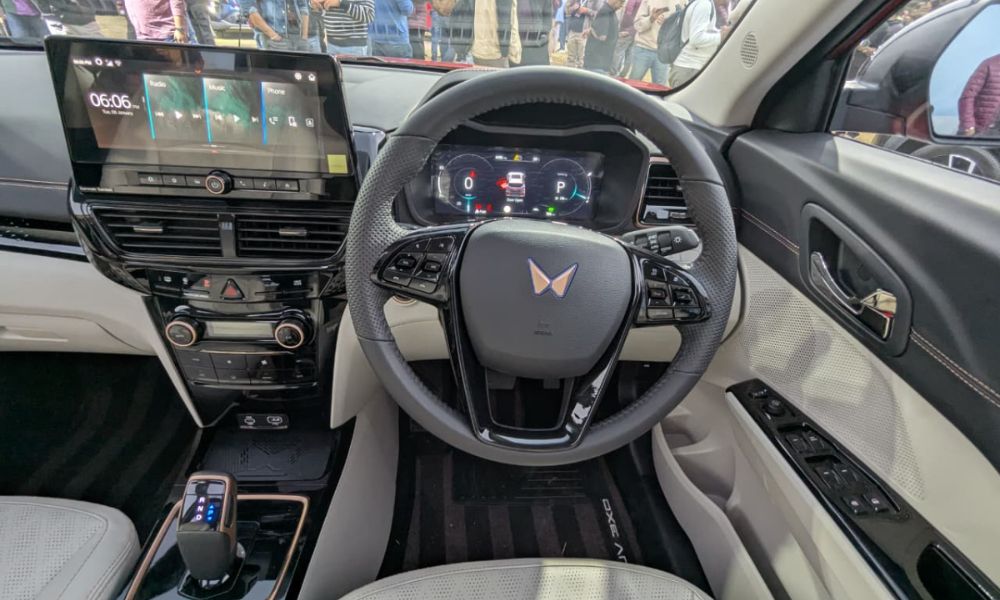
The XUV 3XO EV gets twin 10.25-inch displays, wireless Android Auto and Apple CarPlay, and dual-zone climate control. Its AX7L variant adds Level 2 ADAS, a 360-degree camera with Blind View Monitor, a panoramic sunroof and a seven-speaker Harman Kardon audio system with Dolby Atmos.
Both models offer six airbags, while additional driver-assistance features depend on the variant.
Verdict: Which Is Better for City Commuting?
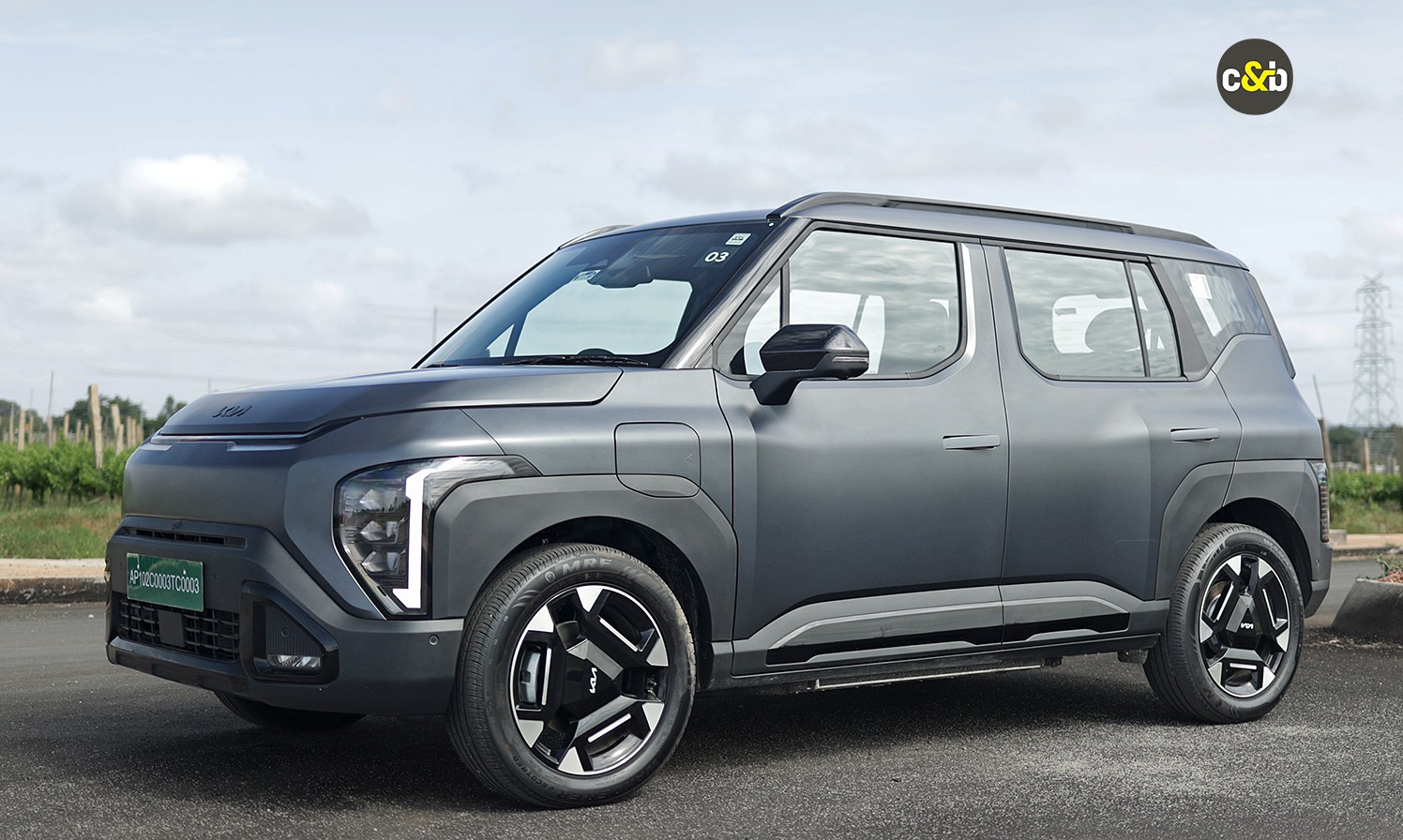
Based on the listed specifications, the Kia Syros EV is the more suitable choice for commuters prioritising a longer claimed range and faster DC charging, particularly in its 51.4 kWh configuration.
The Mahindra XUV 3XO EV is worth considering for buyers prioritising higher torque, a specified 364-litre boot and a 10.6-metre turning circle. Its single-pedal driving function is another feature relevant to stop-and-go traffic.
Actual city range, charging access and individual commuting distances will ultimately determine which vehicle better suits a buyer's daily requirements.

Latest Cars


Upcoming Cars


Latest News


 car&bike Team | Nov 10, 20263.3 kW Vs 7.2 kW Vs 11 kW EV Chargers: Which Do You Need?Choosing a home EV charger depends on your car, daily driving and home power supply. A 3.3 kW charger works for smaller EVs, while 7.2 kW suits most mid-size electric cars. An 11 kW charger is meant for larger EVs that support three-phase charging.1 min read
 Janak Sorap | Nov 10, 2026India Bike Week 2026 Dates Announced; Festival To Return To Panchgani On December 4-5The two-day motorcycle festival will feature racing events, custom bike showcases, stunt performances, test rides and live music, with rapper Hanumankind among the performers.1 min read
 car&bike Team | Nov 10, 20268 Cars In India For Buyers Living In Narrow Lanes And Tight Apartment Parking Lots: Alto K10, Comet EV, S-Presso & MoreTake a look at eight of the most ideal compact cars in India, built with the intention to effortlessly cut through narrow city streets or slot into tight apartment parking spaces.1 min read
 Sarthak Mahajan | Nov 10, 2026JLR Launches Legal Dispute Against BYD Over Ti7 SUVJLR has dragged BYD into court over its Fang Cheng Bao Ti7 SUV.1 min read
 Janak Sorap | Nov 10, 2026TVS Ntorq 150 Gets New Spectral Green Colour; Exclusive To TFT VariantThe new shade is available exclusively on the scooter’s TFT variant, taking the total number of colour options to four.1 min read
 Janak Sorap | Nov 10, 2026TVS Apache RTR 160 vs Bajaj Pulsar 150 vs Hero Xtreme 160R: Which Bike Fits You?The 150–160cc motorcycle segment offers a good mix of everyday practicality and sporty performance. But should you choose the feature-packed Bajaj Pulsar 150, the performance-oriented TVS Apache RTR 160 or the lightweight Hero Xtreme 160R?1 min read