
New Car Vs Used Luxury Car At The Same Price: Which One To Buy?


- Used luxury cars offer higher badge prestige and advanced multi-link ride comfort
- A new mid-size car offers predictable ownership costs and modern in-cabin electronics
- Used car loan interest rates are around 14.50%, compared to 9.50% for a brand-new vehicle
You can walk into a brand-new showroom, sign the paperwork and drive out in a zero-kilometre mid-size family SUV like a Hyundai Creta. You get that factory-fresh interior scent, modern digital screens and the reassuring safety net of an unbroken three-year manufacturer warranty. On the other hand, a quick scroll through the pre-owned market reveals some interesting options: that very same Rs. 18 lakh can put the keys to an eight-year-old German luxury saloon, such as an Audi A4, a BMW 3 Series or a Mercedes-Benz C-Class, directly into your hands.

It is one of the most debated questions in the Indian car scene. However, the reality of living with a vehicle of any kind extends well beyond the purchase price. Before you make a booking, you need to understand what actually happens over long-term ownership with both cars.
Financial Check: On-Paper Price Versus True Cost Of Ownership

The biggest mistake prospective buyers may make is assuming that two vehicles with an identical on-road price of Rs. 18.00 lakh will cost the same amount of money to live with.
But purchasing the car is merely the first financial step. When you consider loan interest rates, scheduled servicing, consumable wear-and-tear items and annual fuel expenses over a five-year horizon, the financial trajectories are quite different.

To see this contrast clearly, let us consider a real-world financial comparison between an eight-year-old pre-owned Audi A4 and a brand-new Hyundai Creta, assuming an identical on-road purchase price of Rs. 18.00 lakh and an annual driving distance of 15,000 kilometres.
| Ownership Factor (Over Five Years) | Pre-Owned Luxury Car (Eight-Year-Old Audi A4) | Brand-New Car (Hyundai Creta) | Difference |
| On-Road Purchase Price | Rs. 18,00,000 | Rs. 18,00,000 | Nil |
| Loan Down Payment (20%) | Rs. 3,60,000 | Rs. 3,60,000 | Nil |
| Loan Interest Rate (Five-Year Tenure) | 14.50% | 9.50% | +5.00% on used car |
| Total 5-Year EMI Payout (Excl. Down Payment) | Rs. 20,32,843 | Rs. 18,14,561 | +Rs. 2,18,282 on used luxury |
| Estimated Five-Year Fuel Cost | Rs. 6,03,974 | Rs. 4,97,391 | +Rs. 1,06,583 on used luxury |
| Expected Five-Year Insurance Cost | Rs. 1,85,000 | Rs. 97,302 | +Rs. 87,698 on used luxury |
| Total Five-Year Maintenance & Repairs | Rs. 6,34,930 | Rs. 1,80,927 | +Rs. 4,54,003 on used luxury |
| Total Lifetime Ownership Cost | Rs. 38,16,747 | Rs. 29,50,181 | +Rs. 8,66,566 on used luxury |
Financing And Bank Interest: The Hidden Loan Penalty
If you plan to fund your purchase through a bank loan rather than upfront cash, buying pre-owned means you’ll be facing a financial disadvantage.

Commercial banks and financial institutions consider used vehicles as higher-risk assets. So, interest rates for pre-owned car loans typically fall between 13.50% and 15.50%, averaging around 14.50%. In contrast, a brand-new car from an authorised showroom attracts much more competitive interest rates, mostly between 8.50% and 9.50%.

On a loan amount of Rs. 14.40 lakh (assuming a 20% down payment on an Rs. 18.00 lakh car over a five-year tenure), the monthly EMI on the used luxury car will be roughly Rs. 33,881. But the new car EMI sits noticeably lower at Rs. 30,243.
Over the full five-year period, that higher interest rate forces you to pay an extra Rs. 2.18 lakh purely in interest charges.
Maintenance, Parts And Servicing: Where Reality Hits
Maintenance is where the gap between these two choices widens more.
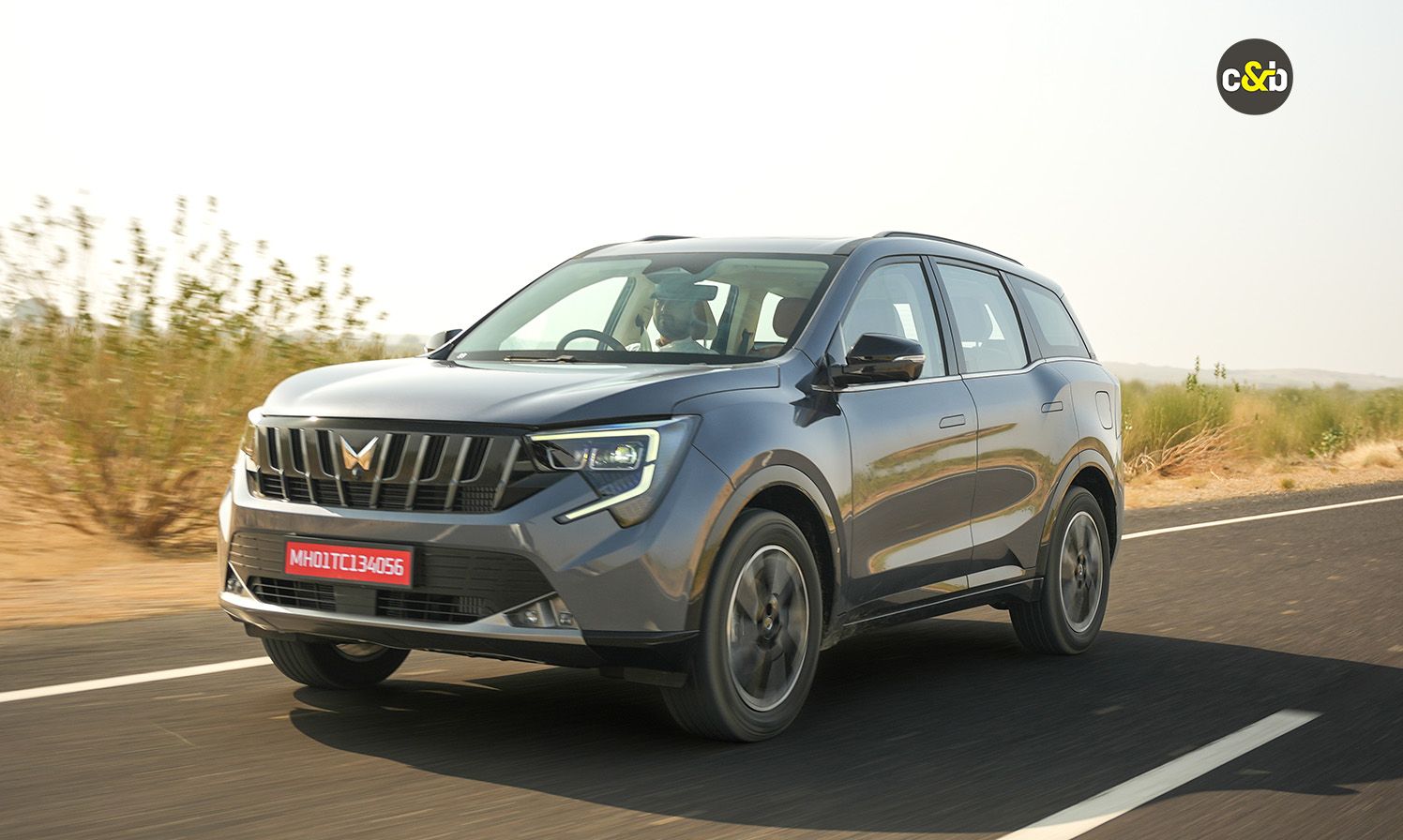
When you buy a brand-new car, the price of owning one stays typically low. Dealerships give you free initial check-ups, and the vehicle is also protected by a warranty. If an electronic module acts up or an air conditioning compressor fails in year two, the manufacturer waives the bill. Expect service costs for a mass-market petrol to stay between Rs. 8,000 and Rs. 12,000 every year generally.

An eight-year-old luxury saloon’s maintenance costs are relatively higher. Even though you bought the car for Rs. 18.00 lakh, the replacement components were originally for a machine that cost over Rs. 50 lakh when new. So naturally, the price of spare parts does not depreciate even if the car's market value does.

A minor service at a specialised workshop will easily cost Rs. 20,000 to Rs. 25,000, while a major fluid and transmission service can easily cross Rs. 45,000. Other consumable parts carry steeper price tags:
- A set of premium brake pads and brake discs can set you back Rs. 35,000 to Rs. 50,000.
- A fresh set of four high-performance or run-flat tyres will cost between Rs. 60,000 and Rs. 80,000.
- Complex components like electronic suspension dampers, steering racks, water pumps or dual-clutch transmission mechatronic units will generate repair bills anywhere from Rs. 75,000 to well over Rs. 1.5 lakh.
Over five years, an older luxury car will need around Rs. 6.35 lakh in routine servicing and unexpected repairs, whereas a new car will typically require less than Rs. 1.85 lakh.
Everyday Fuel Economy: Daily Commuting Expenses
Fuel efficiency is not given much thought while making high-end performance luxury vehicles.
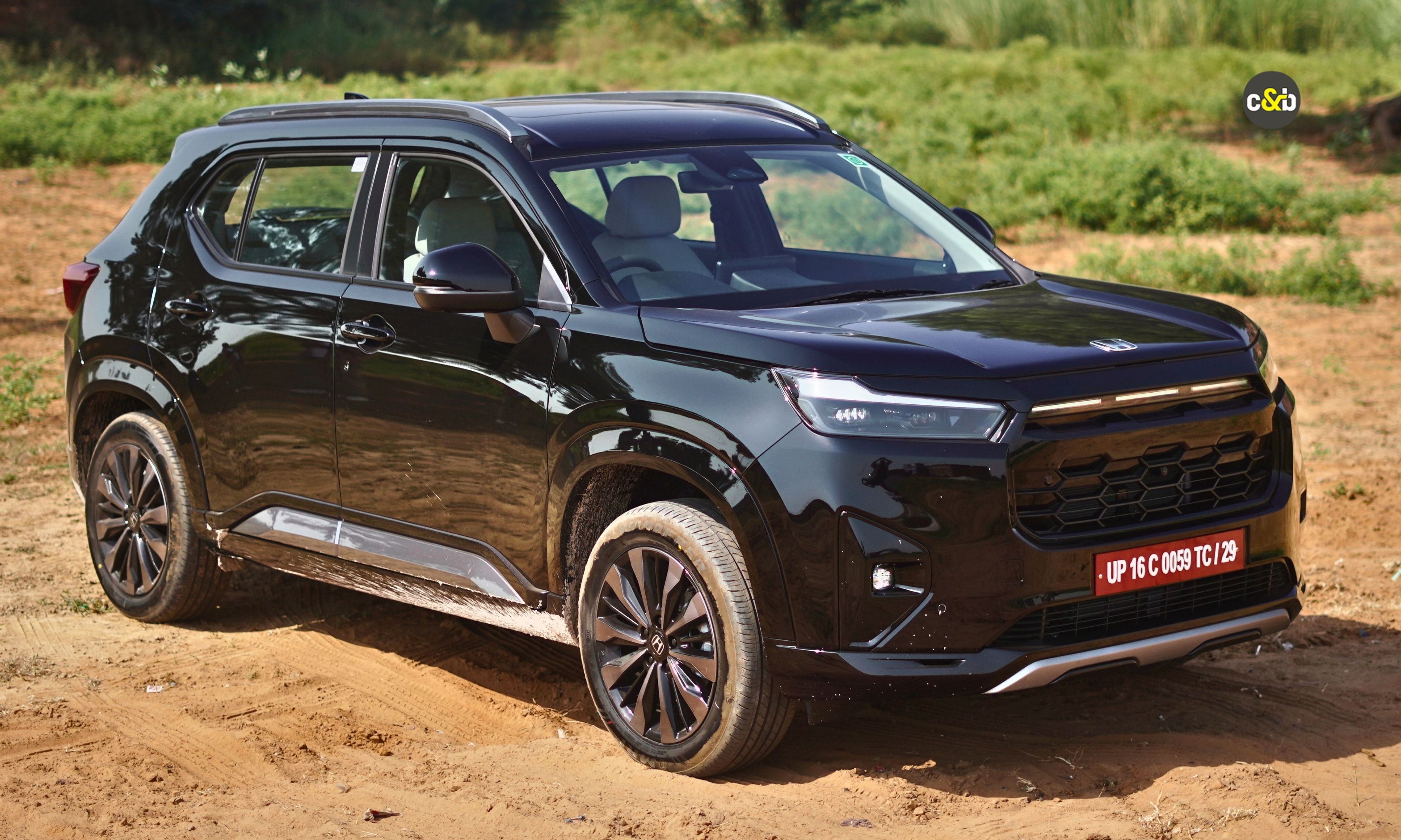
Assuming a regular commute of 50 kilometres per day for 300 days a year (about 15,000 kilometres) with fuel priced at Rs. 100 per litre, the older luxury car needs roughly 1,071 litres of fuel annually, stacking up an annual bill of Rs. 1,07,143.
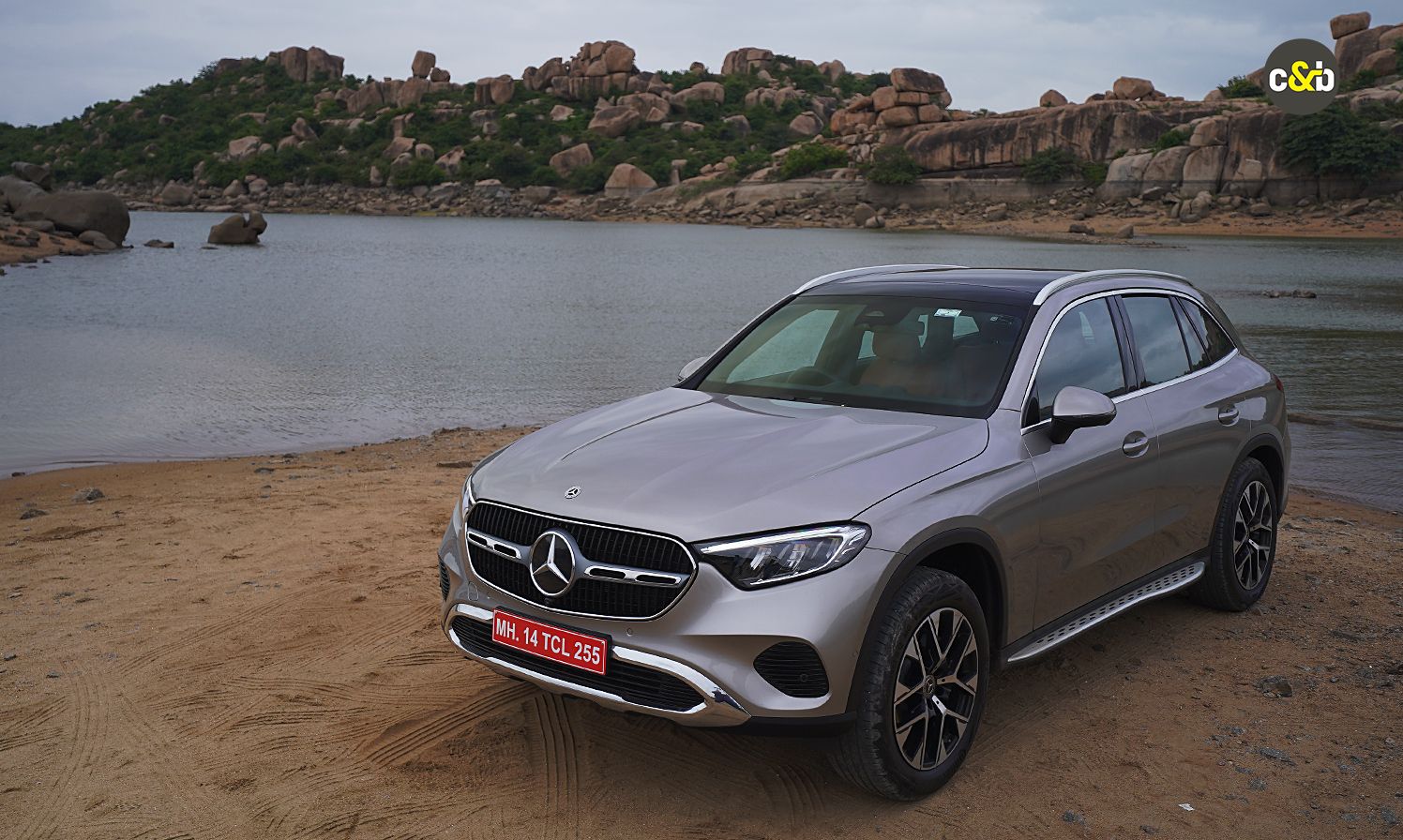
Meanwhile, an eight-year-old luxury sedan powered by a punchy 2.0-litre turbocharged engine typically returns around 10 to 12 kmpl in city traffic, and improves to roughly 14 kmpl in mixed driving conditions. Modern mid-size SUVs and compact crossovers, on the other hand, have lightweight platforms and highly efficient powertrains that can comfortably return 15 to 17 kmpl.
The newer car consumes around 882 litres on average, costing Rs. 88,235. Over five years, while keeping yearly fuel price increases in mind, the luxury car will consume about Rs. 1.06 lakh more in petrol than the brand-new car.
Why The Used Luxury Car Still Pulls At The Heart
With the financial numbers clearly favouring the new car, why do thousands of Indian buyers still go for the pre-owned luxury route every single year? This answer lies in the finer aspects of vehicle ownership; ones that cannot be measured on an accounting sheet.

Unmatched Social Presence
In Indian society, pulling up to a five-star hotel porch or a family function in an Audi, BMW or Mercedes-Benz is like making an unmistakable statement. It projects an image of professional success and prestige that a mass-market badge cannot replicate at all, no matter how feature-loaded that mainstream car happens to be. For business owners and executives who frequently entertain clients, that badge perception adds genuine professional value.
Superior Ride Quality And Mechanical Depth
Drive an Audi A4 or BMW 3 Series over a flyover joint at 90 kmph, and the difference in engineering becomes instantly clear. Luxury cars have sophisticated multi-link independent suspension systems at both ends, extensive subframe insulation and heavy acoustic glass. Their doors close with a reassuring, vault-like thud. The car also remains planted to the road, isolating passengers from vibrations and tyre roar in a manner that mainstream mass-market platforms cannot live up to.

Slower Future Depreciation
The original owner of that luxury car took the financial brunt of depreciation. A new luxury vehicle routinely loses 50 to 60 per cent of its invoice value within its first four to five years on the road. When you step in as the second owner at the eight-year mark, the rate of value loss slows down considerably. If you decide to sell the car three years down the line, your percentage drop in resale value will be far less than the steep drop the first owner had to face.
Practical Pitfalls: The Real Compromises Of An Older Luxury Car
But before falling for the badge, buyers need to confront several real-world compromises as well.

Outdated Infotainment And Cabin Tech
Automotive electronics move quickly. An eight-year-old luxury car may come fitted with an older, slower infotainment display that doesn’t have wireless Apple CarPlay or Android Auto. You will miss out on features that are now commonplace in affordable Indian cars as well, like 360-degree cameras, wireless smartphone charging pads, ventilated seats and modern Level 2 ADAS.
Regional Fitness And Regulatory Restrictions
In regions like the National Capital Region (NCR), strict National Green Tribunal (NGT) regulations limit the legal lifespan of diesel vehicles to 10 years and petrol vehicles to 15 yeaRs. So, if you buy an eight-year-old diesel luxury car in Delhi-NCR, you are left with just one or two years of legal road life before the vehicle must be deregistered or scrapped.
Downtime While Waiting For Parts
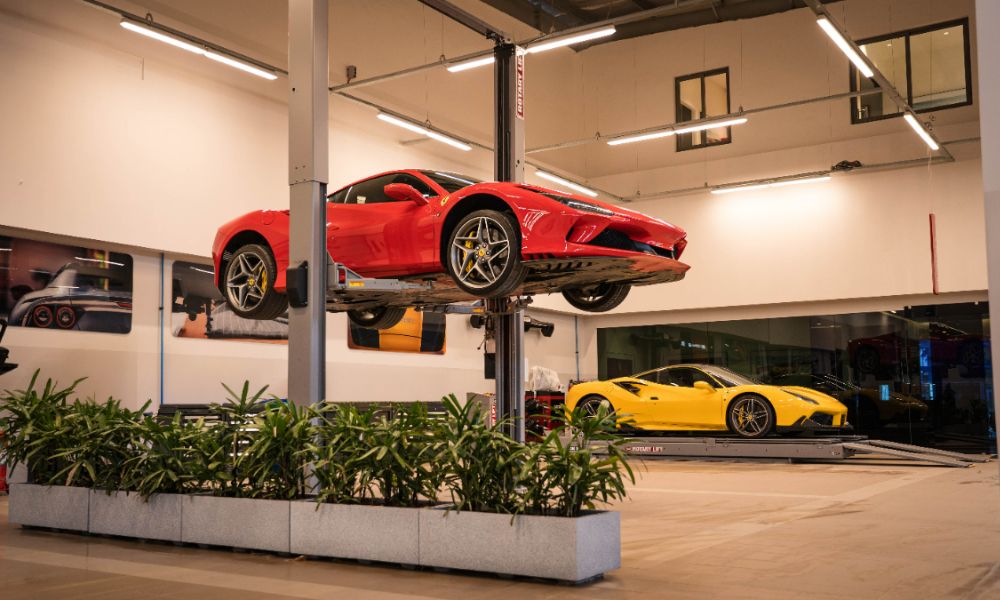
When a mainstream car needs a new alternator or a radiator hose, any authorised service centre in town can source the part within 24 to 48 houRs. But when an older German luxury car needs a particular sensor or steering component, the parts often have to be imported from overseas warehouses. The process could leave your primary vehicle parked at a workshop for weeks.
The Pre-Purchase Golden Rules If You Choose Used Luxury
Regardless, if your heart is firmly set on owning a luxury badge, you can avoid a financial headache by following three important buying guidelines:
- Keep A Liquid Emergency Repair Reserve: Never spend all of your budget on the purchase price. If your total budget is Rs. 18.00 lakh, spend Rs. 15.50 lakh on the vehicle and keep Rs. 2.50 lakh untouched in a high-yield savings account, just as an emergency mechanical fund.
- Demand Complete Dealership Service History: Walk away from any pre-owned luxury car that doesn’t have complete, verifiable maintenance records from an official service centre or a reputable specialist. Incomplete paperwork often hides skipped oil services, past flood damage or clocked-back odometeRs.
- Get an Independent Diagnostic Scan Done: Never depend only on visual condition. Take the vehicle to a trusted independent workshop and have a technician run a full OBD-II computer scan. It may reveal pending error codes in the transmission control module, ABS pump and electronic steering unit.
New Car Or Used Luxury: Which One Should You Go For?
Buying either a new car or a used luxury badge ultimately depends on your personal automotive values and your daily driving routine.
Buy a brand-new car if:
- You are purchasing your household's main, everyday car.
- You commute 40 to 60 kilometres daily through crowded city streets and need high fuel efficiency.
- You value complete peace of mind, predictable scheduled service bills and multi-year factory warranty coverage.
- You want modern connectivity, ventilated seats and contemporary driver-assistance features.
Get a used luxury car if:
- You already own a dependable primary vehicle and are buying a second car for weekend drives and special family occasions.
- Your annual running is modest (under 8,000 kilometres), so higher fuel consumption and occasional workshop visits remain manageable.
- Brand status and driving feel matter more to you than having the newest touchscreen.
- You possess the financial discipline to maintain a dedicated cash reserve for unexpected repairs without touching your monthly household budget.
There is nothing wrong with treating yourself to a luxury badge. The key is making sure that the vehicle stays an enjoyable motoring asset in your garage rather than an unexpected strain on your bank balance.
Related News

Latest Cars


Upcoming Cars


Latest News


 car&bike Team | Nov 10, 20263.3 kW Vs 7.2 kW Vs 11 kW EV Chargers: Which Do You Need?Choosing a home EV charger depends on your car, daily driving and home power supply. A 3.3 kW charger works for smaller EVs, while 7.2 kW suits most mid-size electric cars. An 11 kW charger is meant for larger EVs that support three-phase charging.1 min read
 Janak Sorap | Nov 10, 2026India Bike Week 2026 Dates Announced; Festival To Return To Panchgani On December 4-5The two-day motorcycle festival will feature racing events, custom bike showcases, stunt performances, test rides and live music, with rapper Hanumankind among the performers.1 min read
 car&bike Team | Nov 10, 20268 Cars In India For Buyers Living In Narrow Lanes And Tight Apartment Parking Lots: Alto K10, Comet EV, S-Presso & MoreTake a look at eight of the most ideal compact cars in India, built with the intention to effortlessly cut through narrow city streets or slot into tight apartment parking spaces.1 min read
 Sarthak Mahajan | Nov 10, 2026JLR Launches Legal Dispute Against BYD Over Ti7 SUVJLR has dragged BYD into court over its Fang Cheng Bao Ti7 SUV.1 min read
 Janak Sorap | Nov 10, 2026TVS Ntorq 150 Gets New Spectral Green Colour; Exclusive To TFT VariantThe new shade is available exclusively on the scooter’s TFT variant, taking the total number of colour options to four.1 min read
 Janak Sorap | Nov 10, 2026TVS Apache RTR 160 vs Bajaj Pulsar 150 vs Hero Xtreme 160R: Which Bike Fits You?The 150–160cc motorcycle segment offers a good mix of everyday practicality and sporty performance. But should you choose the feature-packed Bajaj Pulsar 150, the performance-oriented TVS Apache RTR 160 or the lightweight Hero Xtreme 160R?1 min read