
Bajaj Pulsar N250 SS First Ride Review: More Power, More Tech, More Pulsar!


- Updated 4-valve engine produces 24.7 bhp and 22 Nm, paired with a 6-speed gearbox
- 5-inch TFT display, Google Maps mirroring and five ride modes
- Bi-directional quickshifter, radial rear tyre and adjustable levers
The Bajaj Pulsar N250 has always been an interesting proposition in the quarter-litre segment, offering accessible performance, comfortable ergonomics and the familiar Pulsar styling. With the new N250 SS, Bajaj has addressed some of the areas where the motorcycle could do with an upgrade. It gets a revised engine, an additional gear, and a host of updates to the electronics and features package. I recently spent a few hours riding the new Pulsar N250 SS, and the changes make it a more rounded and engaging motorcycle, while retaining the everyday-friendly character of its predecessor. Read on to find out all about it.
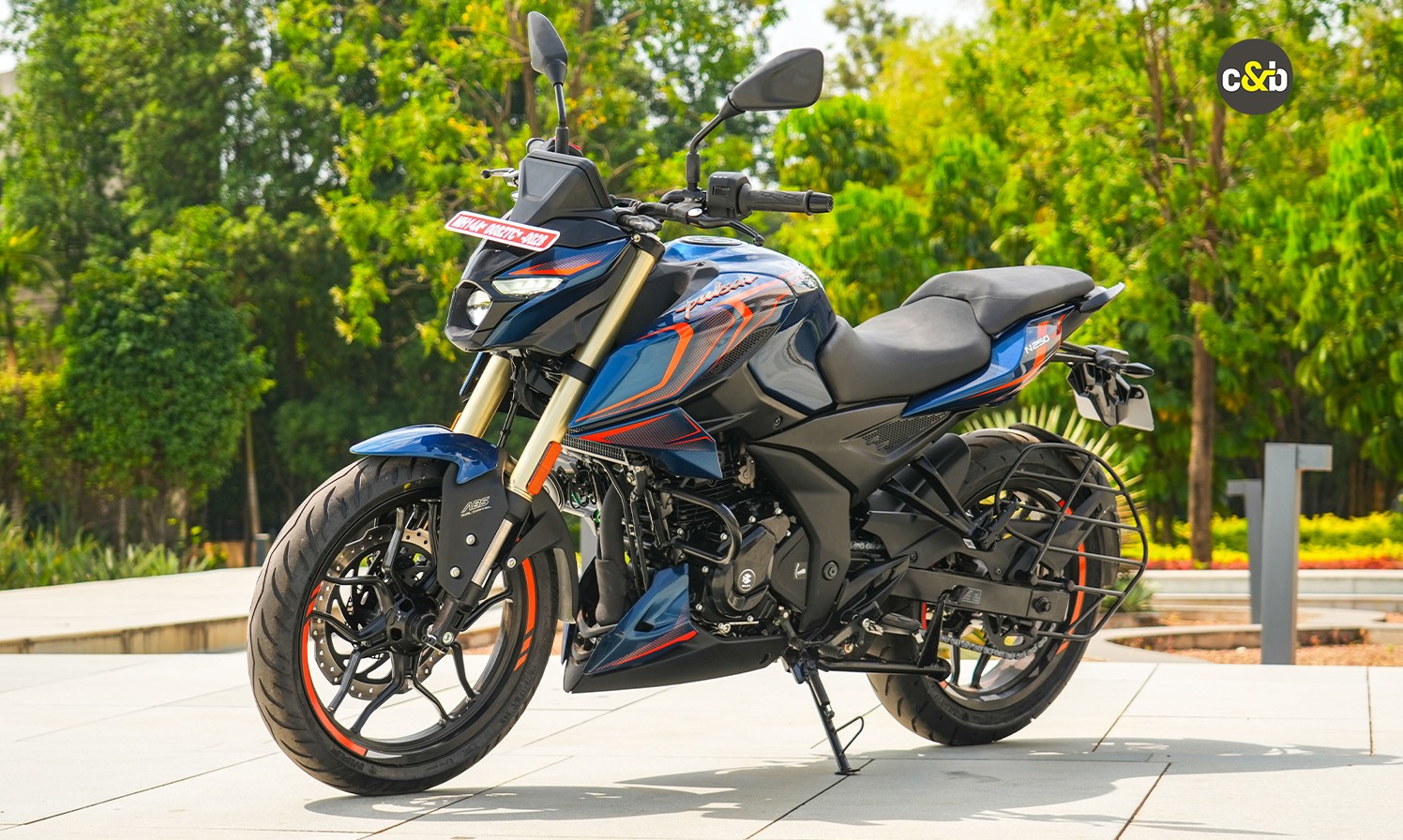
Bajaj Pulsar N250 SS: Design and Features
Visually, the new N250 SS retains the familiar design of the outgoing motorcycle, and that's not necessarily a bad thing. The muscular fuel tank, sharp extensions and compact tail section continue to give it a distinctive street-naked appearance. However, updated graphics and two new colour options, Atlantic Blue and Fiery Red Orange, bringing a bit of freshness to the overall package.
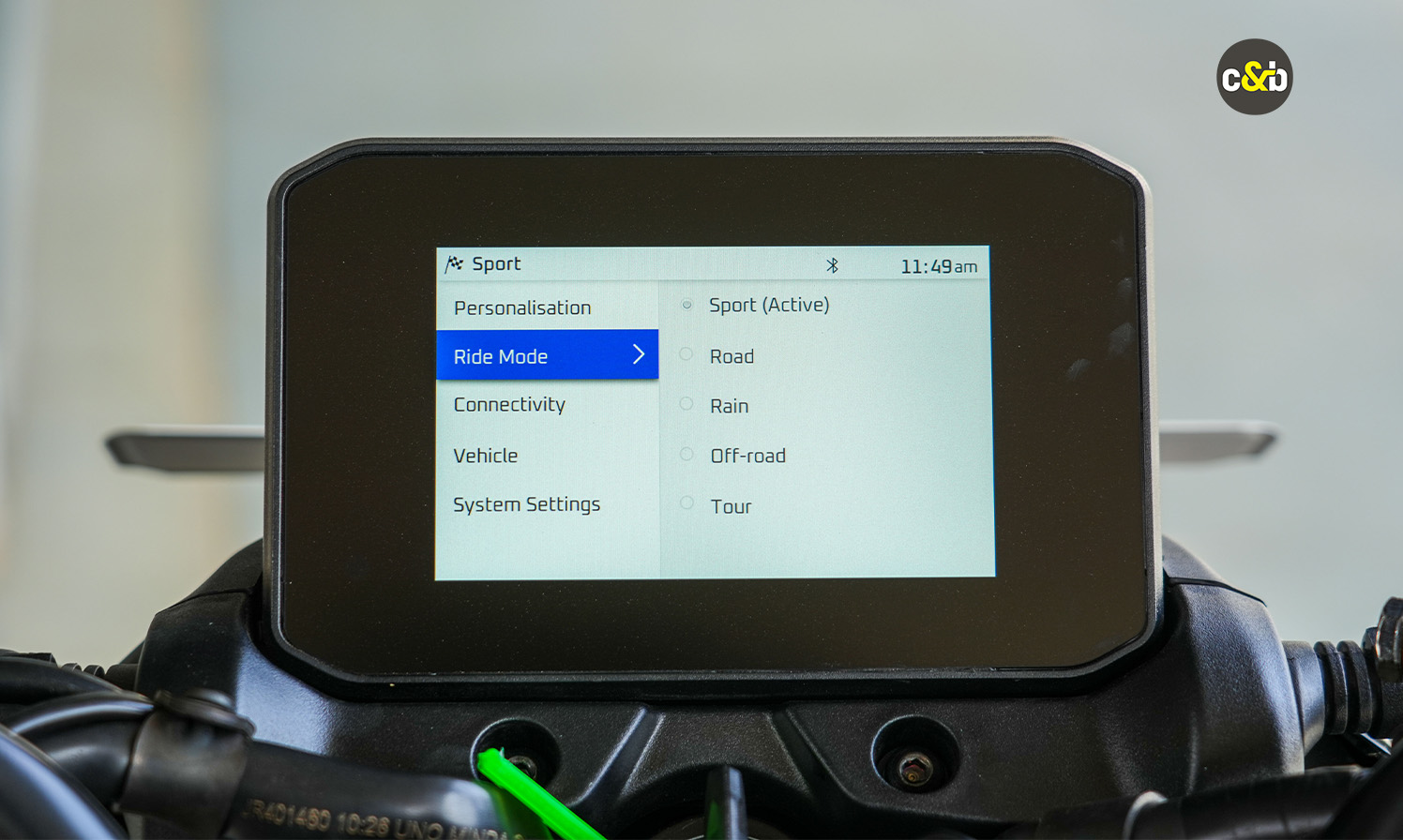
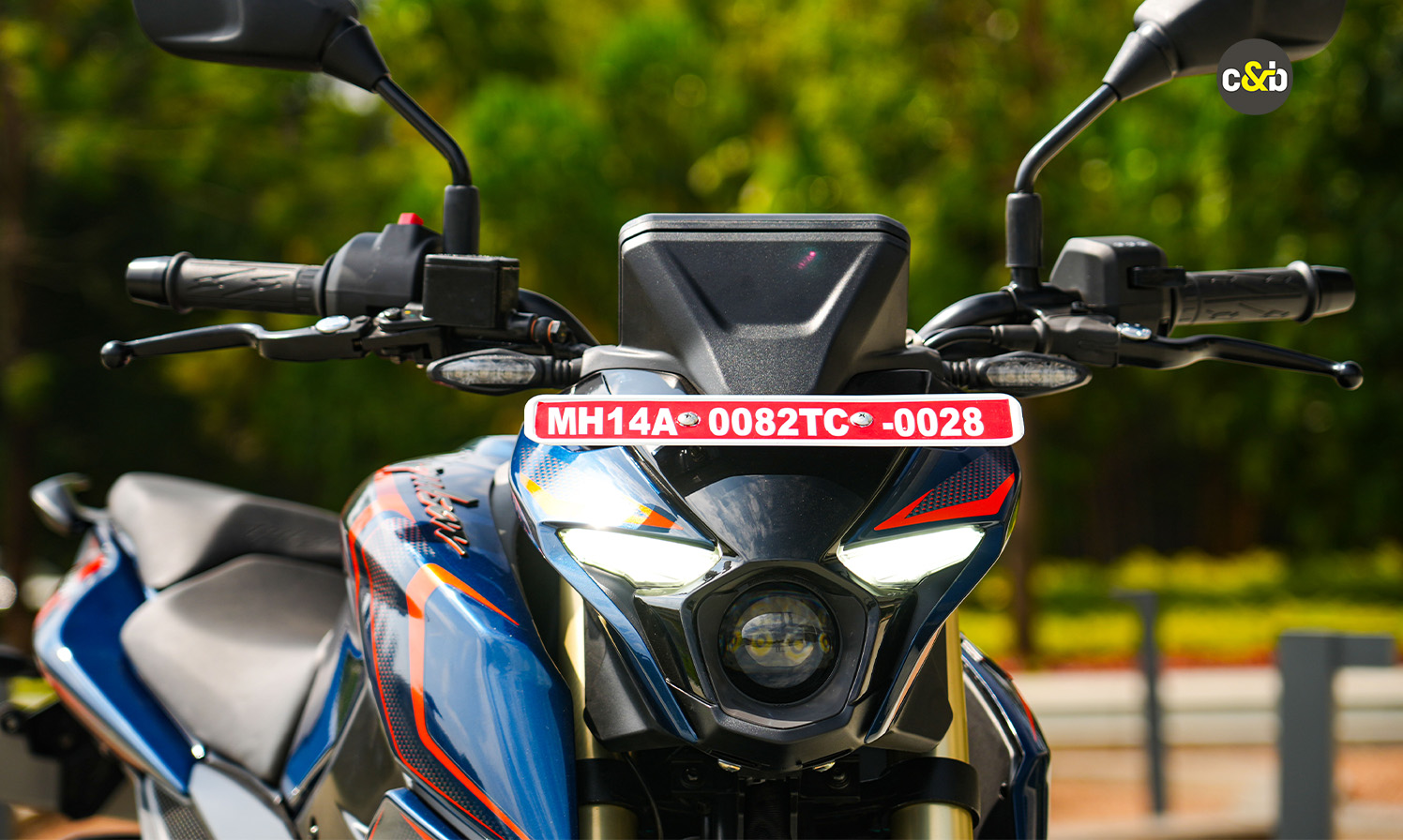
The bigger changes are in the equipment. The N250 SS now gets a 5-inch TFT instrument console, similar to the one seen on the N160 SS and other newer Pulsar models. It supports Bluetooth connectivity and Google Maps mirroring, making navigation considerably more convenient. The display is also relatively easy to operate, although the interface takes some time to get accustomed to.
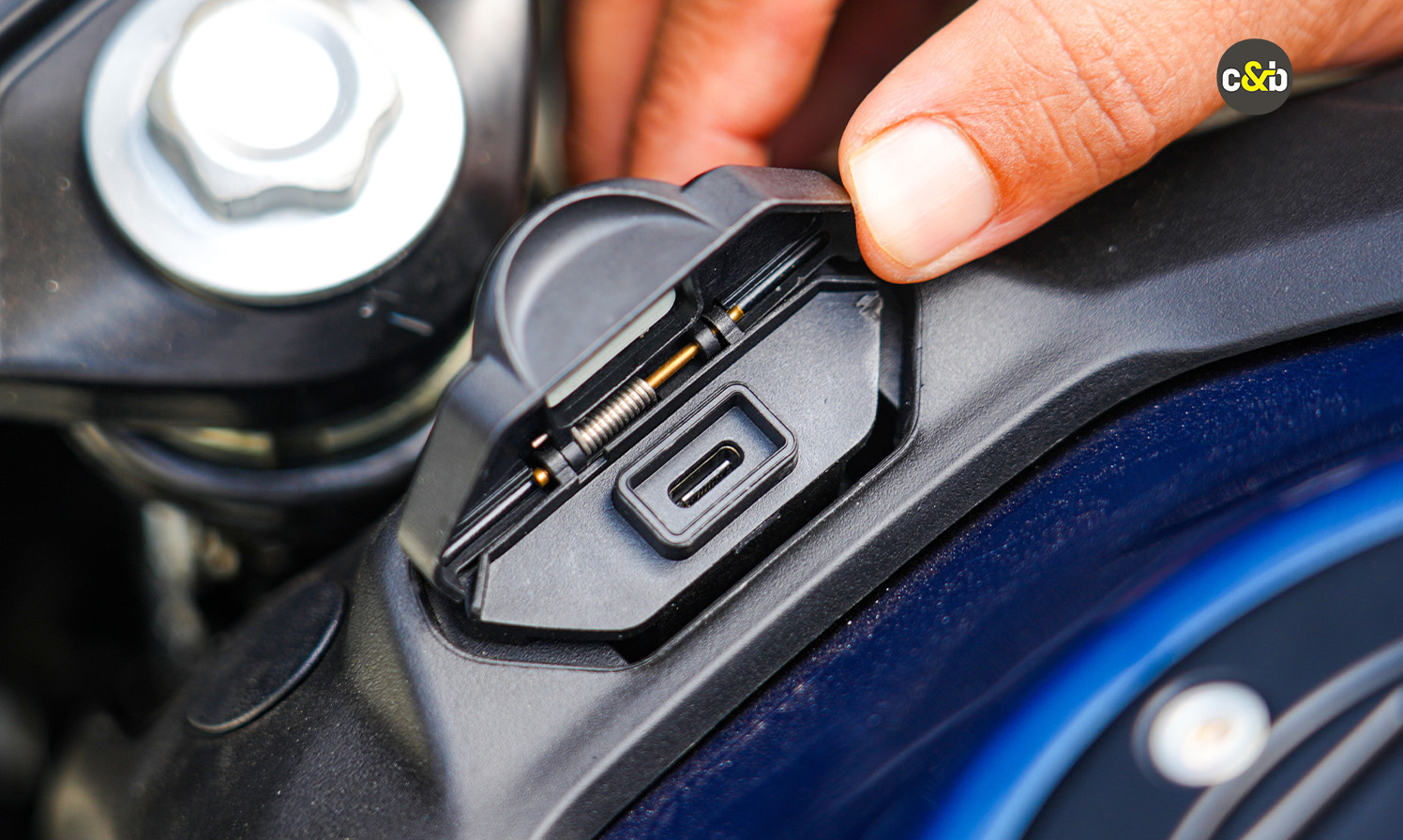
The new switchgear feels good in terms of tactile response and quality. Other additions include a hazard switch, a USB Type-C charging port replacing the earlier USB-A unit, and Panic Brake Alert, which rapidly flashes the rear brake lamp during hard braking to alert following traffic.
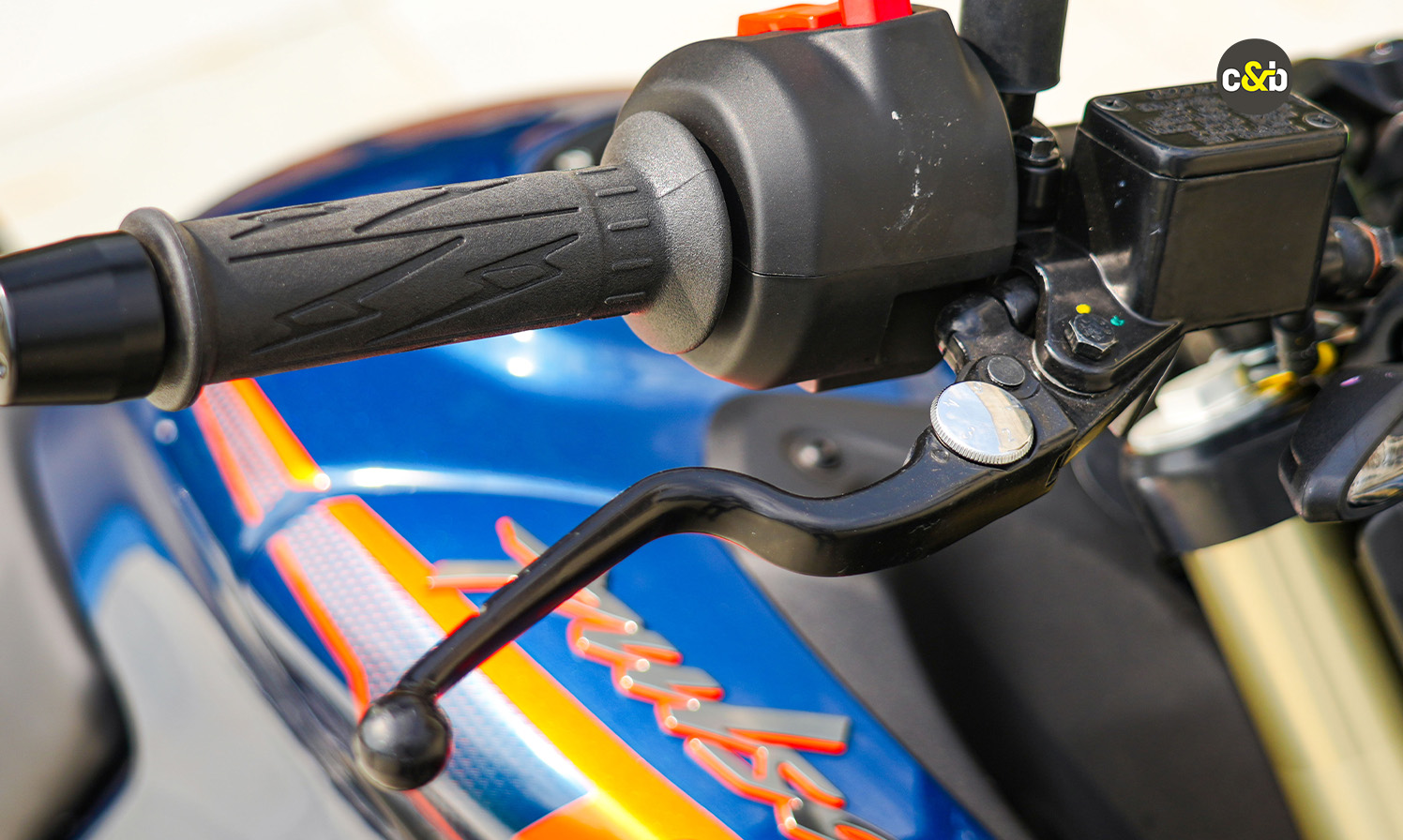
The motorcycle also gets adjustable brake and clutch levers, allowing riders to alter the lever reach according to their preference. Another important addition is the bi-directional quickshifter, Bajaj calls it a Power Shifter, which allows clutchless upshifts and downshifts, making gear changes more convenient during spirited riding.
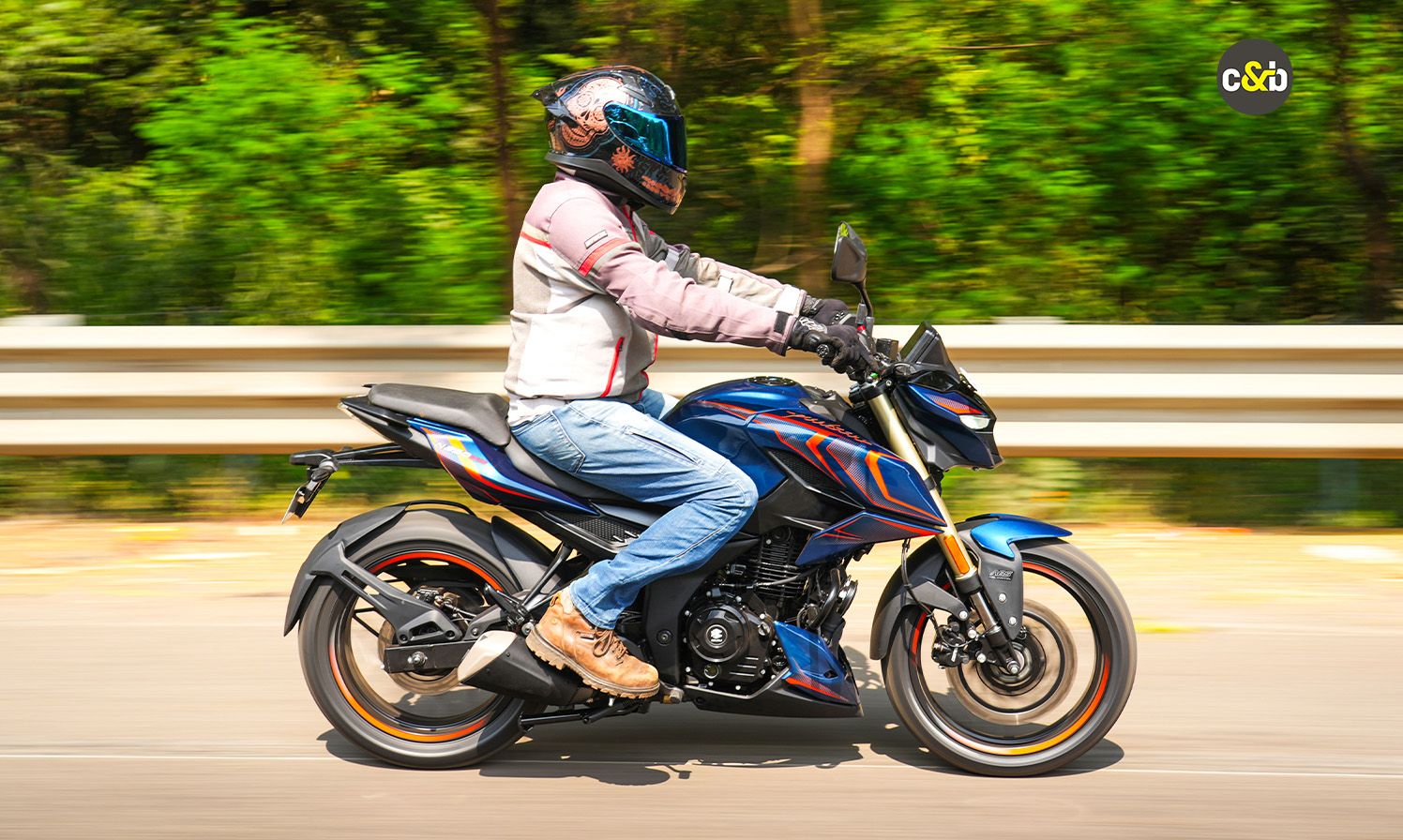
Bajaj Pulsar N250 SS: Ergonomics and Rider Triangle
The riding triangle remains unchanged, retaining the upright yet engaging stance of the N250. The handlebar and footpegs are naturally positioned with a hint of sportiness to the stance making the controls easy to reach without putting excessive weight on the rider's wrists.
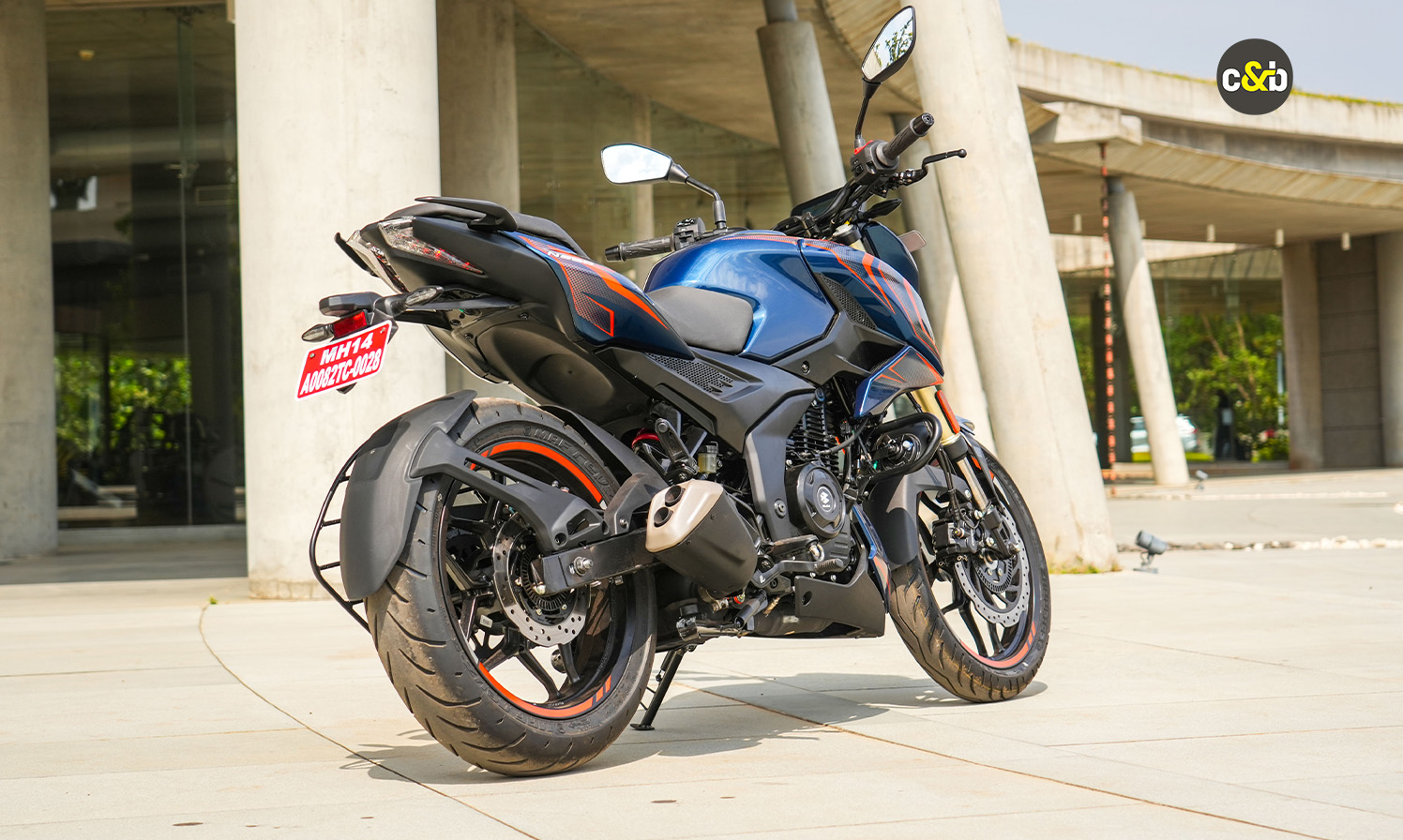
The seat height, ground clearance and other key dimensions also remain unchanged. The overall ergonomics strike a good balance between everyday comfort and a sporty riding position, making the N250 SS approachable for city commutes while still being engaging when you want to ride harder.
Also Read: Bajaj Pulsar NS400Z Gains TFT Screen: Priced At Rs 1.90 Lakh
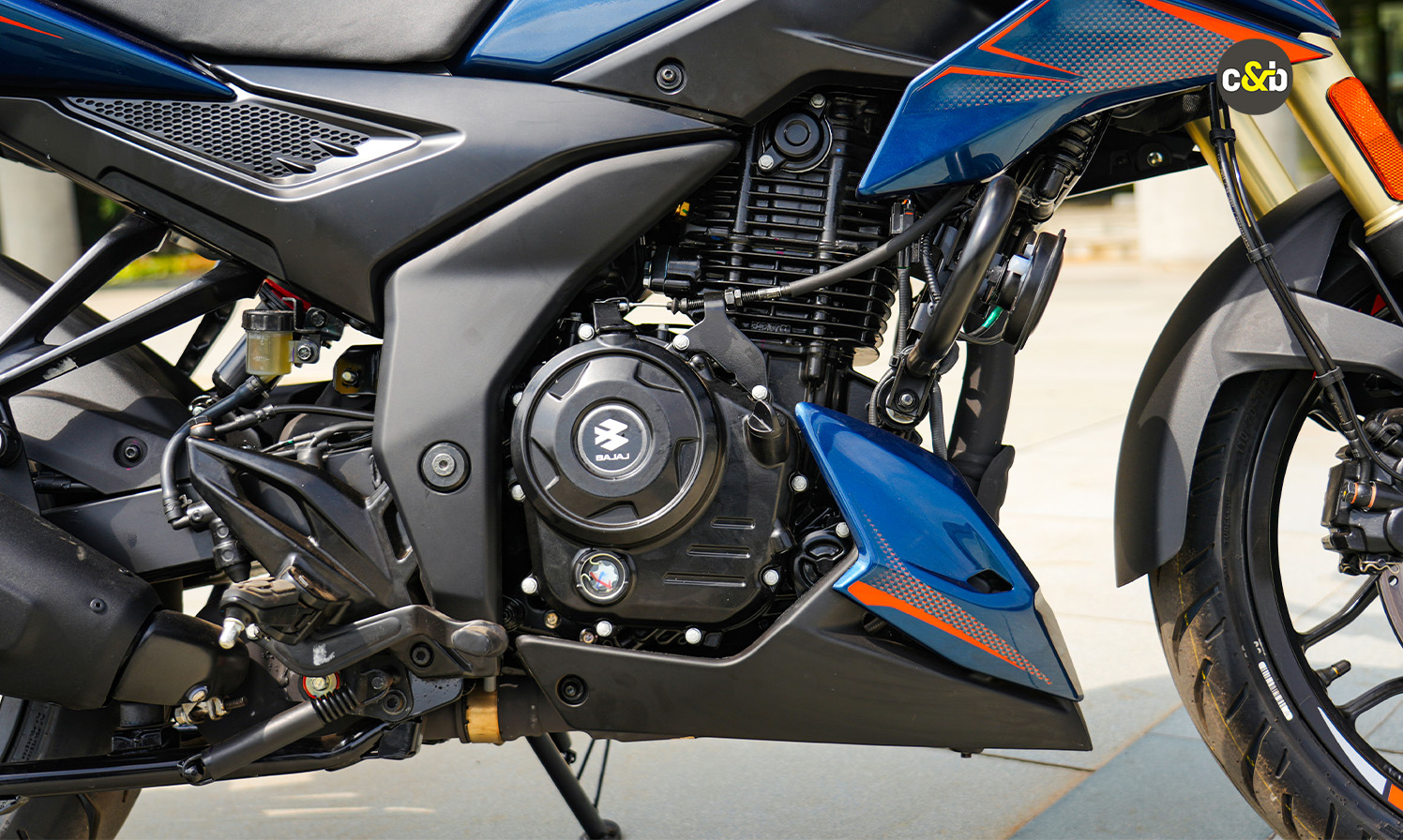
Bajaj Pulsar N250 SS: Powertrain and Cycle Parts
The biggest mechanical update comes in the form of a revised 249.07 cc, single-cylinder, oil-cooled four-valve engine. While the displacement remains unchanged, the new motor produces 24.7 bhp at 8,750 rpm and 22 Nm at 6,500 rpm, compared to 24.2 bhp and 21.5 Nm on the earlier two-valve engined N250. It is now paired with a six-speed gearbox instead of the earlier five-speed unit.
| Specification | Pulsar N250 SS |
| Engine | 249 cc, single-cylinder, 4-valve |
| Power | 24.7 bhp |
| Torque | 22 Nm |
| Gearbox | 6-speed |
| Throttle | Electronic with 5 ride modes |
| Front suspension | USD fork |
| Rear suspension | Monoshock |
| Kerb weight | 165 kg |
| Fuel tank | 14 litres |
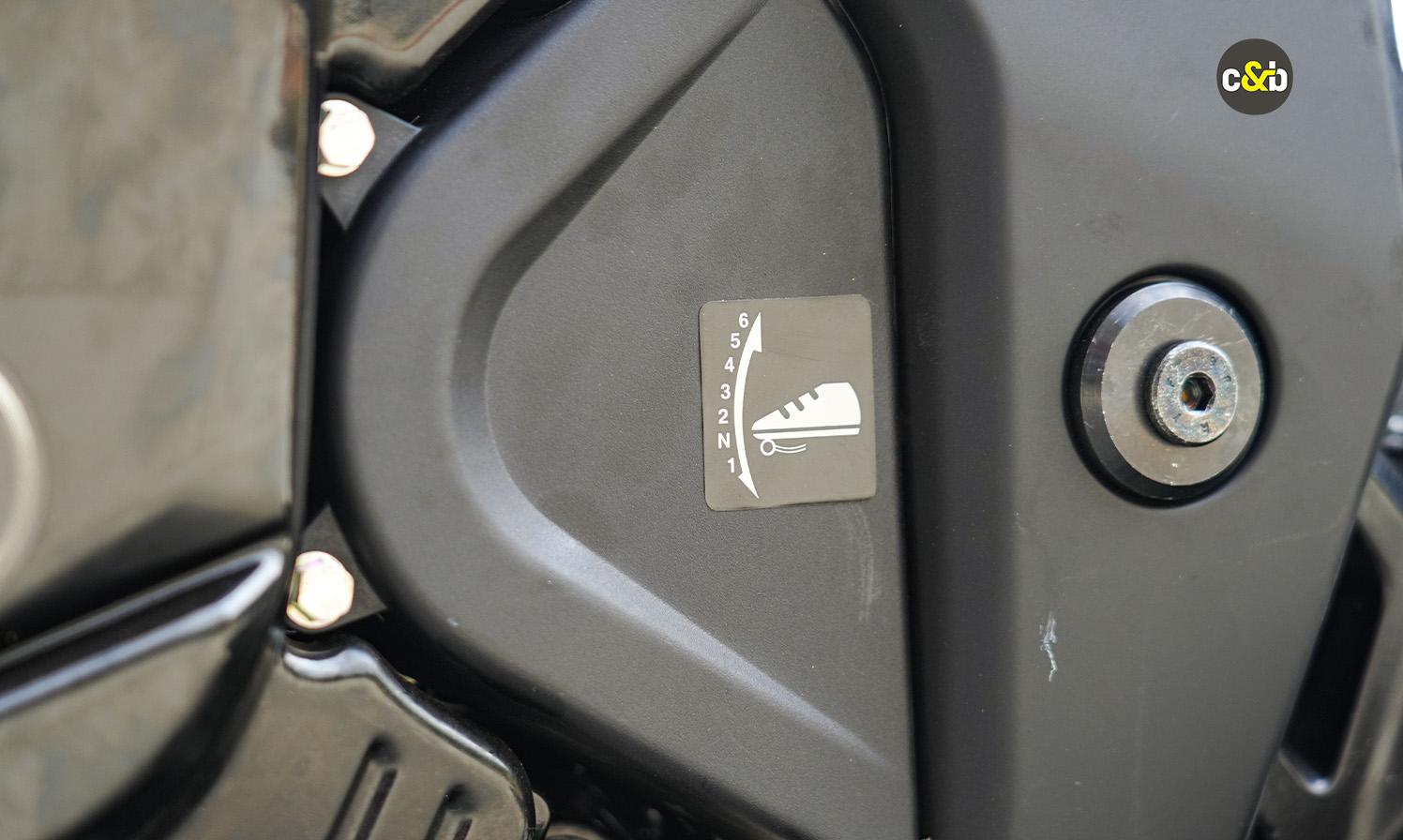
The additional sixth gear is much welcomed and is particularly useful for highway riding. It acts as an overdrive, keeping engine speeds lower at cruising speeds, which helps in keeping the rev and thus the vibrations low. It will also aid in fuel efficiency during longer journeys.
The other significant addition is the Electronic Throttle Body (ETB), which enables five selectable riding modes: Road, Rain, Sport, Off-Road and Tour. These operate alongside the existing ABS modes, allowing riders to alter the motorcycle's throttle response depending on riding conditions. I spent most of my time in Sport mode, which offered the most engaging response.
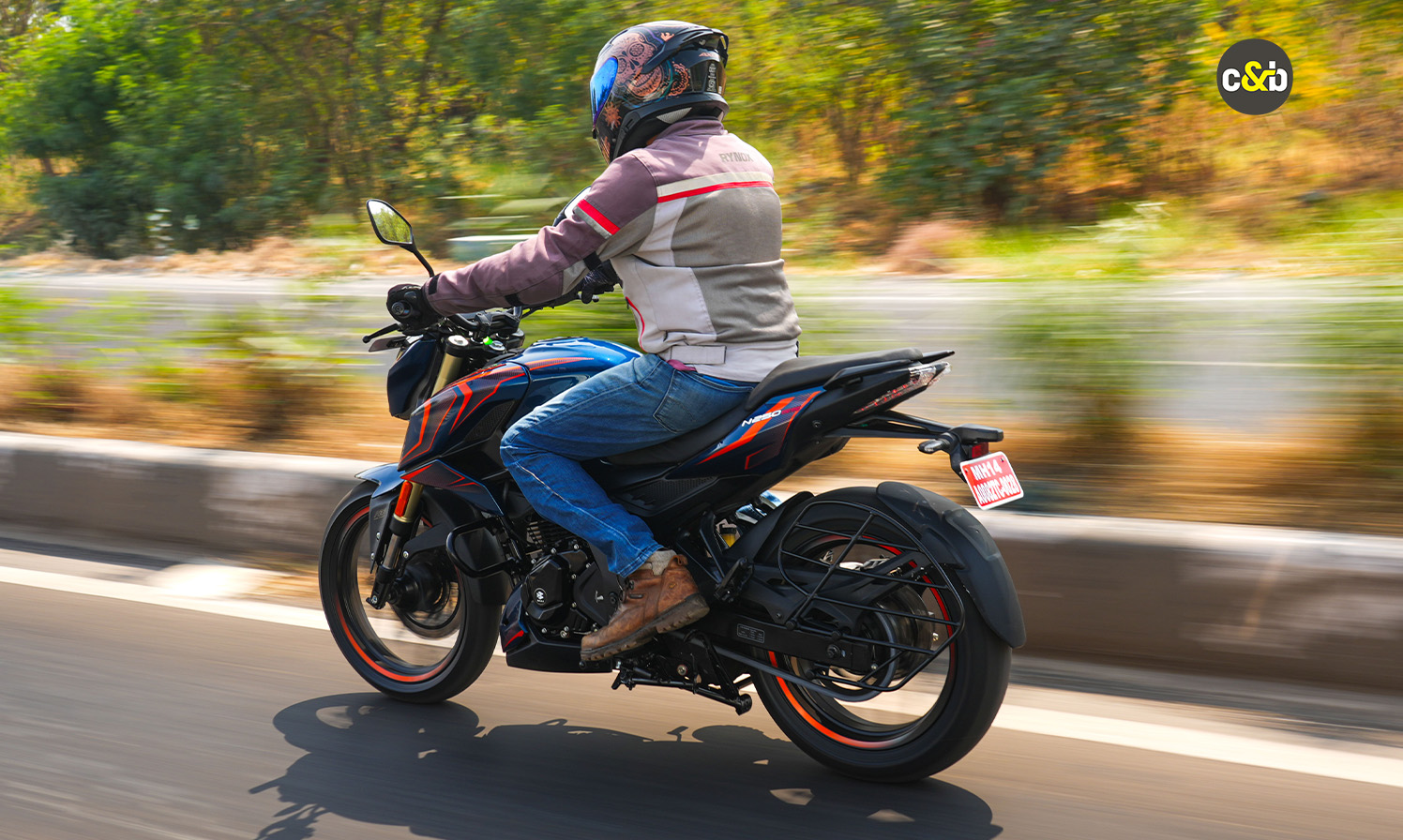
On the road, the new engine feels more refined than the outgoing motor. It revs smoothly through the rpm range and builds power progressively, while the initial pickup feels stronger. Bajaj has also retained the characteristic Pulsar exhaust note, although there is a slightly deeper growl to it when compared to the N250.
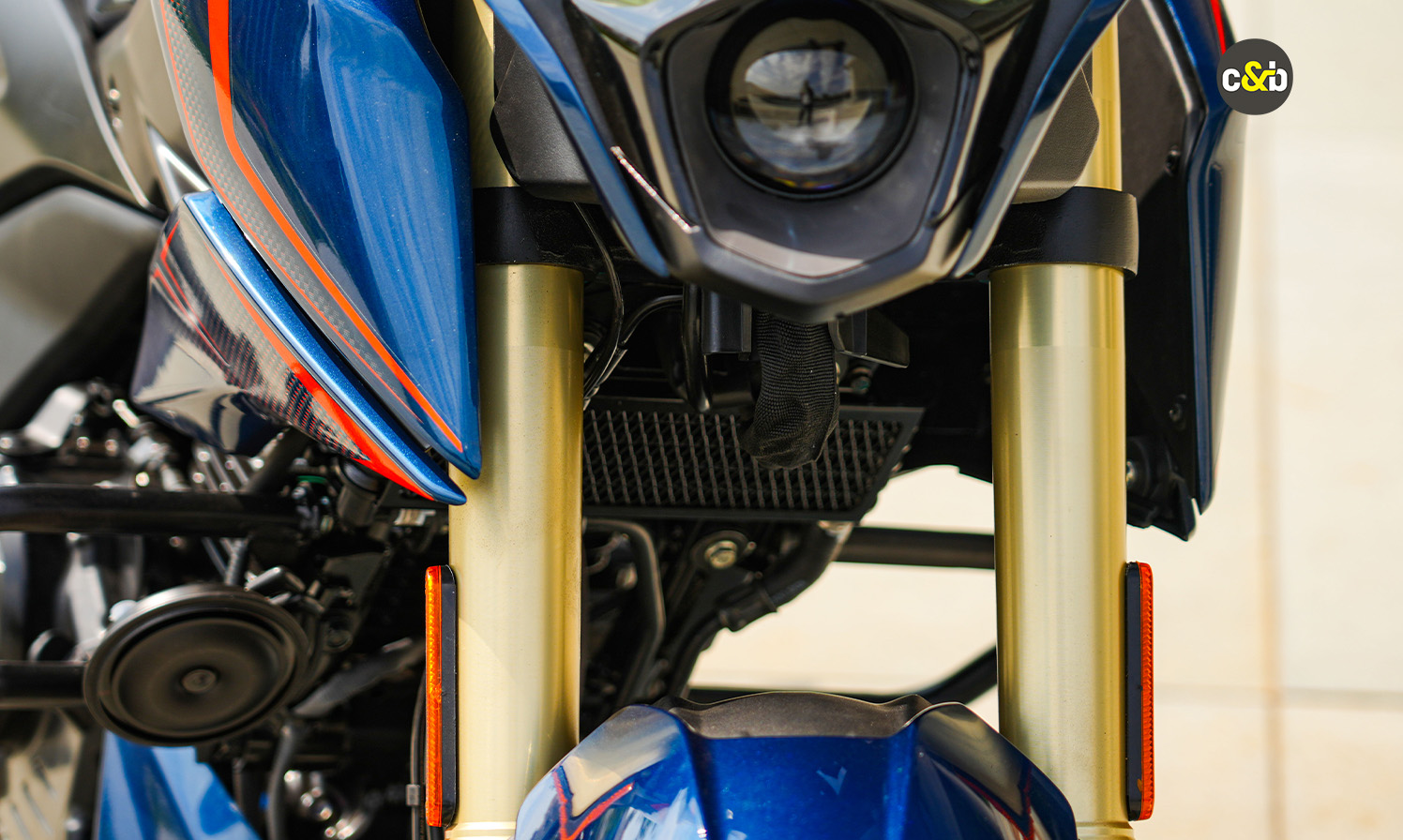
The cycle parts remain largely unchanged, with the gold-finished USD front forks and rear monoshock continuing to do their job well. The suspension offers good damping over road undulations, resulting in a comfortable and composed ride without compromising cornering confidence.
Also Read: New Bajaj Pulsar 150 Review: Is The New Pulsar, Pulsar Enough?
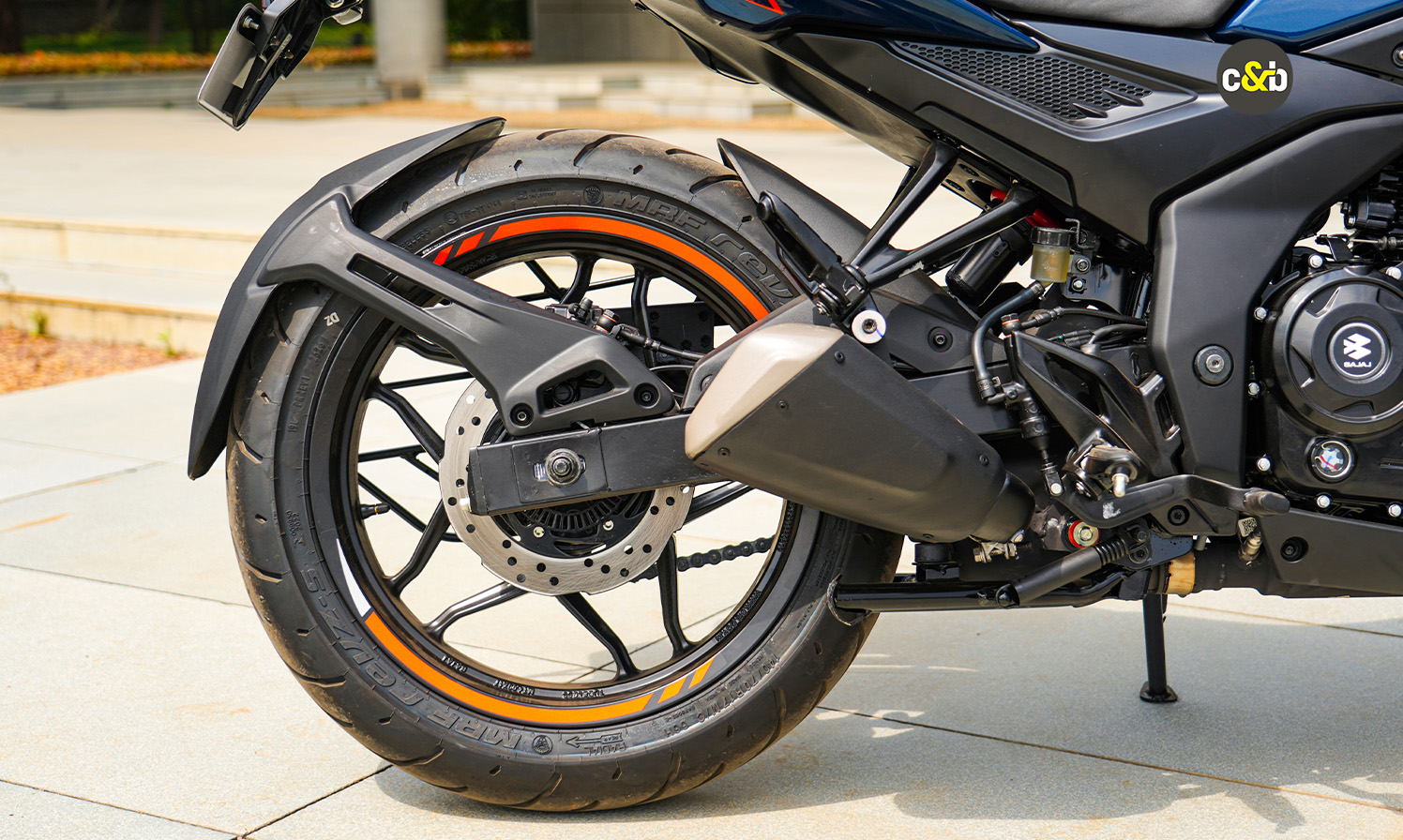
However, the rear tyre is now a radial unit, replacing the earlier bias-ply setup. This is a welcome upgrade, as the improved grip and rounded profile make it easier to tip the motorcycle into corners while inspiring more confidence when carrying more entry speed. Braking performance continues to be the same as before, good bite on application with progression.
Bajaj Pulsar N250 SS: Ride Experience
The new N250 SS feels like a more complete version of an already capable quarter-litre Pulsar. The revised engine is smoother, the additional gear improves its versatility, and the quickshifter adds another layer of engagement when riding enthusiastically.
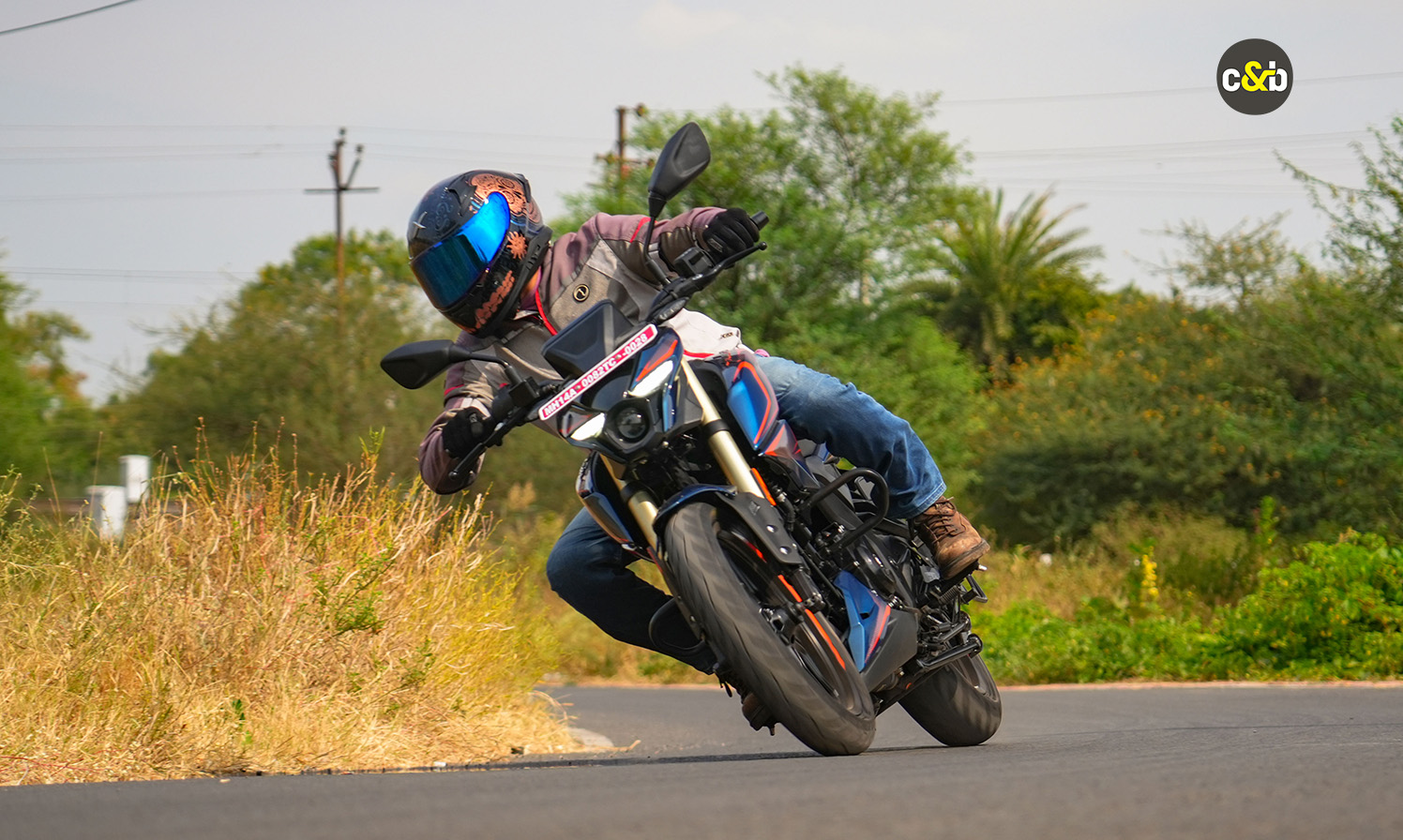
In the city, the motorcycle remains nimble and easy to manoeuvre, while the upright ergonomics make it comfortable for everyday use. On twisty roads, the improved rear tyre offers better grip and confidence, allowing you to carry more speed through corners.
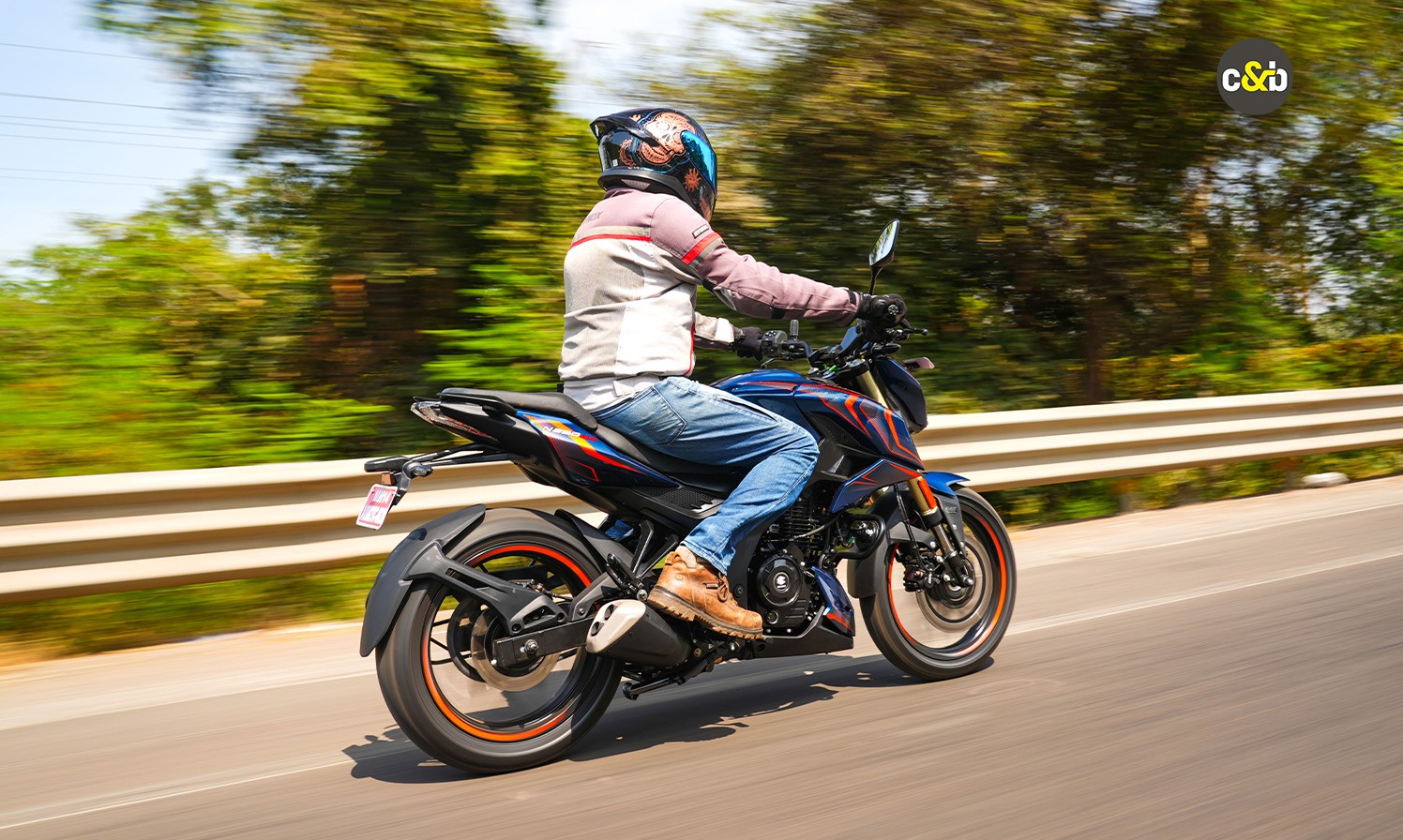
The suspension continues to strike a good balance between comfort and handling, while the different riding modes let you tailor the motorcycle's response to the conditions. While I did try out the ride modes, Sport mode was my preferred setting during the ride, as it brought out the more spirited side of the engine.
Interestingly, despite all the additional equipment and mechanical upgrades, the kerb weight has increased by just 1 kg, now standing at 165 kg. This is hardly noticeable when riding the motorcycle and doesn't take away its nimble character.
Overall, the N250 SS feels more refined, better equipped and more engaging, without losing the everyday usability that made the original N250 appealing.
Bajaj Pulsar N250 SS: Pricing and Competition
The new Bajaj Pulsar N250 SS is priced at Rs. 1,59,406 (ex-showroom, Delhi), representing an increase of approximately Rs. 14,000 over the earlier N250. While the price has gone up, so has the equipment and mechanical updated as mentioned above, making it a comprehensive package.
At this price, the N250 SS remains competitively positioned against quarter-litre rivals such as the Suzuki Gixxer 250 and Hero Xtreme 250R, both of which are priced higher. The additional technology and performance equipment make the Pulsar an interesting alternative in this segment.
Bajaj Pulsar N250 SS: Verdict
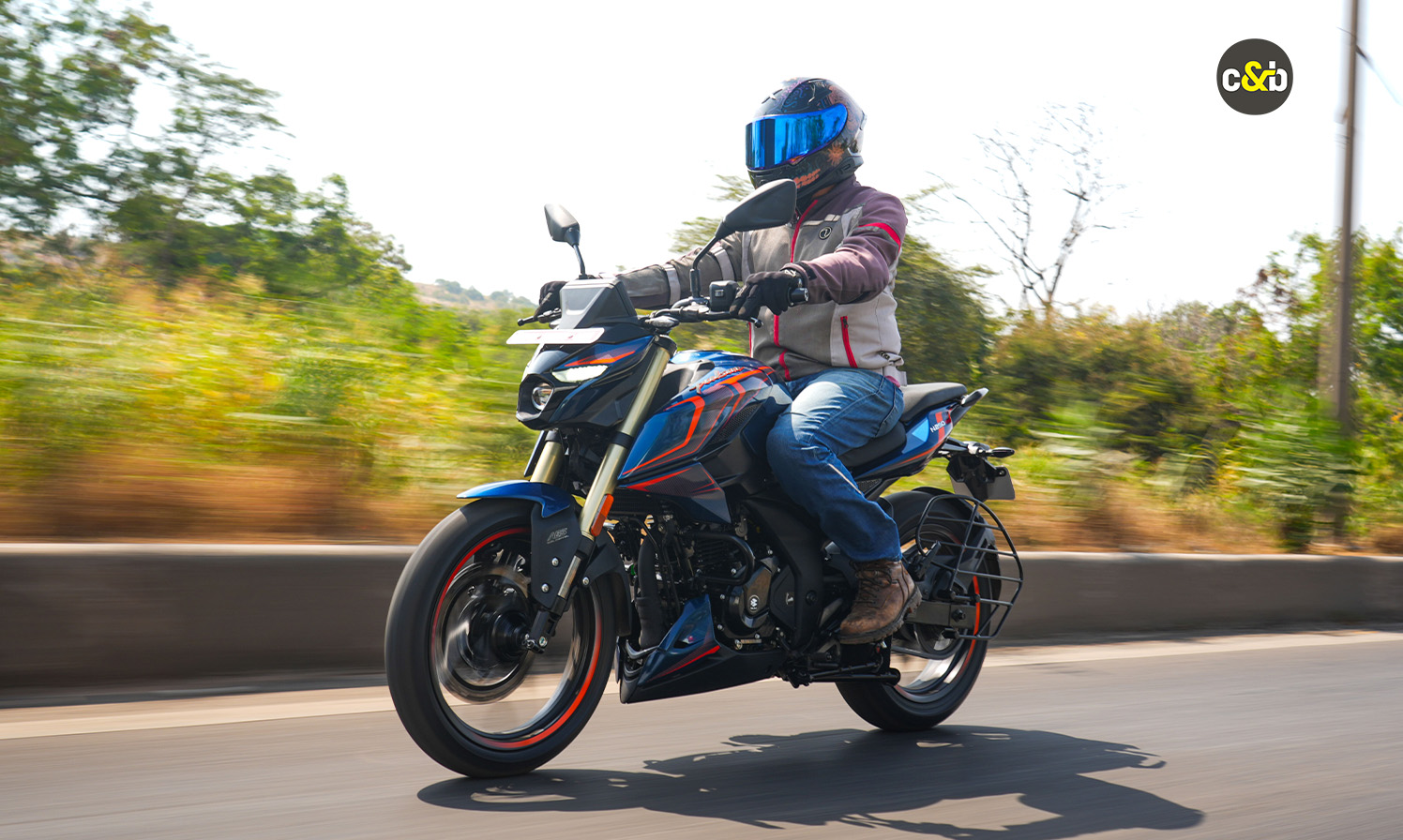
The Pulsar N250 SS is a meaningful upgrade to Bajaj's quarter-litre offering, addressing several areas while retaining its familiar strengths. Now with a more refined engine, six-speed gearbox with a quickshifter improve the riding experience, while the additional technology makes it a considerably more modern motorcycle.
The motorcycle should appeal particularly to Gen-Z buyers and young working professionals looking for their first performance-oriented motorcycle, offering a combination of road presence, accessible performance, comfort and technology.
Also Read: Bajaj Pulsar N160 SS First Ride Review
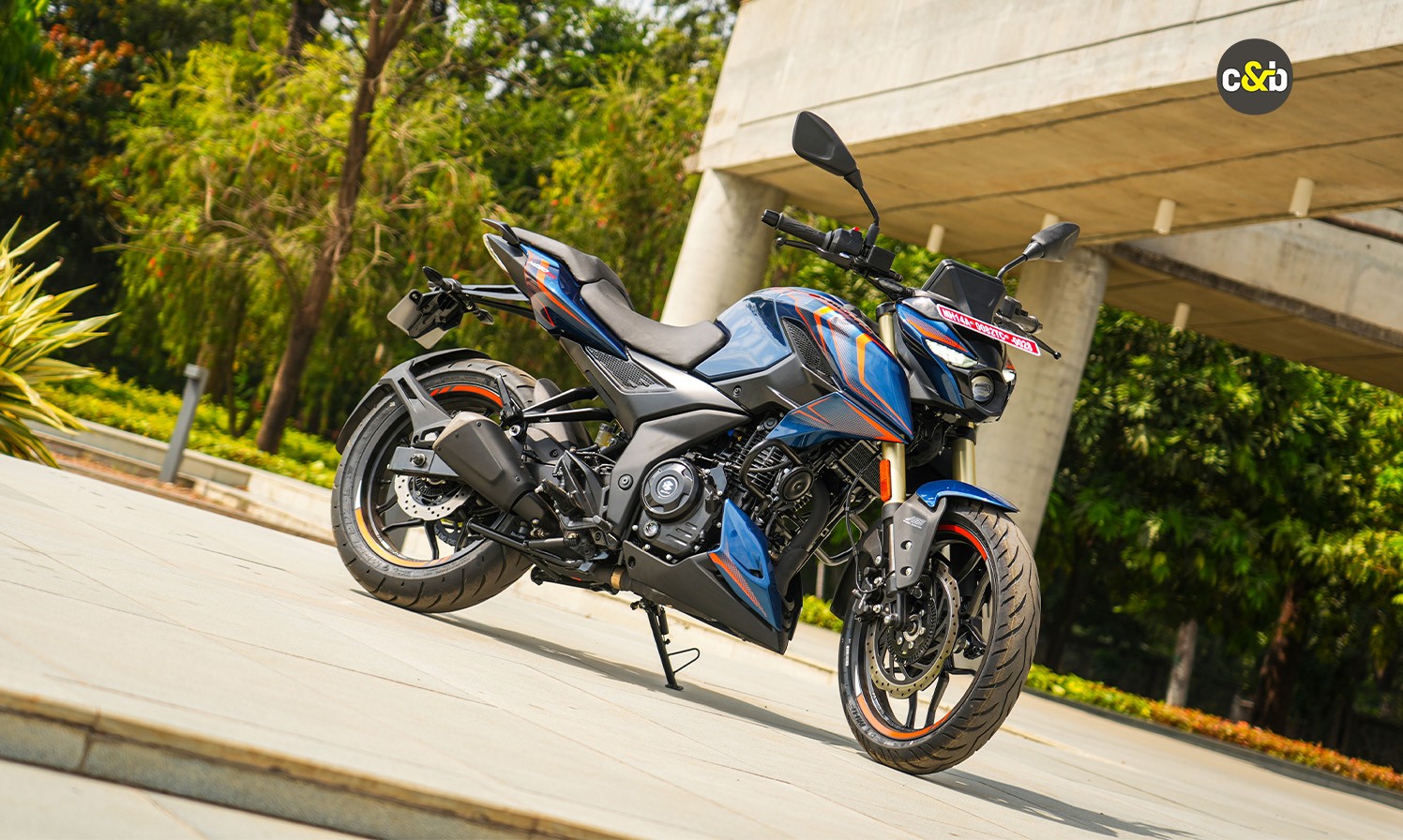
At Rs. 1.59 lakh ex-showroom Delhi, the pricing feels well placed considering the upgrades. The N250 SS retains the familiar Pulsar DNA but brings it up to date with the features and performance that today's buyers increasingly expect.
Related News

Learn more about Bajaj Pulsar N250 SS

Popular Bajaj Models


Latest Cars


Upcoming Cars


Latest News


 car&bike Team | Nov 11, 2026RTI vs Zero Depreciation: Which Car Insurance Cover Pays More?Return to Invoice (RTI) covers the gap between your car's current IDV (Insured Declared Value) and the original invoice value in case of theft or total loss. Zero Depreciation reduces deductions on replaced parts during accident repairs.1 min read
 car&bike Team | Nov 11, 2026Engine Protection vs Zero Depreciation: What's The Difference?Zero Depreciation reduces your share of accident repair costs, while Engine Protection covers certain engine and gearbox damage caused by water ingress or oil leakage.1 min read
 car&bike Team | Nov 11, 20262027 Hyundai Creta Interior Spied For The First TimeThe next-generation Creta's cabin gets a complete overhaul with a larger screen, a new steering wheel and more.2 mins read
 Amaan Ahmed | Nov 11, 2026'Fun' In Focus: How Honda Is Building ADV 160, Rebel 300 At Its Oldest India PlantFrom rolling out the first Activa, Honda's Manesar facility -- which marked its 25th anniversary this year -- is now primed to build the company's most exciting new products in years.1 min read
 car&bike Team | Nov 11, 2026Genesis GV90 SUV Design Patented In IndiaThe Genesis GV90's design has been patented in India just months after its global debut.1 min read
 car&bike Team | Nov 10, 20263.3 kW Vs 7.2 kW Vs 11 kW EV Chargers: Which Do You Need?Choosing a home EV charger depends on your car, daily driving and home power supply. A 3.3 kW charger works for smaller EVs, while 7.2 kW suits most mid-size electric cars. An 11 kW charger is meant for larger EVs that support three-phase charging.1 min read