
New Bajaj Pulsar NS200 Review: One Last Hurrah?


- The new TFT, ride modes and electronic throttle body bring meaningful upgrades to an ageing package
- Performance remains strong, but vibrations, fidgety mirrors and restricted movement take away some of the shine
- It feels like a fitting final update before an all-new NS200 arrives
The Bajaj Pulsar NS200 has been around for years, and yet, even today, it looks the part. The aggressive stance, muscular proportions and unmistakable streetfighter styling have helped it build a strong following over the years.
For its latest update, Bajaj hasn't reinvented the motorcycle. Instead, it has focused on bringing in the technology and features that modern riders expect. But do these changes make the NS200 feel fresh again, or is this simply one last hurrah before an all-new generation arrives? I rode the updated motorcycle to find out.
Design
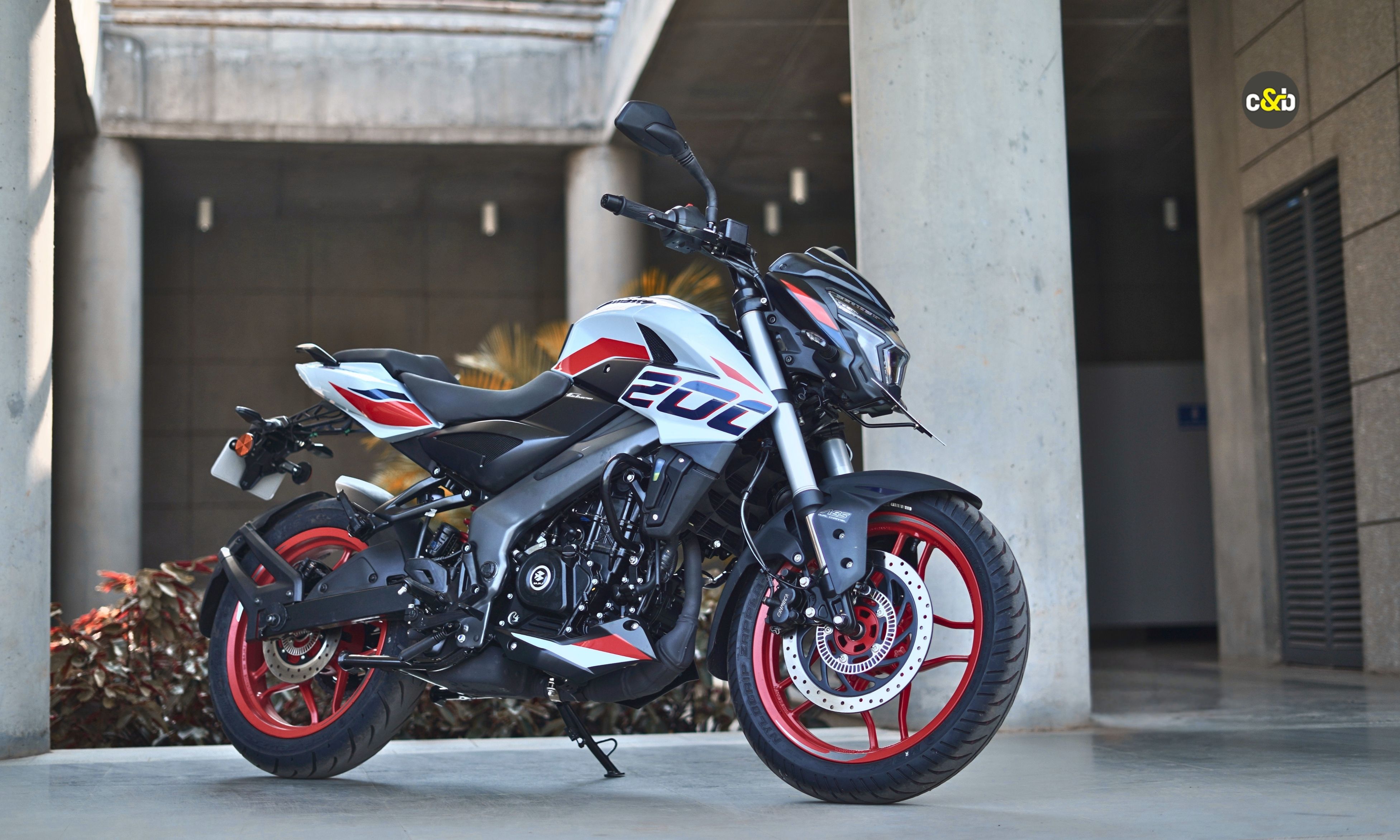
Let's start with the design, and there's no denying that the NS200 still has road presence. Its muscular tank, sharp bodywork and aggressive stance continue to give it the right streetfighter appeal.
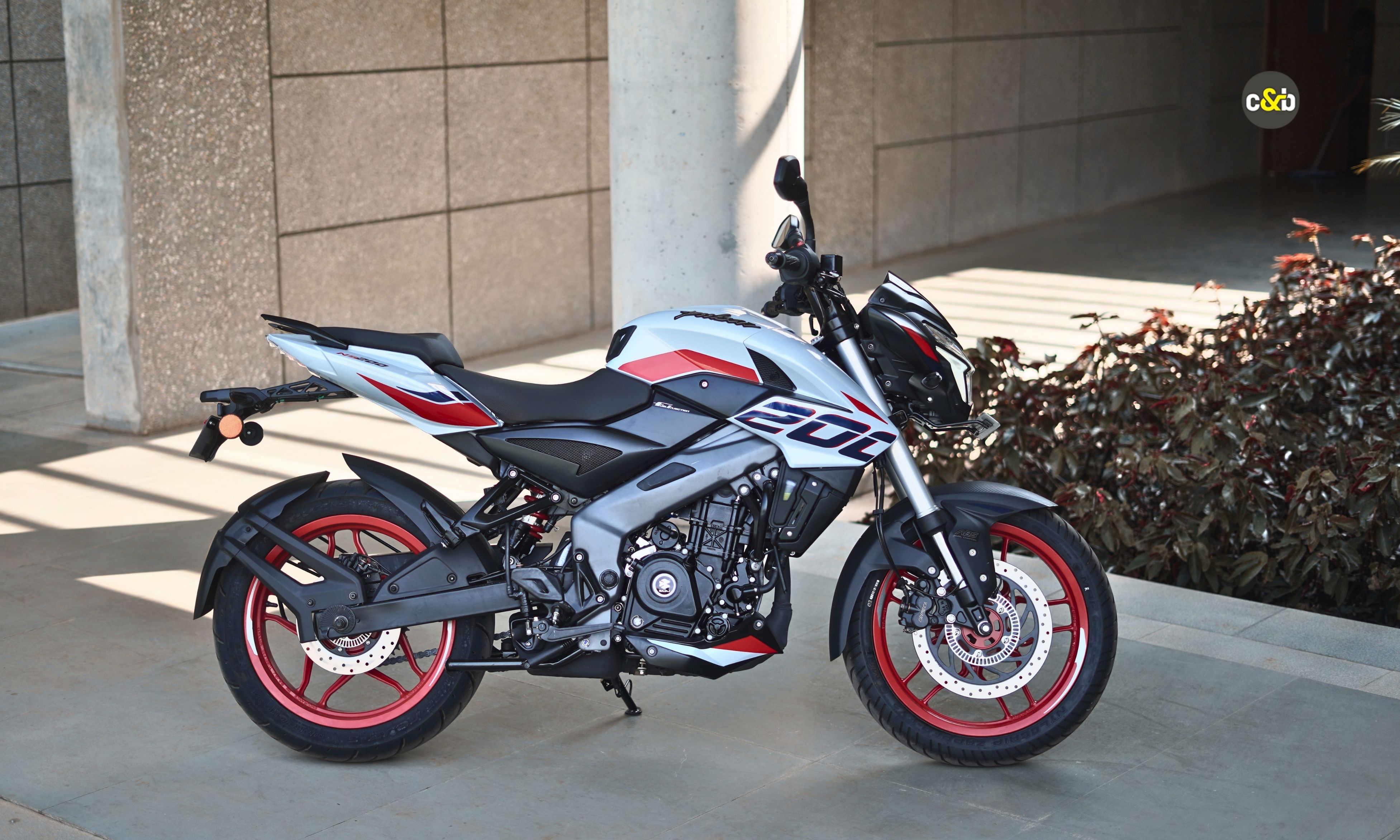
The good news is that the design has aged gracefully. It doesn't look out of place even today, although the overall styling is beginning to feel familiar after all these years. A completely new design would have been welcome, but that's not what this update is about.
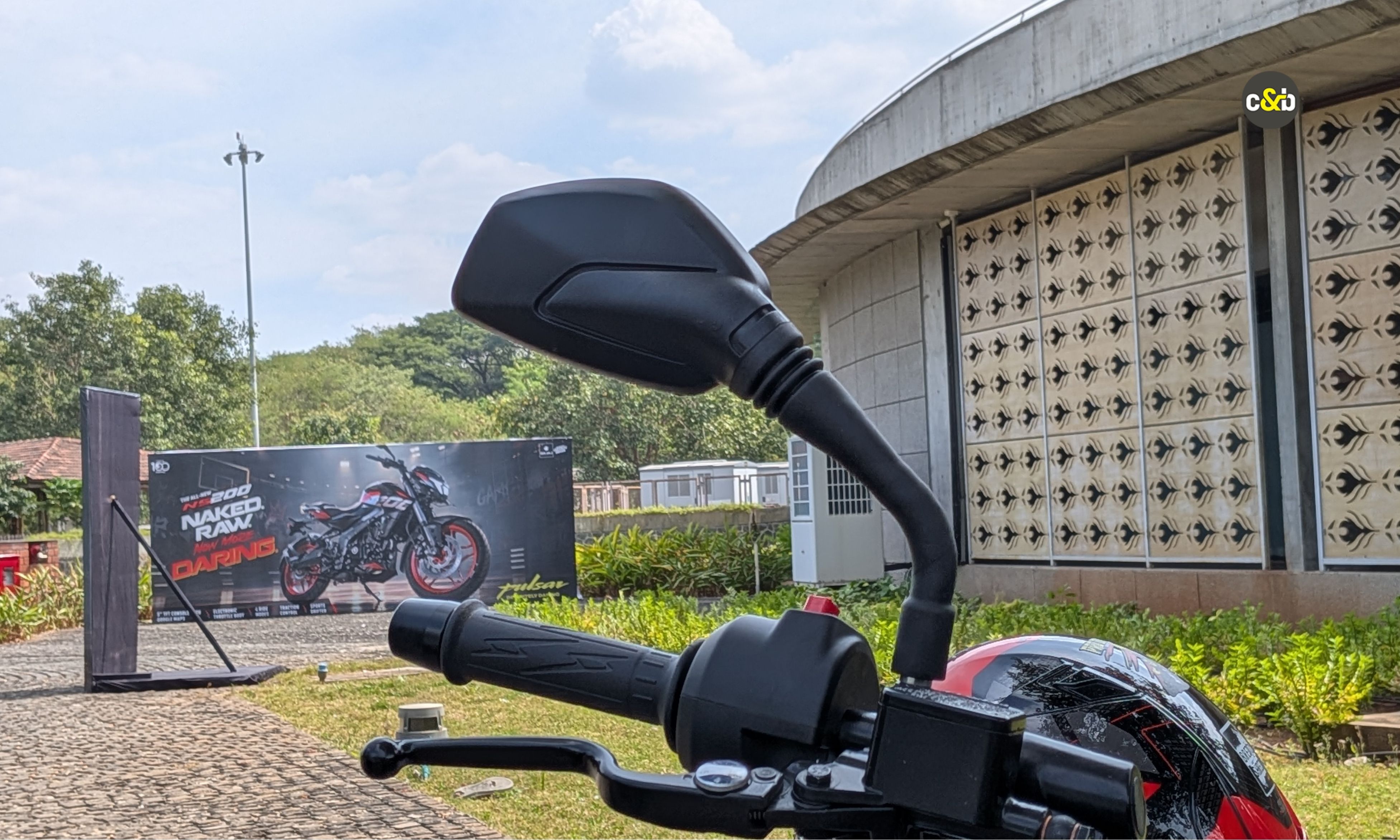
One part that hasn't aged nearly as well, however, is the rear-view mirrors. They feel cheap, are fidgety to adjust and aren't particularly pleasant to use. On a motorcycle that has received so many technology upgrades, the mirrors feel like an obvious area that needs attention.
Ergonomics
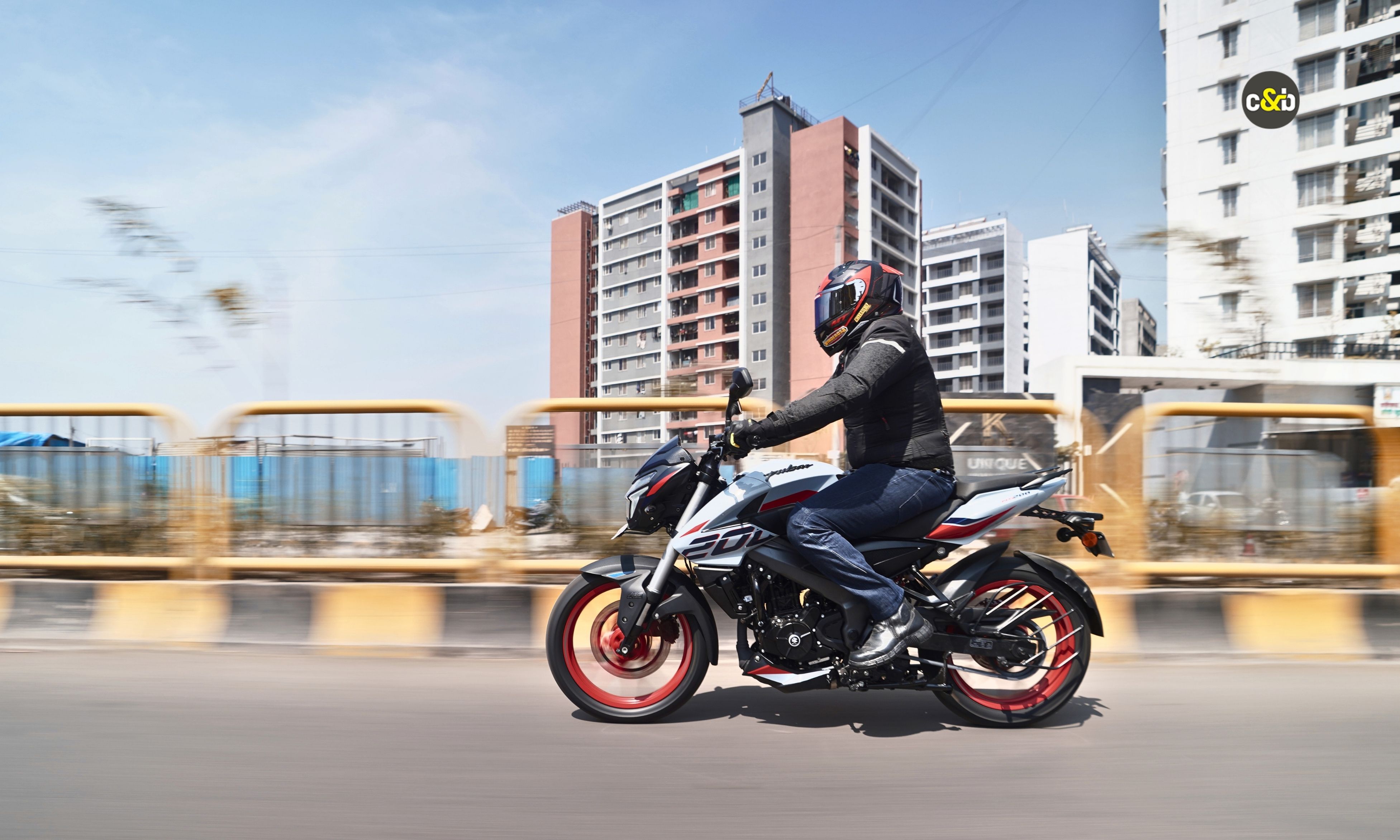
The riding position retains the sporty character you'd expect from the NS200. However, if you're a rider with a larger frame, things can feel a little restrictive.
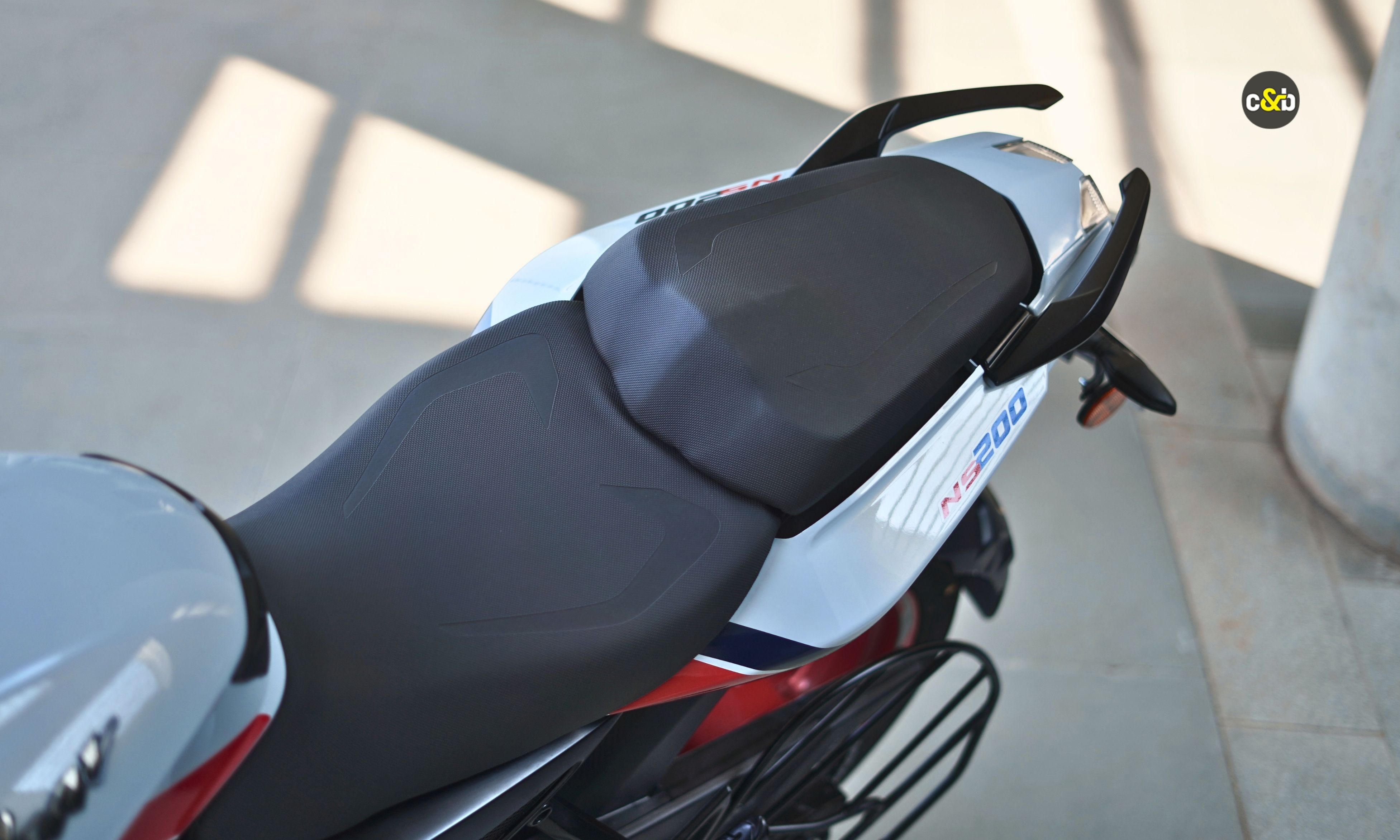
There's not a great deal of room to move around on the motorcycle, which can limit how comfortably you reposition yourself while riding. It isn't necessarily a deal-breaker, but riders who prefer more space and freedom of movement should keep this in mind. For a sporty naked motorcycle, the ergonomics still serve their purpose, but there's definitely room for improvement in the next generation.
Features
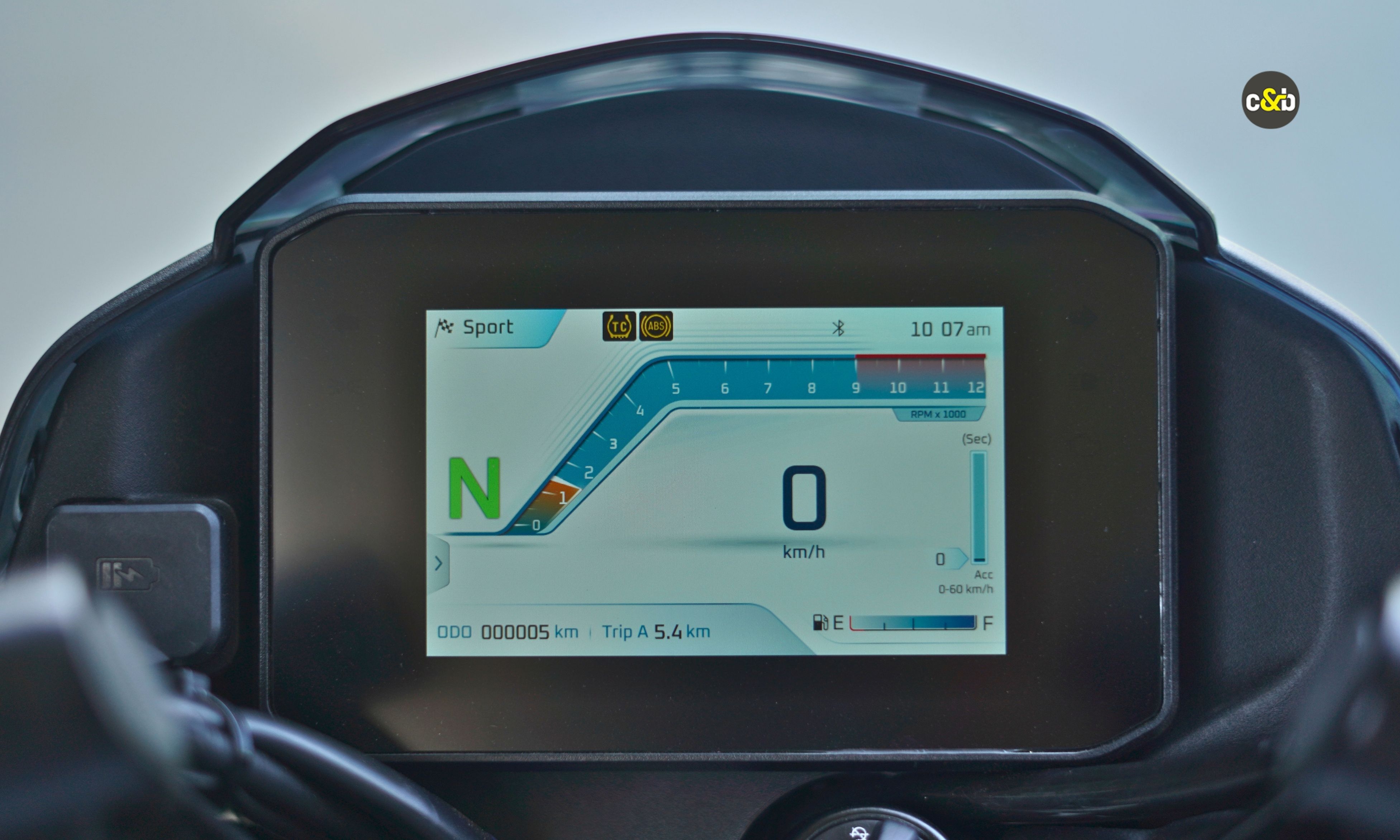
This is where the updated NS200 makes its strongest case for itself. The new 5-inch TFT console replaces the older LCD unit and does its job well. It gives the motorcycle a more modern feel and brings its cockpit closer to what you'd expect from a contemporary performance bike.
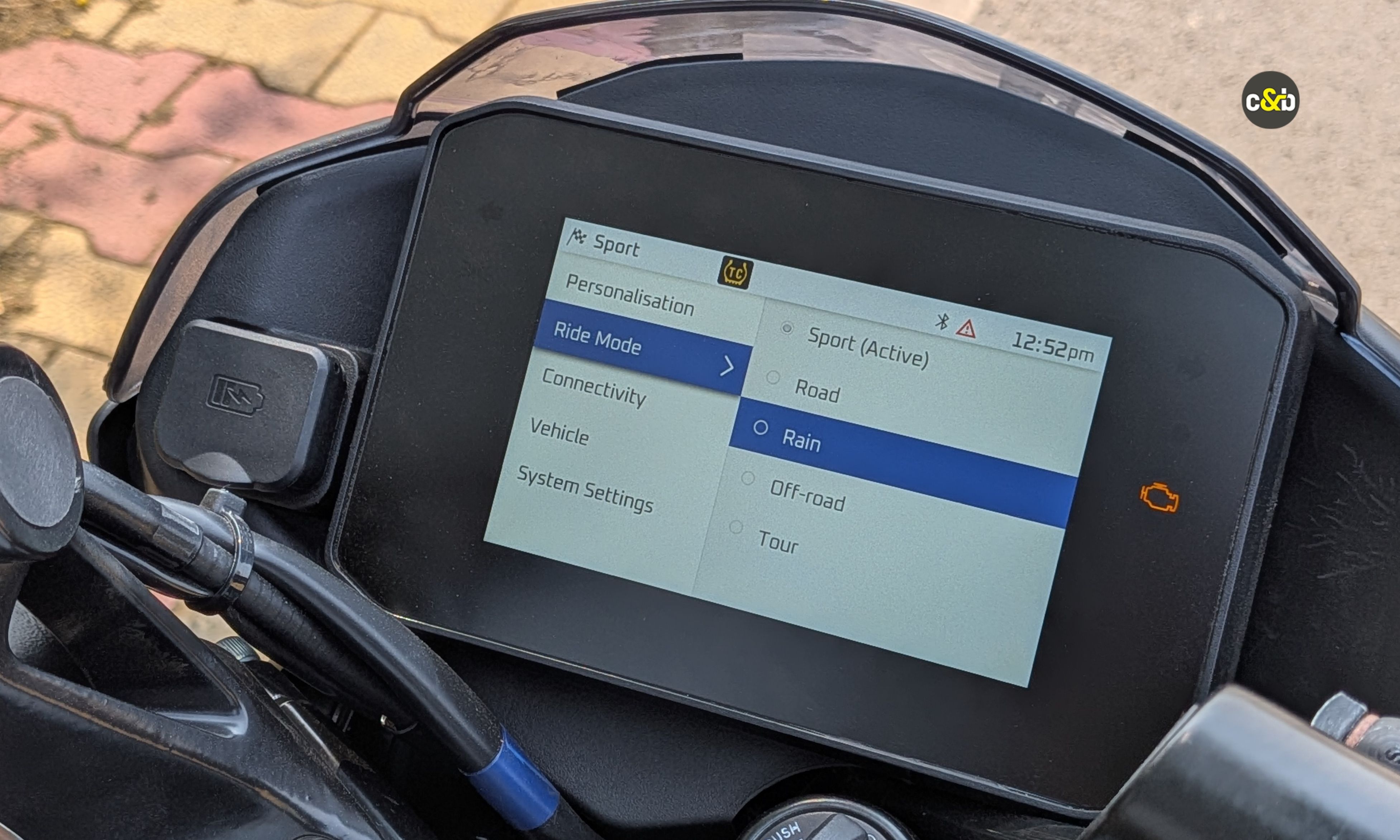
But the bigger story is the electronic throttle body, or ETB, and the ride modes it enables. Unlike a cosmetic update, these changes are noticeable when you're riding. The different modes offer a discernible change in how the motorcycle responds, adding a new dimension to the riding experience.
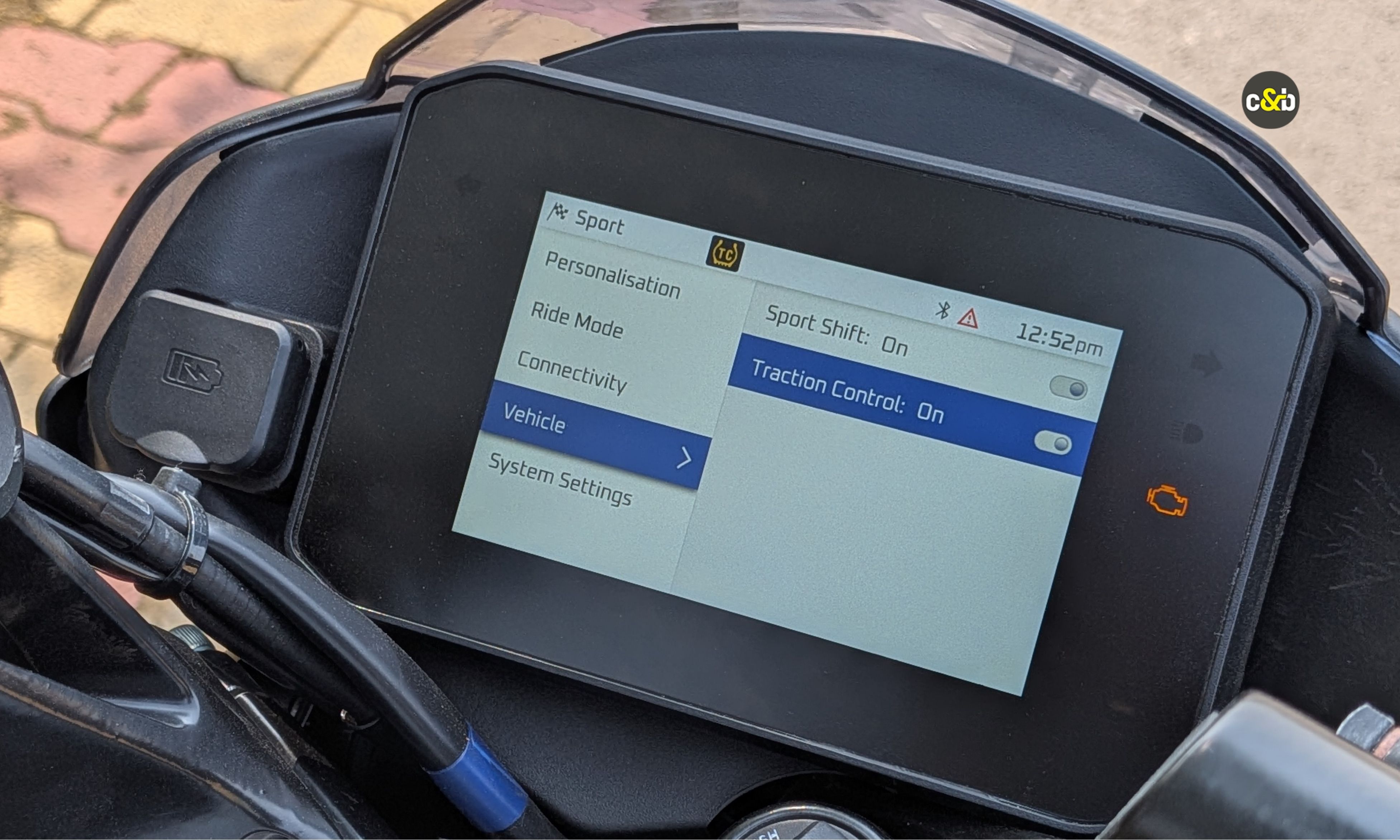
Traction control is another addition, while the Sport Shifter is a welcome feature. The gearbox itself works well, although it can still feel a little notchy. And despite the name, the Sport Shifter isn't a conventional quickshifter. It's a more basic system that, as the name suggests, operates in Sport mode.
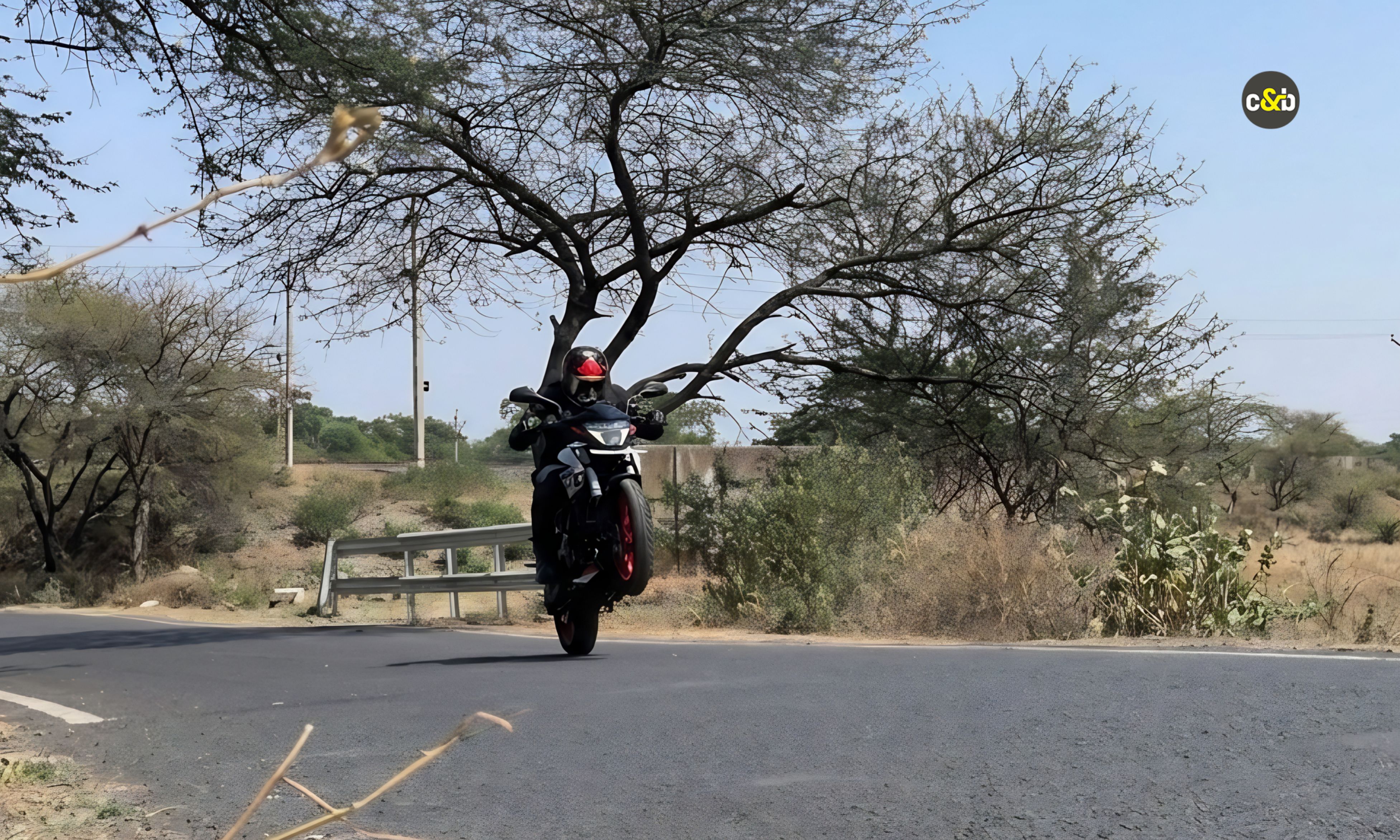
There is, however, one frustrating aspect of the electronics package. Even with traction control switched off, I found the bike was still cutting power when I tried to get more playful with it. That limits the scope for wheelies and slides. The ABS also cannot be switched off, which rules out stoppies.
And that leaves an interesting question: if the NS200 is still meant to be an engaging streetfighter, how much freedom should its electronics give the rider?
Engine and performance
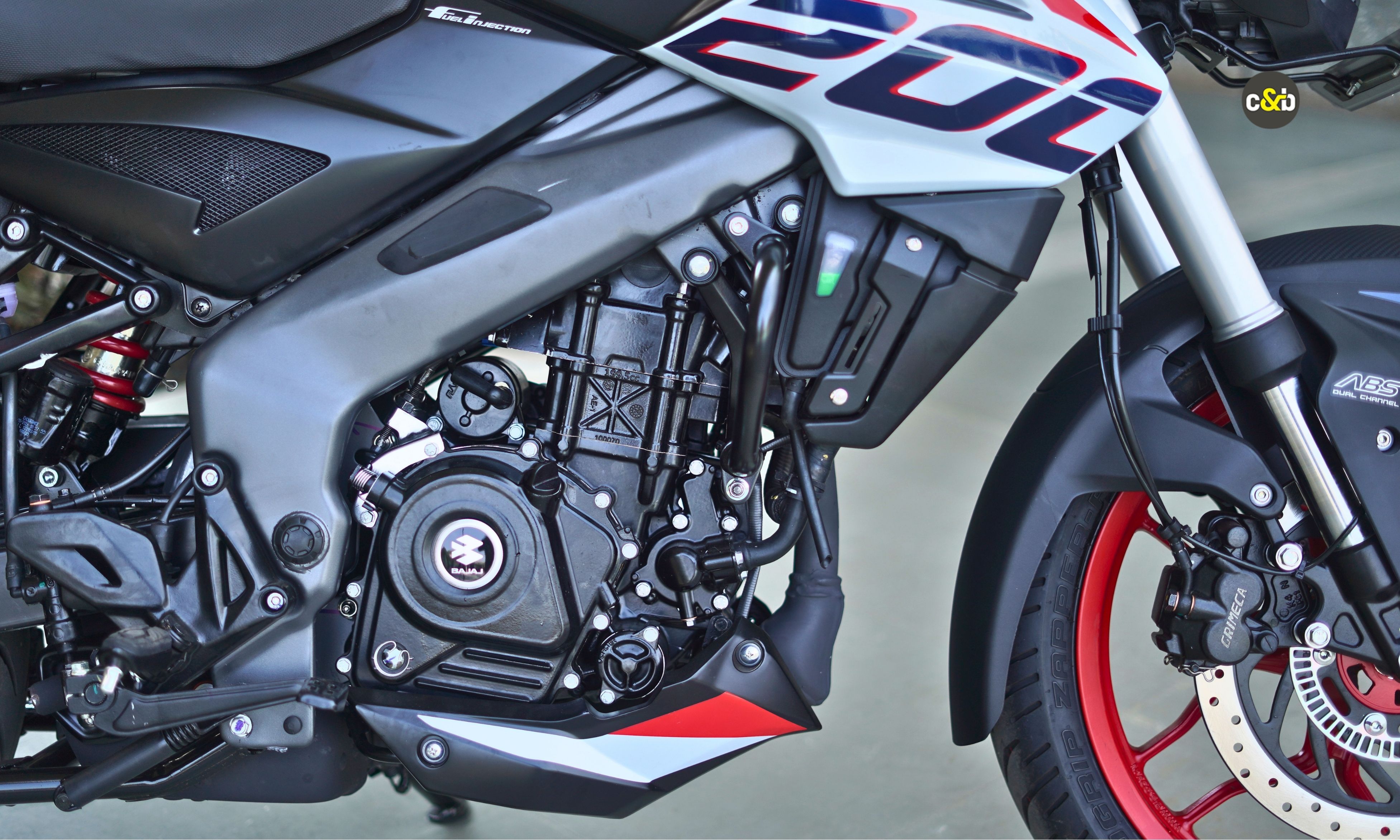
The NS200's performance has always been one of its strongest selling points, and thankfully, that hasn't changed.
The 199.5cc liquid-cooled engine delivers strong acceleration, and the motorcycle doesn't feel lacking for a 200cc machine. The increase of approximately 1 bhp is welcome on paper, but in the real world, it doesn't make a particularly significant difference to the overall performance.
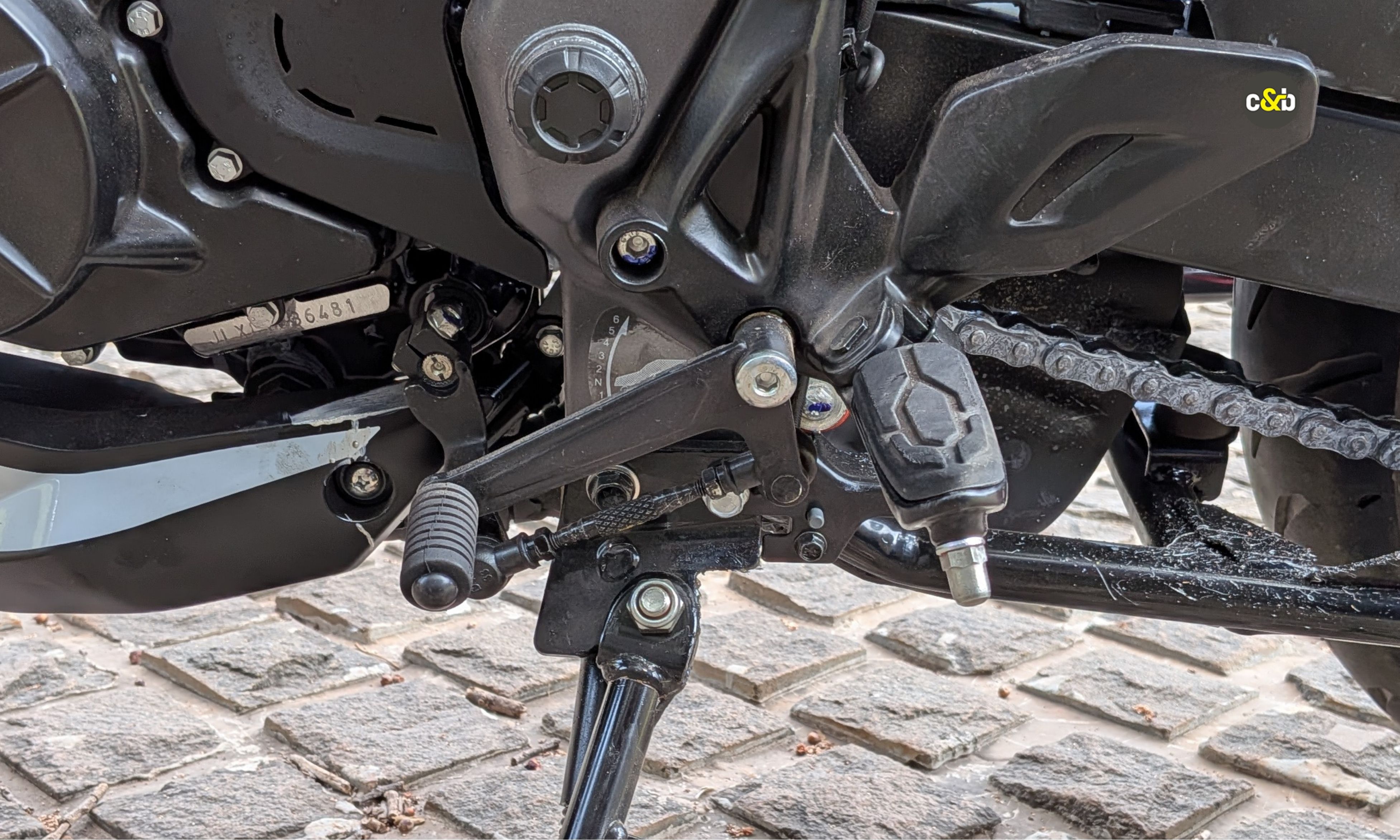
The brakes are good, providing reassuring stopping power, while the six-speed gearbox does its job well despite the slightly notchy feel. The Sport Shifter adds convenience, even if it isn't as sophisticated as a full-fledged quickshifter.
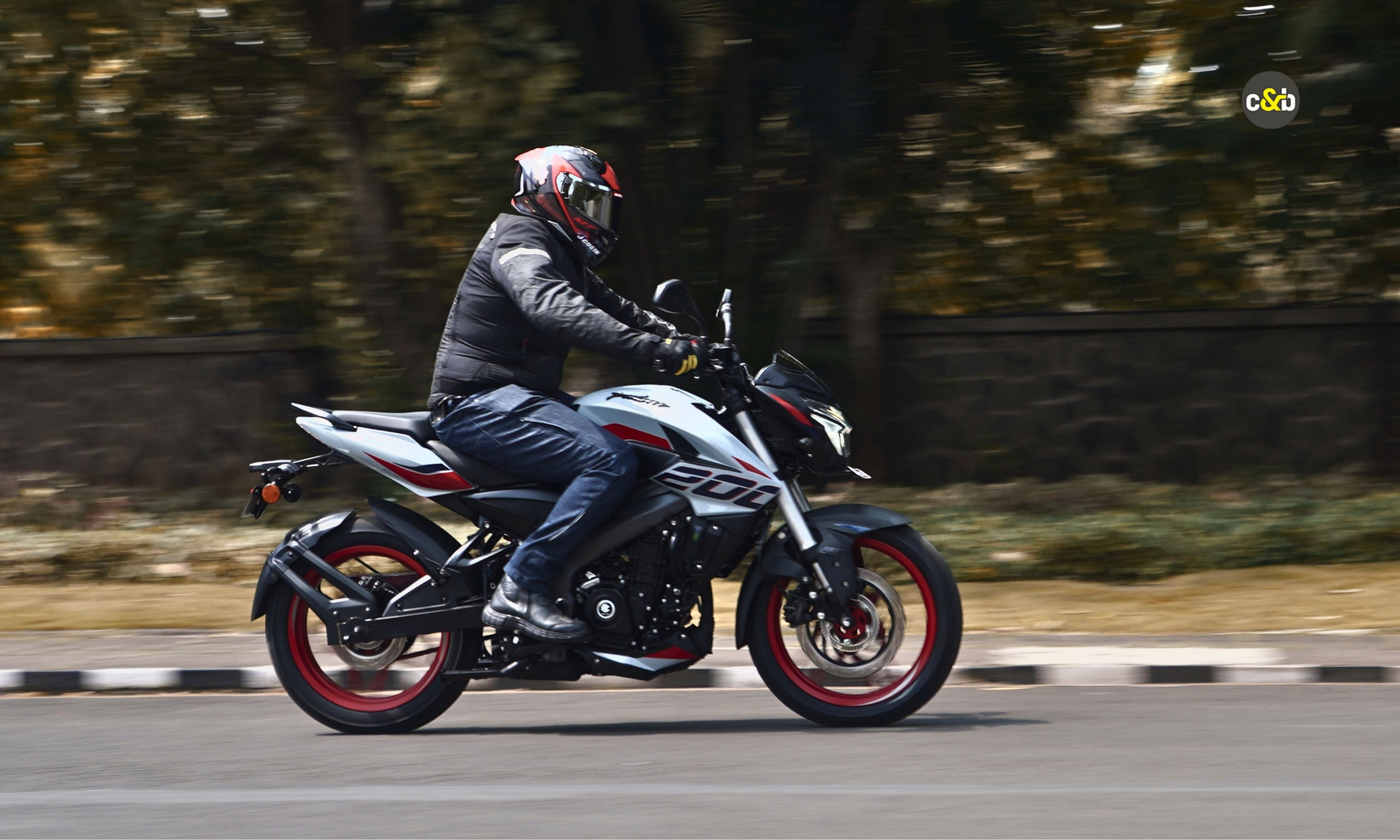
There is, however, one noticeable downside: vibrations. Once you cross approximately 85 kmph, a certain buzziness becomes apparent through the handlebar and the seat. It's not something that completely ruins the experience, but it does take away from the refinement, especially when you're riding faster for extended periods.
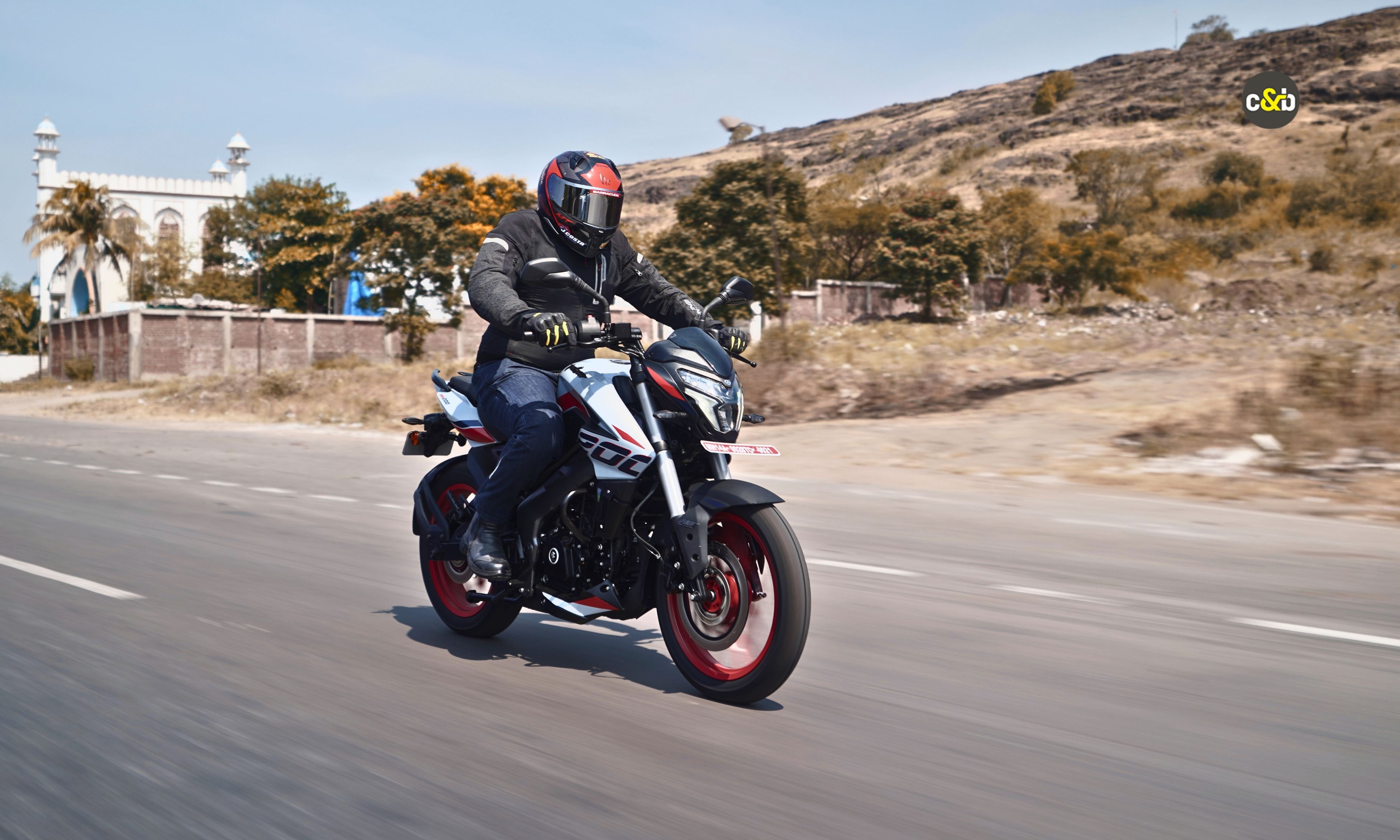
Ultimately, the NS200 still delivers the performance you'd expect from it. The extra power isn't transformative, but the engine remains engaging, the acceleration is strong and the overall package continues to work well.
Verdict
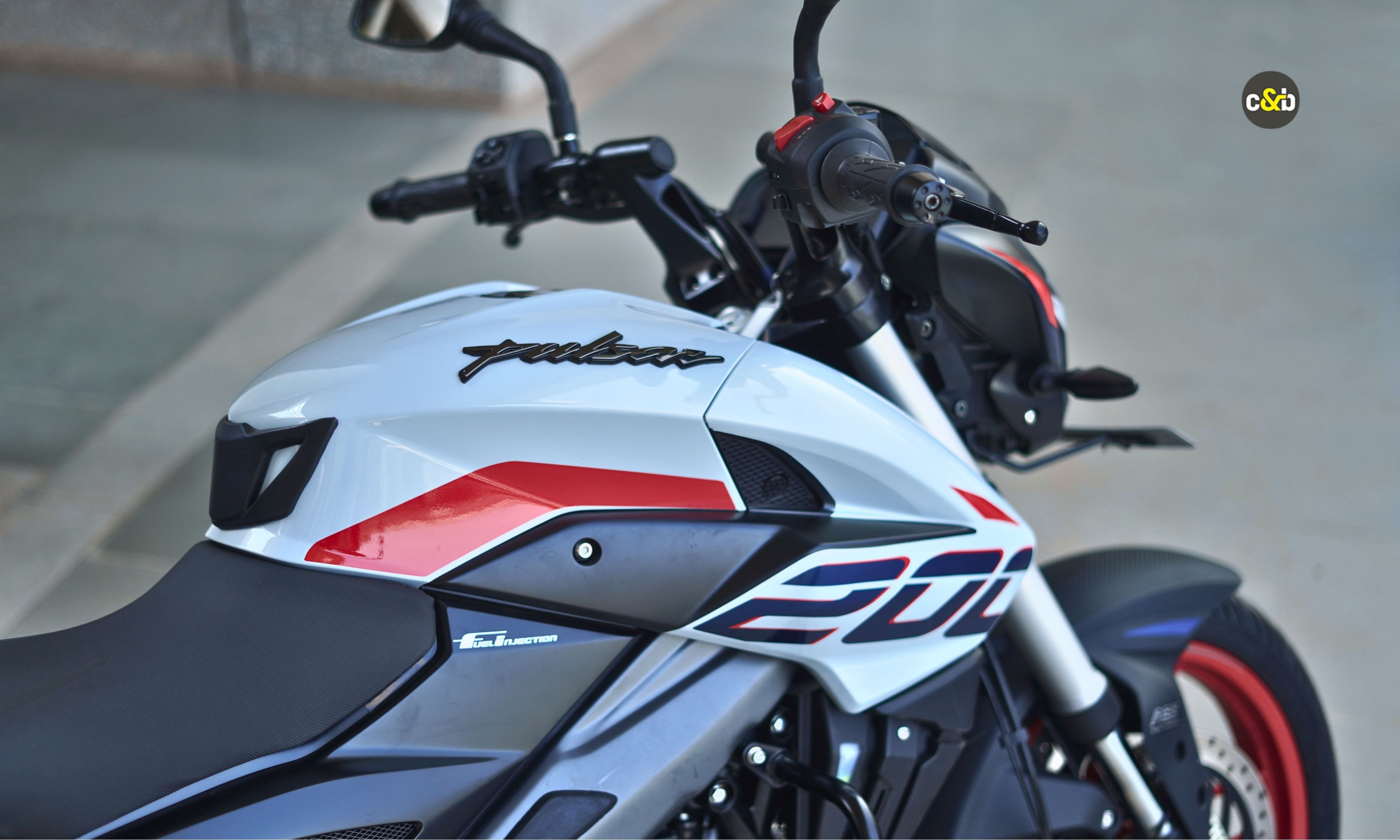
The updated Bajaj Pulsar NS200 feels like one last hurrah before an all-new generation arrives. The NS200 looks the part, accelerates strongly, brakes well and now comes loaded with technology that makes it feel more contemporary. The TFT console and ride modes are meaningful additions, while the Sport Shifter and traction control broaden its feature set.
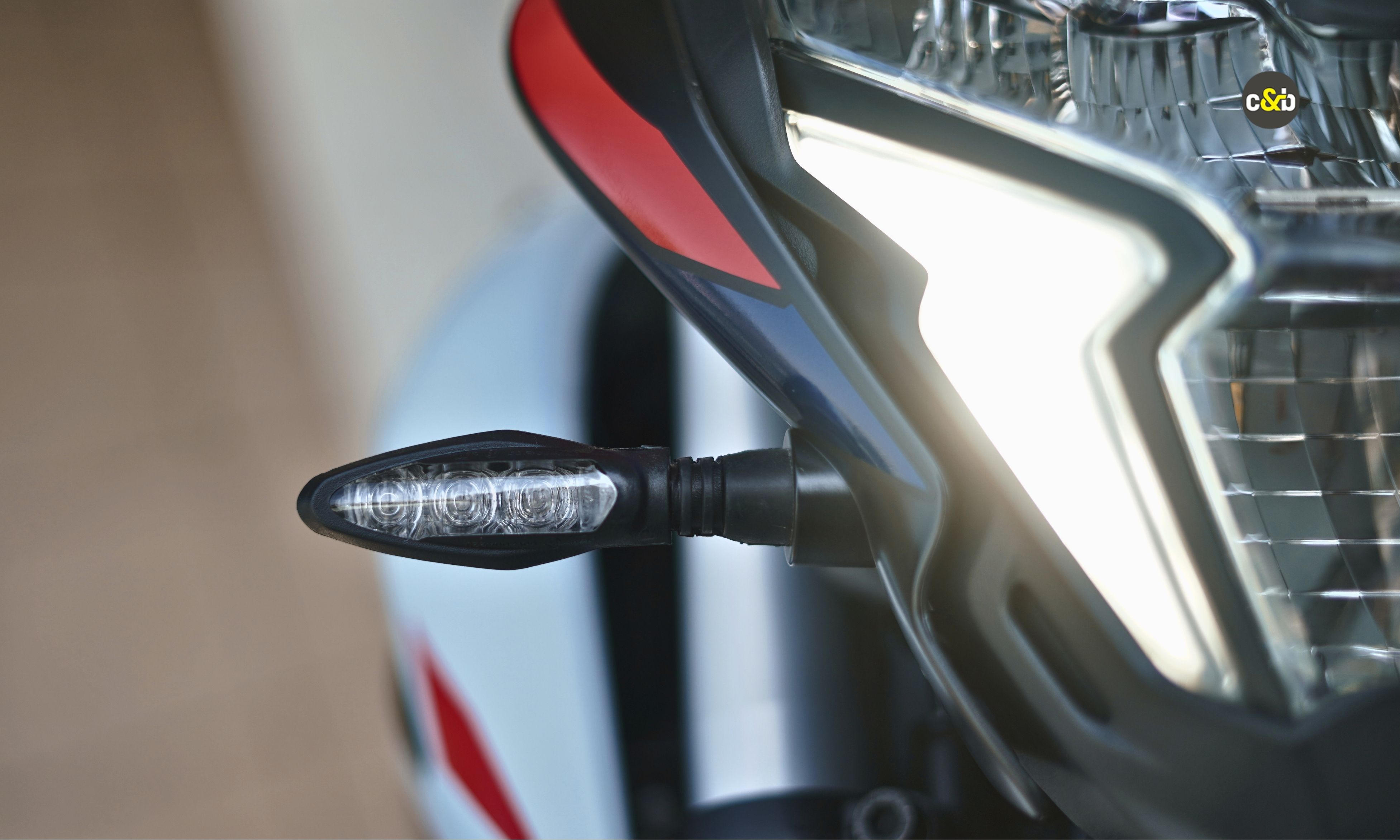
Priced at Rs. 1,60,374 (ex-showroom Delhi), the updated NS200 is reasonably priced considering the technology and performance on offer. However, it isn't necessarily the most value-for-money option in the segment, especially when the TVS Apache RTR 200 4V is available at a lower price. The Apache makes a strong case for itself if value for money is your primary consideration.
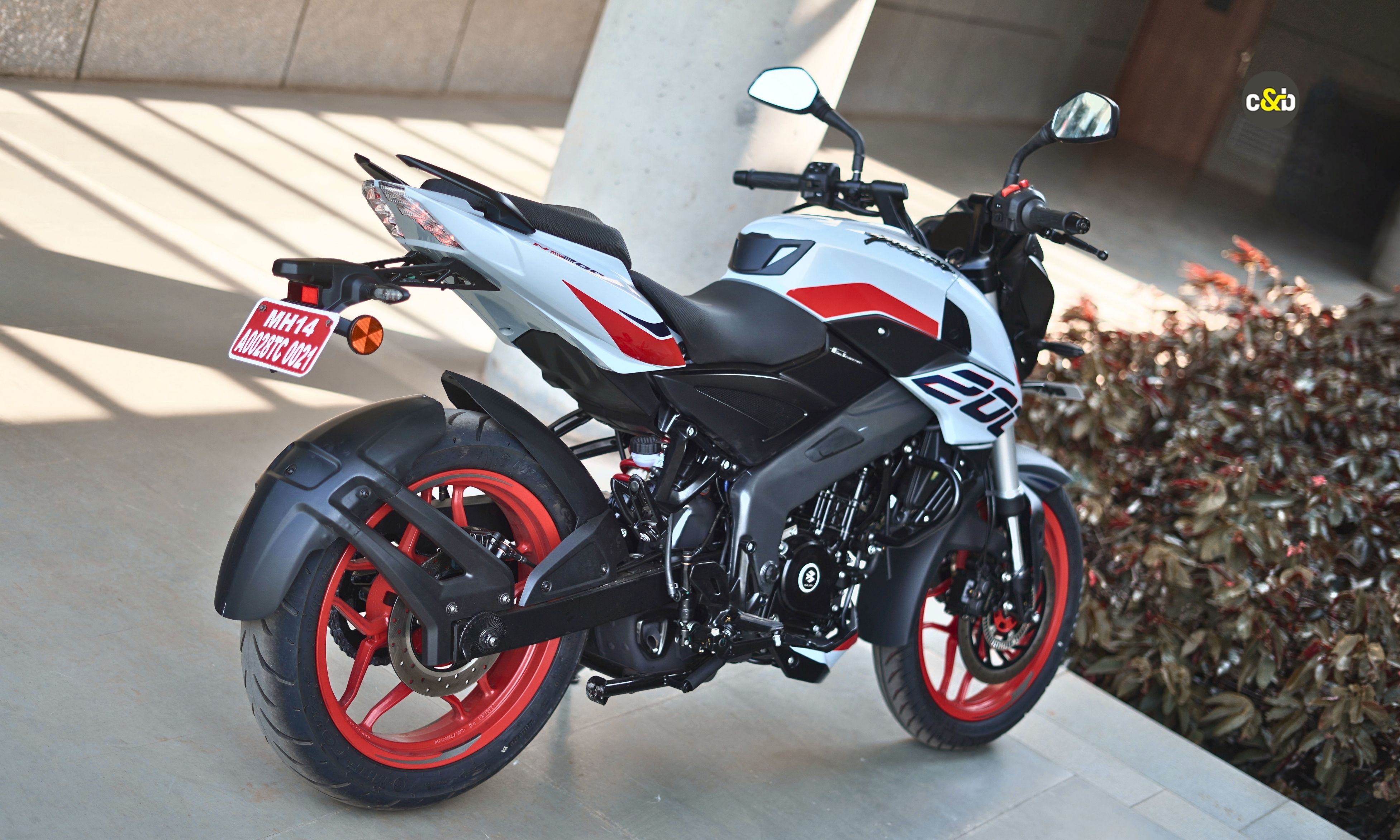
But let's also not forget the NS200's strong following. It has built its reputation on performance, attitude and accessibility, and those fundamentals remain intact.
So, if you've always wanted to own a Pulsar NS200, this latest version makes a compelling case for itself. It serves its purpose well until the next generation arrives.
Related News

Learn more about Bajaj Pulsar 200 NS


Popular Bajaj Models


Latest Cars


Upcoming Cars


Latest News


 car&bike Team | Nov 11, 2026RTI vs Zero Depreciation: Which Car Insurance Cover Pays More?Return to Invoice (RTI) covers the gap between your car's current IDV (Insured Declared Value) and the original invoice value in case of theft or total loss. Zero Depreciation reduces deductions on replaced parts during accident repairs.1 min read
 car&bike Team | Nov 11, 2026Engine Protection vs Zero Depreciation: What's The Difference?Zero Depreciation reduces your share of accident repair costs, while Engine Protection covers certain engine and gearbox damage caused by water ingress or oil leakage.1 min read
 car&bike Team | Nov 11, 20262027 Hyundai Creta Interior Spied For The First TimeThe next-generation Creta's cabin gets a complete overhaul with a larger screen, a new steering wheel and more.2 mins read
 Amaan Ahmed | Nov 11, 2026'Fun' In Focus: How Honda Is Building ADV 160, Rebel 300 At Its Oldest India PlantFrom rolling out the first Activa, Honda's Manesar facility -- which marked its 25th anniversary this year -- is now primed to build the company's most exciting new products in years.1 min read
 car&bike Team | Nov 11, 2026Genesis GV90 SUV Design Patented In IndiaThe Genesis GV90's design has been patented in India just months after its global debut.1 min read
 car&bike Team | Nov 10, 20263.3 kW Vs 7.2 kW Vs 11 kW EV Chargers: Which Do You Need?Choosing a home EV charger depends on your car, daily driving and home power supply. A 3.3 kW charger works for smaller EVs, while 7.2 kW suits most mid-size electric cars. An 11 kW charger is meant for larger EVs that support three-phase charging.1 min read