
Electric Vehicles In India; What The Future Holds

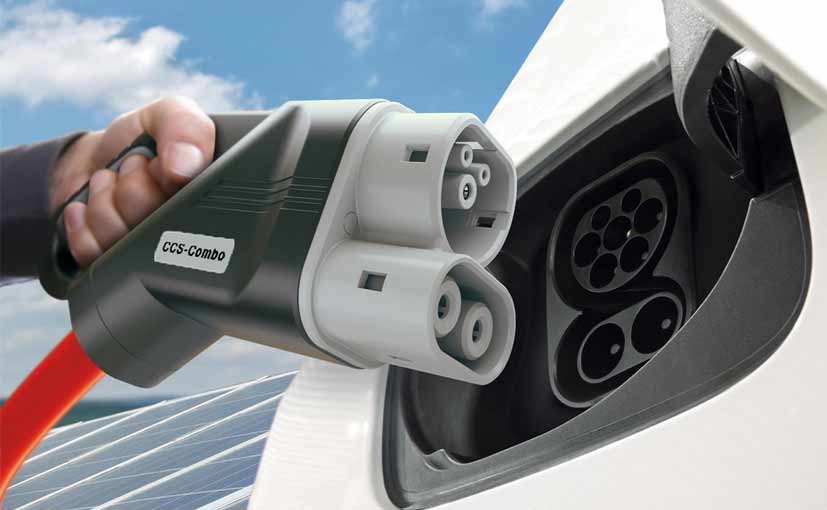
- Indian Govt. needs to develop a good charging infrastructure
- A good idea will be to involve private players
- 2,000 EVs were sold in India in 2017
The world is quickly adopting to electric vehicles and in the next couple of decades, EVs are going to be more mainstream than internal combustion vehicles. More automotive manufacturers are now devoting a rather large chunk of their resources towards the research and development of electric vehicles. This begs a question though! Where does India fit in the overall scheme of electric vehicles globally? The government of India had a plan of converting the entire fleet of vehicles to fully electric by 2030, which is barely 12 years away. But in January, 2018, it was sort of scrapped. If this actually happens, then India will be one of the largest markets for electric vehicles in the world, possibly only behind China.
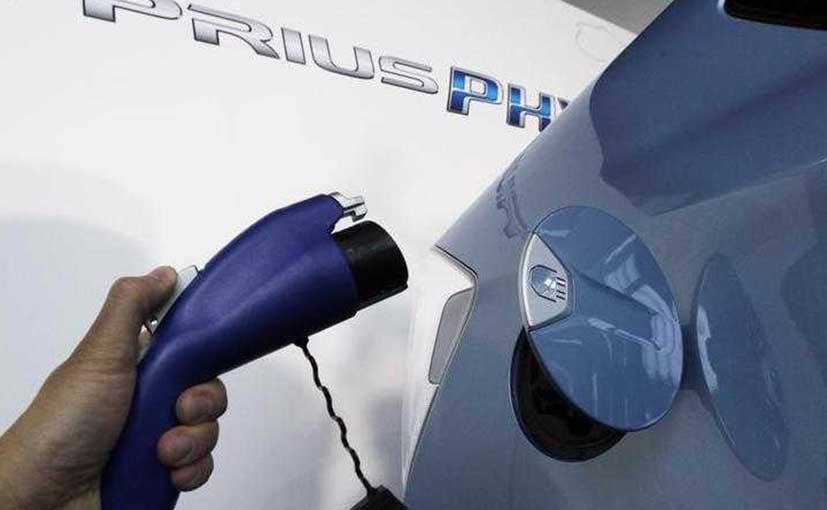 (India needs to develop a good charging infrastructure before EVs become mainstream)
But a recent report prepared by Bloomberg New Energy Finance has some doubts on India being a big player the EV market. One of the biggest reasons for this is the very low average vehicle prices in India. For example, if we talk globally, people in US, EU would not mind spending around $35,000 on a new car. That figure is about $15,000 for people who buy a new car in China. But India, the average price of a car is less than $10,000. And therefore, people will be looking to buy an electric vehicle only when the prices of EVs will fall in that range.
And therefore, the report by Bloomberg New Energy Finance (BNEF) says that India will have better progress on electric two-wheelers, rickshaws and electric buses over the next 10 years. The report believes that by 2040, EVs will constitute only 40 per cent of the total passenger vehicle fleet in India. At the end of 2017, there were just 6,000 highway capable electric cars plying on Indian roads, which is a minuscule number when compared to the overall numbers of total cars on Indian roads. The BNEF study says that the annual sales of EVs will reach 30,000 units in 2022 as opposed to 2,000 units in 2017. And if the sale of EVs grows as the study has predicted, they will constitute about 6.6 per cent of annual vehicle sales by 2030 and go up to 27 per cent by 2040. Also, by 2040, about 13 per cent of the passenger vehicles plying on Indian roads will be electric by 2040.
What the government needs to do
The government needs to implement significant subsidy schemes and put up mandates which will encourage car buyers to look at electric vehicles. The next most important thing is to develop a good network charging infrastructure across the country. A good idea will be to involve private players in this as well although that is easier said than done because factors such as unreliable electricity supply, lack of co-ordination between different government levels and lack of demand for EVs keep private players away from investing in charging infrastructure. Also, the state-owned utilities will need to invest in charging infrastructure as well although their financial health is not at par with state-owned electric utilities in other parts of the world.
Source: Bloomberg New Energy Finance Report; Electric Vehicle & Energy Outlook
Related News


Latest Cars


Upcoming Cars


Latest News


 Sarthak Mahajan | Aug 11, 2026PM E-Drive EV Subsidy Extended To March 2028; Incentive For E2Ws Cut To Rs 5,000Even with the extension, incentives for electric two-wheelers have been reduced to Rs 5,000 per vehicle.1 min read
 Jafar Rizvi | Aug 11, 2026Hero Splendor Off-Road Crossover Design Patented In IndiaTwo new design patents filed by the brand show motorcycles based on the commuter, with one appearing to draw heavily from the old Passion Pro TR's off-road-inspired styling.1 min read
 Sarthak Mahajan | Aug 11, 2026General Motors Pulls The Plug On Chevrolet In ChinaGeneral Motors’ Chevrolet brand exits the Chinese market after 21 years of operations.1 min read
 car&bike Team | Aug 11, 2026Ethanol Blended Diesel Does Not Meet Existing Diesel Flash Point Safety StandardsMinister of State for Petroleum and Natural Gas Suresh Gopi told Parliament that the blending of ethanol in diesel reduced the fuel’s flash point to below that of standard diesel.1 min read
 Sarthak Mahajan | Aug 11, 2026New Mahindra BE 6 Sporteq Variant Teased Ahead Of Aug 15 DebutMahindra Electric Origin SUV family will grow soon with the arrival of a new variant of the BE 6, named the BE 6 Sporteq.2 mins read
 Sarthak Mahajan | Aug 10, 2026Top 5 Major Feature Updates On The New Mahindra Scorpio-NMahindra recently launched the updated Scorpio-N. Here are the top five features to look out for.1 min read
 Seshan Vijayraghvan | Aug 11, 20262026 Nissan Tekton 700 km Review: Can It Conquer The Himalayas?We drove the newly launched Nissan Tekton from Chandigarh all the way up to Leh, covering over 700 km with the new SUV. From exploring the Tekton’s capabilities in the Himalayas to setting an India Book Record, here’s how the trip unfolded.1 min read
 Preetam Bora | Aug 11, 20262026 Aprilia Tuono 457 Special Edition First Ride Review: Should You Buy It?The 2026 Aprilia Tuono 457 delivers an engaging, everyday riding experience with strong performance. At its price point, the Tuono 457 is a brilliant motorcycle, but not quite the complete package. Why is that, and should you still buy it? Read on.8 mins read
 Bilal Firfiray | Aug 1, 2026Toyota Hilux Review: The InvincibleMarking it as the ninth generation, the Hilux comes with a major cosmetic overhaul. But is it still relevant enough for the current times or is it getting too long in the tooth?5 mins read
 Bilal Firfiray | Jul 30, 2026Kia Syros EV Review: Best EV To Buy Under Rs 20 Lakh?The Kia Syros EV comes into the game with a modern design, spacious cabin, strong performance, decent range and an aggressive pricing. But could it become the new benchmark under Rs 20 lakh?5 mins read
 Jaiveer Mehra | Jul 27, 20262026 Maruti Suzuki Brezza Facelift Review: Bestseller Joins The Turbo ClubWhile Maruti’s facelifts have always tended to bring subtle updates over the outgoing models, the latest Brezza brings some heavy updates under the skin, including a new 6-speed manual gearbox and, for the first time, a turbocharged petrol engine option.1 min read