
Buying A New Car: Full Payment vs EMIs – Which Is Smarter For Your Money?

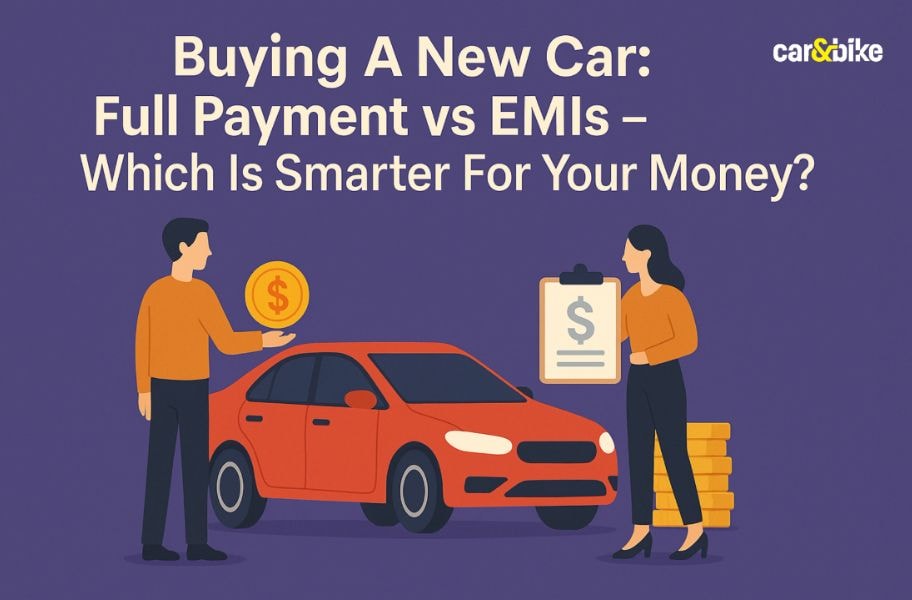
- Full payment has certain benefits like lowering the car’s total cost and less paperwork.
- EMIs help build a positive credit score which can be beneficial for future loans.
- Choosing between full payment and EMIs depends on your income, savings, future plans, and spending habits.
Buying a car in India in 2025 is a major financial decision, whether you’re considering a mass-market offering or a luxury model. The big question is: should you pay the full amount upfront or choose the flexibility of EMIs? With rising car prices and more financing options than ever, this choice has become increasingly complex. In this article, we break down the pros and cons of both approaches, compare real-world costs, and examine how liquidity and smart financial planning should guide your decision.
Also Read: How Four-Wheeler Insurance Policies Differ for New vs. Used Cars?
Decoding the Pros & Cons: Full Payment vs EMIs
Full Payment (Cash Purchase)
Pros
(a.) Saves money on loan repayments, lowering the car’s total cost.
(b.) Full ownership from day one allows resale and modifications, giving peace of mind.
(c.) Hassle-free ownership with no monthly financial commitments.
(d.) Less paperwork compared to buying with a loan.
Cons
(a.) Requires a large upfront payment, depleting savings.
(b.) Reduces liquidity, leaving you less prepared for emergencies or investments.
(c.) Outright purchase misses the chance to build your credit score for future loans.
(d.) The money could have been invested elsewhere for higher returns.
Also Read: IBB Report 2023: Different Types Of Used Car Business Models In India
EMIs (Car Loan)
Pros
(a.) Lower upfront cash flow helps maintain liquidity for other needs or investments.
(b.) Makes car ownership possible without waiting to accumulate the full amount.
(c.) Timely EMI payments can help build a positive credit history.
Cons
(a.) The overall expense increases because of added interest and processing fees.
(b.) The car is pledged to the lender until the loan is fully repaid.
(c.) Monthly EMI payments can put pressure on your budget, especially if your income fluctuates.
Shift In Consumer Preferences Post COVID-19
Since the pandemic, Indian buyers have become much more careful with their money. Even people who can afford to pay for a car upfront now often choose EMIs, wanting to keep their savings intact. The uncertainty during COVID-19 made everyone think twice about spending all their cash at once.
There’s also been a big jump in demand for personal vehicles, as people became more concerned about health and safety. This has boosted sales of both new and used cars.
Buying a car in India has changed a lot, too. Thanks to digitalisation, more people are doing their homework online—and many are even buying cars through websites, valuing the ease and transparency this brings.
The used car market is thriving as well. Many folks who bought new cars right after the pandemic are now looking to upgrade, so there are plenty of well-maintained used cars available.
Luxury cars and SUVs are selling better than ever, showing that people’s aspirations—and their spending power—are rising. Still, the main trend is clear: buyers want financial flexibility and are keen to maintain liquidity.
Let’s understand this with a real-life example:
Assume that you want to buy a car worth on-road Rs 11 lakh (including insurance, RTO, etc.).
Now, your total outflow is Rs 11 lakh while the interest saved is 100 per cent (no interest paid). That leads to your bank account immediately reducing by Rs 11 lakh. If you invest that Rs 11 lakh (instead of paying outright) in a SIP at a 12 per cent rate of return, you could earn over Rs 2 lakh or Rs 2.5 lakh in 5 years.
Let’s now consider you opt for an EMI for 5 years at a 10 per cent rate of interest. Your down payment is Rs 1.5 lakh, leading to a loan amount of Rs 9.5 lakh. The EMI will come to around Rs 20,150 per month and the total EMI to be paid will be Rs 12.09 lakh. This will take the total cost up to Rs 13.59 lakh (including the down payment). It means the extra cost over outright purchase is Rs 2.59 lakh (interest and charges).
How Liquidity Impacts Financial Freedom And Decision-making
Liquidity is basically about how quickly you can turn your assets into cash without losing much value. When it comes to buying a car, it’s the difference between locking up a big chunk of your money in a car—which loses value over time—or keeping your funds handy for whatever life throws at you.
Why does this matter? Here’s how it plays out in real life:
- Emergency Ready: Having cash set aside helps you handle surprises like medical bills or job loss without needing costly loans.
- Seize Opportunities: Liquid funds let you act quickly on investments or business chances that may offer better returns than paying off a car loan early.
- Less Stress: A financial cushion means you’re not living paycheck to EMI, giving you more control and peace of mind.
- Flexible for Goals: Keeping money accessible ensures big plans like education, a home, or travel aren’t delayed by a car purchase.
- Debt-Free vs. Smart Debt: Sometimes, taking a reasonable car loan helps you keep cash for bigger opportunities, balancing your finances overall.
Conclusion
Paying in full or opting for EMIs isn’t just about what you can afford — it’s about what fits your financial outlook. A lump sum payment brings peace of mind and no monthly obligations, while EMIs keep your savings intact and can work better if you're confident in managing your money elsewhere.
There’s no one-size-fits-all answer. It depends on your income, savings, spending habits, and future plans. What matters most is making a choice that gives you control — over both your car and your finances.
– By Rohit Shah
Related News




Latest Cars


Upcoming Cars


Latest News


 car&bike Team | Jun 24, 2026Kawasaki KLX230 Gets Dearer For MY2027; Price Increased By Rs 35,000The MY2027 Kawasaki KLX230 arrives with a significant price hike, but no mechanical or cosmetic changes over the outgoing model.1 min read
 Seshan Vijayraghvan | Jun 24, 2026Renault Kiger Variants Updated; New Evolution+ Trim Brings Auto AC, Wireless Smartphone Connectivity For Rs. 6.99 LakhIn addition to the new Evolution+ trim, Renault has also made the turbo petrol engine more accessible with the launch of Techno MT Turbo at Rs. 7.89 lakh.1 min read
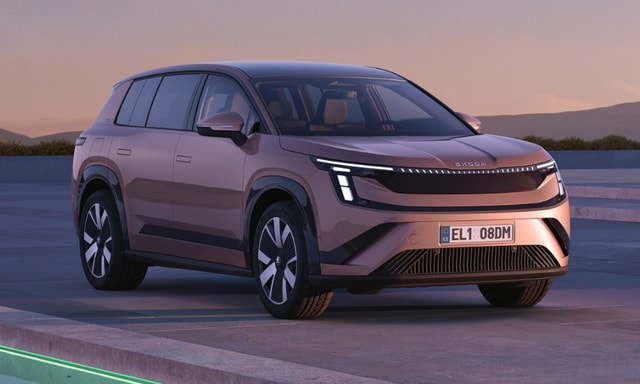 Jaiveer Mehra | Jun 24, 2026Skoda Peaq Electric SUV Revealed: Skoda’s Largest SUV Seats 7, Offers 640 km RangeThe Peaq measures nearly 4.9 metres long and is offered in five- and seven-seater configurations and with rear and all-wheel drive options.1 min read
 car&bike Team | Jun 23, 2026Hero MotoSports Completes 10 Years; Signs 18-Year-Old For Dakar ProgrammeHero MotoCorp marked 10 years of its global rally-raid programme and announced a Dakar talent programme, signing on 18-year-old supercross sensation Shlok Ghorpade.1 min read
 car&bike Team | Jun 23, 2026Citroen Aircross Comfort Edition Launched; Prices Start At Rs. 9.09 LakhThe Citroen Aircross Comfort Edition will be offered in three variants - You, Plus, Plus Turbo 7S - and they are priced between Rs. 9.09 lakh and Rs. 11.99 lakh (ex-showroom).2 mins read
 Jaiveer Mehra | Jun 23, 2026Xiaomi YU7 GT Sets First-Ever Driverless Car Lap Record At NurburgringXiaomi’s performance electric SUV complete a 20.8 km circuit of the Nordschleife in 10:29.483 without a driver behind the wheel.1 min read
 Preetam Bora | Jun 15, 20262026 Yezdi Scrambler Review: The Update That Changes EverythingThe Yezdi Scrambler gets a comprehensive update with an updated engine, revised chassis, reduced weight and proper features list. Does it deliver? Here’s our take.10 mins read
 Preetam Bora | Jun 10, 20262026 BMW F 450 GS Review: A True GS - But Should You Buy It?The GS badge on a BMW means something and always has. Can the new made-in-India BMW F 450 GS truly live up to that legacy? We spent a few days getting familiar with the F 450 GS to see if it’s worth a buy.12 mins read
 Jaiveer Mehra | Jun 10, 20262026 Tata Altroz Long-Term Review: Initial Impressions After 45 DaysTata’s premium hatchback brings a lot to the table, but some rough edges are still apparent.4 mins read
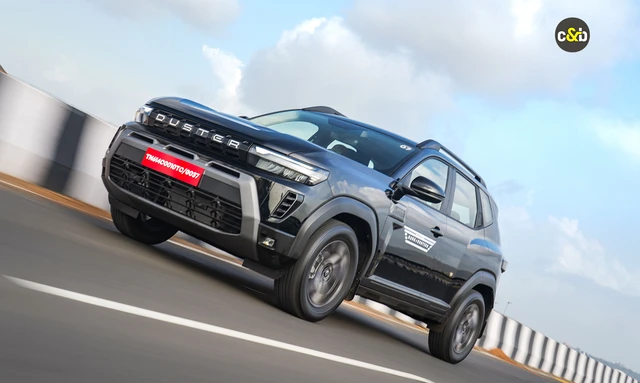 Seshan Vijayraghvan | Jun 9, 2026Renault Duster 1.0-Litre Turbo Review: Small Engine, More Than Enough PerformanceThe Renault Duster's TCe100 engine is the 1.0-litre turbo petrol that makes 99 bhp and 166 Nm of peak torque. And it only comes with a 6-speed manual.6 mins read
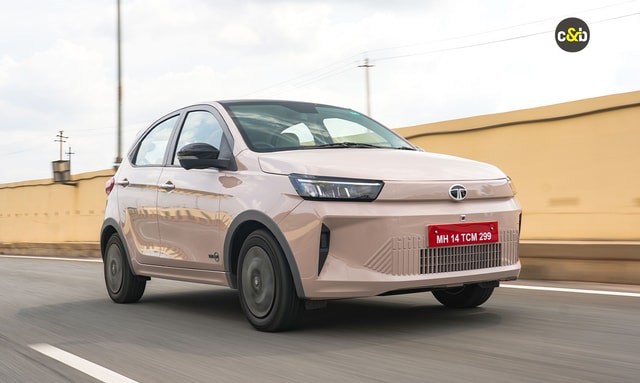 Seshan Vijayraghvan | Jun 8, 20262026 Tata Tiago EV Review: Small EV Gets Big ImprovementsThe 2026 Tata Tiago EV promises a sharper design, segment-first features at sub-Rs. 10 lakh price point, and better real-world range. But does it deliver?1 min read