
New Nissan Leaf Gets Embroiled In 'Rapidgate' Electric Charging Scandal

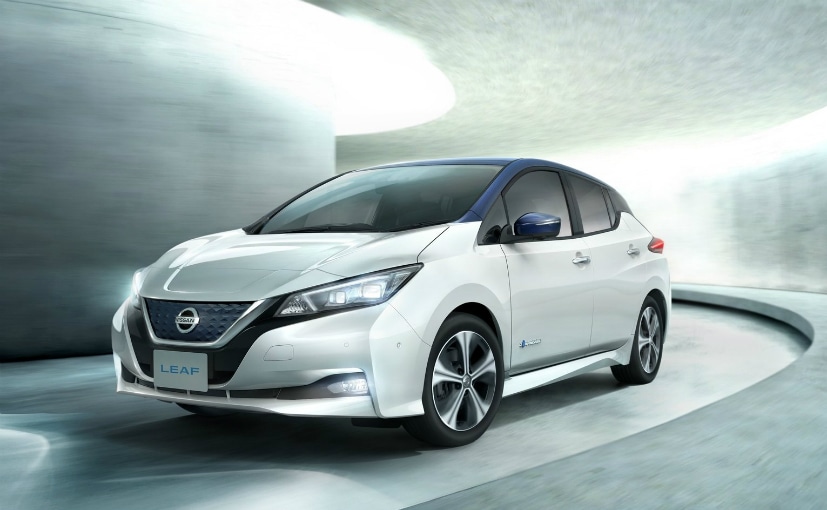
- The Nissan Leaf is currently in its second generation
- The new Leaf is expected to make it to India soon
- The Leaf will soon get a more powerful battery pack, more range
The New Nissan Leaf was launched last year and has already received quite a bit of praise from all over the world. An affordable all-electric offering, the Nissan Leaf is available in multiple variants, all fitted with a 40 kWh battery that offers 378 kms of range. While the more powerful version gets a standard DC quick charger fitted, for the lower powered version, the DC quick charger can be added as an optional extra. The DC quick charger can charge the battery up from zero to 80 per cent in just over half an hour, making longer trips possible. However, according to new information that has come to light, it seems that the number of times the Nissan Leaf's battery can undergo a quick charge in a short amount of time is restricted by the Japanese automaker. This issue has now officially been christened 'Rapidgate'.
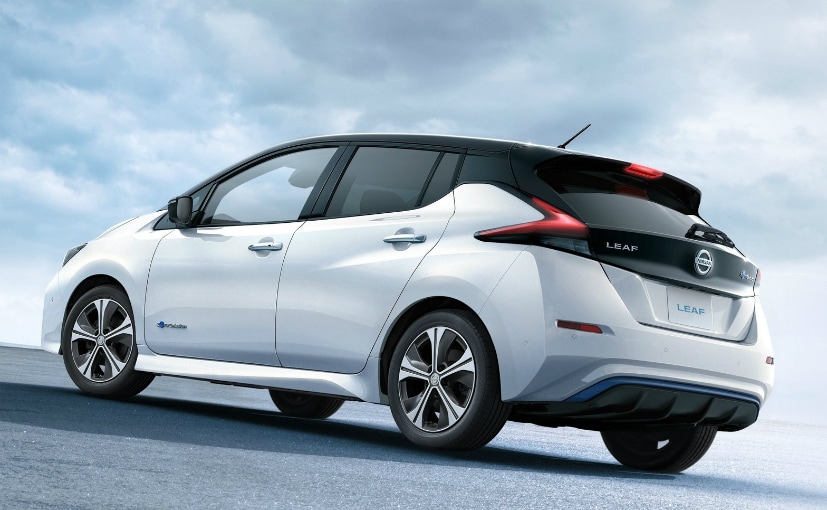
(2018 Nissan Leaf)
While a battery can take on a certain number of charge cycles with a regular charge or AC procedure, constantly using the DC charger has shown a considerable degradation in battery life across all battery packs available globally. To conserve the battery, According to reports, if used more than twice in the same day, the Nissan quick charger throttles the charge capacity of the battery by almost up to 50 per cent in cases. While this might not be an issue for the normal user who drives less than 50 kms a day and does not need to quick charge all the time, longer trips can be slightly difficult. Apparently, the reason behind the slower quick charge times and lower charge capacities taken on during the quick charge is an inbuilt feature that Nissan says is there so as to conserve battery life.
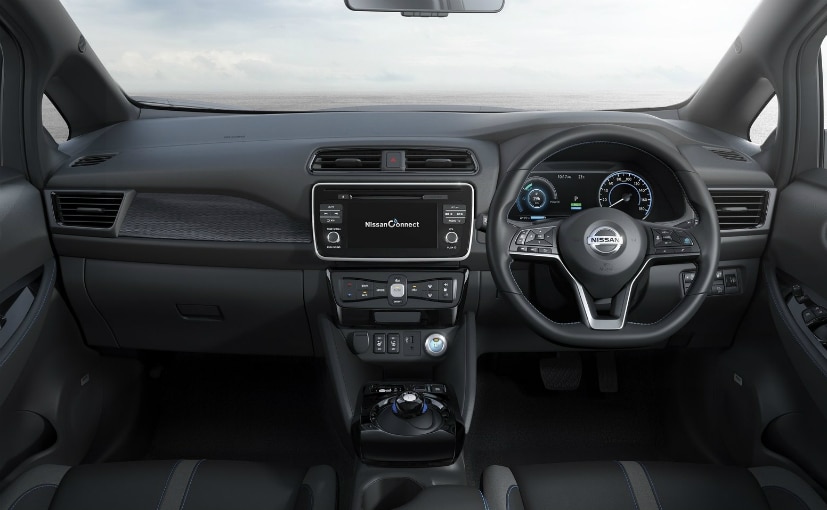
(2018 Nissan Leaf Interior)
The first generation Nissan Leaf was notorious for battery degradation issues earlier than manufacturer suggested timelines. In order to make sure the gen 2 Leaf does not have the same issue, Nissan has put these safeguards in place, which in turn has resulted in what is now called the 'Rapidgate' scandal. The Nissan Leaf gen 2 has also has another issue - a battery pack that seems to heat up more than expected in case of extended use. This is because the Nissan Leaf still uses an air cooled method to cool its battery pack as compared to other electric cars that use a liquid cooled application.
(2018 Nissan Leaf Badge)
Although these issues do plague the Nissan Leaf in its new generation currently, these are only under extreme cases of use and will not affect the 99 per cent of users who use the car in the city or on the highway with limited mileage runs each day. That said, in order to improve the performance of the car and offer a Leaf for the electric car buyer who needs even more range, Nissan will offer an even more powerful 60 kWh battery and considerably more range as compared to the 40 kWh battery available. This new variant will also get a liquid cooled battery pack, which in turn will help reduce degradation. And to top it off, it will have even more range than the car currently gets.
Related News


Latest Cars


Upcoming Cars


Latest News


 car&bike Team | Jul 31, 2026TVS Raider Doctor Doom Edition Launched At Rs 95,320TVS has expanded its Marvel-inspired Raider 125 Super Squad lineup with a new Doctor Doom Edition.2 mins read
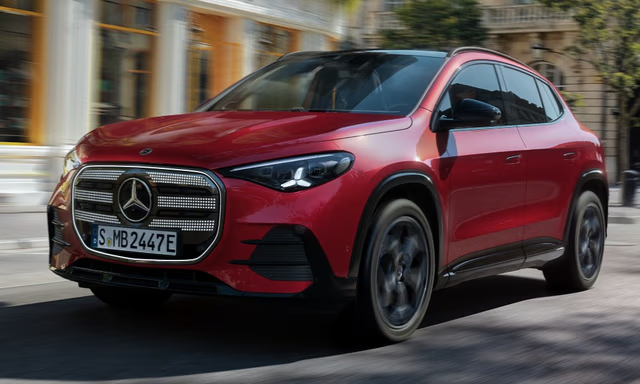 Jaiveer Mehra | Jul 31, 2026Third-Gen Mercedes-Benz GLA Debuts With Internal Combustion, Electric Powertrains; EV Offers Over 600 Km RangeUnlike the new CLA and GLB, the GLA’s styling draws inspiration from the new GLC EV.1 min read
 car&bike Team | Jul 30, 2026Maruti Suzuki's Hansalpur Plant Hits 10 Lakh Annual Production Capacity; First For Suzuki GloballyWith production beginning at its fourth plant, the Hansalpur facility can now build one million cars a year, making it the largest passenger vehicle manufacturing site at a single location in India.1 min read
 Amaan Ahmed | Jul 30, 2026Made-In-India Honda Rebel 500 Set To Wear Sub-Rs 4 Lakh Price TagRegional BigWing dealer websites incorrectly listed a price of Rs 5.50 lakh for the Rebel 500, but that's not the price at which the locally-built model will be launched.1 min read
 Janak Sorap | Jul 30, 2026Yezdi Adventure Gets Tubeless Spoke Wheels; Scrambler, Roadster Receive New ColoursYezdi has updated its motorcycle lineup with tubeless spoke wheels for the Adventure and fresh colour options for the Roadster and Scrambler.1 min read
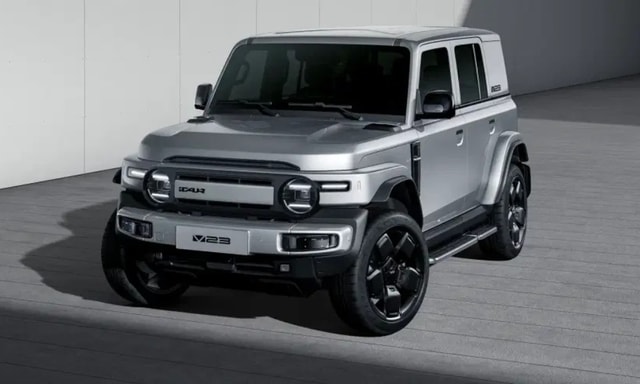 car&bike Team | Jul 30, 2026JSW Motor To Offer AWD Option on Chery iCar V23-Based SUVTest mules of the electric SUV have been spotted testing in India on multiple occasions.1 min read
 Bilal Firfiray | Jul 30, 2026Kia Syros EV Review: Best EV To Buy Under Rs 20 Lakh?The Kia Syros EV comes into the game with a modern design, spacious cabin, strong performance, decent range and an aggressive pricing. But could it become the new benchmark under Rs 20 lakh?5 mins read
 Jaiveer Mehra | Jul 27, 20262026 Maruti Suzuki Brezza Facelift Review: Bestseller Joins The Turbo ClubWhile Maruti’s facelifts have always tended to bring subtle updates over the outgoing models, the latest Brezza brings some heavy updates under the skin, including a new 6-speed manual gearbox and, for the first time, a turbocharged petrol engine option.1 min read
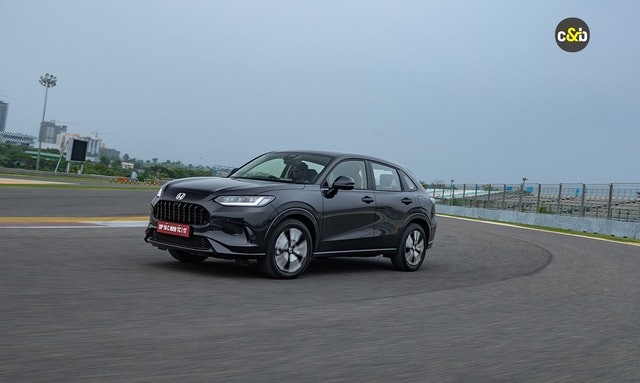 Bilal Firfiray | Jul 24, 2026Honda ZR-V Review: Who Is It For?Honda has brought the new ZR-V to India as their current flagship offering. It’s a CBU, it’s a hybrid, and it’s here for a limited few. Who is it for though?1 min read
 Girish Karkera | Jul 29, 2026Mercedes-AMG E53 4MATIC+ PHEV First Drive Review: Just What The Doctor OrderedThere are luxury cars and there are high-performance cars. But what if you want both for the price of one? Mercedes-Benz has a recommendation that promises to tread a fine line between the two – the second generation E53 with a twist.7 mins read
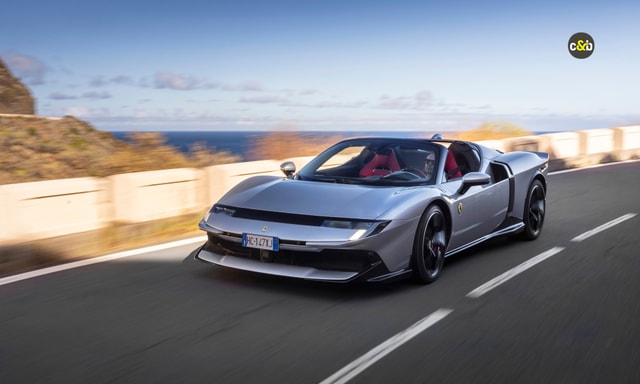 Shams Raza Naqvi | Jul 15, 2026Ferrari 849 Testarossa Spider Driven: Rs. 11.25 Crore Meets 1,000 bhpWe got behind the wheel of the most powerful convertible from Ferrari. What makes the 849 Testarossa Spider Special? We tell you.1 min read