
Engine Protection vs Zero Depreciation: What's The Difference?


- Zero Depreciation covers depreciation costs on replaced parts after an accident.
- Engine Protection covers specific engine and gearbox damage, including water ingress and oil leakage.
- Both are optional add-ons and can be purchased together with a comprehensive policy.
Car repairs can get expensive, even when you have a comprehensive insurance policy. A minor accident could leave you with a hefty bill for replacing a bumper or other body parts. And if water enters the engine during the monsoon, the repair costs can be much higher.
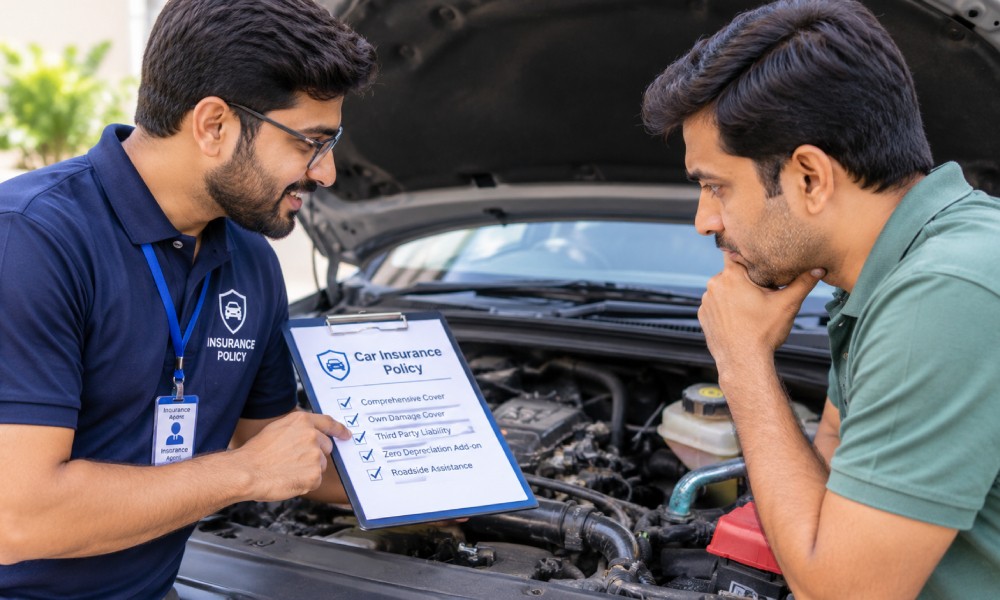
This is where add-ons like Zero Depreciation and Engine Protection come in. Both offer extra cover, but they work in different ways. One helps reduce the cost of replacing damaged parts, while the other protects against certain types of internal engine damage. Let's look at how they differ and which one makes more sense for your car.
Engine Protection vs Zero Depreciation: Key Differences
Both add-ons help reduce your repair expenses, but they cover different parts of your vehicle and different types of damage.
| Feature | Zero Depreciation | Engine Protection |
| What it covers | External body parts and components | Internal engine and gearbox components |
| Type of damage | Accidental damage covered by the policy | Water entering the engine, oil leakage and related damage |
| Main benefit | Reduces depreciation deductions on replaced parts | Covers eligible engine repair or replacement costs |
| Common examples | Bumper, plastic parts, metal panels and fibre components | Engine block, pistons, crankshaft and gearbox |
| Vehicle age | Usually available for cars up to 5 years old, depending on the insurer | Generally available for newer vehicles, subject to insurer rules |
| Cost | Usually costs more than basic add-ons | Often costs less than Zero Depreciation |
Coverage, age limits and premiums vary between insurers. Always check the policy wording before buying an add-on.
What Is Zero Depreciation Cover?
When you make a car insurance claim, the insurer usually deducts depreciation from the cost of replaced parts. This means you have to pay a part of the repair bill yourself, even if the damage is covered by your policy.
Zero Depreciation cover reduces or removes this deduction on eligible parts. It is also called Nil Depreciation or Bumper-to-Bumper cover.
For example: Imagine your car meets with an accident and the bumper needs to be replaced. If the new bumper costs Rs. 10,000, the insurer may deduct depreciation before settling the claim. With Zero Depreciation cover, that deduction is waived for the eligible part.
You still have to pay applicable deductibles and any expenses not covered by the policy, such as certain consumables.
What does Zero Depreciation cover?
It generally applies to eligible parts such as:
- Plastic and rubber components
- Fibre parts
- Metal body panels
- Certain other parts replaced after an insured accident
The exact coverage depends on the insurer and policy terms.
Who should consider it?
Zero Depreciation is useful if you own a new car, drive regularly in busy city traffic or have a vehicle with expensive body parts. Small accidents can lead to surprisingly high repair bills, and this cover can reduce what you pay from your own pocket.
What Is Engine Protection Cover?
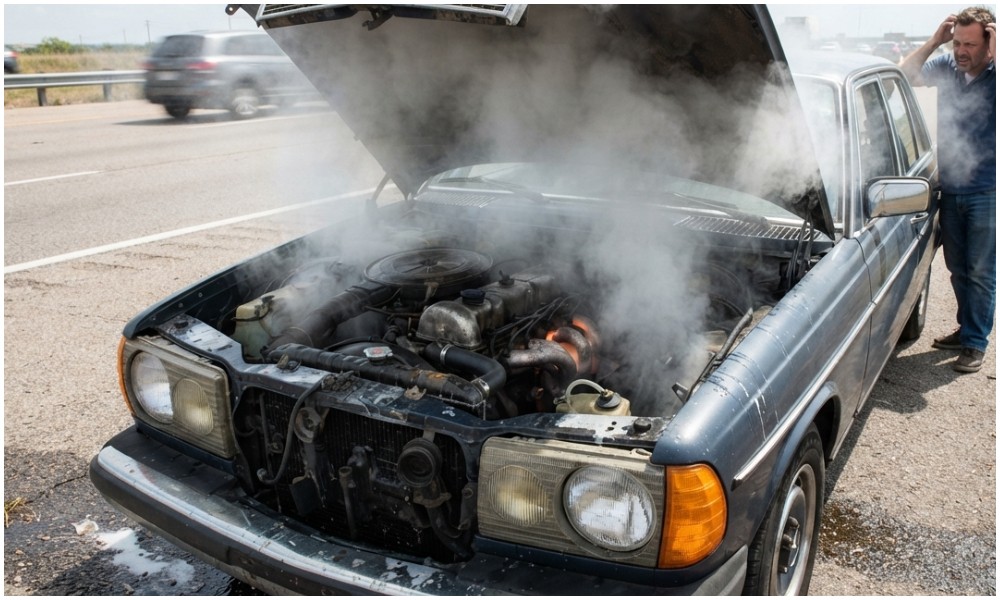
Engine Protection covers certain types of engine and gearbox damage that a standard comprehensive policy may not cover.
A regular policy generally covers accidental damage, but it may not pay for engine damage caused by water entering the engine or oil leakage. This is where Engine Protection can help.
For example: Imagine you drive through a waterlogged road during the monsoon. Water enters the engine and causes a condition called hydrostatic lock. The engine may stop working, and the repair bill can run into thousands of rupees.
Without Engine Protection, you may have to pay for these repairs yourself. With the add-on, the insurer can cover eligible expenses, subject to the policy terms.
What does Engine Protection cover?
Depending on the insurer, it may cover:
- Engine damage caused by water entering the engine
- Damage due to hydrostatic lock
- Internal engine damage caused by oil leakage
- Damage to eligible gearbox components
It is important to remember that Engine Protection does not cover every engine problem. Regular wear and tear, mechanical breakdown due to poor maintenance and damage caused by negligence may still be excluded.
Who should consider it?
This cover is worth considering if you drive through waterlogged roads, live in a flood-prone area or own a car with expensive engine and gearbox components. It can also help if your daily route includes rough roads where the underbody is more exposed to damage.
Zero Depreciation vs Engine Protection: Which One Should You Choose?
The choice depends on the kind of risk you want to protect yourself against. If you are more worried about accident-related repair bills, Zero Depreciation makes sense. If engine damage from water ingress or oil leakage is your bigger concern, consider Engine Protection.
Here's a simple way to decide:
- Choose Zero Depreciation if your car is relatively new, you drive in heavy traffic or want to reduce your share of the cost when body parts need replacing after an accident.
- Choose Engine Protection if you regularly drive through waterlogged roads, live in a flood-prone area or want protection against certain expensive engine and gearbox repairs.
- Choose both if you want protection against both types of repair expenses and the additional premium fits your budget.
Remember, buying one does not give you the benefits of the other. They cover different situations, so you can also add both to the same comprehensive insurance policy, subject to your insurer's terms.
Can You Buy Both Add-ons Together?
Yes. Most insurers offer Zero Depreciation and Engine Protection as separate add-ons that you can purchase with a comprehensive car insurance policy.
For a new car, having both can be useful. Zero Depreciation helps with eligible accident-related replacement costs, while Engine Protection covers certain internal damage that may otherwise fall outside your standard policy.
However, don't choose add-ons just because they are available. Compare the extra premium with your car's age, repair costs, driving conditions and the coverage offered.
Also check the claim limits, deductibles, exclusions and any conditions around water damage. These can differ between insurers.
Choosing the Right Add-ons for Your Car
Zero Depreciation and Engine Protection serve different purposes. The first reduces depreciation deductions on eligible replacement parts after an accident. The second helps cover specific engine and gearbox damage caused by issues such as water ingress and oil leakage.
If your budget allows, both can make sense for a new car. But if you have to choose one, consider the type of damage you are more likely to face and read the policy terms before making a decision.
Related News

Latest Cars


Upcoming Cars


Latest News


 car&bike Team | Nov 11, 2026RTI vs Zero Depreciation: Which Car Insurance Cover Pays More?Return to Invoice (RTI) covers the gap between your car's current IDV (Insured Declared Value) and the original invoice value in case of theft or total loss. Zero Depreciation reduces deductions on replaced parts during accident repairs.1 min read
 car&bike Team | Nov 11, 2026Engine Protection vs Zero Depreciation: What's The Difference?Zero Depreciation reduces your share of accident repair costs, while Engine Protection covers certain engine and gearbox damage caused by water ingress or oil leakage.1 min read
 car&bike Team | Nov 11, 20262027 Hyundai Creta Interior Spied For The First TimeThe next-generation Creta's cabin gets a complete overhaul with a larger screen, a new steering wheel and more.2 mins read
 Amaan Ahmed | Nov 11, 2026'Fun' In Focus: How Honda Is Building ADV 160, Rebel 300 At Its Oldest India PlantFrom rolling out the first Activa, Honda's Manesar facility -- which marked its 25th anniversary this year -- is now primed to build the company's most exciting new products in years.1 min read
 car&bike Team | Nov 11, 2026Genesis GV90 SUV Design Patented In IndiaThe Genesis GV90's design has been patented in India just months after its global debut.1 min read
 car&bike Team | Nov 10, 20263.3 kW Vs 7.2 kW Vs 11 kW EV Chargers: Which Do You Need?Choosing a home EV charger depends on your car, daily driving and home power supply. A 3.3 kW charger works for smaller EVs, while 7.2 kW suits most mid-size electric cars. An 11 kW charger is meant for larger EVs that support three-phase charging.1 min read