
Sunroof Cars in India
- Page - 1


About Sunroof Cars
A sunroof changes an ordinary cabin’s interior vibe into a bright, airy space. Once fitted only in luxury vehicles, this feature is now a common sight across different price points in India's automotive market. At car&bike, you can check out the best sunroof cars in India from leading brands like Hyundai, Tata, Kia, MG, and Mahindra. And if you want either a compact daily driver or a premium family cruiser, compare the latest sunroof car prices, specifications, and expert reviews from our side to find the ideal sunroof car that will suit your garage and meet your needs.
Top Sunroof Cars in India
We have compiled some of the most popular vehicles in India offering a glass roof, curated alongside other values like cabin comfort and practicality.
Sunroof Car
Ex-Showroom Price
Type of Sunroof
Best Known For
Tata Punch
Rs. 7.45 - 10.67 lakh
Single-pane electric
Quite affordable factory-fitted sunroof
Maruti Suzuki Brezza
Rs. 10.40 - 13.01 lakh
Single-pane electric
A family vehicle with a practical feature list
Kia Seltos
Rs. 14.52 - 21.57 lakh
Panoramic
Feature-rich cabin and sporty styling
Hyundai Creta
Rs. 13.13 - 20.06 lakh
Panoramic
Refined driving feel and panoramic views
Mahindra XUV 7XO
Rs. 17.79 - 25.94 lakh
Panoramic (Skyroof)
Powerful engines and a large skyroof
Tata Safari
Rs. 16.70 - 26.40 lakh
Panoramic
Three-row comfort with an expansive glass roof
BMW X3
Rs. 69.90 lakh
Panoramic
Balanced luxury, performance and technology
Lexus ES 350h
Rs. 66.10 lakh
Single-pane
Exceptional refinement and hybrid efficiency
Land Rover Defender 110
Rs. 1.26 crore
Panoramic
Premium off-road capability with iconic styling
Note: Prices of the mentioned cars are ex-showroom, and they differ according to city and variant.
Sunroof Cars in India
Indian buyers consider the commute experience very important when browsing for an ideal car in the market. Knowing this, manufacturers have started installing sunroofs even in entry-level price brackets, since having a glass on top instantly improves the interior feel of any vehicle. The natural light that floods even the most tight, dark cabins makes them feel noticeably larger and more welcoming for their occupants.
You no longer have to stretch your budget excessively to enjoy an open view of the sky. Buyers can now find electric single-pane roofs in affordable Hatchback Cars, which are meant for crowded city streets the most. Meanwhile, the mid-size segment has also completely embraced the trend, with most modern SUV Cars now boasting massive panoramic setups that stretch all the way back to the second passenger row. Then there are some Luxury Cars in the exclusive tier bracket, hosting the full-featured top-end sunroofs available in the country.
Which Sunroof Car Should You Consider?
A single-pane sunroof is often sufficient for daily city commutes. At the same time, panoramic roofs are better suited to families, frequent highway travellers, and buyers who want a more premium cabin experience. Considering both your driving needs and your budget, you can select a sunroof-fitted vehicle that will not only provide an ambient cabin but also other elements of practicality.
For City Commuting
Navigating heavy traffic feels much less claustrophobic if there’s natural light entering the cabin. A standard single-pane unit suits such short trips ideally well, also allowing you to vent hot air quickly after parking the car all day in the summer sun. Daily Commuter Cars like the Tata Altroz and Hyundai i20 offer this convenience.
For Family Road Trips
Long highway drives with the entire household demand a wide, airy cabin to prevent motion sickness in the back. A large panoramic unit completely changes the rear seat experience, giving kids and adults a beautiful view of the sky or mountains. Spacious MUV Cars and SUVs like the Tata Safari and Hyundai Alcazar offer some attractive, wide sunroofs.
For Highway Cruising
If you enjoy high-speed stability and low body roll, a low-slung vehicle with a sleek glass roof is a catchy combination. You get the aerodynamic benefits of a traditional three-box design alongside a bright, well-lit cabin. Exploring modern Sedan Cars like the Hyundai Verna and Honda City are some names that fit this identity.
For Green Mobility
Silent driving pairs well with an open view of the sky, making eco-friendly vehicles feel even more futuristic. Many modern battery-powered models come equipped with large glass roofs to take their premium appeal a notch above. Capable Electric Cars like the MG ZS EV and BYD Atto 3 offer fantastic overhead views while keeping your running costs incredibly low.
For Style & Statement
Buyers wanting to stand out on the road often lean towards vehicles with sloping rooflines and aggressive stances. Adding a glass panel to this sleek silhouette makes the vehicle feel exceptionally sporty from the inside out. You can browse Coupe Cars like the Tata Curvv or the Mercedes-Benz GLC Coupe for a striking mix of performance and design. And for moving on Indian roads while being wrapped in pure luxury, there are cars with sunroofs like the Lexus ES and BMW X3.
The Best Sunroof Cars for Every Budget
Your budget decides not only the number of sunroof-equipped cars available but also the type of sunroof and features you can expect. Entry-level models typically have single-pane electric sunroofs, while higher price segments give panoramic roofs with larger glass areas and premium functionality.
Sunroof Cars Between 5 To 10 Lakh
This highly competitive bracket gives you safe, factory-installed single-pane units that operate electronically. You can easily find well-equipped sunroof cars under 10 lakh without compromising on safety or manufacturer warranty. Checking Cars Between 5 To 10 Lakh highlights some practical options like the Hyundai Venue and Mahindra XUV 3XO.
Sunroof Cars Between 10 To 20 Lakh
This is the segment where massive dual-pane setups have mostly taken over the market. If you are specifically looking for cars with a panoramic sunroof in India, this budget unlocks many choices. Browse Cars Between 10 To 20 Lakh, and you will find some interesting options like the Maruti Suzuki Grand Vitara and Jeep Compass.
Sunroof Cars Above 50 Lakh
Crossing the half-crore mark grants you access to acoustic glass, tinted UV protection, and massive twin-panel setups. These roofs operate silently. You can explore Cars Above 50 Lakh or dedicated Luxury Cars like the BMW X5 and Audi Q5 for the ultimate premium experience.
Sunroof Cars Above 1 Crore
The premium luxury segment offers some of the most sophisticated sunroof systems available, with expansive panoramic glass roofs, UV-resistant glazing, acoustic insulation, and electrically operated sunshades. Buyers exploring here can consider models like the Land Rover Defender, Mercedes-Benz GLS, BMW X7, Audi Q8, and Range Rover Sport.
Essential Checks Before Buying a Vehicle with a Glass Roof
Getting a clear view of the sky looks great on paper, but living with a glass roof requires you to check out some other functional details as well.
Single-Pane Versus Panoramic Setups
A standard single-pane unit opens just above the front seats, while a panoramic setup features a massive dual-glass design. If rear-seat passengers frequently travel with you, expansive roofs found in models like the MG Astor and Toyota Innova Hycross are more suitable.
Impact on Interior Headroom
Housing the motor, glass tracks, and retractable sunblind means that engineers have to lower the interior roof lining by a few inches. Taller drivers should sit inside models like the Volkswagen Taigun during a test drive to ensure their head does not brush against the lowered ceiling.
Voice Command Functionality
Fumbling with overhead switches while driving is distracting and dangerous. Many modern vehicles like the Tata Punch EV and Kia Syros now allow you to open or close the glass panel using simple voice commands.
Cabin Heat and Air Conditioning Load
A large glass panel can let in a lot of heat into the cabin during Indian summers, even with the internal sunblind fully closed. Look for vehicles equipped with heavily tinted acoustic glass and powerful automatic climate control systems, like the Skoda Kushaq and MG Hector Plus.
Factory Warranty and Build Quality
Always verify that the roof mechanism is fully covered under the standard manufacturer warranty. Factory-fitted units on vehicles like the Tata Harrier undergo many crash testing and water-wading trials to ensure the glass does not leak or compromise chassis rigidity over time. Other cars like the Kia Seltos, MG Hector, and Tata Nexon also come with the three-year warranty.
Long-Term Maintenance Requirements
A glass roof is a complex mechanical component that has rubber weather seals, metal guide rails, and small electric motors; all these components require periodic upkeep. You must think about the minor cost of routine track lubrication and occasional seal replacements to keep the mechanism running silently over several years of ownership.
Realities of Owning an Open-Roof Vehicle
There are some practical limitations of owning a sunroof car in India as well.
- Clogged Drainage Channels: Dust and fallen leaves easily block the hidden water drain holes of a sunroof. These should always be cleaned so that rainwater doesn't leak into the cabin.
- Rubber Seal Degradation: The rubber weather stripping around the glass panel hardens and cracks under extreme heat over the years. Replacing these seals promptly is important.
- Expensive Replacement Costs: A shattered glass panel above is significantly more expensive to replace than a standard windshield.
- Increased Kerb Weight: Heavy glass panels, electric motors, and reinforced roof rails add extra weight to the highest point of the vehicle, which can affect body roll around corners.
- Strict Safety Hazards: Standing through an open roof while the vehicle is moving is also incredibly dangerous and illegal.
Why Glass Roofs Have Become So Popular in India
A glass roof instantly upgrades a car’s interior ambience. It makes the inside feel premium, airy, and far less claustrophobic during miserable traffic jams. It brings an element of luxury that was previously restricted to top-tier models. Now, even everyday commuters can get a taste of this high-end automotive design in an affordable car. This aggressive production localisation of sunroofs in India has also drastically dropped manufacturing costs, allowing brands to offer panoramic views even in mid-range variants.
Latest Reviews on Sunroof Cars
 Kingshuk Dutta | Jun 19, 2023MG Gloster Blackstorm Review: In PicturesWe drive the MG Gloster Blackstorm and can’t help but imagine if it would be the perfect car for a member of the mafia. After all, it is fully blacked out and looks sinister.2 mins read
 Kingshuk Dutta | Jun 19, 2023MG Gloster Black Storm Edition Review: Back In BlackWe drive the MG Gloster Blackstorm and can’t help but imagine if it would be the perfect car for a member of the mafia. After all, it is fully blacked out and looks sinister.6 mins read
Latest News on Sunroof Cars
 car&bike Team | Apr 10, 2025Ventilated Seats Most-Sought After Feature For New Car Buyers In India: SurveyAmongst the 6,000 respondents taking part in the survey, 11 per cent voted for a sunroof being a must-have feature.1 min read
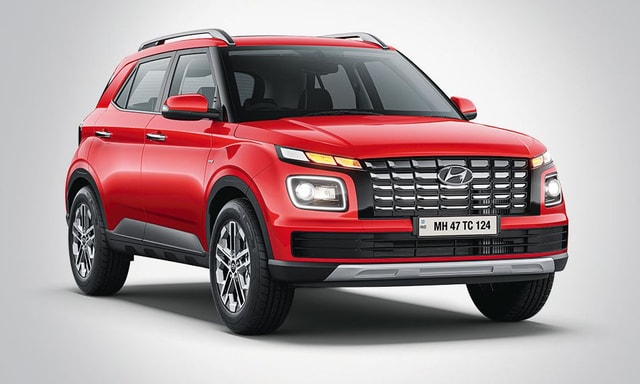 car&bike Team | Aug 16, 2024Hyundai Venue S Plus With Electric Sunroof Launched At Rs 9.36 LakhThe S Plus variant is effectively the most affordable variant of the Venue to be equipped with an electric sunroof.1 min read
 car&bike Team | Apr 3, 2024Kia Sonet Gets Four New Variants With Sunroof; Prices Start At Rs. 8.19 LakhKia India introduces four new entry-to mid-level variants of the Sonet, with a sunroof. With the new trims, there are now 23 variants of Sonet on sale in India.1 min read
 car&bike Team | Mar 21, 20229 Non-Luxury Cars With Stylish SunroofsThe Indian auto market seems to be embracing sunroofs. Here are ten cars with stylish sunroofs you need to look at now!1 min read
 car&bike Team | Jan 7, 2022Better Not Hang Out of that Sunroof - Penalties lie in store!In what could be a precursor to widespread campaigns countrywide, Kolkata Police have initiated a movement against hanging out of car sunroofs especially in busy areas.1 min read
 car&bike Team | Dec 30, 2021Sunroof and Moonroof: The Two Different Types of Roof Panels and Their DifferencesWith their names ranging from day to night, they really aren't that different from each other.1 min read
 Seshan Vijayraghvan | Aug 25, 2021One In Five Cars Sold In India Has A Factory-Fitted Sunroof: ReportAutomotive insights and analytics provider, Jato Dynamics India, has released some new data regarding the increasing penetration of company-fitted sunroofs among cars sold in India. According to Jato India, one in every five cars that are currently sold in the country comes with a sunroof and this penetration is particularly high among the SUV category.1 min read


