
All-Wheel Disc Vs Front Disc-Rear Drum Brakes: Which Is Better?

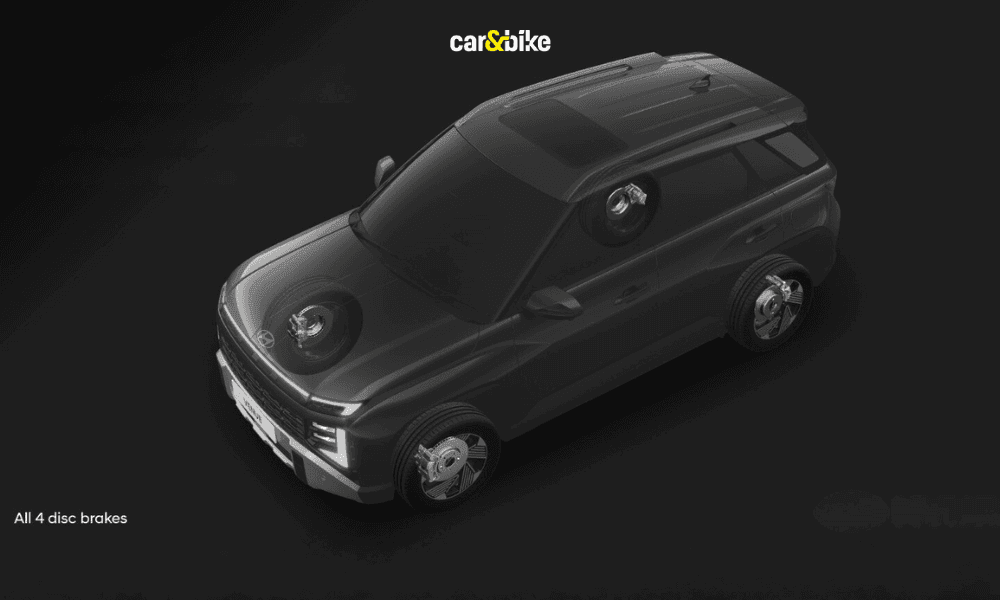
When buying a car, most people compare its mileage, engine, features and safety rating. But have you ever checked what type of brakes it uses? Some cars have disc brakes on all four wheels, while others use disc brakes at the front and drum brakes at the rear.
You will find both setups in India's car market. The Mahindra XUV 3XO gets all-wheel disc brakes, while the Tata Nexon and Hyundai Venue use front disc and rear drum brakes. So, what difference does this make when you press the brake pedal? Let's break it down.
What Are All-Wheel Disc Brakes?
As the name suggests, all-wheel disc brakes use disc brakes on all four wheels. Each wheel has a metal disc, also called a rotor, and a brake calliper that holds the brake pads.
When you press the brake pedal, hydraulic pressure pushes the brake pads against the rotating disc. This creates friction and slows the wheel down, bringing the car to a stop.

Since the discs are exposed to air, they can release heat more easily. This helps the brakes maintain their performance during repeated or hard braking.
Advantages of All-Wheel Disc Brakes
1. Better heat control
Braking creates heat because the brake pads press against the discs. During repeated braking, this heat can build up and reduce braking performance. This is known as brake fade.
Disc brakes release heat more easily than drum brakes, making them better suited to repeated hard stops, such as during fast highway driving or when going downhill.
2. Consistent braking performance
Disc brakes generally offer more consistent performance when used repeatedly. They also tend to clear water from their braking surfaces more quickly after driving through rain or standing water.
This can be useful during the monsoon, although drivers should still be careful because wet roads reduce tyre grip.
3. Easier inspection
The disc and calliper are visible through the wheel, making it easier to check the brake pads and disc condition. This can help mechanics spot wear or damage during regular servicing.
Disadvantages of All-Wheel Disc Brakes
The main drawback is cost. Four disc brakes generally cost more to manufacture than a front disc-rear drum setup. The brake pads also need replacement as they wear down. However, disc brake pads do not always wear faster than drum brake shoes. Their life depends on the vehicle, driving style and brake design.
What Are Front Disc-Rear Drum Brakes?
In this setup, the front wheels use disc brakes, while the rear wheels use drum brakes.
A drum brake has a round metal drum attached to the wheel. Inside it are curved brake shoes. When you press the brake pedal, hydraulic pressure pushes these shoes outwards against the inside of the rotating drum. The friction slows down the wheel.
This setup is common in affordable hatchbacks, sedans and compact SUVs because it is cheaper to manufacture and works well for regular driving.
Why Do Cars Use Disc Brakes at the Front and Drum Brakes at the Rear?
When you apply the brakes, the car's weight shifts towards the front. This puts more braking load on the front wheels, which is why they need stronger and more effective brakes.

The rear wheels handle a smaller share of the braking load under most normal conditions. Drum brakes can manage this job well without adding the cost of disc brakes at all four corners.
Advantages of Front Disc-Rear Drum Brakes
1. Lower manufacturing cost
Drum brakes have a simpler and more affordable design. Using them at the rear helps carmakers keep the overall cost of the braking system lower.
2. Suitable for everyday driving
For regular city commutes, traffic and normal highway use, a properly designed front disc-rear drum setup can provide enough braking performance.
3. Built-in parking brake mechanism
Rear drum brakes can easily work with a mechanical handbrake. This makes the parking brake system simple and cost-effective.
Disadvantages of Front Disc-Rear Drum Brakes
Drum brakes are enclosed, so they do not release heat as easily as disc brakes. During repeated hard braking, heat can build up inside the drum and affect braking performance. They can also take longer to clear water if moisture enters the drum. This may temporarily affect braking after driving through deep water or heavy rain. Drum brakes are also harder to inspect because the drum needs to be removed to check the brake shoes and internal parts.
All-Wheel Disc vs Front Disc-Rear Drum Brakes: Key Differences
The table below compares the two braking systems across the areas that matter most to car buyers.
| Parameter | All-Wheel Disc Brakes | Front Disc-Rear Drum Brakes |
| Brake setup | Disc brakes on all four wheels | Front discs and rear drums |
| Heat control | Better heat dissipation | Rear drums retain more heat |
| Repeated braking | More consistent under hard use | More prone to heat build-up |
| Wet-weather response | Discs clear water quickly | Drums may take longer to clear moisture |
| Maintenance | Pads and discs need inspection | Shoes and drums need inspection |
| Manufacturing cost | Generally higher | Generally lower |
| Parking brake | Mechanical or electronic setup, depending on design | Easily integrated into rear drums |
Which Cars in India Get All-Wheel Disc Brakes?
All-wheel disc brakes are available in several Indian cars, including some compact SUVs and larger vehicles.
Here are a few examples:
- Mahindra XUV 3XO: One of the more accessible compact SUVs with disc brakes on all four wheels as standard across the range.
- Mahindra XUV700: Uses disc brakes at the front and rear.
- Toyota Fortuner: Gets disc brakes on all four wheels, suited to its large and heavy SUV body.
- Hyundai i20 N Line: Offers all-wheel disc brakes as part of its sportier setup.
The Mahindra XUV 3XO is a useful example because its four-disc setup is not limited to just the top variant.
Which Cars in India Get Front Disc-Rear Drum Brakes?
Front disc-rear drum brakes remain common in the mass-market segment. Some popular examples include:
- Tata Nexon: Uses front disc and rear drum brakes on its regular petrol and diesel versions.
- Hyundai Venue: Uses front disc and rear drum brakes.
- Maruti Suzuki Swift: Gets front disc and rear drum brakes.
- Maruti Suzuki Ertiga: Uses front disc and rear drum brakes.
The Tata Nexon and Hyundai Venue are good examples of compact SUVs that use this setup for everyday driving.
Brake specifications can vary by model year, powertrain and variant. Check the exact version before making a purchase.
Are All-Wheel Disc Brakes Safer Than Front Disc-Rear Drum Brakes?
All-wheel disc brakes have an advantage when it comes to managing heat during repeated hard braking. However, that does not automatically make a car with four disc brakes safer than one with rear drum brakes.
The front brakes do most of the work during normal braking, and a properly designed rear drum setup can handle the remaining load. Modern cars also use safety systems such as ABS (Anti-lock Braking System) and EBD (Electronic Brakeforce Distribution) to help control braking and prevent the wheels from locking up.
Your tyres matter just as much. Even the best disc brakes cannot stop a car effectively if its tyres have poor grip, are worn out or are not inflated correctly.
So, when comparing two cars, look beyond the number of disc brakes. Check their safety equipment, tyre quality, braking performance and overall build.
Which Brake Setup Should You Choose?
If you mostly drive in city traffic, commute to work and take occasional highway trips, front disc-rear drum brakes are perfectly adequate. They are cost-effective and can provide reliable braking when maintained properly.
However, if you frequently drive on highways, travel through hilly areas or prefer the added heat control of disc brakes on all four wheels, an all-wheel disc setup is worth considering.
The Mahindra XUV 3XO shows that four-disc braking is now available in the compact SUV segment, while cars such as the Tata Nexon and Hyundai Venue show that a front disc-rear drum setup can still meet everyday driving needs.
Ultimately, four disc brakes are an advantage, but they should not be the only reason to choose a car. A good braking system is one that works well with the vehicle's weight, tyres, suspension and safety electronics.
Related News

Latest Cars


Upcoming Cars


Latest News


 Sarthak Mahajan | Nov 19, 2026Kia Carens Clavis CNG And Carens CNG Cross 6,200 Wholesale Units Since September LaunchKia India has recorded wholesale sales of over 6,200 units of the Carens Clavis CNG and Carens CNG within two months of their launch in September 2026.1 min read
 car&bike Team | Nov 19, 2026All-Wheel Disc Vs Front Disc-Rear Drum Brakes: Which Is Better?All-wheel disc brakes offer better heat control during repeated braking, while front disc-rear drum brakes keep costs lower and work well for everyday driving. Here's how the two setups compare on Indian roads.1 min read
 car&bike Team | Nov 19, 2026GTA 6 Cars In Real Life: Urus, Cullinan, SF90 And MoreFrom Jason’s red convertible to a convoy of luxury SUVs, the cars in Leonida have stories of their own.1 min read
 Jafar Rizvi | Nov 19, 2026India-Made Honda Rebel 500 Launched At Rs 4.50 LakhIt is offered in two variants and two colour schemes including Metallic Grey and Dune Brown.2 mins read
 Janak Sorap | Nov 18, 2026Ducati Panigale V4 Tricolore Race Of Champions Bikes Sold Out In India; Six Units AllocatedThe motorcycles were raced by international Ducati riders at World Ducati Week 2026 in Misano, Italy, and are scheduled to be delivered to their Indian owners by the end of November.1 min read
 Amaan Ahmed | Nov 18, 2026Hyundai Verna Bags Five Stars In Bharat NCAP Crash TestsThe Verna is the first compact sedan to be awarded a five-star rating under the new Bharat New Car Assessment Programme.2 mins read