
GST On Electric Car Batteries Could Come Down Drastically

- GST on electric car batteries to go from 28 to 12 per cent
- Electric cars made in India will become much cheaper post this move
- Swappable battery packs could become more popular for commercial use
The Ministry Of Road Transport has brought about a whole range of proposals to increase the adoption of electric vehicles in India. These include green number plates for electric vehicles, the proposal of scrapping permits to run commercial electric vehicles, allowing youth between the ages of 16-18 to ride electric scooters without a license and preferential parking for electric cars in certain areas. Another proposal that will help boost the adoption of electric cars by lowering cost of the batteries that go into the electric cars. The current GST rate on these batteries is 28 per cent but according to these proposals, the GST rates could be corrected and dropped down to 12 per cent - the same as the GST on electric cars. Currently, Mahindra and Tata Motors make electric cars in India and this move will help bring down manufacturing costs.
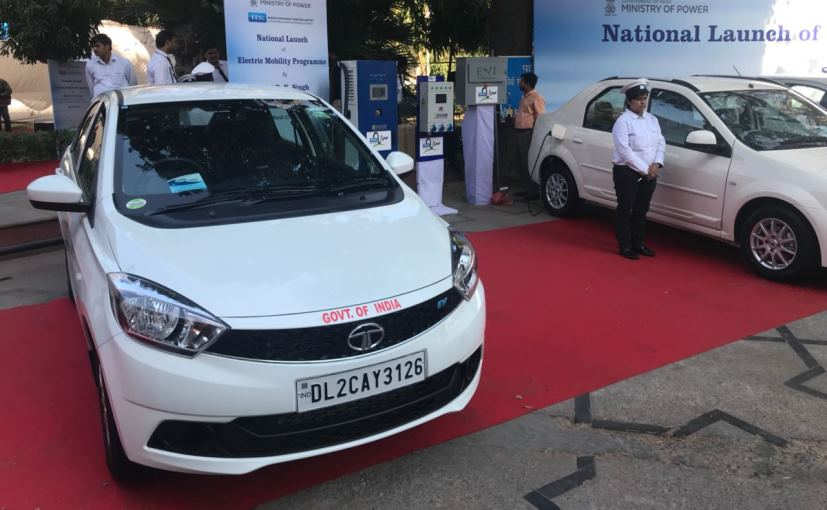
(Electric cars in India will become cheaper due to lower GST rate on batteries)
Not only will this help boost the manufacture and assembly of electric cars in India by bringing down the cost of most important component in an electric car, it will also help other support systems for electric cars. One of these, the concept of swappable battery packs could greatly be boosted by dropping the cost of electric car (or commercial vehicle) batteries. These batteries are still mainly imported from the likes of China or the United States by automakers who make electric cars in India. The prices of completely imported electric cars though might not be affected. That said, currently in India, there is no CBU electric car available on the market today.
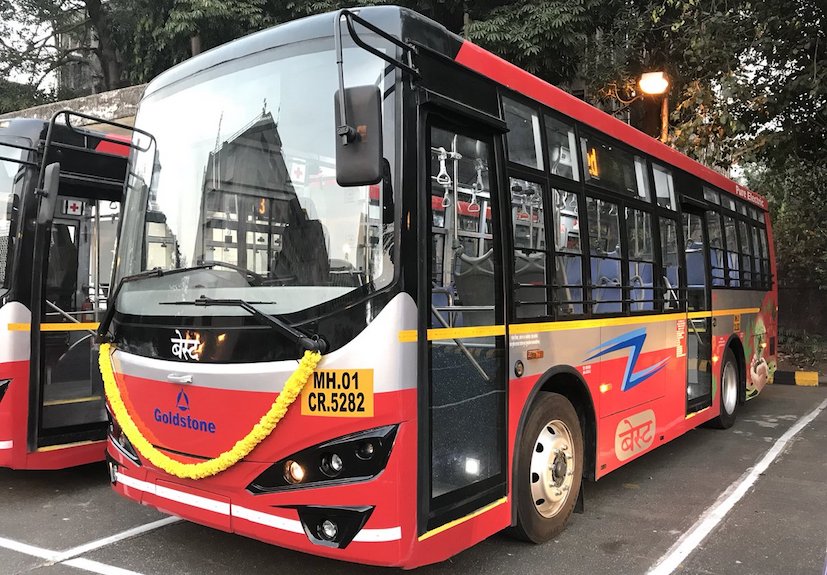
(Cheaper batteries will help in systems like 'swappable batteries' for electric commercial vehicles)
As we mentioned, the electric battery is the most expensive part of any electric vehicle. Electric battery costs are calculated in the '$ per kWh' unit and as of 2018 the cost per kWh of electric car batteries is between $225-$250. Comparatively, the cost per kWh of electric car batteries in 2010 was a staggering $1000! With costs coming down considerably, the cost of electric car batteries is expected to drop below the $100 point by 2026 (according to a study by Bloomberg) triggering a huge reduction in electric car prices. For India to mass adopt electric cars, they need to be the same price as their internal combustion equivalents and this move will only come into play once taxes on electric cars and more importantly components are made lower.

Cyrus Dhabhar was born and brought up in a motorsport family and cars run deep in his blood. As a passionate founder and head of a classic car club in Mumbai and an avid part of the vintage and classic car scene in the country, Cyrus prefers his cars older and simpler. That said, he loves everything on four wheels and the occasional two-wheeler as well. Cyrus currently is the Assistant Editor - AUTO for the NDTV Group.
Read all latest news and reviews from Cyrus Dhabhar →
Related News


Latest Cars


Upcoming Cars


Latest News


 Bilal Firfiray | Oct 9, 2026Volkswagen Tiguan Electric Breaks Cover; Offers Upto 300bhp And 600kmsOne of the highest seller in VW’s family has finally gone electric. The ID.Tiguan follows the ID.4 and ID.5 in the German carmaker’s EV offensive.2 mins read
 Sarthak Mahajan | Oct 9, 2026BMW F450 RR Teased, Global Debut On October 15The BMW F450 RR will share the 420cc twin-cylinder engine, producing 47 bhp and 43 Nm of peak torque.1 min read
 car&bike Team | Oct 9, 2026Kia India Extends Buyback Scheme To Cover Most ICE And EV ModelsKia has extended its assured buyback programme, offering residual values of up to 75 per cent for ICE models and 70 per cent for EVs after three years.1 min read
 car&bike Team | Oct 9, 2026Toyota Fortuner Leader Edition Relaunched; Prices Start At Rs 36.51 LakhThe Fortuner Leader Edition was previously launched for a limited time in late 2025.1 min read
 Jaiveer Mehra | Oct 9, 2026JSW Motors' First SUV For India To Be Launched On December 4First model is expected to be based on Jetour T2 plug-in hybrid SUV already available overseas.1 min read
 Sarthak Mahajan | Oct 9, 2026Renault Duster Hybrid ARAI Mileage Revealed; Bookings Open Ahead Of Oct 17 LaunchThe Duster Hybrid claims a fuel efficiency of 29kmpl, making it one of the most fuel-efficient SUVs in its segment.1 min read
 Bilal Firfiray | Oct 8, 2026Tata Aeris Review: New And Improved, But Is It Good Enough?Tata has replaced the Tigor with the new Aeris and improved it in every aspect. We drove the CNG AMT and Petrol MT derivatives to find out how much it improved over its predecessor.4 mins read
 Seshan Vijayraghvan | Oct 4, 20262026 Skoda Slavia Facelift Review: Upgrades That Matter And A Better AutomaticThe new Skoda Slavia brings a handful of visual and mechanical changes, most notably a new 8-speed automatic for the volume-selling 1.0-litre TSI variants.5 mins read
 Bilal Firfiray | Oct 3, 2026Kia Sorento Review: Is Bigger Always Better?The Kia Sorento has arrived to our shores at the right time. But does it have what it takes to take the market by a storm?7 mins read
 Abhishek Nigam | Oct 2, 2026MINI Countryman C Review: Has MINI Finally Grown Up Without Losing Its Personality?The new Countryman C is bigger, more practical and packed with technology, but its quirky appeal comes with a few compromises.1 min read
 Preetam Bora | Oct 3, 2026ViaTerra Spencer Riding Jacket Review: The Ideal Jacket For Indian Summers?The ViaTerra Spencer mesh riding jacket makes a strong case as a well-built, street-focussed riding jacket, combining good airflow with Level 2 protection and a snug, secure fit. Is it perfect? Read on.6 mins read