
Renault Triber 1.0 Turbo Review: Was It Necessary?

- The 99 bhp turbo-petrol engine produces 180 Nm
- Revised suspension, anti-roll bars and structural reinforcements improve stability
- The Triber Turbo is available with a manual gearbox across three variants
I was probably one of the few people who did not think the Renault Triber needed a turbo-petrol engine from the Kiger. The Triber was never meant to be a fast or exciting car. It was a compact seven-seater built to do the basics well, i.e. carry people, handle city traffic, and offer plenty of practicality without taking up too much space on the road.
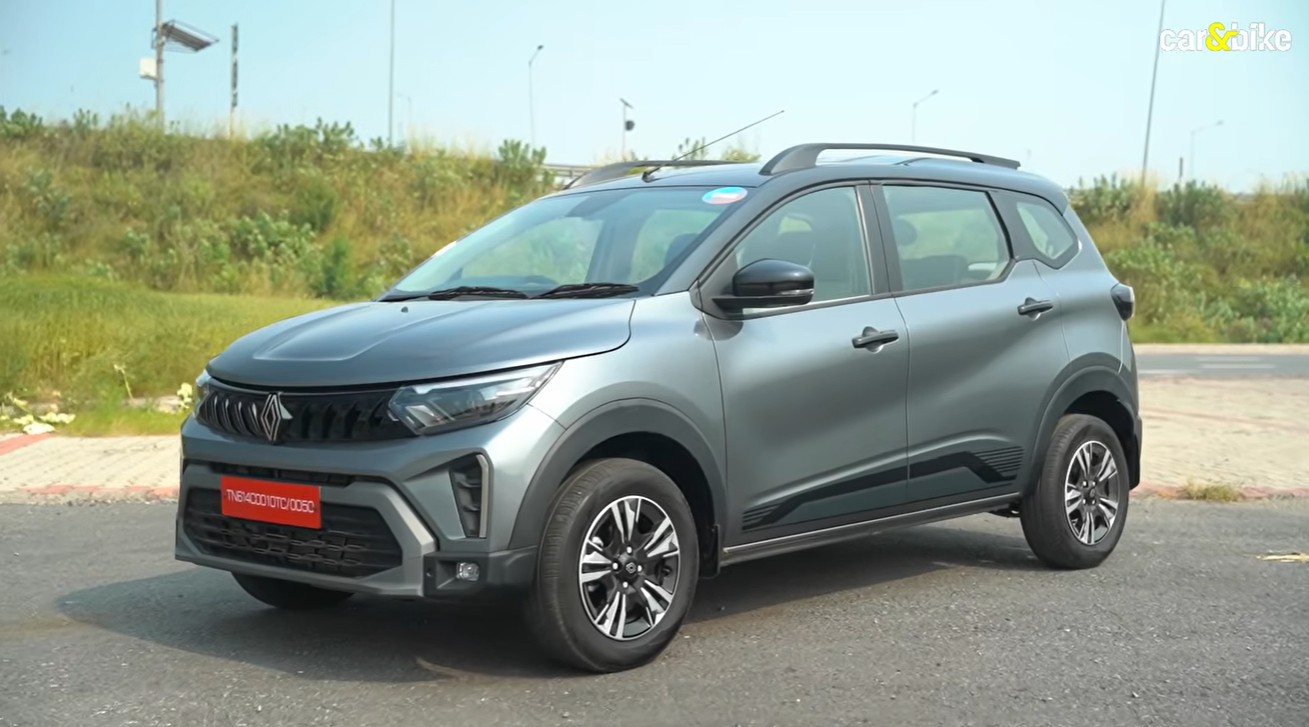
And, for the most part, it did exactly that. The naturally aspirated 1.0-litre three-cylinder petrol engine was perfectly adequate around town. It was easy to drive, the AMT worked reasonably well, and the compact dimensions made the Triber a very useful family car. It wasn't particularly exciting, and highway performance was never its strong point, but that wasn't really why people bought one.
But Renault has finally given the Triber a turbo-petrol engine, and after driving it, has my opinion changed? Let's find out.
Powertrain and Performance:
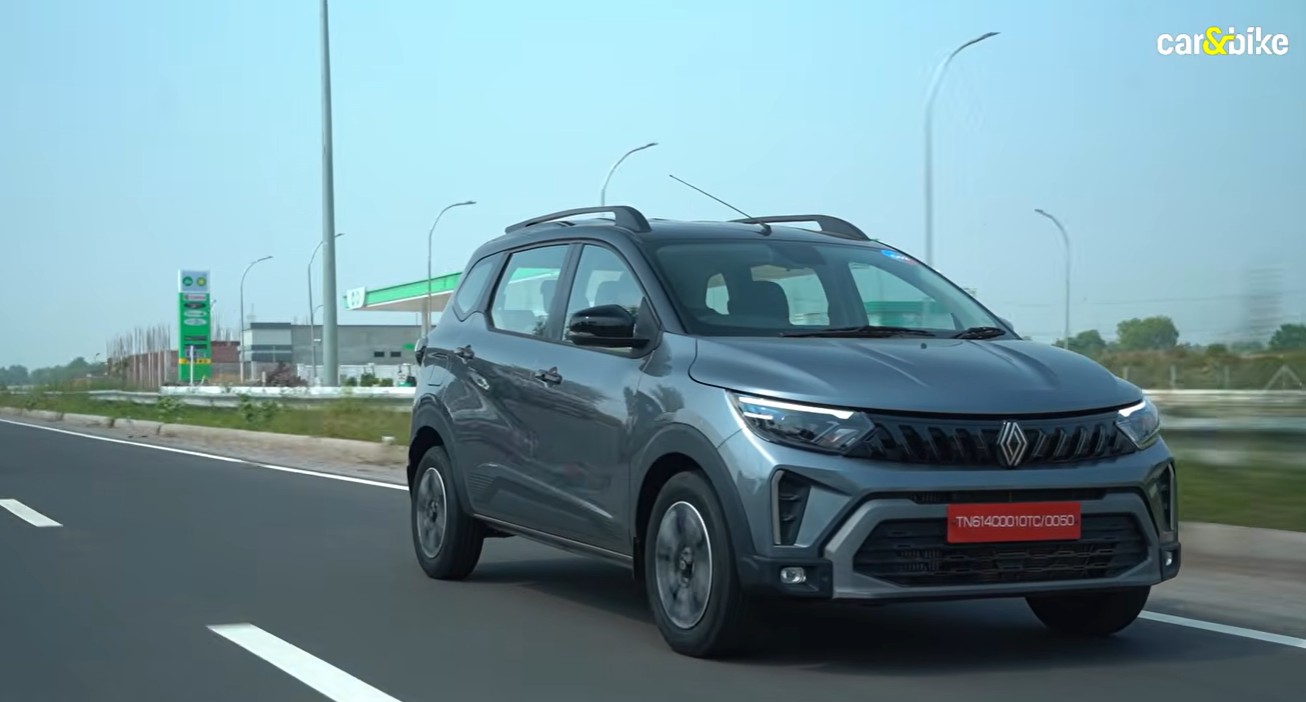
The new Triber Turbo uses a 1.0-litre three-cylinder turbo-petrol engine. Renault says this is not simply the same tune as the Kiger Turbo. The engine has been recalibrated specifically for the Triber, with power rated at around 99 bhp and torque at 180 Nm. That torque figure is actually 20Nm higher than what the Kiger Turbo produces.
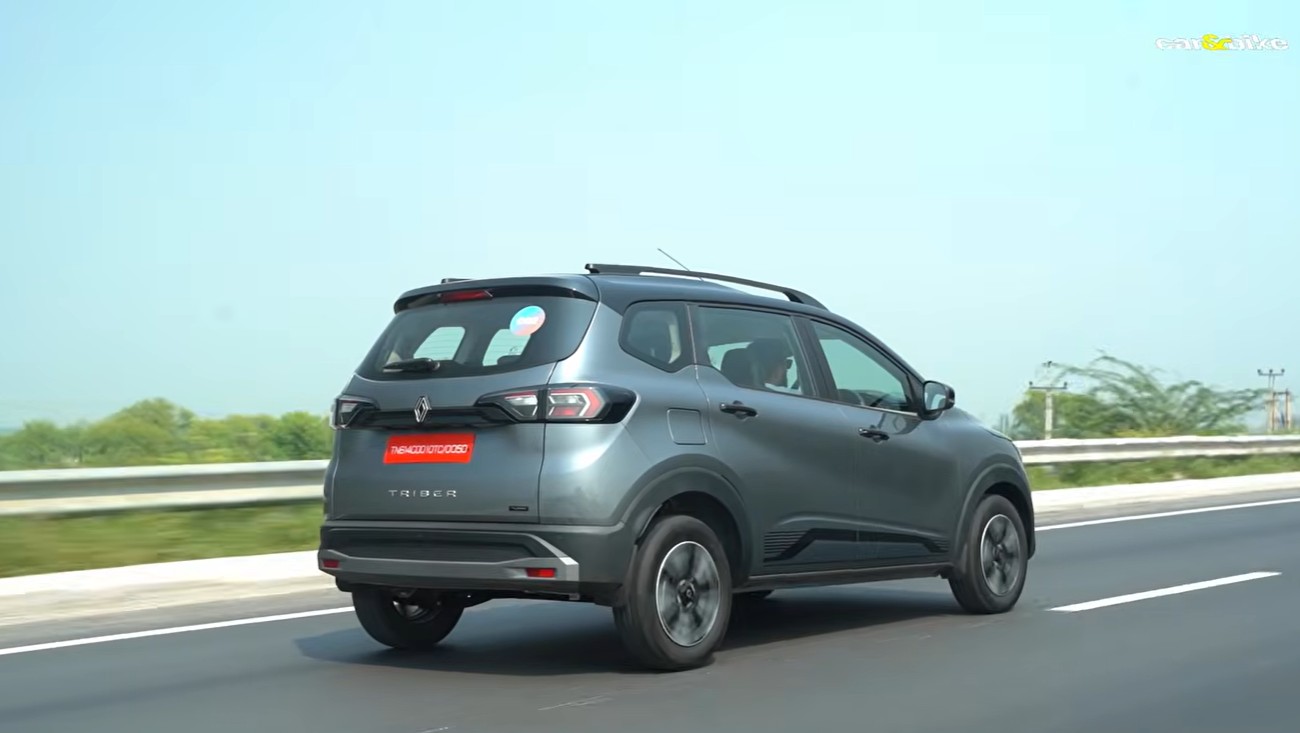
The change was not as straightforward as simply dropping a turbocharged engine into the Triber. The older CMF-A platform did not have enough room or the necessary engineering headroom to accommodate the turbocharged engine and its performance. Renault has therefore moved the Triber to its newer, recently unveiled RGEP, or Renault Group Entry Platform.
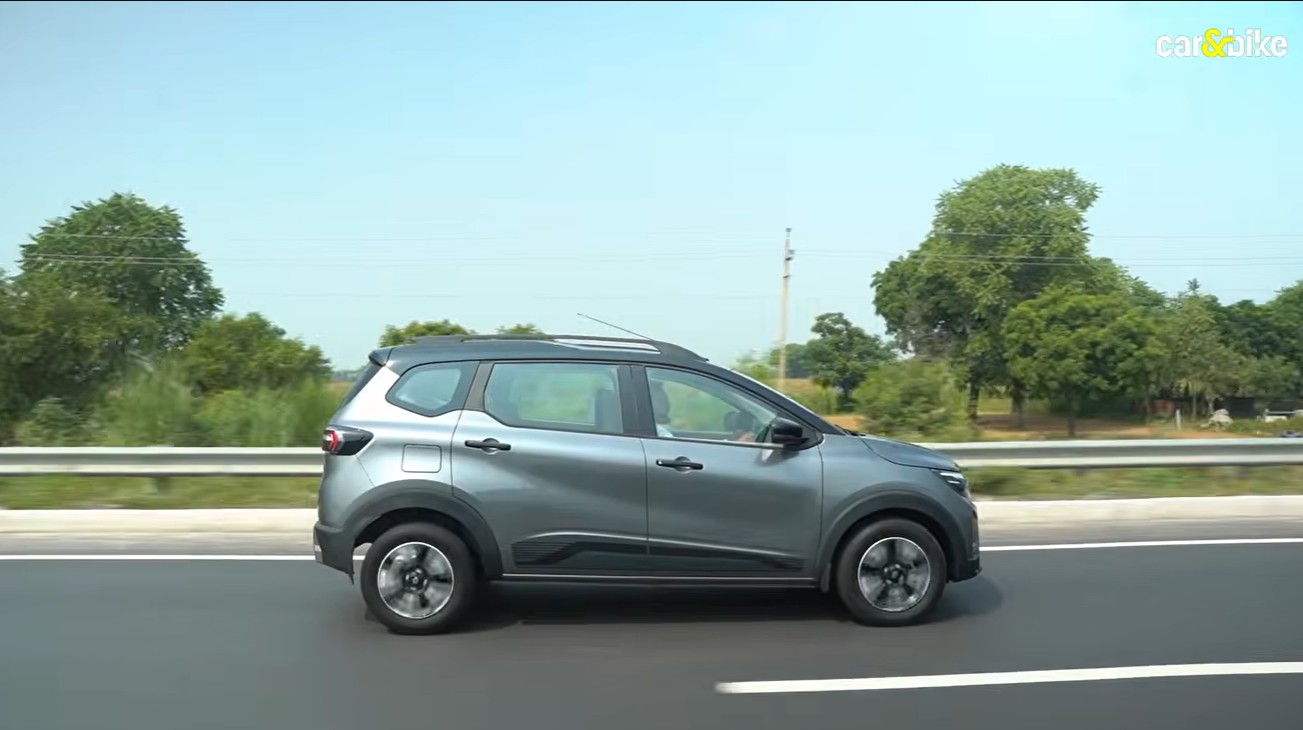
There were a few other engineering changes needed as well. Turbocharged engines generate more heat, so Renault has added a BLDC fan to the radiator and condenser assembly. The additional performance also meant that the structure had to be strengthened. Renault says reinforcement was carried out up to the C-pillar, adding around 80 kg to the Triber's weight. Anti-roll bars have also been added to improve stability at higher speeds.
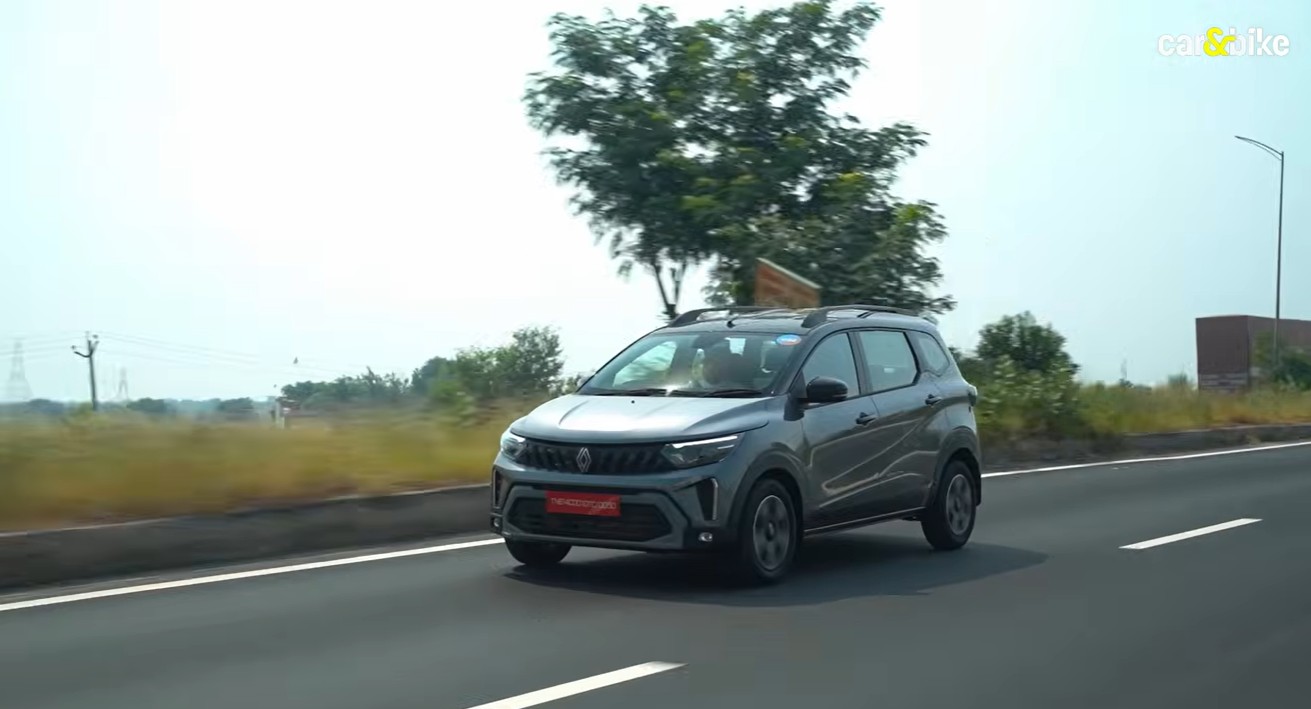
On paper, that sounds like quite a lot of work for a car that was perfectly happy pottering around town. But the changes make more sense once you drive it. The first thing you notice is the refinement. The three-cylinder engine feels smoother than before, although the basic character of the Triber remains familiar. There is not a huge amount of punch when you pull away from a standstill, and the first two gears are quite short. So, in bumper-to-bumper traffic, the Turbo does not feel significantly different from its NA sister (except, of course, the lack of sound and vibration)
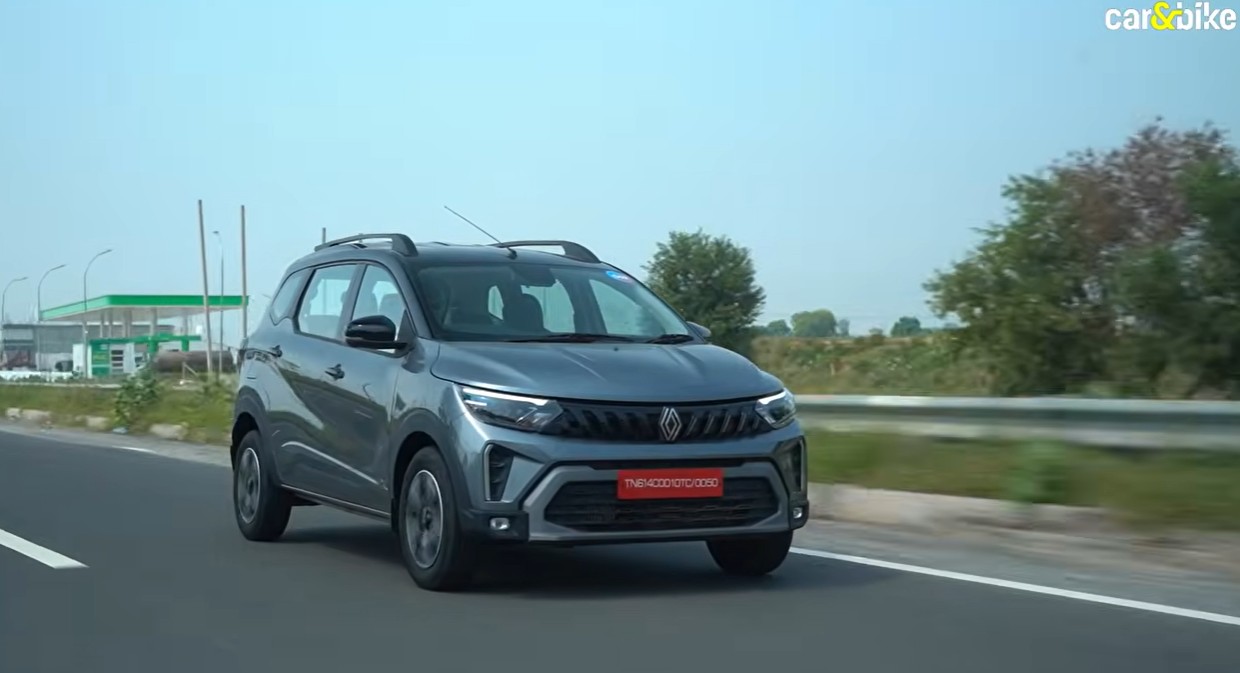
In fact, if you are the sort of driver who shifts early and keeps the revs low, the Triber Turbo can still feel quite relaxed. The turbocharger really comes into its own only after around 2,000 rpm. And that is where the character of the car changes.
Once the turbo is on boost, there is a much stronger mid-range, and the Triber starts building speed with considerably more enthusiasm. The difference is not particularly dramatic at city speeds, but it becomes obvious once you get onto an open road.
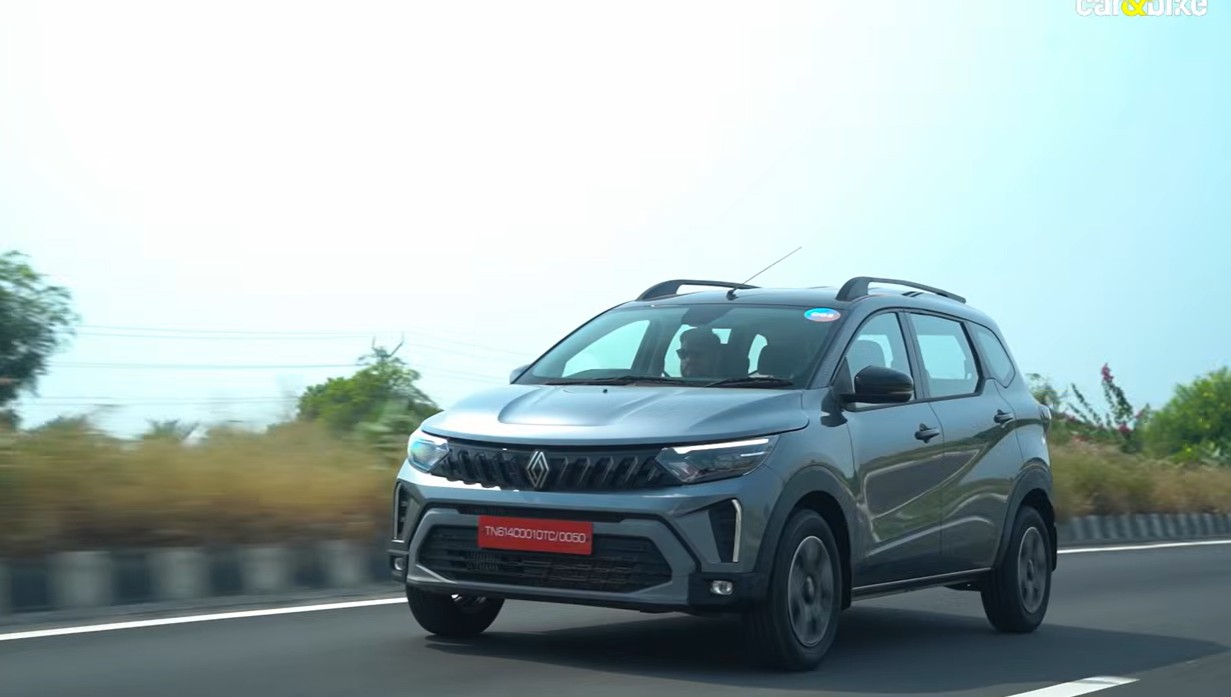
The biggest improvement is at highway speeds. The naturally aspirated Triber could cruise, but you always had to work a little harder when speeds climbed or when you needed to make an overtake. Here, sitting at 70-80 kmph feels much more relaxed, and getting into triple-digit speeds does not require the engine to be pushed anywhere near as hard.
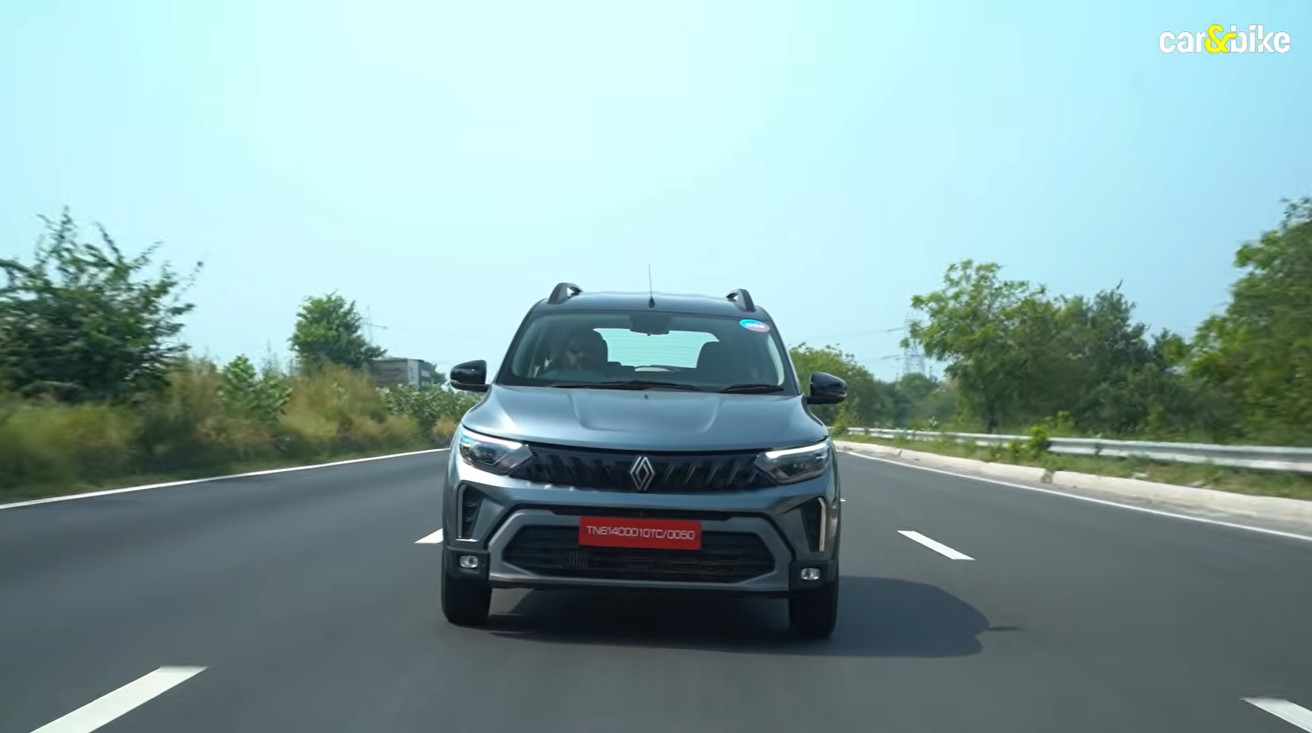
More importantly, overtaking no longer feels like an event that needs to be planned several seconds ahead. In the naturally aspirated Triber, if you came up behind a slow-moving truck, you had to wait for the right opportunity, build some momentum and then make your move. The Turbo has enough mid-range punch to make that process considerably easier. It feels closer to how a family car with this kind of performance should behave on a highway.
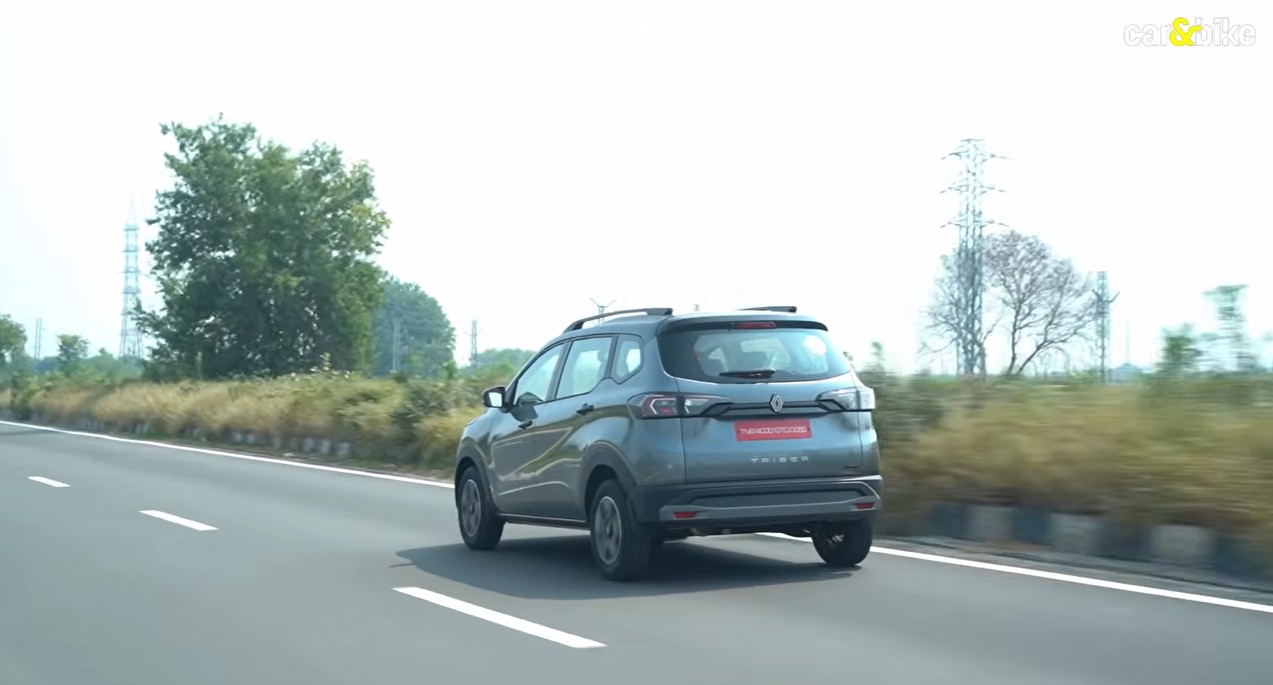
Renault has also made some changes to the suspension. However, the good news is that you do not really notice a dramatic change in the ride quality. The Triber remains comfortable and absorbent, which is important because its ability to deal with imperfect Indian roads is one of its strengths.
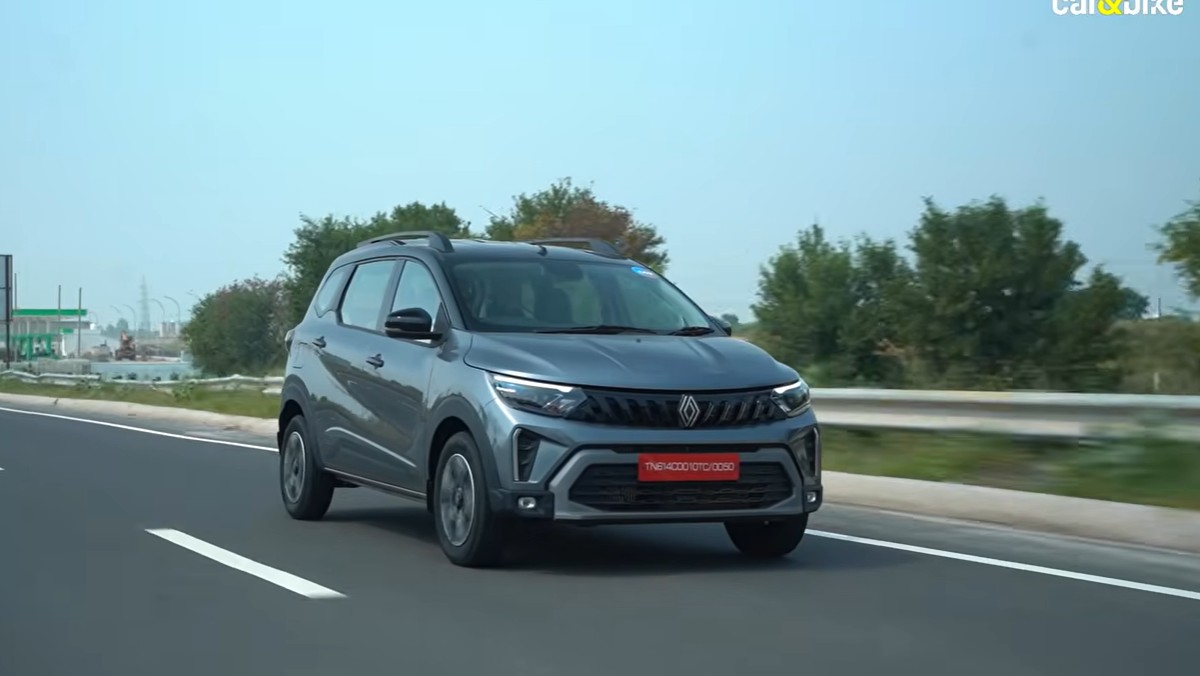
The steering also feels light and reasonably communicative. It is still very much a family-focused MPV rather than something you would drive for entertainment, but there is enough feedback to make the car feel predictable at higher speeds.
There is one important catch, though. The Triber Turbo is currently available only with a manual gearbox. Renault has confirmed that an automatic option will follow, and that should make the Turbo even more relevant to urban family buyers who already like the convenience of the Triber's AMT.
Conclusion
The Turbo engine is offered across three variants, with the range-topping version priced at under Rs 9 lakh, ex-showroom. That puts the premium over the naturally aspirated version at roughly Rs 1 lakh across the three trims.
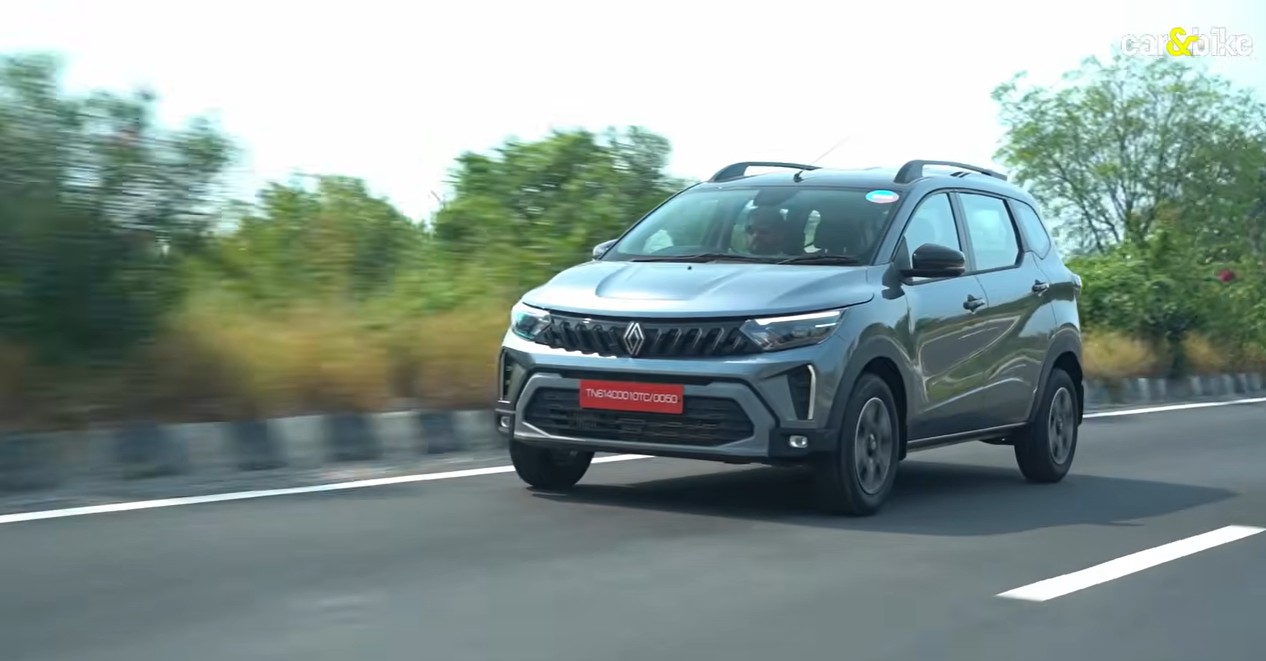
And this is where the Triber Turbo makes sense. Renault has not tried to turn the Triber into something it was never meant to be. It is still a compact, practical seven-seater with good road manners and an emphasis on everyday usability. What the Turbo does is address one of the few genuine weaknesses of the original car, which was its highway performance.
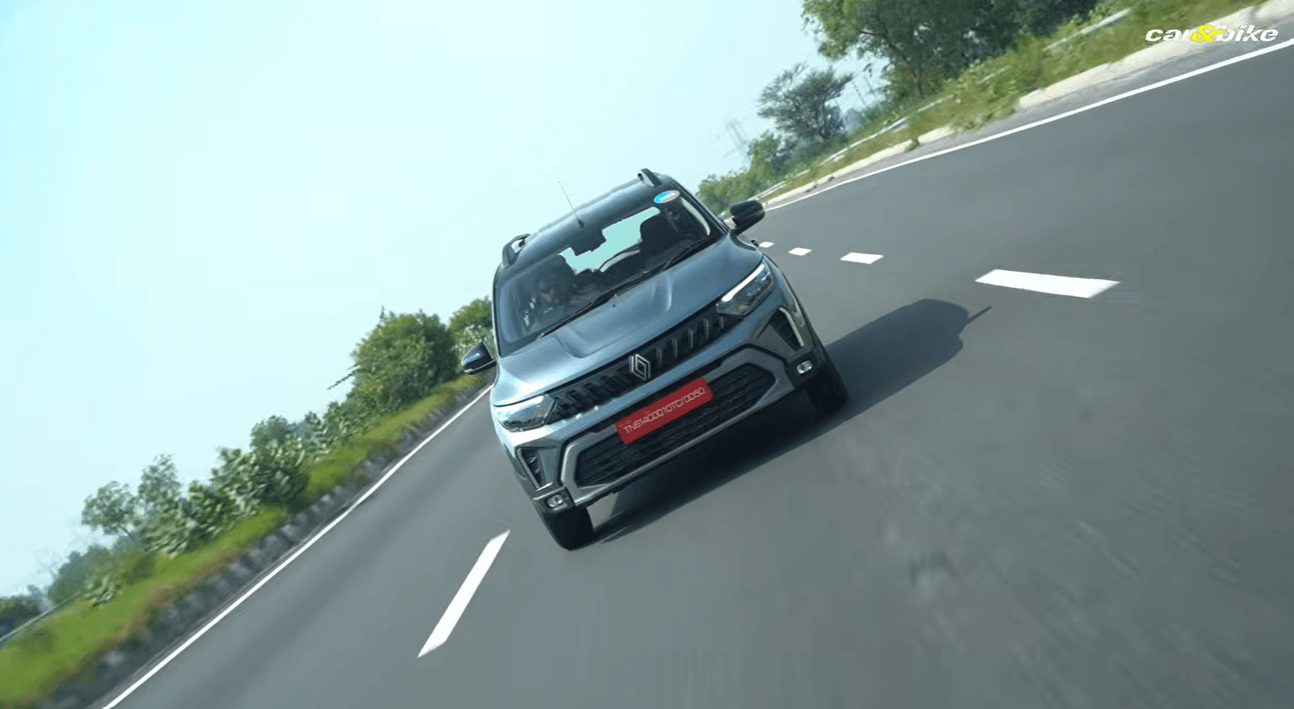
I went into this drive thinking the Triber did not need a turbo engine. I came away thinking it probably should have had one earlier. The Turbo does not change what the Triber is. It simply gives it the extra oomph that it was missing. Sometimes, even a nonconformist has to admit when the crowd was right.
Related News


Popular Renault Models


Latest Cars


Upcoming Cars


Latest News


 car&bike Team | Oct 19, 20262027 Kawasaki Z1100 Launched In India At Rs 12.79 LakhThe new flagship naturally aspirated Supernaked motorcycle gets a 1,099cc inline-four engine, a six-axis IMU and a comprehensive suite of electronic rider aids.1 min read
 Jaiveer Mehra | Oct 19, 2026All-Electric Mercedes-AMG GT SUV Debuts With 1153 bhp, 700 Km RangeSister model to the AMG GT 4-Door EV, the AMG GT SUV sits on Mercedes’ AMG.EA platform and will go on sale globally with dual- and tri-motor powertrain options.1 min read
 Sarthak Mahajan | Oct 19, 2026Hyundai Bayon Arrives At Dealerships, Key Details RevealedHyundai Bayon sits between the Venue and the Creta.2 mins read
 car&bike Team | Oct 19, 2026KTM Opens New Brazil Plant With Annual Capacity Of 20,000 MotorcyclesThe new Manaus facility will manufacture 10 KTM and Husqvarna models, with production expected to scale up through 2027.1 min read
 Jaiveer Mehra | Oct 18, 2026India-Spec Honda Rebel 300 Specifications RevealedThe Rebel 300’s 286 cc mill develops a peak 27.2 bhp and 24.5 Nm, with kerb weight hovering between 173 kg and 176 kg.1 min read
 Jaiveer Mehra | Oct 18, 2026New Hero Xtreme 160R 4V Variants ExplainedThe Xtreme 160R 4V is now available in three trim levels and gets updated styling and new features.1 min read