
Need More Scrappage Centres, Can Reduce Component Costs; Nitin Gadkari

- Over 1.2 crore vehicles identified for scrappage
- Recycling auto components can lead to cost reduction
- Potential to have 3 scrappage centres in every district of India
The Vehicle Scrappage Policy was announced in the parliament in early 2021 with the aim to offer a much-needed boost for the Indian auto sector, which hasn't been performing optimally since the pandemic broke out. The outlook was that the scrappage policy could lead to a significant growth of 30 per cent in the Indian automobile industry, with a significant reduction in components cost. Over 1.2 crore vehicles have been identified for scrapping and there are more than 20 scrappage centres in the country today. But, the country has the potential to have three scrappage centres in each district.
Also Read: Scrappage Discounts Cannot Be Made Mandatory; Nitin Gadkari 
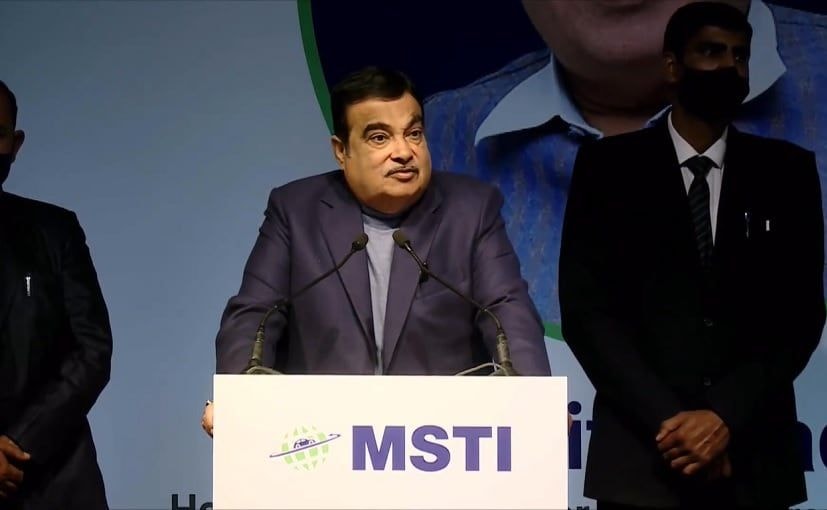
Gadkari said, “But we have a potential to start at least three scrapping centres in one district and it can be a great asset for you because of the scrubbing centres, there will be the particularly it is to be most important for you that because of scrapping centre you will get this copper, aluminium, steel, rubber and plastic waste material, you can make the recycling of it and you can reduce the cost of your component by 30 per cent. I feel that this is the time that every automobile industry, even the big manufacturer like you, if you can make your scrapping centre in different districts, and if you can use that raw material for your components is going to reduce the cost it can be really good for you regarding the pollution one world truck is equivalent to pollution of 15 new trucks”. 
He said that scrappage will have two-fold benefits, one would be from the ecological and environmental point of view and the second is that by reusing and recycling automotive components from vehicles that will be scrapped, the cost can be reduced significantly.
Also Read: Need More Innovations And Green Alternatives In Mobility; PM Modi
Under the scrappage policy, old vehicles will have to pass a fitness test before re-registration and, as per the policy, government commercial vehicles more than 15 years old and private vehicles which are over 20 years old will be scrapped. Beginning April 1, 2023, fitness testing of Heavy Commercial Vehicles (HCVs) shall be conducted only through Automated Testing Stations (ATSs). For other types of Commercial Vehicles and Private Vehicles (PVs), the fitness testing shall also be conducted through the ATS and begin on June 1, 2024.
Related News

Latest Cars


Upcoming Cars


Latest News


 car&bike Team | Nov 8, 2026BYD's Luxury MPV Denza D9 Spied In India Ahead Of November 13 LaunchLatest video to surface on social media shows BYD's biggest car in India till date completely undisguised; set to rival MG's M9.1 min read
 Amaan Ahmed | Nov 8, 2026BYD's Rolls-Royce Fighter Debuts With 1,000+ KM Range, Quad Motor SetupMost luxurious car yet from the house of Build Your Dreams will remind you of a Rolls, but it pairs familiar looks with the most cutting-edge tech in the EV universe.1 min read
 car&bike Team | Nov 8, 2026DigiLocker And mParivahan Vs Physical Documents: When Traffic Police Can (And Cannot) Demand Your Original Driving LicenceValid digital DL, RC, insurance and PUC documents on DigiLocker or mParivahan are accepted in place of physical copies. Screenshots and ordinary phone photos may not be valid substitutes.11 mins read
 car&bike Team | Nov 8, 2026Affordable Riding Jackets, Gloves, And Boots Under Rs. 15,000 In India: CE Level 2 Armour Explained For BeginnersWith a practical budget of Rs. 15,000, you can assemble a complete, three-piece safety setup consisting of a well-ventilated jacket with certified CE Level 2 armour, a pair of reinforced gloves and protective riding shoes.1 min read
 Carandbike Team | Nov 7, 2026Car Cybersecurity In India: Can Connected Cars Be Hacked?The short answer to whether connected cars can be hacked is an unequivocal yes.7 mins read
 car&bike Team | Nov 7, 2026Single-Cylinder vs Twin-Cylinder CNG Cars In India: How Tata, Hyundai And Maruti Solved The Boot Space ProblemWe take an in-depth look at how India's leading carmakers handled the CNG boot space challenge.7 mins read