
Nissan GT-R: A History Lesson


- The GT-R was originally formed as a variant for the Nissan Skyline range
- The first generation Nissan Skyline GT-R was built in 1969
- The latest model is the sixth generation Nissan GT-R
The letters GT-R are synonymous with one of the great heroes in the automotive enthusiasts' circles. From being glorified in games and movies to being dominant in almost every form of motorsport that it has ever participated in, the Nissan GT-R is one of the most widely known performance cars in the world. Nissan has delayed officially bringing in the GT-R into the country for years now but the car will soon be launched in India in the coming few weeks. Here is a brief look back at the history of the mighty GT-R which is lovingly also known as 'Godzilla'.
The GT-R was originally formed as a variant. A part of the Nissan Skyline range, the Skyline GT-R was the top of the line and often most expensive car that Nissan made. Of course, not every Skyline in the past had a GT-R version with the early Prince Skylines (Prince is a defunct car brand from Nissan) only offered as 4-door sedans.
First Generation GT-R: 1971 - Codename PGC10/KPGC10/Hakosuka
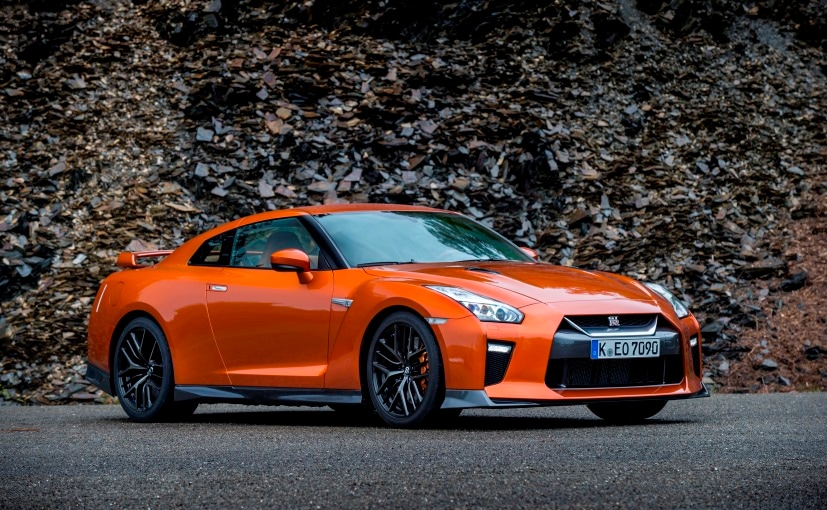
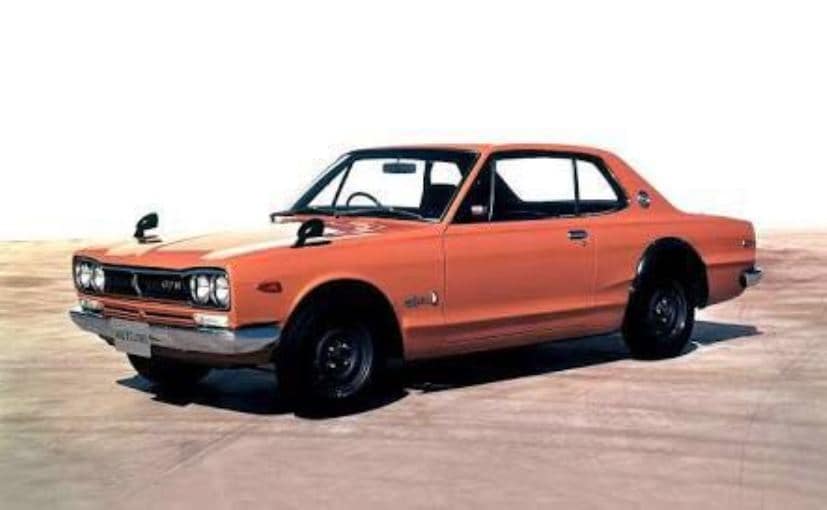
The first generation Nissan Skyline GT-R was built on the car that originally debuted in 1969. By 1971, Nissan added a better chassis setup to the coupe and then eventually improved it even further with a semi-trailing arm suspension. The engine was a 2.0-litre naturally aspirated Twin-Cam straight-6, which made 160bhp of peak power and 177Nm of torque. The GT-R also got a 5-speed manual gearbox. Only 1,945 units of this generation of Nissan Skyline were produced making it very collectable in motoring circles.
First-Gen Nissan GT-R
The KPGC10 was also used by Brian o'Connor in the movie Fast Five making it an instant pop-culture classic amongst movie and car enthusiasts. Purists often refer to Skyline generations either by the model number of their Japanese nicknames. This Skyline was called Hakosuka, which combines the Japanese word for a box or "hako" and the pronounced abbreviation of Skyline.
Second Generation GT-R: 1973 - Codename KPGC110/Kenmeri
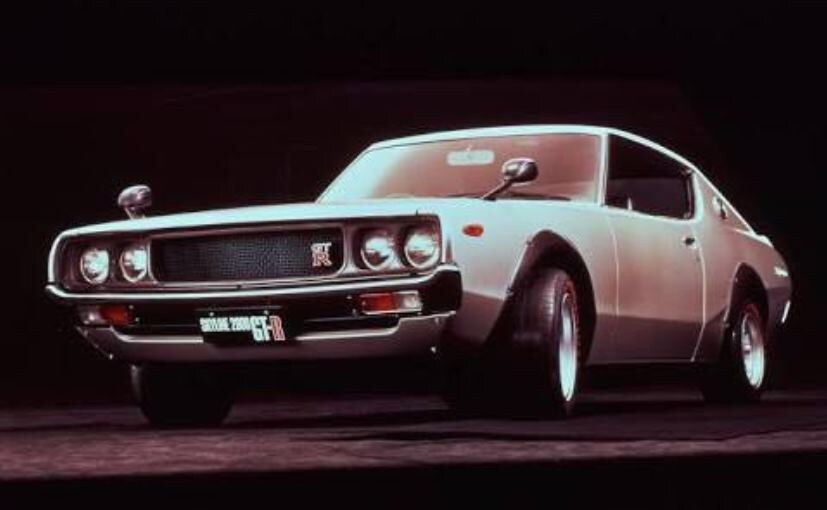
The second generation Nissan Skyline was introduced at the 1972 Tokyo Motor Show and then launched in 1973. The 2.0-litre engine making 160bhp was carried over from the 1st generation car with the same underbody construction and suspension too. The second generation car also got both front and rear disc brakes along with a long list of optional aerodynamic parts. The 'Kenmeri' name that stuck to this generation skyline was due to a popular advertisement featuring a young couple (Ken and Mary) enjoying the Hokkaido countryside.
Second-Gen Nissan GT-R
The KPGC110 GT-R is also the rarest Skyline produced as Nissan only made 197 cars due to the 1970s fuel shortage that hit all types of sportscar really hard in terms of sales and popularity. The GT-R name was never used again by Nissan until the R32 Skyline that was introduced in 1989.
Third Generation GT-R: 1989 - Codename BNR32/R32
The new R32 Skyline was the return of the GT-R name for Nissan after a gap of nearly two decades. Nissan was competing in Group A racing with the GTS-R Skyline and wanted something more competitive to replace it. The GT-R was literally a road going version of the race car but with all-wheel-drive making an appearance for the first time. The R32 is also the first time the legendary RB26-DETT engine made its first appearance putting out 276bhp and 361Nm of torque mated to a six-speed manual gearbox. The nickname Godzilla was first bestowed on the R32 as it dominated every single race it participated it. Incidentally, due to its turbocharged engine, the R32 racecar had to compete in the 4.5-litre class.
While the race cars were winning everything they participated in, the street cars were soon becoming the favourite of the Japanese street racers. The infamous Tokyo-Yokohama highway that saw high-speed illegal races through the night were dominated by the likes of the Porsche 911 Turbo till the GT-R became the weapon of choice. Tuners soon started pumping up power upwards of 500bhp. Nissan made over 43,000 Nissan GT-R R32s, making it one of the most popular tuner cars the world over.
Fourth Generation GT-R: 1995 - Codename E-BCNR33/R33
While the dominance on the race track was set to continue with the new R33 GT-R that was launched in 1995, the street cars to get a whole bunch of upgrades that made them even better than they were earlier. Of course, the Skyline R33 looked more aggressive than earlier (in fact, the R33 is the most aggressive looking skyline that Nissan made according to purists.) but most of these were aerodynamic upgrades that helped the car both on the streets and on the track. The R33 got the same RB26-DETT engine with the same turbochargers and the same manual gearbox but the internals were made better and stronger to make a little more power.
The R33 also got an active limited slip differential and a 4-channel independent anti-lock brake setup. The R33 was available with a standard and a V-Spec version which offered a slightly upgraded visual package, a stiffer and lower suspension setup and a different set of wheels. The V-Spec was later upgraded to the V-Spec II but the rarest of the R33 has to be the Nismo 400R. The 400R got even more aggressive visual upgrades including a lot of carbon fibre bits while power was upgraded to 500bhp! Incidentally, the 400R was one of the most powerful streetcars of its era. A total of 16,520 Nissan GT-R R33s were produced.
Fifth Generation GT-R: 1999 - Codename GF-BNR34/R34
For the 5th generation, Nissan made the GT-R slightly smaller than its predecessor. The new car was available as before in the standard and V-Spec forms right from launch. Nissan also launched an M-Spec variant for the first time. It was similar to the V-Spec, but had special "Ripple control" dampers, revised suspension set up, stiffer rear sway bar and a leather interior with heated front seats. The 'M' on the M-Spec stood for Mizuno who is the chief engineer of Nissan. The final edition of the R34 was the GT-R V-Spec II Nur. If you are a GT-R fan, the Nur is by far the holy grail of the modern GT-R.
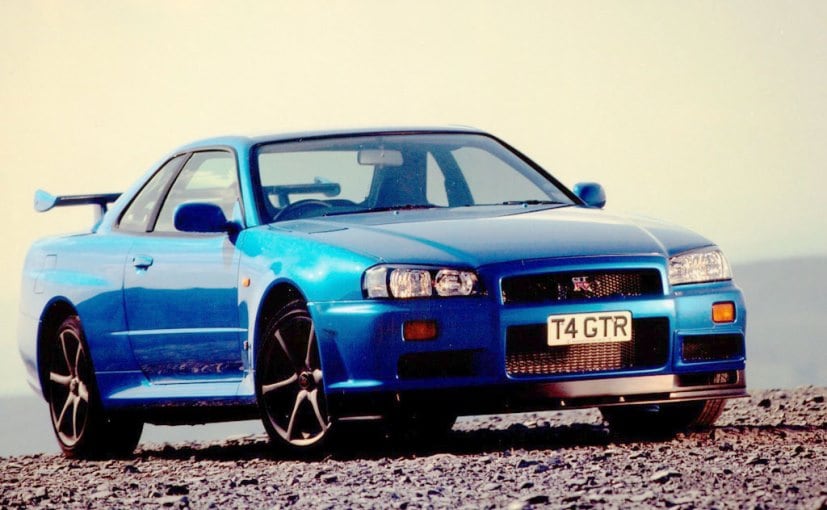
The R34 Nissan Skyline GT-R is also the car that made the GT-R the most popular in pop culture. This began with the movie 2 Fast 2 Furious where Brian o'Connor drives a silver and blue modified Nissan GT-R in the opening race sequence. The R34 was again used in the 4th installment of the movie series and again in the 5th and soon became a signature car for the actor both in the movie and in real life. In fact, Paul Walker owned over 20 Nissan Skylines, some of which were very very rare in his personal car collection. The R34 GT-R was also made famous due to its role in the Gran Tourismo racing games where it was seen as one of the best cars for lap record setting especially at tracks like the Nurburgring.
Sixth Generation GT-R: 2007-current
The sixth or current generation GT-R is the first time Nissan has dropped the Skyline badge from the car and made a purpose built GT-R sportscar. The GT-R is a 2+2 coupe as it always was but this particular car was built from the ground up to live up to the 'Godzilla' name and be quicker than most sports cars and supercars of this era. The GT-R now gets the 3.8-litre VR38DETT engine which was mated to an all-wheel drive setup and 6-speed dual clutch automatic. The car was officially launched at the 2007 Tokyo Motor Show and has been upgraded and given more power in the last 9 years. The early models of the GT-R made a claimed 480bhp of peak power while the GT-R that will be launched in India in the next few weeks makes 565bhp of peak power.
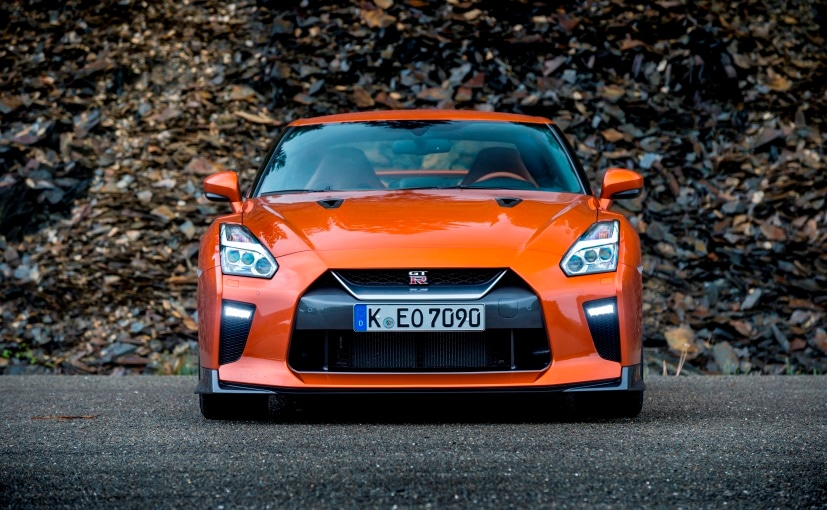
The current generation GT-R is also one of the fastest cars accelerating cars in the world with 0-100km/h covered in 2.7 seconds in stock form. The 2015 Nissan GT-R in Nismo-spec did a lap of the Nurburgring in a blistering 7:08 making it one of the quickest cars ever tested on the track. The current generation GT-R has also been the favourite of aftermarket tuners the world over with certain cars running over 100bhp tunes on a daily basis. In India, certain owners have sent their cars to be tuned by known tuners like HKS or AMS. The most powerful GT-R in the country today is a claimed 1200bhp on standard fuel and almost 1600bhp if run on race fuel or e85 Ethanol.
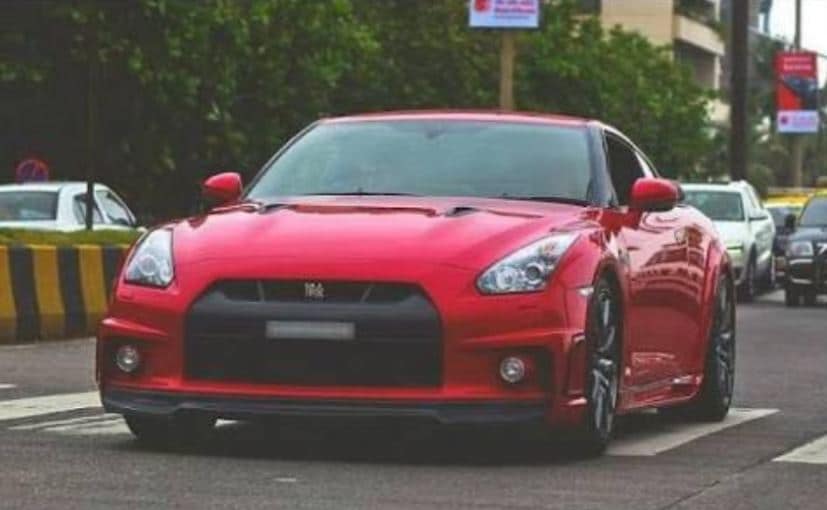
Sachin's Nissan GT-R
Photo Credit: Saurabh Jadhav
Famous GT-R owners in India include Sachin Tendulkar who has an Egoista Edition with special luxury leather seats and a more comfortable interior package. His car has been modified by Wald which includes a whole exterior body kit and some performance upgrades. The first customer for the 2017 Nissan GT-R will be John Abraham who is also Nissan's brand ambassador. Other famous Nissan GT-R owners include Usain Bolt and of course, the late Paul Walker.
Related News


Latest Cars


Upcoming Cars


Latest News


 car&bike Team | Sep 16, 20262027 Kawasaki Vulcan S Launched At Rs 8.23 LakhKawasaki's cruiser returns for the new model year with a fresh colour option, a minor torque bump, and a slightly reworked braking setup.2 mins read
 car&bike Team | Sep 16, 2026Yamaha R15 V4 Gains Quickshifter In Two More Colour OptionsThe clutchless upshift option, once limited to Intensity White colour, is now available on the Racing Blue and Matte Pearl White variants as well.1 min read
 Sarthak Mahajan | Sep 16, 2026New Hyundai Bayon Design Previewed In Sketches Ahead Of India LaunchHyundai Bayon’s first sketch reveals the SUV’s fascia and other design elements.1 min read
 Abhishek Nigam | Sep 16, 2026New Bajaj Pulsar 150 vs Honda Unicorn: Which Makes More Sense?The new Pulsar 150 takes the fight to the Honda Unicorn with more power, a lighter-feeling chassis and significantly more technology. But the Unicorn counters with a bigger engine, a comfortable package and Honda's tried-and-tested commuter formula5 mins read
 Sarthak Mahajan | Sep 15, 2026Checking Pending Challans On Pre-Owned Cars To Get Easier With New 'Rosmart' Digital PlatformRDSL has signed an MoU with FADA through Rosmart, allowing customers to access challan-related and other vehicle compliance services.1 min read
 Sarthak Mahajan | Sep 15, 2026Volvo XC60 and XC90 Long-Range Plug-In Hybrid RevealedThe XC60 offers up to 200km of electric range, while the XC90 offers up to 160km. Their combined ranges stand at up to 1,240km and 1,100km, respectively.1 min read
 Seshan Vijayraghvan | Sep 15, 2026BMW i5 LWB Review: Not The M60, This Is The Proper Electric 5 SeriesThe BMW i5 LWB takes the electric 5 Series formula and puts a stronger focus on rear-seat comfort and long-distance luxury. With a 669 km claimed range, 268 bhp and a more relaxed character, is this the i5 that makes the most sense for India?7 mins read
 Preetam Bora | Sep 14, 2026Ladakh Uncharted: Himalayan Basecamp Off-Road Ride ExperienceA day-long off-road excursion from Royal Enfield’s Himalayan Basecamp event in Ladakh, the Ladakh Uncharted ride by Alpinestars was all about re-discovery!6 mins read
 Janak Sorap | Sep 12, 2026New Bajaj Pulsar 125 First Ride Review: More Tech, Less Weight, Same Pulsar DNAThe new Bajaj Pulsar 125 retains the familiar Pulsar identity but gets a new engine, lighter construction, more features and a sharper riding experience.5 mins read
 Bilal Firfiray | Sep 10, 2026Mahindra XEV 9S Review: 3 Reasons To Buy It, And 3 Reasons To AvoidEveryone keeps telling me that the Mahindra XEV 9S is not the electric XUV 7XO. I disagree.1 min read
 Abhishek Nigam | Sep 12, 2026New Bajaj Pulsar 150 Review: Is The New Pulsar, Pulsar Enough?The new Pulsar 150 gets a major mechanical and technological makeover, but does it retain the easy-going performance, familiar character and hooligan streak that made the original an icon? We ride the latest iteration to find out.8 mins read