
BMW Recalls Mini Cooper SE Over High Voltage Battery Defect

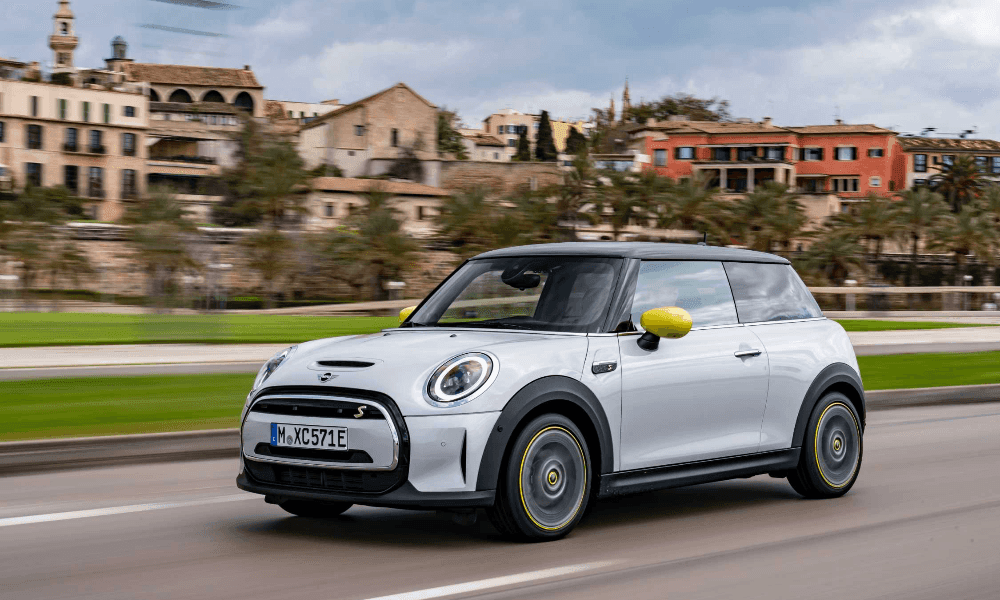
- Mini Cooper SE (2021-2023) models were recalled due to a potential water leak in the high-voltage battery housing.
- Water ingress could cause electrical faults, stalling, and, in rare cases, fire.
- BMW will inspect and reseal affected batteries free of charge for owners.
BMW, the parent company of Mini, has announced a recall affecting a select number of 2021-2023 MINI Hardtop 2 Door (Cooper SE) vehicles in North America. The recall is attributed to a high-voltage battery housing issue, where improper sealing may permit water ingress into the battery system.
Also Read: Tesla Recalls All Units Of The Cybertruck Due to Potential Accelerator Pedal Issue

Approximately 128 vehicles were reported to be affected by the manufacturing oversight, causing inadequate application of sealing compounds around the housing halves, which could allow water to penetrate the vehicle. In the event of water ingress, isolation faults may occur within the high-voltage battery, resulting in warning messages being displayed in the affected vehicles.
According to BMW, it could get worse over time, potentially leading to multiple isolation failures and vehicle stalling. In rare instances, extended periods of inactivity could result in overheating of the high-voltage battery and, consequently, a thermal event.
The decision to recall was prompted by field incidents, including one in the U.S. in October 2023 and another in Germany in January 2024. Engineering analyses of the vehicles involved suggested that thermal events were likely triggered by multiple isolation faults in the high-voltage battery system.
Also Read: Mercedes-Benz USA Recalls Select 2021-2023 Manufactured Models Over Potential Fire Risk

Upon further investigation, BMW identified an insufficient sealing process during the production of the high-voltage battery for specific and limited periods. As a result, the company has opted for a voluntary safety recall.
In the recall notice, BMW states that it will be contacting the affected car owners. Customers can schedule an appointment with a certified Mini dealer for a thorough inspection of the battery housing. If necessary, technicians will reseal the battery to prevent water intrusion. The entire repair process, including parts and labour, will be covered by BMW at no cost to the vehicle owner.
Additionally, BMW plans to conduct further field monitoring to track isolation faults and ensure the safety and reliability of the affected vehicles.
Written by – Ronit Agarwal
Related News

Latest Cars


Upcoming Cars


Latest News


 car&bike Team | Nov 11, 2026RTI vs Zero Depreciation: Which Car Insurance Cover Pays More?Return to Invoice (RTI) covers the gap between your car's current IDV (Insured Declared Value) and the original invoice value in case of theft or total loss. Zero Depreciation reduces deductions on replaced parts during accident repairs.1 min read
 car&bike Team | Nov 11, 2026Engine Protection vs Zero Depreciation: What's The Difference?Zero Depreciation reduces your share of accident repair costs, while Engine Protection covers certain engine and gearbox damage caused by water ingress or oil leakage.1 min read
 car&bike Team | Nov 11, 20262027 Hyundai Creta Interior Spied For The First TimeThe next-generation Creta's cabin gets a complete overhaul with a larger screen, a new steering wheel and more.2 mins read
 Amaan Ahmed | Nov 11, 2026'Fun' In Focus: How Honda Is Building ADV 160, Rebel 300 At Its Oldest India PlantFrom rolling out the first Activa, Honda's Manesar facility -- which marked its 25th anniversary this year -- is now primed to build the company's most exciting new products in years.1 min read
 car&bike Team | Nov 11, 2026Genesis GV90 SUV Design Patented In IndiaThe Genesis GV90's design has been patented in India just months after its global debut.1 min read
 car&bike Team | Nov 10, 20263.3 kW Vs 7.2 kW Vs 11 kW EV Chargers: Which Do You Need?Choosing a home EV charger depends on your car, daily driving and home power supply. A 3.3 kW charger works for smaller EVs, while 7.2 kW suits most mid-size electric cars. An 11 kW charger is meant for larger EVs that support three-phase charging.1 min read