
Why EV Battery Replacement Costs Are Dropping Faster Than Expected In India
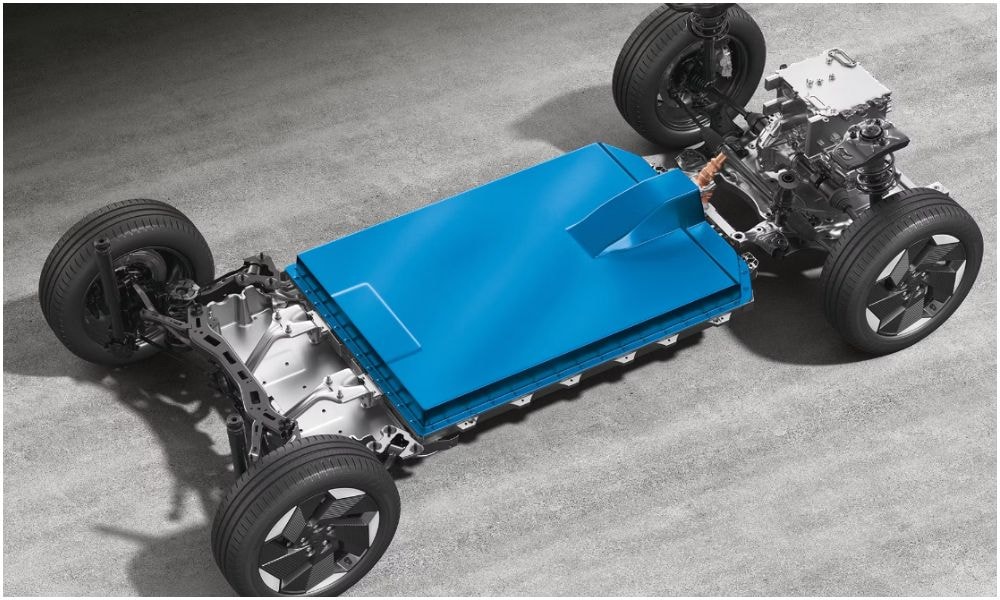
- EV battery technology is improving quickly, which can lower production costs
- Higher production and stronger competition are making batteries more affordable
- India's growing battery ecosystem could help bring these benefits to local EV owners
The biggest reason is that battery technology is improving rapidly. Manufacturers are working on better cell chemistry, improved designs and more efficient production methods. These changes can help batteries store more energy while using materials and manufacturing processes more efficiently.
This matters because an EV battery is not a fixed piece of technology. The battery used in a newer EV can be quite different from one developed several years earlier. As the technology improves, manufacturers get more opportunities to produce batteries more efficiently.
Also Read: What Happens If an EV Runs Out of Charge Before Reaching a Charger?
Is the EV Battery Industry Seeing a Smartphone Effect?
Think about what happened with smartphones. New generations arrive with better processors, cameras, screens and battery technology, while older technologies become easier and cheaper to manufacture. EV batteries are beginning to show a similar pattern as manufacturers continuously improve their designs and production methods.
Battery packs are also becoming more efficient in how they use space. Newer designs can reduce the number of components between individual cells and the complete battery pack, allowing manufacturers to simplify the overall structure.
This does not mean every new battery will automatically be cheaper than the previous one. It means the industry has more opportunities to improve the technology while producing it at larger scale.
Why Does Producing More Batteries Bring Costs Down?
Batteries benefit from economies of scale. When manufacturers produce more cells and packs, factories can improve their processes, suppliers can operate at larger volumes and production costs can be spread across more units. Competition also pushes manufacturers to find ways to make batteries more efficiently.
This trend is already visible globally. Battery prices continued to decline in 2025 despite increases in some raw material costs, with manufacturing improvements, changing battery chemistries and stronger competition helping push costs lower.
For EV owners, this matters because the battery remains one of the most important components of an electric car. If the underlying technology becomes cheaper to manufacture, future battery components and replacement packs have more room to become affordable.
Also Read: Apartment EV Charger Rules: What To Do If Your RWA Denies Permission
Are New Battery Chemistries Helping?
Yes, different battery chemistries are giving manufacturers more ways to balance cost, performance and durability. Lithium-ion batteries are not one single technology, and manufacturers can choose different chemistries depending on what a particular vehicle needs. This has helped expand the range of battery options available to EV makers.
One important example is lithium iron phosphate, or LFP. Its use has grown significantly because it can provide a lower-cost option for many EV applications, and it accounted for more than half of global EV battery deployment in 2025.
That does not mean LFP will replace every other battery chemistry. Different vehicles have different requirements, and manufacturers will continue using different technologies where they make sense.
What Does This Mean for EV Battery Replacement?
This is where the changing technology becomes especially relevant to existing EV owners. A battery replacement several years from now does not necessarily have to rely on exactly the same manufacturing technology used when the vehicle was new. Newer production methods and a larger supply base could create more affordable replacement options over time.
However, that does not mean every EV battery replacement will automatically become cheap. The replacement still has to match the vehicle's electrical system, software, physical dimensions and safety requirements. The cost can therefore vary significantly between different EVs.
Battery repairs could also become more sophisticated as the EV ecosystem matures. Some battery problems may involve individual components or sections rather than requiring an entire battery pack to be replaced. As repair and servicing capabilities develop, there could be more options between a minor repair and replacing the complete pack.
Why Does India Matter in This Battery Cost Story?
India is gradually developing its own battery manufacturing ecosystem. Government programmes are supporting domestic production of advanced chemistry cells, with manufacturing capacity being developed through the Production Linked Incentive scheme for Advanced Chemistry Cell Battery Storage.
The wider ecosystem is also developing around battery components and recycling. A stronger local supply chain can give Indian manufacturers more access to domestic production capabilities instead of relying entirely on imported cells and components.
This does not guarantee that every replacement battery in India will become cheaper. It does, however, give the market more opportunities to benefit from improvements in battery manufacturing and technology.
Why Could Battery Costs Keep Falling?
Several changes are happening at the same time, which creates more opportunities for battery costs to move lower.
- Better cell technology: New designs can improve energy storage and production efficiency.
- Higher production: Larger factories can produce batteries more efficiently.
- More competition: Battery manufacturers have greater incentives to reduce costs.
- New chemistries: Options such as LFP can offer lower-cost solutions for suitable applications.
- Improved manufacturing: Better production methods can reduce waste and improve efficiency.
- Growing Indian production: More domestic battery manufacturing can strengthen the local supply chain.
- Battery recycling: Recovering useful materials from old batteries can support a more circular supply chain.
The important point is that none of these factors guarantees a straight-line fall in prices. Raw material costs can change, supply chains can face disruptions and manufacturers can adjust their pricing. The direction of battery technology can therefore be positive without every replacement becoming cheaper at the same rate.
Also Read: What Happens To Your Home Electricity Bill When You Charge An EV Daily?
Will Your EV Battery Replacement Definitely Be Cheaper?
Not necessarily. There is an important difference between battery technology becoming cheaper to produce and the replacement battery for your particular car becoming cheaper. A replacement pack still needs to be compatible with the vehicle's electrical architecture, software, packaging and safety systems.
That is why giving one replacement-cost estimate for all EVs can be misleading. A small EV with a relatively simple battery pack and a premium EV with a more complex system can have very different replacement requirements. The same will remain true as battery technology improves.
What is changing is the technology underneath those vehicles. As more battery generations arrive, manufacturers have more opportunities to improve production, reduce material use and make batteries easier to build.
What This Means for Future EV Owners
EV batteries are becoming more like other fast-moving technologies, where each generation brings improvements and larger-scale production gradually changes what is commercially practical.
Smartphones did not become better simply because one breakthrough happened overnight, and EV batteries are following a similarly gradual process. Better chemistry, manufacturing, competition and scale are all contributing to the evolution.
For Indian EV owners, that could eventually make battery repairs and replacements less intimidating than they appear today. The exact cost will always depend on the vehicle, battery and type of repair involved, so there is no sensible universal replacement price to promise. But if the current technology trend continues, the batteries available tomorrow should have little reason to cost exactly what today's batteries do.

carandbike is not merely another name in the world of automotive web sites. We bring together the best from the world of both, cars and bikes. New cars, used cars, new bikes, - we endeavour to help you with all of that. Additionally, carandbike also strives to keep its users updated with the latest from the global automotive industry. car price, car reviews, car dealers, new bikes, and everything in between, carandbike is happy to help!
Read all latest news and reviews from car&bike Team →


Related News


Latest Cars


Upcoming Cars


Latest News


 car&bike Team | Oct 5, 2026Mercedes-Maybach S 580 e PHEV Launched In India At Rs 3.35 Crore: 585 BHP Limo Can Cover Up To 98 KM On Electric PowerThe S 580 e is the first plug-in hybrid Maybach to come to India; available only in four-seat First-Class form.3 mins read
 car&bike Team | Oct 5, 2026Mercedes-Benz India Posts Record Third Quarter Sales; Spurred By Growth Across SegmentsThe German luxury car brand has seen its best ever quarterly and year-to-date sales in the Indian market beating previous numbers1 min read
 car&bike Team | Oct 5, 2026Aprilia SXR GT 125 and 175 Launched in India, Starting at ₹1.10 LakhAprilia has rolled out two new urban tourer scooters in India, packing the biggest engine in the segment and large 14-inch wheels.1 min read
 car&bike Team | Oct 5, 2026Ampere Nexus EX+ Launched At Rs 1.30 Lakh; Gets More Powerful MotorAmpere has launched the Nexus EX+ electric scooter with a more powerful 5kW motor, an IP65-rated charger and an optional connected technology package.1 min read
 Sarthak Mahajan | Oct 5, 2026Honda XR 300L, XR 300 Rally Launched In India; Prices Start At Rs 1.83 LakhBookings for both motorcycles are now open, and these will be made-in-India models.2 mins read
 Sarthak Mahajan | Oct 5, 2026Maharashtra Transport Department Announces 13-Day Out-of-State Vehicle Inspection DriveOut-of-state vehicles without a permit or with an expired permit could face heavy financial penalties, immediate detention and compulsory re-registration.2 mins read
 Seshan Vijayraghvan | Oct 4, 20262026 Skoda Slavia Facelift Review: Upgrades That Matter And A Better AutomaticThe new Skoda Slavia brings a handful of visual and mechanical changes, most notably a new 8-speed automatic for the volume-selling 1.0-litre TSI variants.5 mins read
 Bilal Firfiray | Oct 3, 2026Kia Sorento Review: Is Bigger Always Better?The Kia Sorento has arrived to our shores at the right time. But does it have what it takes to take the market by a storm?7 mins read
 Abhishek Nigam | Oct 2, 2026MINI Countryman C Review: Has MINI Finally Grown Up Without Losing Its Personality?The new Countryman C is bigger, more practical and packed with technology, but its quirky appeal comes with a few compromises.1 min read
 Preetam Bora | Oct 3, 2026ViaTerra Spencer Riding Jacket Review: The Ideal Jacket For Indian Summers?The ViaTerra Spencer mesh riding jacket makes a strong case as a well-built, street-focussed riding jacket, combining good airflow with Level 2 protection and a snug, secure fit. Is it perfect? Read on.6 mins read
 Janak Sorap | Oct 1, 2026Yamaha YZF-R2 Track Review: New TerritoryYamaha's all-new YZF-R2 brings 200cc performance, lightweight construction and R-series DNA to a new generation of riders, but its true track potential is held back by one crucial component.7 mins read