
Anti-Lock Braking System: How It Works


Anti-lock Braking Systems are being incorporated in more and more modern day cars to try and reduce the number and severity of road accidents. The last few decades have seen car and bikemakers strive to improve and increase the list of safety features in their offerings. Technologies such as airbags and crumple zones have already saved countless lives. However the importance of effective braking is of paramount importance because rather than protecting an occupant in the case of an accident, better braking can prevent the accident from occurring at all.
Who invented Anti-Lock Braking Systems?
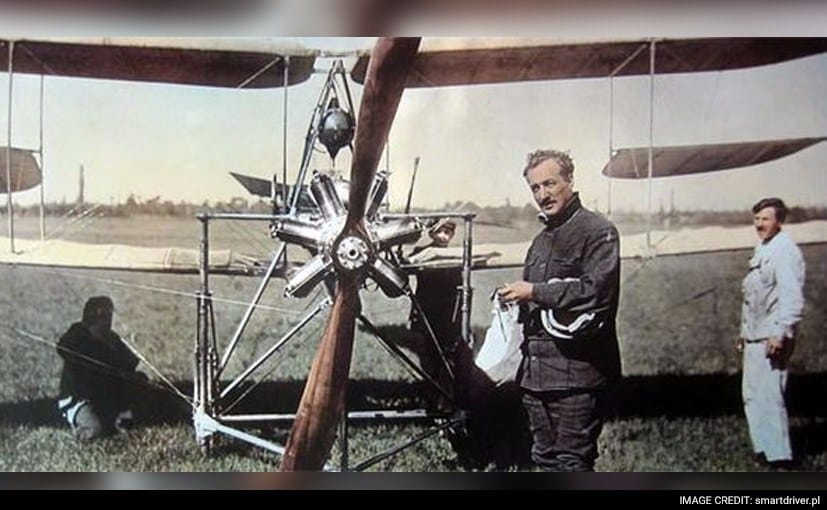
The Anti-lock Braking System (ABS) was invented by Gabriel Voisin in 1929. The rudimentary system was first used for threshold braking on airplanes at a time when the system's viability in automobiles was as yet untested. However in today's day and age, Anti-lock Braking Systems have become far more advanced thanks to the use of electronic sensors and the extensive research performed to optimize such systems.
When do Anti-Lock Braking Systems help the driver?
When driving, invariably there comes a time when the driver is required to step down hard on the brake pedal to avoid a collision. By doing so, the wheels of your car or motorcycle can lock-up without the vehicle actually stopping. This is caused by the wheels skidding across the surface rather due to the sudden lack of traction between the wheels and road surface. Since the vehicle continues in its state of motion despite braking hard, the lack of grip may cause the driver to lose control over steering as well. This can result in the car spinning out of control, especially when the driver is turning while braking.
How do Anti-Lock Braking Systems actually work?
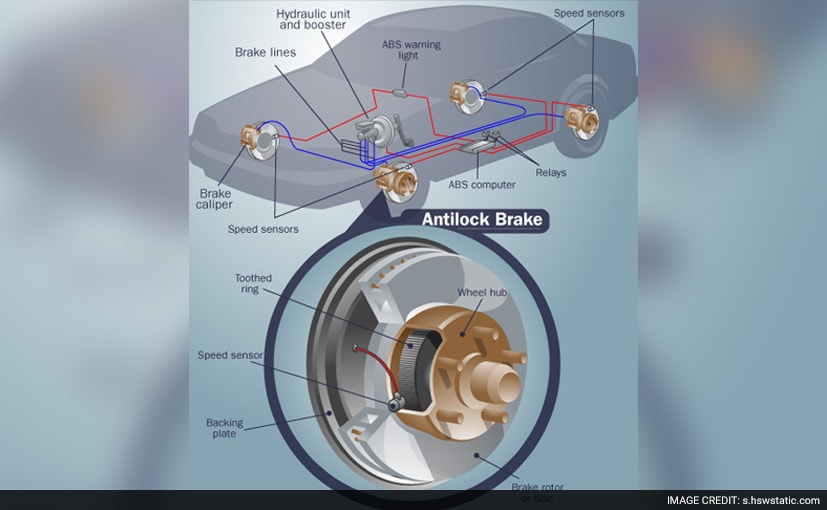
To mitigate the aforementioned issues, vehicles are now equipped with ABS which prevents wheels from locking up. Speed sensors located on all four wheels are able to read and appropriately control the turning speed of each individual wheel in the case emergency braking. Brake force is then applied intermittently to slow down the wheels without causing them to lock up. This allows the wheels to maintain grip while slowing down, thereby eliminating situations where the car might skid. Additionally, maintaining traction also allows the driver to continue giving accurate steering inputs which can allow you to turn away from and avoid an imminent accident.
When do Anti-Lock Braking Systems kick in?
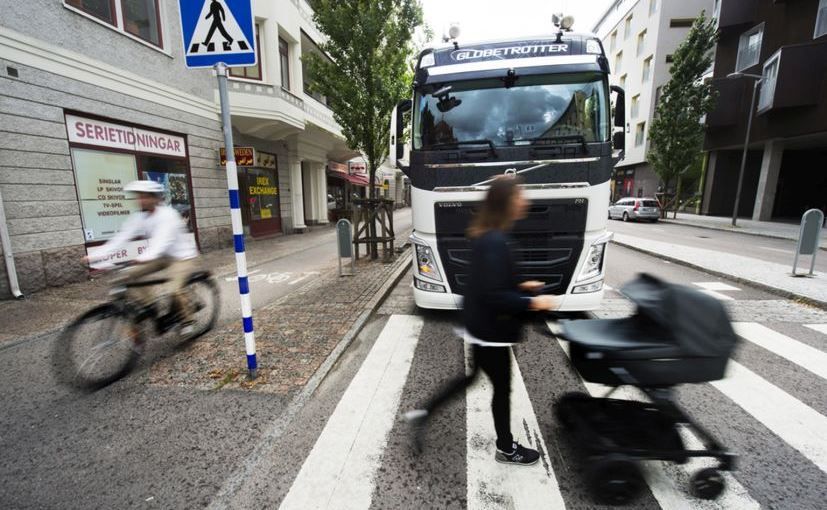
Thanks to speed sensors, ABS is able to read situations in a fraction of a second and kicks-in as soon as heavy braking or lack of traction is detected. As a result, today's cars and bikes can brake more effectively, corner at higher speeds, and tackle slippery surface conditions with relative ease.


Latest News


 Jafar Rizvi | Sep 25, 2026Renault Duster Hybrid India Launch On October 17The hybrid will become the third powertrain option in the line-up, joining the existing 1.0-litre and 1.3-litre turbo-petrol engines.2 mins read
 Sarthak Mahajan | Sep 25, 2026Tata Aeris: In PicturesThe Tata Aeris brings a major update to the long-running Tigor as its replacement.4 mins read
 car&bike Team | Sep 25, 2026Tata Aeris Colour Options RevealedThar Aeris is offered in six colour schemes with prices starting at Rs 5.29 lakh (ex-showroom).2 mins read
 Sarthak Mahajan | Sep 25, 2026Tata Aeris: Variants ExplainedThe Tata Aeris has been launched at Rs 5.29 lakh (ex-showroom) and tops out at Rs 8.19 lakh for the petrol variant.2 mins read
 Jafar Rizvi | Sep 25, 2026Tata Aeris: 8 Features That Are First In Its SegmentThe Tata Aeris brings segment-first features to the sub-4-metre sedan class, including ventilated front seats, biggest touchscreen and more.2 mins read
 Seshan Vijayraghvan | Sep 25, 20262026 Audi Q3 To Be Launched On October 16; Local Production BeginsThe third-gen Audi Q3 will be produced at SAVIPL’s Chhatrapati Sambhajinagar plant in Maharashtra.1 min read
 Bilal Firfiray | Sep 19, 2026MG Hector Tomahawk EV Review: Play It SafeMG’s new electric SUV has one of the coolest names ever, and the coolest temperament amongst its peers. But is it worth buying?7 mins read
 Preetam Bora | Sep 16, 2026Royal Enfield Himalayan 440 Review: Better Than the 450?The new Himalayan 440 with an upsized engine and gearbox has certainly improved as a touring machine and at an extremely attractive price of Rs. 2.29 Lakh. Is it the better Himalayan to choose for many riders?9 mins read
 Seshan Vijayraghvan | Sep 15, 2026BMW i5 LWB Review: Not The M60, This Is The Proper Electric 5 SeriesThe BMW i5 LWB takes the electric 5 Series formula and puts a stronger focus on rear-seat comfort and long-distance luxury. With a 669 km claimed range, 268 bhp and a more relaxed character, is this the i5 that makes the most sense for India?7 mins read
 Preetam Bora | Sep 14, 2026Ladakh Uncharted: Himalayan Basecamp Off-Road Ride ExperienceA day-long off-road excursion from Royal Enfield’s Himalayan Basecamp event in Ladakh, the Ladakh Uncharted ride by Alpinestars was all about re-discovery!6 mins read
 Janak Sorap | Sep 12, 2026New Bajaj Pulsar 125 First Ride Review: More Tech, Less Weight, Same Pulsar DNAThe new Bajaj Pulsar 125 retains the familiar Pulsar identity but gets a new engine, lighter construction, more features and a sharper riding experience.5 mins read