
What Happens to an EV After the Battery Warranty Expires?

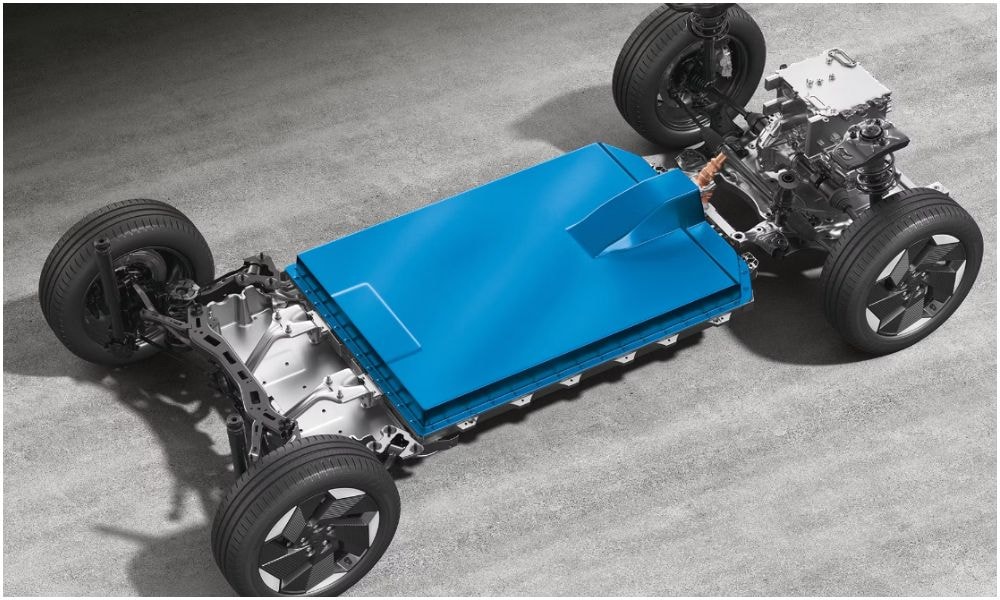
- EV batteries usually continue working well beyond their warranty period
- Battery capacity reduces gradually instead of failing overnight
- Some post-warranty battery issues can now be repaired without replacing the entire battery pack
When buying an electric car, one question comes up almost every time. "What happens after the battery warranty ends?" It's a fair concern because the battery is the most expensive part of an EV.
The good news is that an EV does not suddenly stop working once the warranty expires. Modern lithium-ion batteries are designed to last for many years after the warranty period. You'll usually notice a gradual drop in driving range rather than a sudden failure. Here's what actually happens.
What Does an EV Battery Warranty Cover?
Most EV manufacturers in India offer a battery warranty of around 8 years or 1,60,000 km, although this can vary depending on the model.
The warranty usually covers:
- Manufacturing defects
- Battery failure
- Excessive battery degradation (generally below 70% battery health)
This does not mean the battery expires after eight years. It simply means the manufacturer is no longer responsible if problems appear after the warranty period.
The Battery Doesn't Suddenly Stop Working
This is probably the biggest myth around electric vehicles. An EV battery does not suddenly fail on the day the warranty ends.
Instead, it slowly loses some of its ability to store energy every year. For most owners, this happens gradually enough that they may not even notice it during daily driving.
For example:
- A new EV offering around 400 km of range may still deliver 280-320 km after several years, depending on how it has been used and charged.
For many city users, that's still more than enough for everyday driving.
Will You Notice Any Difference?
In most cases, yes, but not a dramatic one. As the battery ages, you may notice:
- Slightly lower driving range
- Charging is taking a little longer in some situations
- Battery percentage is dropping a bit faster than when the car was new
The car itself continues to drive normally. Performance, acceleration and day-to-day usability usually remain largely unchanged unless the battery develops a fault.
What If Something Goes Wrong After the Warranty Ends?
Years ago, a battery problem often meant replacing the entire battery pack. That is not always the case anymore. Some modern EV batteries are made up of several individual modules. If one module develops a fault, manufacturers or specialised EV repair centres may be able to replace only the affected section instead of changing the complete battery pack.
A full battery replacement can still run into several lakh rupees, depending on the vehicle. If you ever face this situation, it's best to check with your vehicle manufacturer for the recommended repair process and costs.
How Do You Know If the Battery Is Healthy?
If you plan to keep your EV for a long time, it's worth checking the battery's health during regular servicing.
Most manufacturers can check:
- Battery State of Health (SoH)
- Charging history
- Individual battery cell performance
- Battery Management System (BMS) data
This gives a much clearer picture than simply looking at the remaining range shown on the dashboard.
Does Battery Warranty Affect Resale Value?
Yes, but it is not the only factor. Many buyers feel more confident purchasing an EV that still has a battery warranty remaining. Once the warranty expires, resale value may reduce slightly because future buyers know they'll be responsible for any battery-related repairs.
That said, battery health matters more than the warranty itself. A well-maintained EV with good battery health can still attract buyers even after the warranty has ended.
Can You Make the Battery Last Longer?
Yes. A few simple habits can help slow battery degradation over time.
- Charge with an AC home charger whenever possible.
- Use DC fast charging mainly for long trips.
- Avoid leaving the battery fully charged or empty for long periods.
- Park in the shade during extremely hot weather whenever possible.
- Follow the manufacturer's recommended service schedule.
These habits won't stop battery ageing completely, but they can help preserve battery health over the long term.
What Happens to the Battery at the End of Its Life?
Even when an EV battery is no longer suitable for driving, it usually isn't thrown away. Many older battery packs are reused for stationary energy storage, where they can store electricity for homes, offices or renewable energy systems.
Once they reach the end of their usable life, manufacturers send them for recycling, where valuable materials such as lithium, nickel and cobalt can be recovered and used in future batteries.
Should Battery Warranty Stop You From Buying an EV?
For most buyers, probably not. Modern EV batteries are designed to last well beyond their warranty period, and they usually lose capacity gradually rather than failing overnight. Even after the warranty ends, many owners continue using their EVs for several more years without major battery-related issues.
If you're planning to buy a used EV, focus on the battery's overall health instead of just checking whether the warranty is still active. A healthy battery, regular service history and proper maintenance are far more important than the warranty expiry date alone.
Related News


Latest Cars


Upcoming Cars


Latest News


 car&bike Team | Jul 16, 2026Hero MotoCorp Enters Germany, Expands European Presence to Five MarketsHero MotoCorp has officially entered the German market, strengthening its European presence with the launch of the Euro 5+ compliant XPulse 200 4V range.1 min read
 Jaiveer Mehra | Jul 16, 2026New Kia Syros EV Variants ExplainedThe all-electric derivative of the Syros subcompact SUV will go on sale with two battery options and in five trim levels.1 min read
 car&bike Team | Jul 16, 2026Triumph Speed Twin 1200 TFC Launched in India at Rs 21 Lakh; Limited To 750 Units WorldwideTriumph has introduced the exclusive Speed Twin 1200 TFC in India, bringing its latest Triumph Factory Custom model to the country right after its global debut.1 min read
 car&bike Team | Jul 16, 2026Royal Enfield Classic 350 With Assist & Slipper Clutch Launched At Rs. 1.95 LakhThe assist & slipper clutch as well as USB C-type charging socket are offered only on the dual-channel ABS variant, with prices starting from Rs. 1.95 lakh (Ex-showroom).3 mins read
 Jaiveer Mehra | Jul 16, 2026MG ADAPT Platform For India Debuts; To Underpin New Plug-In Hybrid SUVCarmaker confirms a plug-in hybrid and an EV on the new platform will launch within FY2027.1 min read
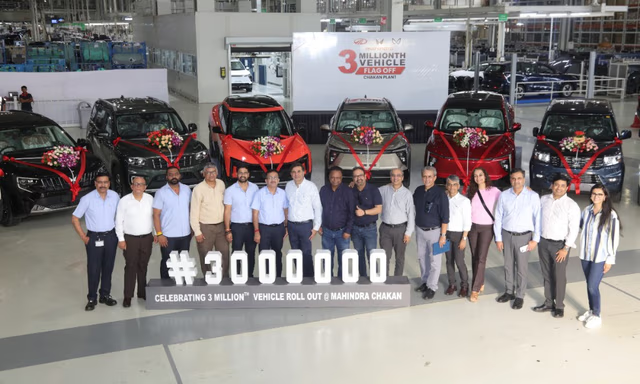 Jaiveer Mehra | Jul 16, 2026Mahindra Rolls Out Three Millionth Vehicle From Chakan PlantThe milestone vehicle was a unit of the Mahindra BE 6 electric SUV; the company currently produces 19 models, including commercial vehicles at the plant.1 min read
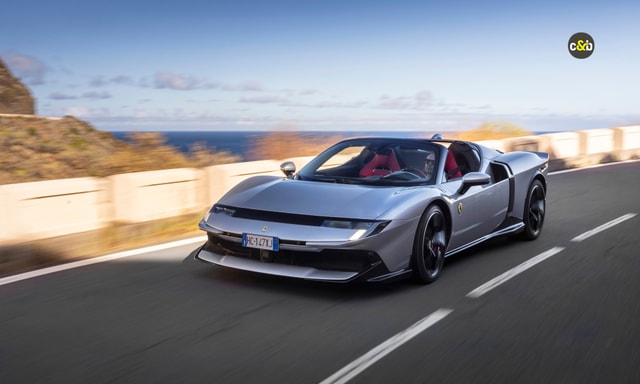 Shams Raza Naqvi | Jul 15, 2026Ferrari 849 Testarossa Spider Driven: Rs. 11.25 Crore Meets 1,000 bhpWe got behind the wheel of the most powerful convertible from Ferrari. What makes the 849 Testarossa Spider Special? We tell you.1 min read
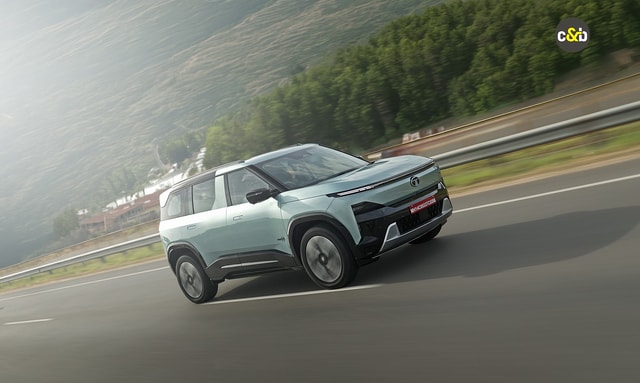 Bilal Firfiray | Jul 12, 2026Tata Sierra EV Review: Reborn In The Electric AgeThe Tata Sierra EV isn’t drastically different from its ICE counterpart when it comes to design. But being the seventh electric offering from the Indian brand, it has gotten a few things right, and very few things wrong. But is it a compelling package to buy?5 mins read
 Jafar Rizvi | Jul 13, 2026TVS Orbiter Long-Term Review (Report 1): Settling In Takes TimeFirst impressions weren't the strongest, but the Orbiter has made a mark in its first month in the car&bike garage.5 mins read
 Seshan Vijayraghvan | Jul 7, 2026Tata Altroz Petrol DCA Long-Term Review: Intercity & Highway Driving ReportWe tested the Tata Altroz Petro DCA’s highway manners, intercity performance, and real-world fuel efficiency.1 min read
 Seshan Vijayraghvan | Jun 29, 2026Renault Kiger vs Toyota Urban Cruiser Taisor: Which Underdog Deserves Your Money?Both the Kiger and the Taisor promise strong performance, solid features, comfortable cabins and everyday usability, all without breaking the bank. But which of these underrated subcompact SUVs deserves your money? Let's find out.1 min read