
Safe Motorcycle Riding Tips for the Monsoon
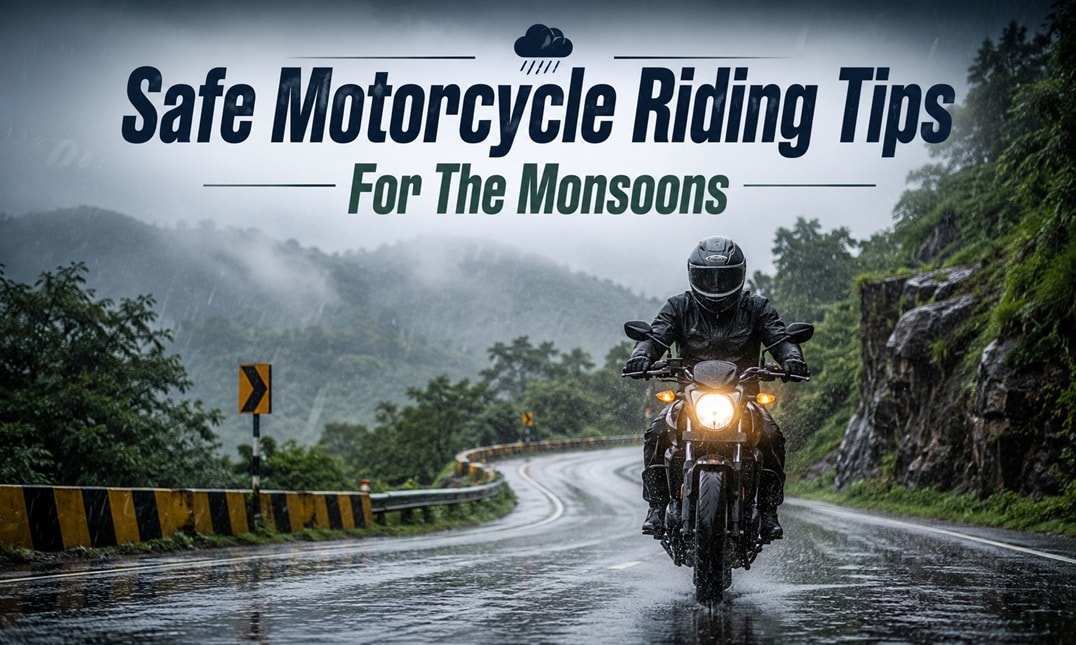
- Smooth throttle inputs and including more braking distances are key to safe riding in the rain.
- Tyre condition, visibility and protective riding gear play a crucial role in wet weather condition.
- Avoiding waterlogged roads and maintaining your motorcycle post a monsoon ride goes a long way in the longevity of the machine.
The arrival of the monsoon brings much-needed relief from the summer heat, but it also transforms familiar roads into far more challenging riding conditions. Wet tarmac, reduced visibility, hidden potholes and slippery surfaces demand a different approach behind the handlebars. While riding in the rain can still be enjoyable, staying safe requires a combination of proper motorcycle maintenance, the right riding gear and smoother, more calculated riding inputs. Here are some essential tips to help you ride safely and confidently throughout the rainy season.
1. Check Your Tyres
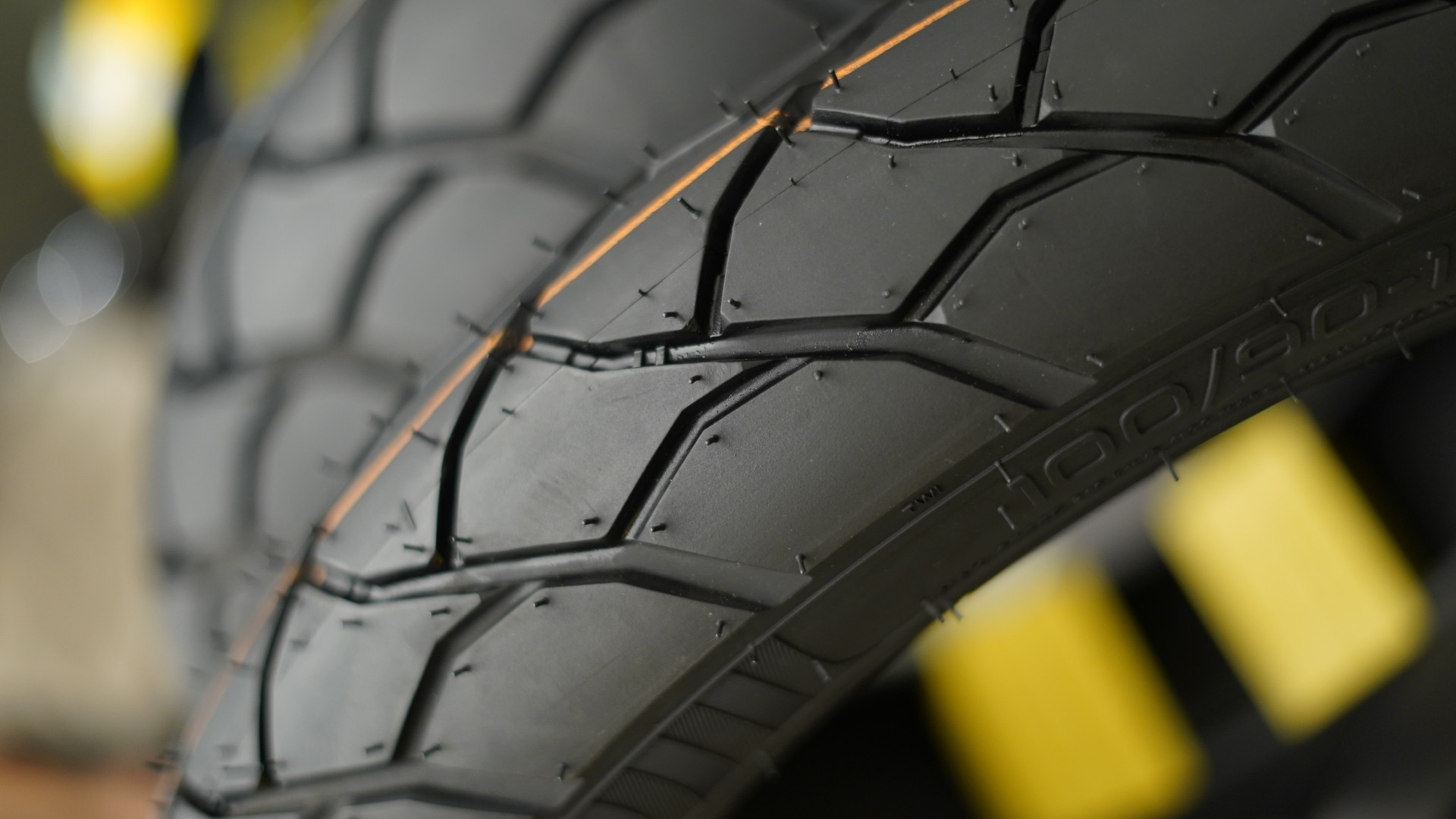
Tyres are more than often the first to get neglected when it comes to maintenance even then they are the single most important safety component on a motorcycle. And it only becomes more crucial during monsoons. Since they are the only point of contact between the bike and the road, maintaining them in good condition is critical for ensuring adequate grip on wet surfaces.
First is to inspect the tread depth. The grooves in the tyre are designed to channel water away from the contact patch, allowing the rubber to maintain a good contact with the road. If the tread is worn out, water cannot disperse effectively, increasing the likelihood of aquaplaning, where the tyre rides on a thin layer of water instead of the direct road surface.
Secondly, what is equally important is tyre pressure. Underinflated tyres can feel unstable and wear out prematurely, while overinflated tyres reduce the size of the contact patch, compromising grip. Always follow the manufacturer's recommended tyre pressures and inspect the tyres for cuts, cracks or embedded objects regularly.
2. Ride Smoothly, Not Aggressively

One of the biggest adaptations riders need to make in wet weather is changing their riding style. Every control input—whether it's throttling, braking or steering—should be smooth and progressive.
Opening the throttle too aggressively can overwhelm the available traction, particularly on motorcycles with a strong torque delivery. Similarly, abrupt steering inputs or sudden lane changes can unsettle the bike. Instead, focus on making deliberate and predictable movements. Also, the application of brakes should be progressive and not sudden which can cause loss of traction.
Smooth riding inputs not only helps maintain grip but also makes the ride more comfortable and less fatiguing in difficult weather conditions.
3. Increase Your Following Distance

Wet roads significantly increase braking distances, meaning you'll need more space to stop safely. Instead of maintaining the typical two-second gap used in dry conditions, increase it to at least four seconds or more, if visibility is poor. This extra safety buffer gives you additional time to react if the vehicle ahead brakes suddenly or encounters a hazard.
Avoid tailgating, even in slow-moving city traffic. Cars often create a spray of water that reduces your visibility, while maintaining more distance also allows you to spot potholes and obstacles earlier.
Lastly, when following cars or other vehicles, try to remain in line with the tyre paths, as many a time motorist will had avoided a pothole between the wheels which can take you by surprise.
Also Read: Best Bikes for College Students in India
4. Use Both Brakes Progressively

Many modern motorcycles are equipped with ABS, which helps prevent wheel lock-up during emergency braking. However, ABS cannot create grip where none exists. Riders should still apply the brakes progressively, beginning with moderate pressure before gradually increasing braking force.
Use both the front and rear brakes, rather than relying heavily on just one. Progressive braking allows the suspension to settle and transfers weight more smoothly, reducing the chances of upsetting the motorcycle’s balance.
Note that even with advanced electronics, stopping distances will always be longer on wet roads and grip level by default will be less.
5. Watch Out for Slippery Surfaces
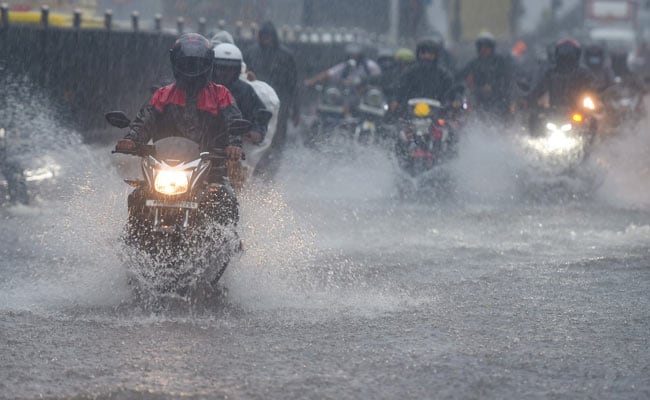
Not every part of the road offers the same traction levels during the rains. Everything from painted lane markings, zebra crossings, metal manhole covers, steel bridge joints, road repair patches, can become extremely slippery when wet. These surfaces provide significantly less grip than regular asphalt and can catch riders off guard, especially while cornering, braking or while switching lanes.
Extra caution is needed during the first rainfall after a prolonged dry spell as oil, fuel residue, dust and rubber particles stuck to the road surface come lose affecting the grip levels. Also, these items accumulate on the road over time and mix with the first rainwater, creating an exceptionally slippery surface before it eventually gets washed away.
Also Read: What To Do If A Falling Tree Damages Your Vehicle During Monsoon
6. Stay Visible
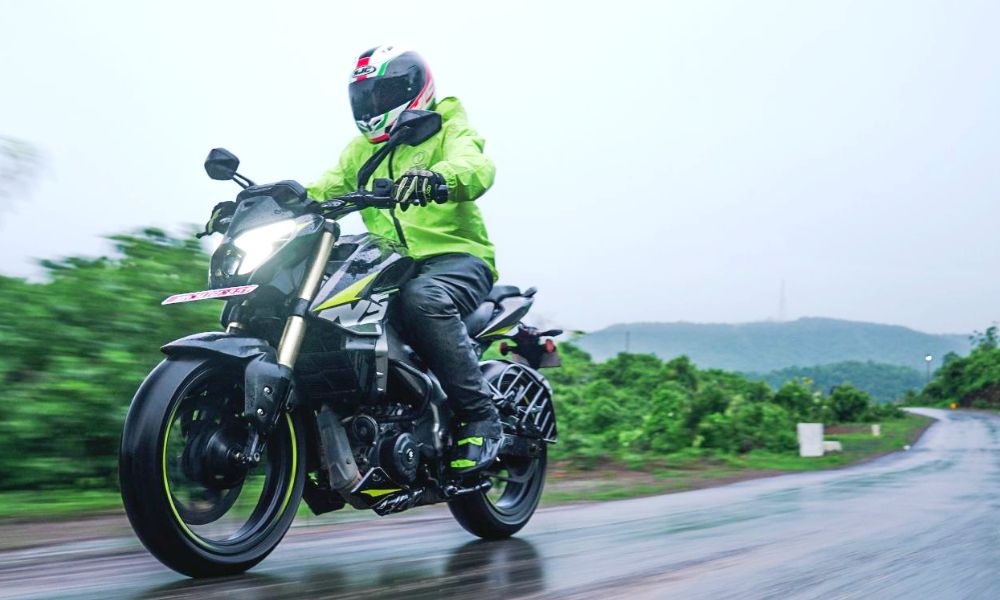
Rain affects visibility for everyone on the road and hence one should always ride with the headlight switched on when raining, even during the daytime, as it makes you far more noticeable to other motorists. Wearing brightly coloured or reflective riding gear further improves visibility, especially during heavy rain or overcast conditions.
A clean visor is equally important. A dirty, scratched or smudged visor affects visibility, and it only gets worse with light from oncoming vehicles, making it harder to see at night. If your helmet supports it, installing a Pinlock insert or anti-fog spray can dramatically reduce visor fogging. Additionally, one can consider applying a water repellent spray on the outside of the visor to prevent water from sticking on it. Use hazard lights only when the visibility with extremely low or under heavy downpour. Ensure all the auxiliary lights on the vehicle are working properly. Also remember that larger vehicles often have significant blind spots. Avoid lingering alongside trucks or buses where the driver may not be able to see you.
7. Avoid Large Water Pools

Waterlogged roads can be hazards during the monsoon. A seemingly shallow puddle can conceal deep potholes, broken tarmac, construction debris or worst, an open drain. Hitting one unexpectedly can damage the motorcycle or throw the rider off balance. If you cannot judge the depth of water, slow down and ride around it whenever it is safe to do so. Riding through deep water also carries the risk of water entering the air intake, potentially causing severe engine damage through hydro-lock.
After crossing waterlogged sections, lightly apply the brakes for a short distance to help dry the brakes (especially in the case of drum brakes) and restore normal braking performance.
8. Wear Proper Rain Gear

The right riding gear is just as important as the motorcycle itself. A waterproof riding jacket and pants help keep you dry, allowing you to stay focused instead of being distracted by discomfort. If, consider wearing rain liners on the riding gear. Consider investing in waterproof gloves as they maintain grip on the controls, and protection in cast of a fall. Waterproof riding boots prevent your feet from slipping when stopping on wet surfaces apart from protection.
Avoid using umbrellas or oversized raincoats that can flap violently at speed and interfere with motorcycle controls. Purpose-built riding rain gear is designed to fit over protective riding equipment without restricting movement.
9. Avoid More Lean Angles

Cornering in the rain requires greater planning and smoother technique. Reduce your speed before entering the turn, complete most of your braking while the motorcycle is upright and maintain a steady throttle through the corner. Avoid making sudden steering corrections or abrupt throttle inputs while leaned over. And most importantly, avoid riding through corners with the clutch pulled in. One more thing to remember is that tyres have a finite amount of grip, and that limit arrives sooner when leaning on wet roads.
Also Read: 150cc vs 200cc vs 350cc Bikes in India: Which Engine Segment Should You Choose in 2026?
10. Keep Your Motorcycle Clean After Rains
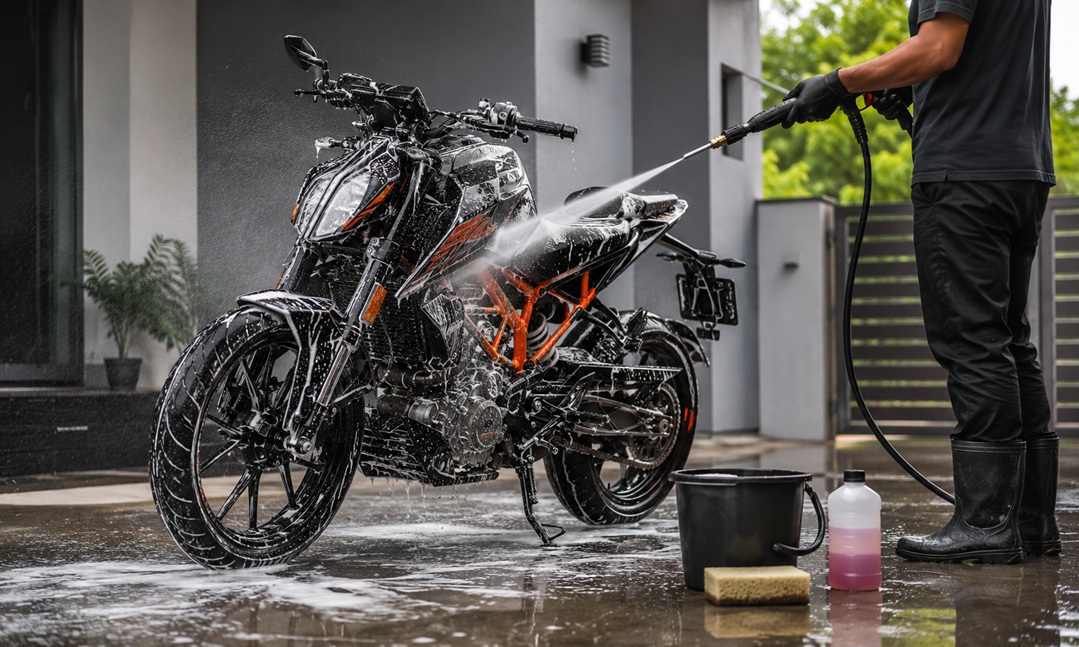
While this apply to all motorcycles, it is important especially in the case of machines. Post rides, as rainwater often carries mud, road salt, grime and other contaminants that can accelerate corrosion, especially on metal parts, electrical connectors and hard to reach areas. Hosing down the motorcycle after riding in heavy rain helps remove these deposits before they cause any unwanted damage.
Pay special attention to the drive chain on cleaning and keeping it lubricated after it has dried, as rainwater washes away lubrication. Inspect the brake discs, brake calipers, fork tubes and suspension linkages for accumulated dirt.
11. Be Prepared for Reduced Visibility
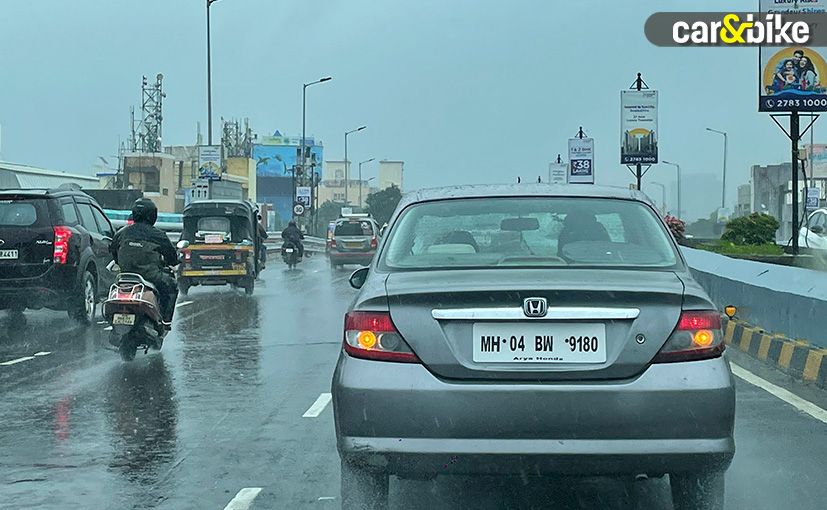
Sometimes, the safest decision is simply not to continue riding. Heavy rainfall can reduce visibility to just a few metres, making it difficult to judge traffic, road conditions and hazards ahead. In such situations, avoid trying to "push through" the rain. Instead, pull over at a safe location away from moving traffic, switch on your hazard lights if necessary, and wait until visibility improves. Riding cautiously is important but recognising when conditions have become unsafe is equally vital. No destination is worth risking your safety.




Latest News


 car&bike Team | Oct 25, 2026Used Cars For Daily Commuting You Can Buy In 2026 Under Rs. 5 Lakh: Swift, Tiago, Grand i10 & MoreLooking for a used car under Rs. 5 lakh? These nine options cover everything from easy-to-drive hatchbacks to automatic cars and spacious family sedans.1 min read
 Sarthak Mahajan | Oct 25, 2026Hyundai Bayon Launch Tomorrow: What To Expect?The Hyundai Bayon will be powered by the same 1.5-litre naturally aspirated petrol engine as the Creta.4 mins read
 car&bike Team | Oct 24, 2026Top 5 Bikes In India With The Most Comfortable Pillion Seats For Elderly Parents And Family MembersLooking for a motorcycle that keeps your parents comfortable on rides? These five options offer relaxed ergonomics and pillion-friendly seats.5 mins read
 car&bike Team | Oct 24, 2026Maruti Victoris Gets An Aurum Edition Accessory Kit: Priced At Rs 22,990The accessory kit includes copper accents, chrome trim and 3D mats.1 min read
 car&bike Team | Oct 24, 2026Need A Family 7-Seater Under Rs 7 Lakh? 5 Dependable Second-Hand MPVs And SUVs: Ertiga, Triber, Mobilio & MoreA Rs. 7 lakh budget can get you a used seven-seater for family trips, school runs and everyday travel. The Maruti Suzuki Ertiga, Renault Triber and Honda Mobilio are worth considering, along with the Mahindra TUV300 and Maruti Suzuki Eeco.9 mins read
 car&bike Team | Oct 23, 2026Updated Bajaj Pulsar NS200 Launched at Rs. 1.60 Lakh; Gets TFT Display, Ride Modes, Quickshifter & MoreThe Pulsar NS200 now gets an electronic throttle body which enables six ride modes and traction control, as well as a quickshifter and TFT display with Google Maps mirroring.1 min read