
Vehicle Scrappage Policy Explained: What Happens When Your Vehicle Reaches End of Life?


- Private cars are normally tested for fitness after 15 years
- When you trade in an old car, you may be eligible for numerous types of incentives
- The age restrictions for diesel and petrol cars are more stringent in Delhi-NCR.
Many owners just continued to drive their old cars for as long as they could for years. Things are different today. India's Vehicle Scrappage Policy is gradually moving older vehicles towards fitness testing, increased taxes, and stricter compliance.
The concept is straightforward: get rid of the older, dirtier cars and promote the use of cleaner, safer cars. However, many car owners are still not aware of what exactly happens when their car reaches the end of its legal life despite hearing about the scrappage rules on a regular basis.
When Does a Vehicle Become Too Old?
This is dependent on your location and the kind of vehicle you have.
The first registration of most private vehicles in India is valid for 15 years. After this time, the car will be required to be tested at an approved testing facility.
If the vehicle passes, registration is typically valid for another five years. If it does not, it could be classified as an End-of-Life Vehicle (ELV) and be eligible for scrappage.
The Delhi-NCR Exception
The rules are much more stringent in Delhi-NCR.
- The diesel vehicles are not allowed to run after 10 years
- Petrol vehicles are not allowed to run after 15 years
Unlike many other states, fitness certificates generally do not override these limits. If a vehicle is discovered operating on public roads after the age limit, it may be impounded and scrapped.
Why Many Owners Are Choosing to Scrap Older Vehicles
The scrappage policy is not just about getting rid of old cars. It also provides a number of financial incentives to owners who choose to scrap eligible vehicles at authorised facilities.
A Certificate of Deposit (CoD) is issued to the owner of a vehicle that is scrapped at a Registered Vehicle Scrapping Facility (RVSF). This certificate can help reduce the cost of buying a new vehicle.
What Benefits Can You Get After Scrapping a Vehicle?
Depending on the vehicle and state, the combined savings can add up to a significant amount when purchasing a replacement vehicle.
| Benefit | Potential Savings |
| Scrap value payout | Based on vehicle weight and material value |
| Road tax rebate | Up to 25% for private vehicles |
| Registration fee waiver | Full waiver on eligible registrations |
| Manufacturer discount | Additional benefits from participating brands |
Can You Sell the Vehicle’s Certificate of Deposit?
Interestingly, yes. The Certificate of Deposit may be transferred or sold to another eligible buyer by the approved system if the buyer does not intend to purchase a new vehicle at that time. This has effectively made the certificate an extra asset for some owners, rather than just a scrappage document.
How the Vehicle Scrapping Process Works
The process is much easier than people think.
Step 1: Choose an Authorised Scraping Facility
The first step is to choose a government-approved Registered Vehicle Scrapping Facility via the official portal. Do not buy and sell on informal markets, as they do not have the authority to provide valid scrappage certificates.
Step 2: Clear Pending Issues
Prior to the start of the scrapping process, make sure:
- Any vehicle loan is closed
- Hypothecation has been removed
- Pending challans are cleared
- Registration documents are available
These checks are usually confirmed electronically prior to proceeding.
Step 3: Vehicle Inspection and Evaluation
The scrapping facility verifies:
- Chassis number
- Registration details
- Vehicle condition
- Major components such as the engine and gearbox
The amount of the scrap payout depends on the weight of the vehicle and the value of the materials.
Step 4: Registration Cancellation
After the scrapping is finished, the facility uploads the proof of destruction and starts the deregistration process in the system. The car is then taken off the official records.
What Happens If You Decide Not to Scrap It?
Many owners think that they can just keep driving the same car for as long as they want. In fact, maintaining an older car on the road is getting more and more costly.
Owners may face:
- Higher fitness testing costs
- Green tax charges
- Repeated compliance checks
- Registration renewal expenses
- Risk of penalties for expired fitness certificates
These expenses can add up over time, making it more cost-effective to replace an older vehicle than to keep it.
Why the Government Is Pushing Vehicle Scrappage
The policy is not only about emissions.
Older vehicles generally:
- Pollute more
- Consume more fuel
- Lacks modern safety features
- Require higher maintenance
Scrapping also enables the recycling and reuse of valuable materials like steel, aluminium, copper and other parts for manufacturing new vehicles.
Is Scrapping Always the Right Choice?
Not necessarily. A well-maintained vehicle that passes fitness tests may still have several years of usable life left in many parts of India. Owners should, however, weigh up the cost of renewal, taxes, repairs and compliance against the benefits of the scrappage programme. Scrapping may be a better financial decision than owning for some cars, particularly older diesels and cars that are used a lot and break down often.
What Owners Should Know Before Their Vehicle Turns 15
The Vehicle Scrappage Policy is slowly altering the lifespan of vehicles on Indian roads. Although a 15th birthday of your vehicle doesn't necessarily mean that it has to be scrapped, it does mean that owners must be ready for a series of inspections, renewal costs and compliance requirements.
If your vehicle is nearing that age, it's important to know your choices early on. Planning ahead can help you avoid unnecessary costs and make the most of the benefits available under the policy, whether you're renewing, selling or scrapping the vehicle.


Latest News


 Jaiveer Mehra | Jul 20, 2026Hyundai Boulder Sport Incoming? New Off-Roader Revealed In Design PatentA new design patent filed under the Hyundai & Kia brands previews a Boulder concept-inspired SUV.1 min read
 car&bike Team | Jul 20, 2026MG M9, Cyberster Prices Hiked By Up To Rs 5 LakhThe Cyberster now costs over Rs 5 lakh more than before, while the M9 electric MPV has become Rs 4.04 lakh dearer.2 mins read
 car&bike Team | Jul 20, 2026MG Cyberster, M9 Couture Editions Unveiled: Bookings OpenCouture Editions of the Cyberster and M9 are limited to just 50 units each.1 min read
 car&bike Team | Jul 20, 2026Tata Nexon To Be Launched In South Africa As ‘Osprey’Tata Motors is adding another model to its South African range, but not with a familiar name. The Nexon will be introduced there as the Osprey, with sales set to begin later this quarter.1 min read
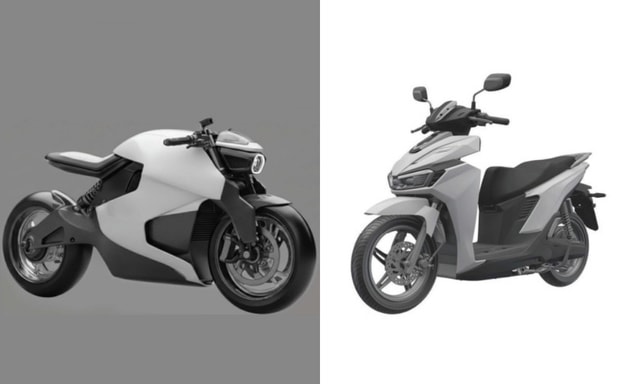 car&bike Team | Jul 20, 2026VinFast Patents Two New Electric Two-Wheelers In India Ahead Of Market EntryFresh patent filings suggest VinFast's India two-wheeler ambitions could extend beyond the electric scooters it has already confirmed.1 min read
 Jaiveer Mehra | Jul 18, 2026Ferrari Amalfi Spider Launched In India At Rs 4.60 CroreDrop-top variant of Ferrari’s entry 2+ Grand Tourer costs a little more than Rs 50 lakh more than the Coupe.2 mins read
 Shams Raza Naqvi | Jul 15, 2026Ferrari 849 Testarossa Spider Driven: Rs. 11.25 Crore Meets 1,000 bhpWe got behind the wheel of the most powerful convertible from Ferrari. What makes the 849 Testarossa Spider Special? We tell you.1 min read
 Bilal Firfiray | Jul 12, 2026Tata Sierra EV Review: Reborn In The Electric AgeThe Tata Sierra EV isn’t drastically different from its ICE counterpart when it comes to design. But being the seventh electric offering from the Indian brand, it has gotten a few things right, and very few things wrong. But is it a compelling package to buy?5 mins read
 Jafar Rizvi | Jul 13, 2026TVS Orbiter Long-Term Review (Report 1): Settling In Takes TimeFirst impressions weren't the strongest, but the Orbiter has made a mark in its first month in the car&bike garage.5 mins read
 Seshan Vijayraghvan | Jul 7, 2026Tata Altroz Petrol DCA Long-Term Review: Intercity & Highway Driving ReportWe tested the Tata Altroz Petro DCA’s highway manners, intercity performance, and real-world fuel efficiency.1 min read
 Seshan Vijayraghvan | Jun 29, 2026Renault Kiger vs Toyota Urban Cruiser Taisor: Which Underdog Deserves Your Money?Both the Kiger and the Taisor promise strong performance, solid features, comfortable cabins and everyday usability, all without breaking the bank. But which of these underrated subcompact SUVs deserves your money? Let's find out.1 min read