
Will Anyone Buy Your Used EV After the 8-Year Battery Warranty Expires?

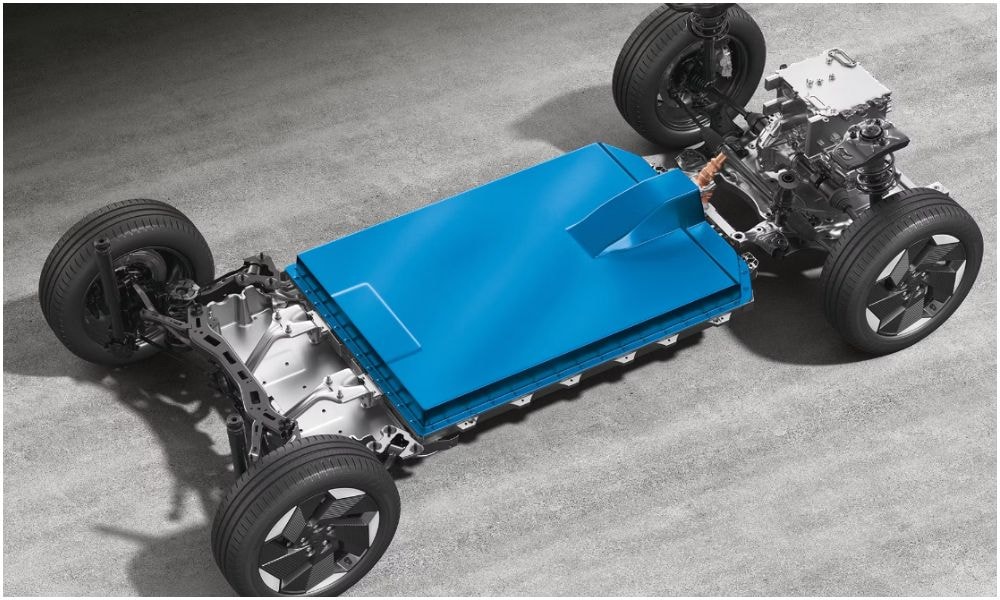
One of the biggest questions surrounding electric vehicles today isn't charging, range, or running costs. It's resale value. Most EVs sold in India come with an 8-year battery warranty, which gives buyers confidence during ownership. But as the first generation of mass-market EVs begins approaching that milestone, many owners are starting to wonder what happens next.
Will someone still buy an electric car after the battery warranty expires? The short answer is yes. However, the answer comes with an important caveat. The battery doesn't suddenly stop working after eight years, but the lack of warranty protection can make buyers much more cautious. Let's understand why.
Does an EV Battery Suddenly Fail After 8 Years?
Not at all. One of the biggest myths about electric vehicles is that the battery becomes unusable the moment the warranty expires.
In reality, battery degradation happens gradually over time. Most modern EV batteries lose a small percentage of capacity every year rather than failing suddenly. That means an EV that originally delivered 300 km of real-world range may still comfortably offer 230-250 km after several years of use.
For most city users, that remains more than enough for daily driving. The challenge isn't necessarily battery performance. The challenge is buyer confidence.
Why Buyers Become Nervous After Warranty Expiry
When someone buys a used petrol car, they generally understand the risks involved. A clutch replacement, suspension work, or even an engine repair can be estimated fairly easily.
An EV creates a different concern. The battery pack is the single most expensive component in the vehicle, and many buyers worry about what happens if something goes wrong after the warranty period ends.
Even if the battery is perfectly healthy, the possibility of a large repair bill often makes buyers negotiate aggressively or avoid older EVs altogether. This fear has a direct impact on resale values.
The Battery Replacement Cost Factor
One reason buyers become cautious is the potential replacement cost. While battery prices are gradually falling, replacing an entire battery pack can still be expensive.
| EV Segment | Estimated Battery Replacement Cost |
| Small EVs | Rs. 4 lakh onwards |
| Mid-size EVs | Rs. 9 lakh onwards |
| Premium EVs | Significantly higher |
The reality is that most batteries will never require a complete replacement at the eight-year mark.
However, the possibility alone is enough to influence buyer behaviour. If a used EV is worth Rs. 4 lakh and a battery replacement could cost a similar amount, many buyers naturally become more cautious.
Why Resale Values Usually Drop Faster
Several factors combine to create what many people call the "used EV resale cliff."
Rapid Technology Improvements
EV technology evolves much faster than traditional petrol cars. A car that offered 250 km of range a few years ago may now compete against newer models offering 400 km or more at similar price points. As newer EVs improve, older models naturally face stronger depreciation pressure.
Battery Health Uncertainty
Most used-car buyers can understand an odometer reading. Battery health is less visible. Without proper documentation, many buyers assume the worst and reduce their offers accordingly.
Warranty Expiry Concerns
A car with two years of battery warranty remaining feels much safer than one with no warranty at all. That remaining warranty often becomes a major selling point in the used EV market.
What Actually Matters More Than Age?
When it comes to used EVs, battery health is usually more important than age. A well-maintained eight-year-old EV can be a better purchase than a poorly maintained five-year-old one.
This is why serious buyers increasingly look for:
- Battery State of Health (SoH) reports
- Authorised service records
- Charging history
- Remaining battery warranty
- Overall vehicle condition
A strong battery health report can significantly improve resale prospects.
The Best Time to Sell an EV
If resale value is your primary concern, many owners choose to upgrade before the battery warranty expires. The ideal range is often between Years 5 and 6.
At this stage:
- Most of the battery warranty is still available
- Battery health is generally strong
- Buyer confidence remains high
- Depreciation is lower compared to an out-of-warranty vehicle
This doesn't mean you must sell your EV before Year 8. It simply means resale becomes easier when warranty coverage still exists.
Why Older EVs Will Still Have Buyers
Despite the concerns, older EVs are unlikely to become unsellable. In fact, they may appeal to a different type of buyer.
An eight-year-old EV can make sense for:
- Urban commuters with short daily drives
- Families looking for a second car
- Delivery fleets operating fixed routes
- Budget-conscious buyers entering EV ownership
For someone driving 30-40 km a day, even an older EV with reduced range can still be perfectly practical.
Things You Should Do Before Selling an Older EV
A few simple steps can improve resale value significantly.
Get a Battery Health Report
An authorised battery diagnostic report helps replace assumptions with facts.
Maintain Complete Service Records
Detailed maintenance history builds buyer confidence.
Keep Charging Documentation
If the car was primarily charged at home using slow charging, mention it.
Highlight Real-World Range
Being transparent about actual range helps set realistic expectations and avoids unnecessary negotiations.
The Real Question Isn't Warranty Expiry
The biggest mistake many buyers make is focusing only on the warranty end date. A battery warranty expiring doesn't automatically mean the battery is near the end of its life.
What matters more is the actual condition of the battery, how the vehicle was used, and whether there is documentation to support its health.
As battery diagnostics become more common and the used EV market matures, buyers are likely to focus less on the warranty expiry date and more on verified battery health.
Should You Be Worried About Selling an EV After 8 Years?
You will almost certainly find a buyer for a well-maintained EV even after the battery warranty expires. The challenge is that buyers will factor in the additional risk of owning an out-of-warranty battery and negotiate accordingly.
For owners, the best strategy is simple: maintain the car properly, keep service records, obtain a battery health report, and be transparent about its condition. A healthy battery can still make an older EV an attractive option for the right buyer, even when the warranty has long expired.


Latest News


 Sarthak Mahajan | Aug 18, 20262027 Skoda Slavia Facelift: Top 5 ChangesGets first-in-segment rear-seat massager, 360-degree cameras and much more.1 min read
 Jafar Rizvi | Aug 18, 20262027 Skoda Slavia Facelift Makes India Debut; Bookings OpenThe updated Slavia gets a new automatic gearbox for the 1.0 litre TSI, more equipment and a few styling changes.3 mins read
 Amaan Ahmed | Aug 18, 2026Skoda Superb Diesel Confirmed For India Launch In 2027First showcased at the 2025 Auto Expo in New Delhi, the current-gen Superb diesel will finally be launched in India next year as a full import.3 mins read
 Jaiveer Mehra | Aug 18, 2026Skoda Octavia RS Pre-Bookings Reopen; Only 50 Units AvailableSkoda says that deliveries of the second lot of Octavia RS will happen during the festive season.1 min read
 Sarthak Mahajan | Aug 18, 2026Royal Enfield Classic 350 Gorkha Edition Launched At Rs 2.11 LakhGets a legendary crossed Khukris insignia on the tank and side panels.1 min read
 Bilal Firfiray | Aug 18, 2026Mercedes-Benz C-Class Facelift Revealed; India Debut Next YearComes with newer plug-in hybrid powertrain, newer cabin themes, AI-based MB.OS and rear wheel steering. New family design makes it way as well.1 min read
 Janak Sorap | Aug 17, 2026Bajaj Pulsar N160 SS First Ride Review: The Most Tech-Loaded Pulsar Yet?The Bajaj Pulsar N160 SS brings more power, new-age electronics and sharper styling to the familiar 160cc Pulsar formula.5 mins read
 Jaiveer Mehra | Aug 16, 2026Honda Amaze CVT Long Term First Report: 1800 Km InThe Amaze is the first sedan to join our long term feet in a year, and while on paper it lacks some of the features offered in its rivals, there’s plenty of promise in the package.1 min read
 Preetam Bora | Aug 12, 2026Royal Enfield Himalayan 440 Custom Review: Beating RE to the PunchDelhi-based custom motorcycle shop TNT Motorcycles introduces packages to convert existing Himalayan 411 adventure bikes to Himalayan 440. Is it worth the expense?8 mins read
 Seshan Vijayraghvan | Aug 11, 20262026 Nissan Tekton 700 km Review: Can It Conquer The Himalayas?We drove the newly launched Nissan Tekton from Chandigarh all the way up to Leh, covering over 700 km with the new SUV. From exploring the Tekton’s capabilities in the Himalayas to setting an India Book Record, here’s how the trip unfolded.8 mins read
 Preetam Bora | Aug 11, 20262026 Aprilia Tuono 457 Special Edition First Ride Review: Should You Buy It?The 2026 Aprilia Tuono 457 delivers an engaging, everyday riding experience with strong performance. At its price point, the Tuono 457 is a brilliant motorcycle, but not quite the complete package. Why is that, and should you still buy it? Read on.8 mins read