
FIA Reveals New Direction For Next Generation F1 Engines For 2021

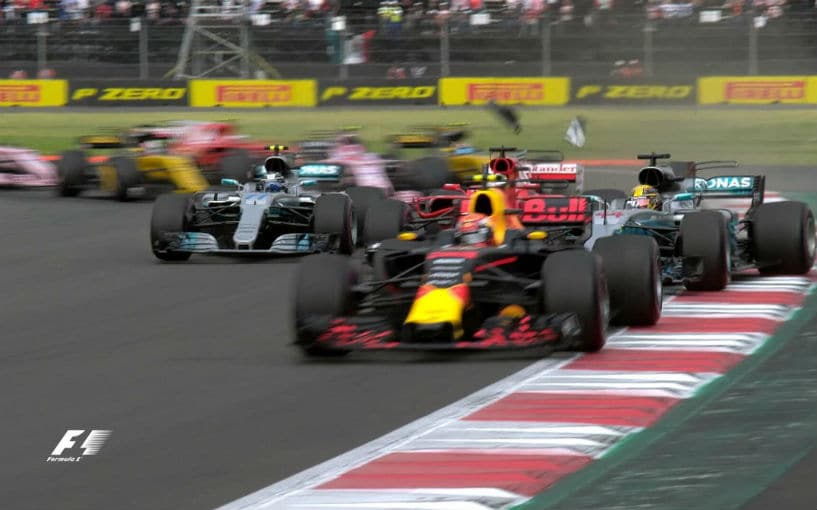
- The 1.6-litre V6 turbo unit run at 3000 rpm and higher for better noise
- There will be tighter fuel regulations and limits on number of fuels used
- FIA will continue working for another year on the new engine specs
Formula 1 bosses and governing body FIA have revealed details on the next generation engines that will make its debut in 2021. F1 teams, the FIA, commercial rights holders, as well as potential new manufacturers met in Paris earlier today to discuss the objectives regarding the new engine rules that will be introduced for the 2021 season. The meeting outlined the objectives by the FIA on the future regulations of the next generation F1 power units (PU), which include improved noise, reduced cost, maintaining road relevance with hybrid technology and more level playing field for teams.
FIA Secretary-General for Sport, Peter Bayer said, "Today was a key step in the development of the Power Unit regulations for 2021. The FIA has been working with the Commercial Rights Holder to define a positive step forward for these regulations which maintain Formula One's place at the pinnacle of motor sport technology whilst addressing the key issues facing the sport such as cost, road relevance and fan experience at the racetrack. We felt it was important to bring the teams into the discussions today and explain the direction we are taking and I'm pleased with the response we have received."
The proposals that were shared have been developed jointly by the FIA and F1 using data and input from teams, power unit suppliers and outside experts. The announcement also said that the overall framework for the 2021 power unit definition will be in place and published by the FIA at the end of 2017. However, FIA will continue working for another year on the new engine specifications, before which teams will not be able to commence work on the new engines.
The proposal for the 2021 power units includes retaining the 1.6-litre V6 Turbo Hybrid, but the motor will run at 3000 rpm higher to improve sound. The proposal also includes simplifying the internals on the PU, in a bid to restrict development costs and discourage extreme designs and running conditions. The MGU-H will be removed as well.
Furthermore, the MGU-K will be made more powerful with focus on manual driver deployment of the additional power, which will have the option to save up energy over several laps to give a "controlled tactical element to racing." There will also be a single turbo with dimensional constraints and weight limits, while a standard energy store and control electronics will be mandated. There will also be high level of external prescriptive design to give 'Plug-And-Play' engine/chassis/transmission swap capability. There will be tighter fuel regulations and limits on number of fuels used.
Formula 1 will see a major overhaul three years from now with new manufacturers, drivers and teams coming in, and this is the beginning towards the same. The current F1 power unit will serve purpose until then. However, the remaining part of 2017 and 2018 will have the FIA, F1 and the teams to establish power unit test and development restrictions as well as cost containment measures.
A series of meetings will now commence with all the interested parties to discuss and develop the proposal in the spirit of the widest possible cooperation.
Related News


Latest Cars


Upcoming Cars


Latest News


 car&bike Team | Jun 29, 2026Tata Sierra EV Launch Today: What To Expect?The Sierra EV is expected to share much of its package with the Harrier EV.3 mins read
 car&bike Team | Jun 29, 2026Delhi EV Policy Approved: Electric Cars Under Rs 30 Lakh To Get Full Tax ExemptionThe new policy offers purchase incentives and scrappage benefits while laying down a roadmap for EV-only registrations across several vehicle segments, including two-wheelers from 2028.2 mins read
 car&bike Team | Jun 29, 2026New-Gen BMW X5 Teased Ahead Of Global Debut TomorrowThe teaser previews a fresh X-shaped lighting signature in a familiar illuminated grille setup.3 mins read
 Jaiveer Mehra | Jun 28, 2026Nissan Tekton Spied Undisguised Ahead Of July 9 DebutSole image of the SUV showcases the rear design of the SUV.1 min read
 Carandbike Team | Jun 28, 2026Renault Kwid Facelift India Launch On July 3Latest facelift marks the second major update for the entry hatchback since its launch in 2015.1 min read
 Amaan Ahmed | Jun 27, 2026Future Hyundai, Kia Cars May Feature In-Built UVC SanitiserHyundai Motor Group has unveiled 'Plasma Care UVC' technology, which utilises plasma lamps to safely and effectively destroy bacteria and viruses present inside a car.1 min read
 Seshan Vijayraghvan | Jun 29, 2026Renault Kiger vs Toyota Urban Cruiser Taisor: Which Underdog Deserves Your Money?Both the Kiger and the Taisor promise strong performance, solid features, comfortable cabins and everyday usability, all without breaking the bank. But which of these underrated subcompact SUVs deserves your money? Let's find out.1 min read
 Seshan Vijayraghvan | Jun 29, 2026Skoda Kodiaq RS Review: The Best Kodiaq Yet?The Skoda Kodiaq RS is finally here, and it's every bit as exciting as I expected. But was it worth the wait?7 mins read
 Bilal Firfiray | Jun 28, 2026BMW X6 M60i Review: It’s Back And HOW!The BMW X6 M60i blends a 530bhp twin-turbo V8, with its unmistakable coupe-SUV styling. There’s plenty of character, but is it worth your money?6 mins read
 Janak Sorap | Jun 25, 2026350cc Bajaj Dominar 400 Review: Same Character, Lower PriceA slightly lower displacement engine, a significantly lower price tag and nearly the same performance — the Bajaj Dominar 400 aims to be smarter rather than faster.6 mins read
 Preetam Bora | Jun 25, 20262026 Bajaj Pulsar NS400Z First Ride Review: Smaller Engine, But Should You Buy It?The Bajaj Pulsar NS400Z won our Two-Wheeler Upgrade of the Year. Then new tax slabs happened. Smaller engine, same badge – but does it still deliver?6 mins read