
2026 Bajaj Pulsar NS400Z First Ride Review: Smaller Engine, But Should You Buy It?


- Entertaining performance & dynamics at a budget
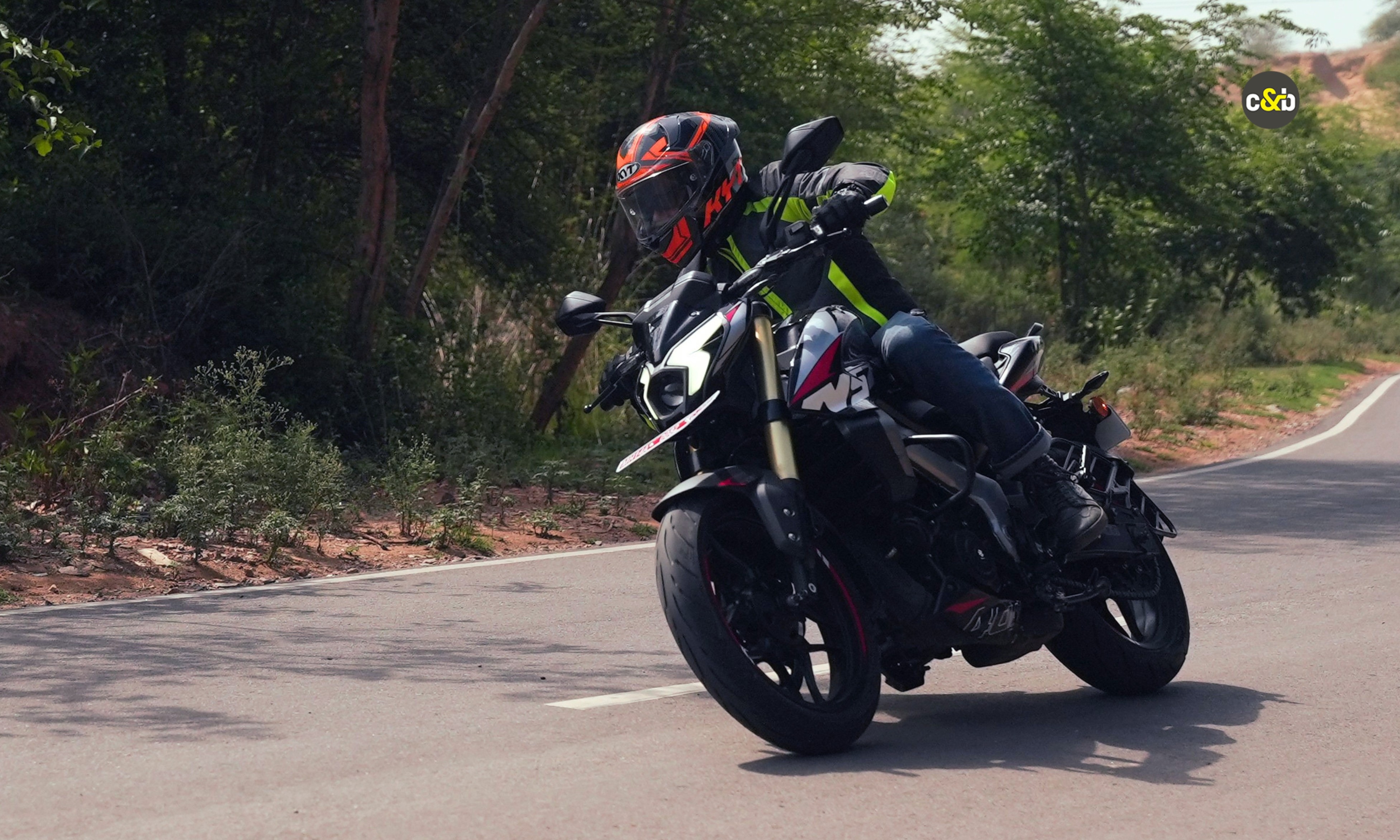
- Sharp handling & dynamics offer confidence & stability
- Feature rich package that punches well above its class
Last year, the Bajaj Pulsar NS400Z got a massive update – a 373cc engine with more power, better tyres and brakes, and a quickshifter thrown in. At Rs. 1.92 lakh (ex-showroom), it was an absolute bang-for-buck proposition. It was so good, that earlier this year, the Pulsar NS400Z won Two-Wheeler Upgrade of the Year at the 2026 car&bike awards.
Also Read: Triumph Tracker 400 First Ride Review
Also Read: 350 cc Bajaj Dominar 400 Review
But fast forward to April 2026, and reality hit – new tax slabs for motorcycles. Anything above 350cc now attracts significantly higher taxes, and with that, higher price tags. So, Bajaj has done what it believes is best for customers, and for business – downsizing to a smaller 349 cc engine, keeping the NS400Z affordable and within reach, and now priced at Rs. 1.82 lakh (ex-showroom).
Also Read: Bajaj Pulsar NS400Z Price Slashed By Rs. 14,000
But here's the question – with a smaller engine, and marginally less power and torque on tap, does the NS400Z still have the oomph? And more importantly, does it still hold on to its USP – serious performance at a serious discount? We took it out for a quick first ride to find out.
Also Read: Bajaj Pulsar NS400Z Launched With 350 cc Engine
2026 Pulsar NS400Z: Design & Features

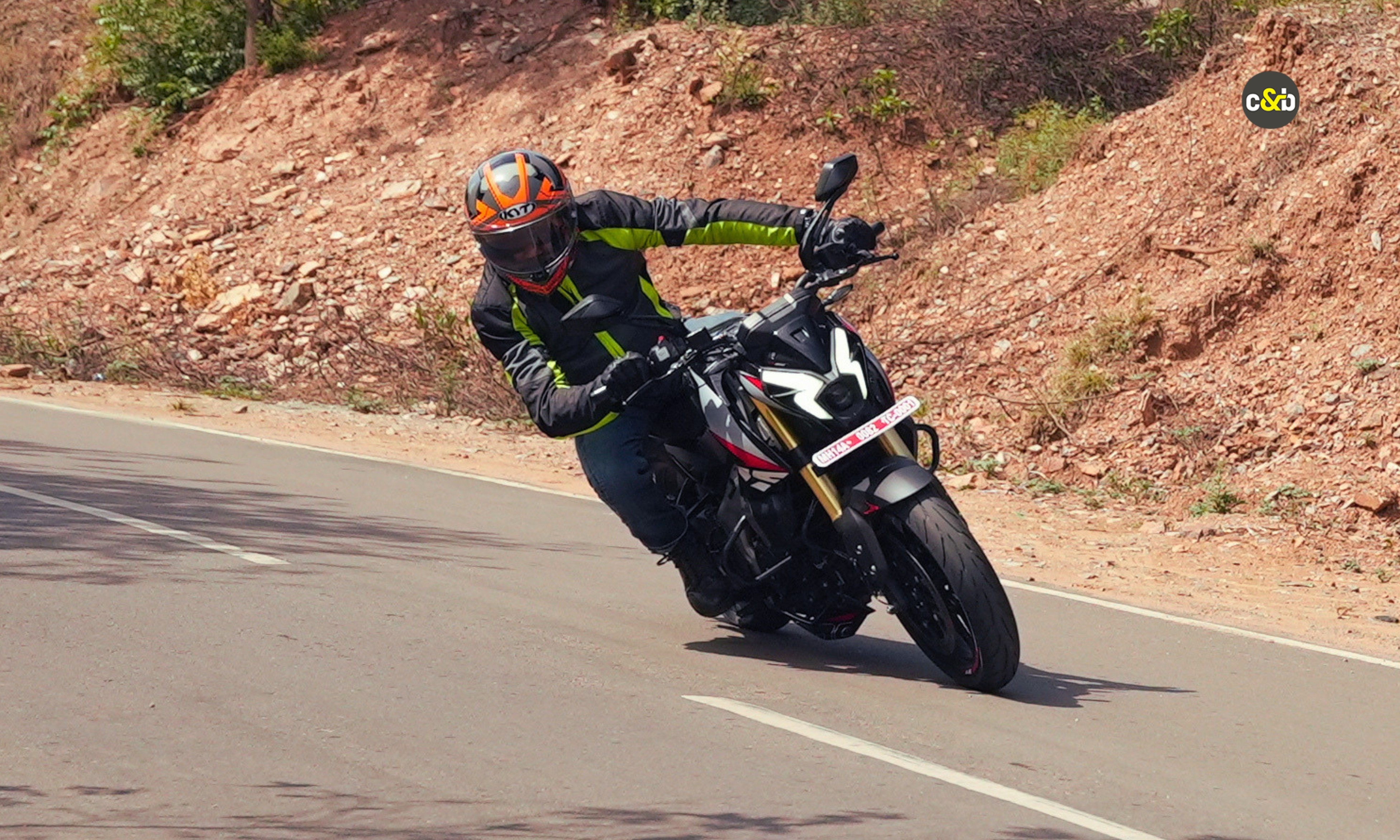
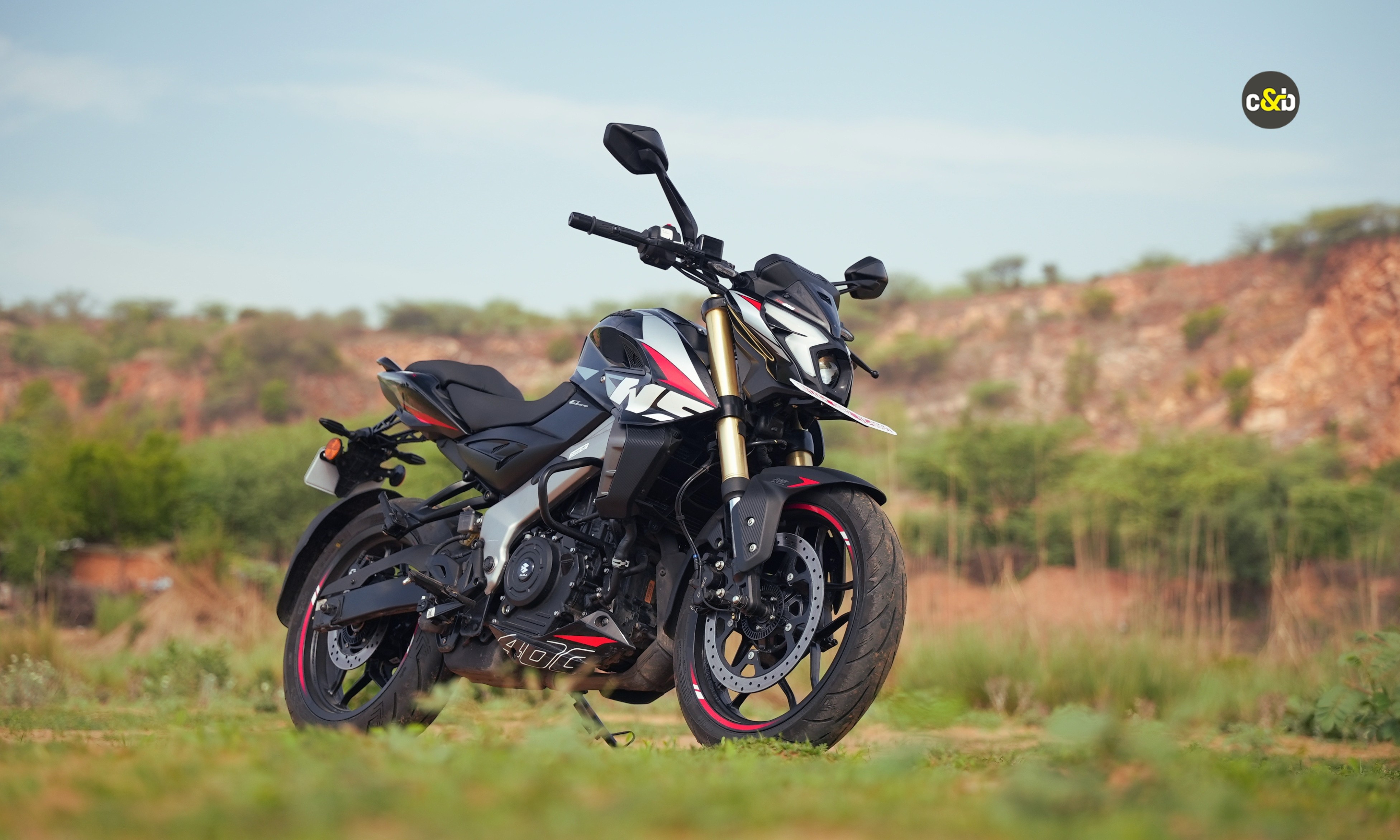
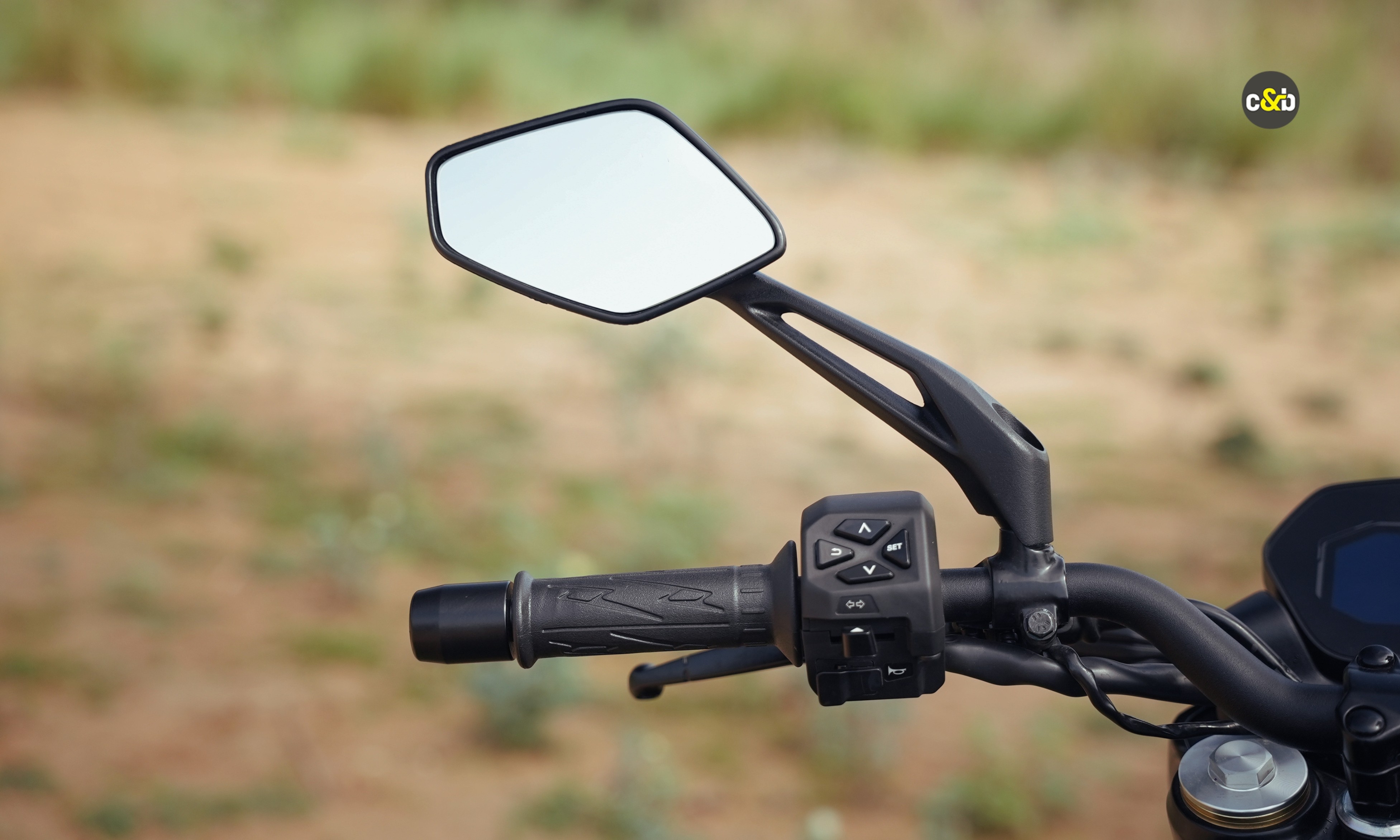
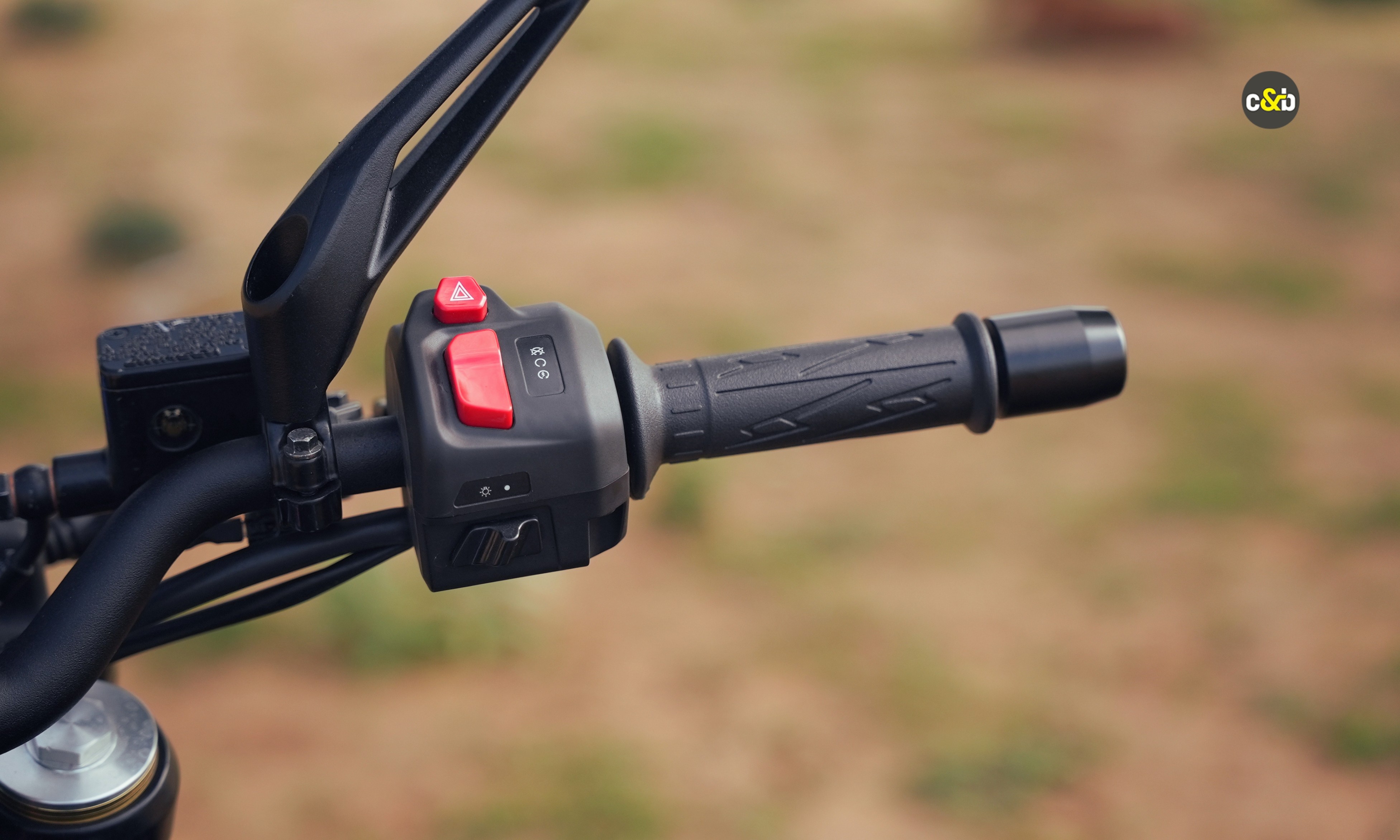
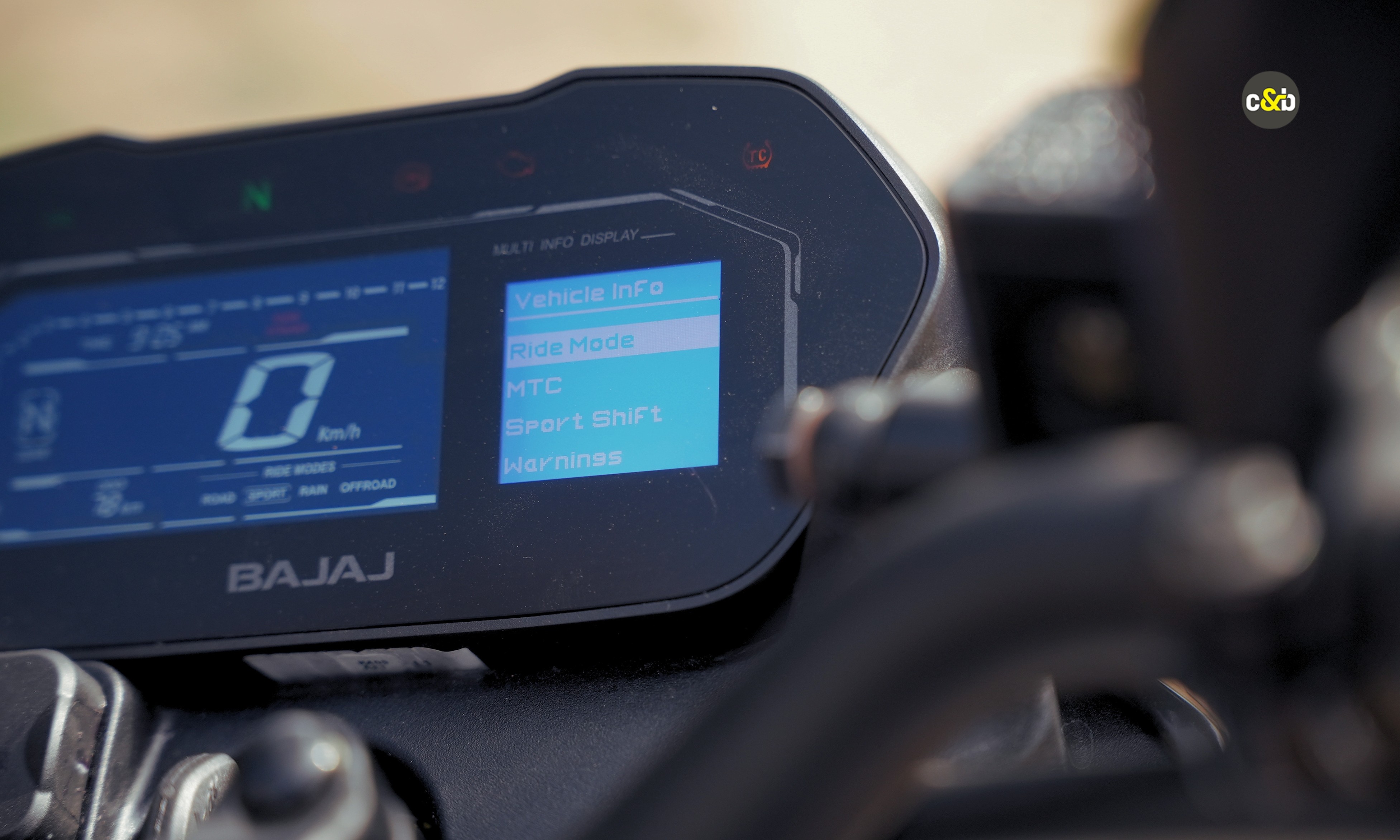
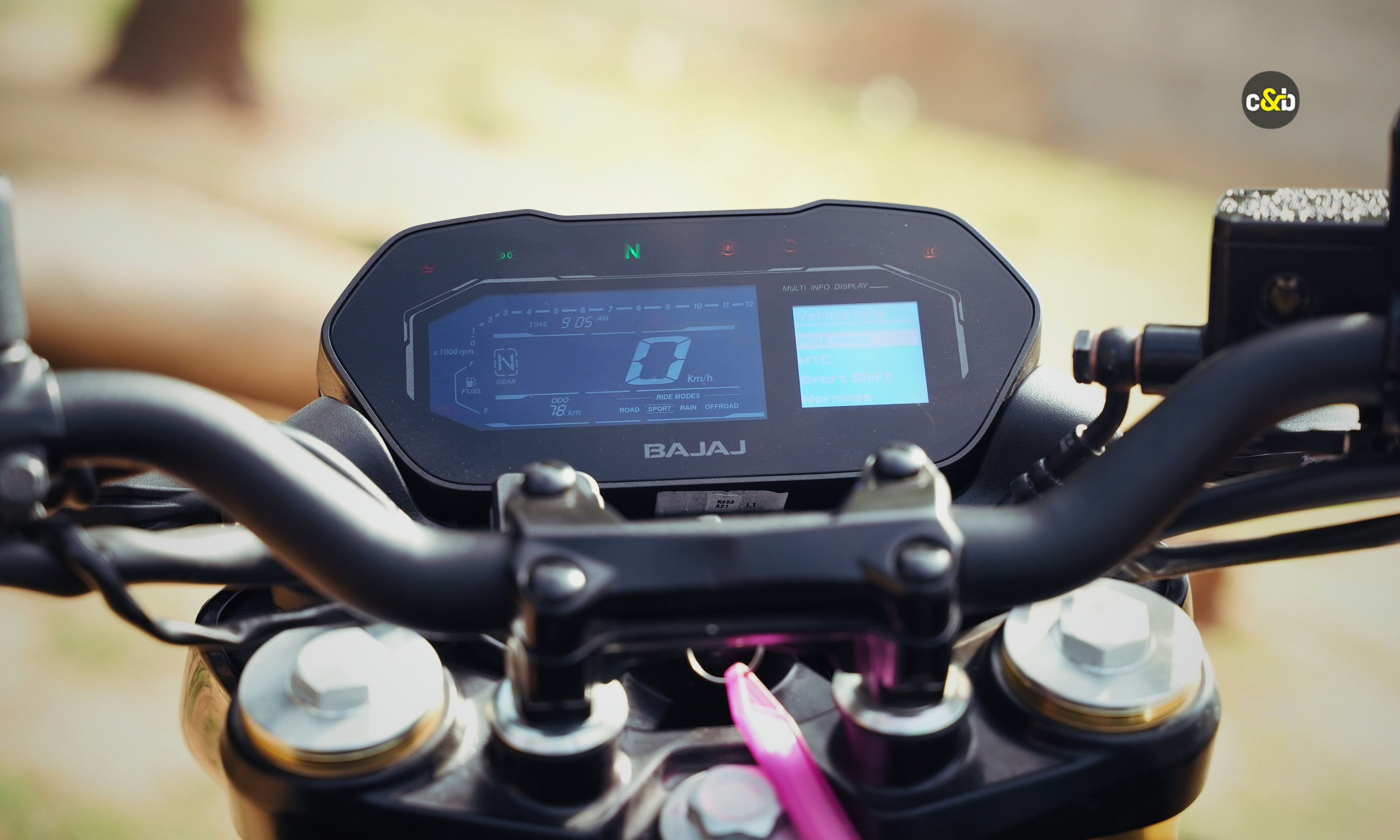
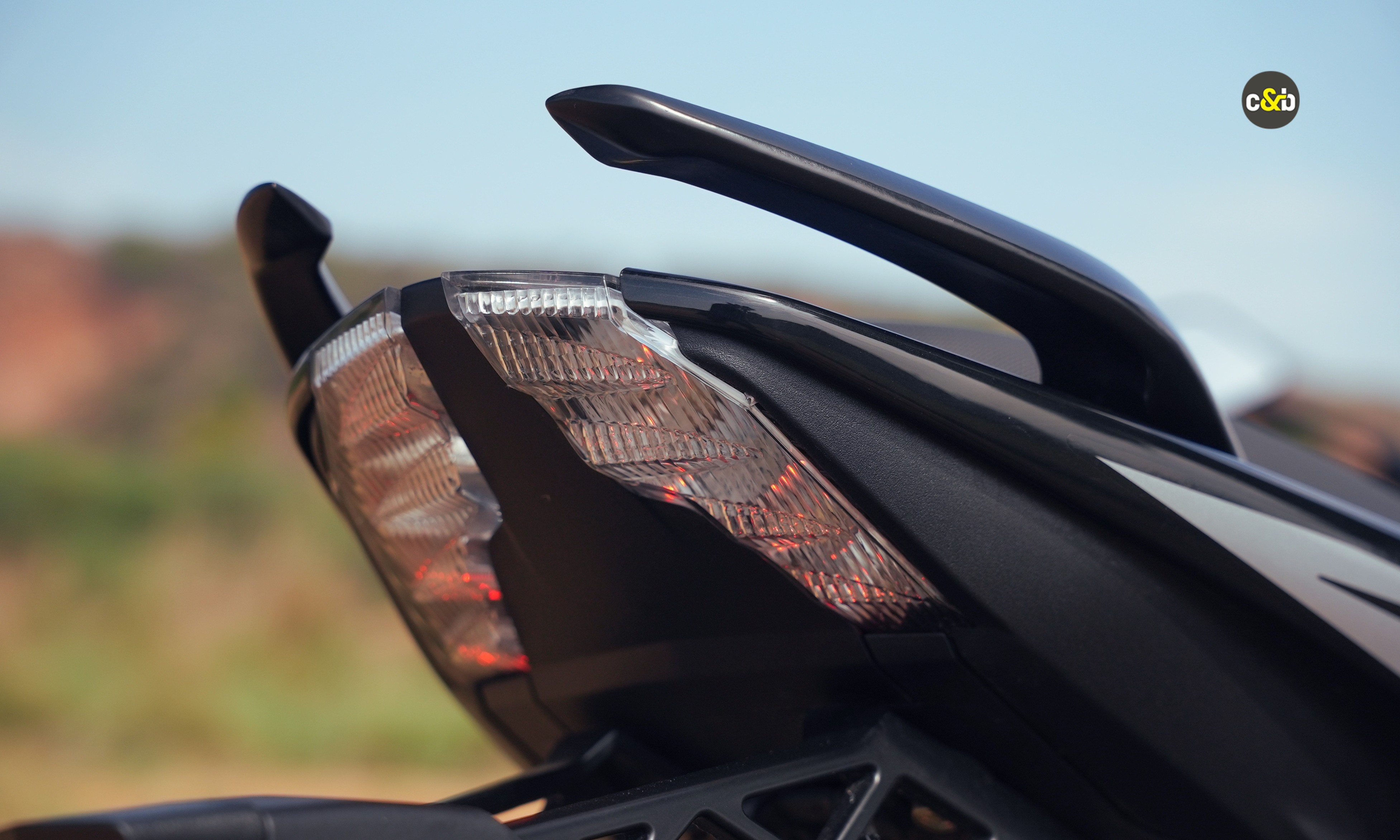
In the design department, nothing's changed. Same flagship Pulsar stance, same proportions, same details, top to bottom. On the features front too, it's business as usual – four ride modes (Road, Rain, Sport and Off-Road), traction control, Bluetooth connectivity, and the quickshifter all carry over, untouched.
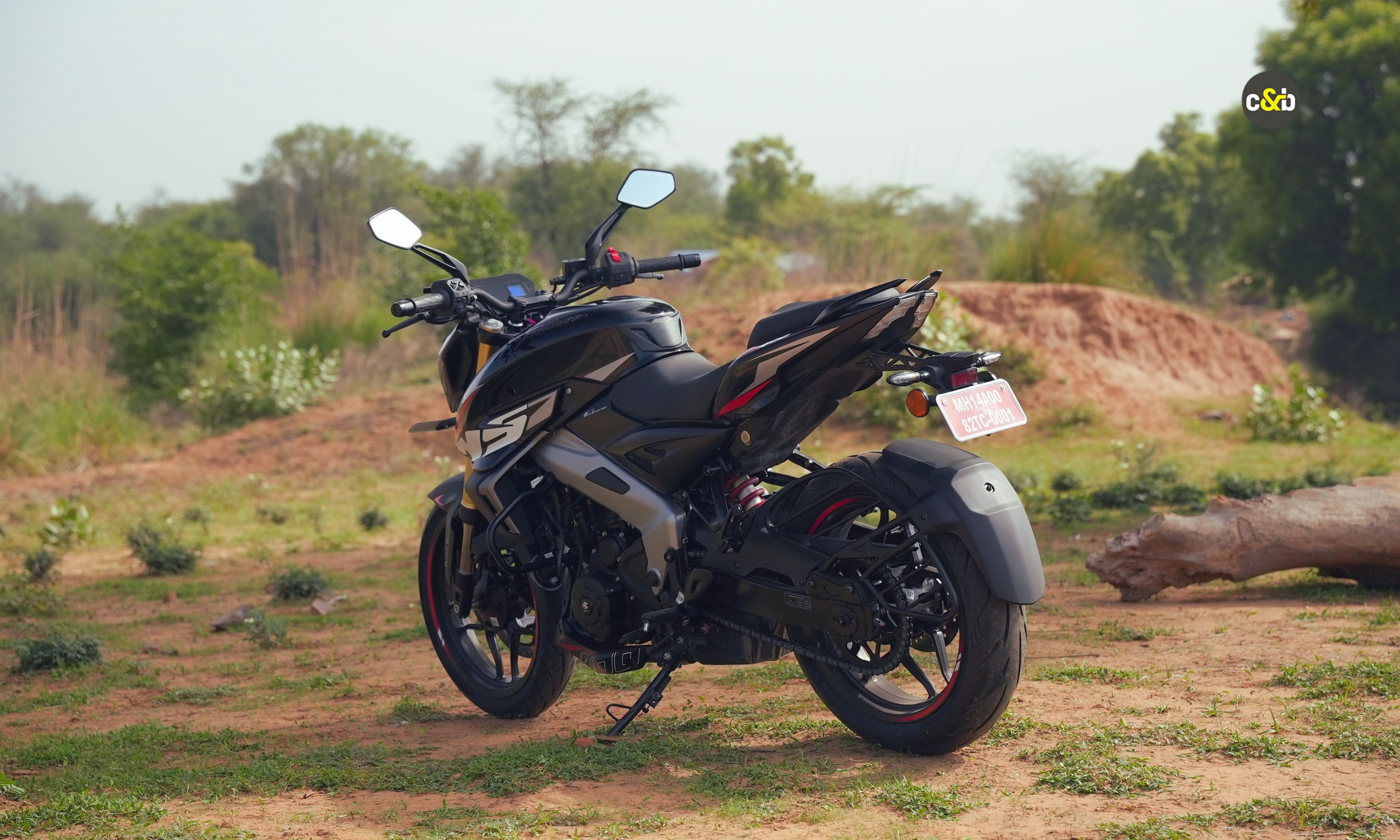
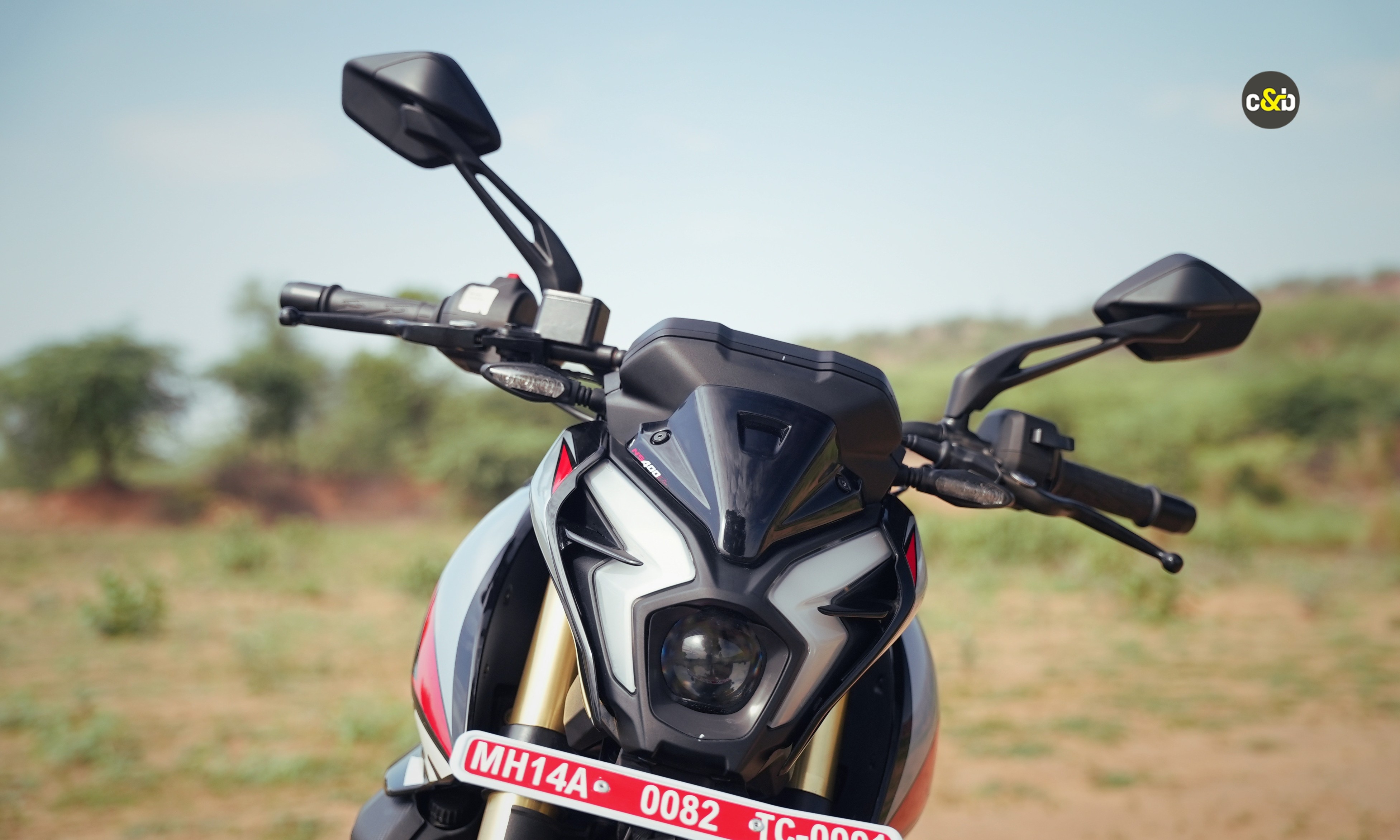
It’s a safe design, and frankly even when the NS400Z was first introduced, it didn’t stray too far from the signature Pulsar design language. And the same design has still been retained. Plenty of riders seem to love the Pulsar NS400Z’s looks, and honestly, fair enough. But personally, I would've liked the flagship Pulsar to push things a bit further this time around, to give it fresh appeal.
2026 Pulsar NS400Z: Engine & Performance

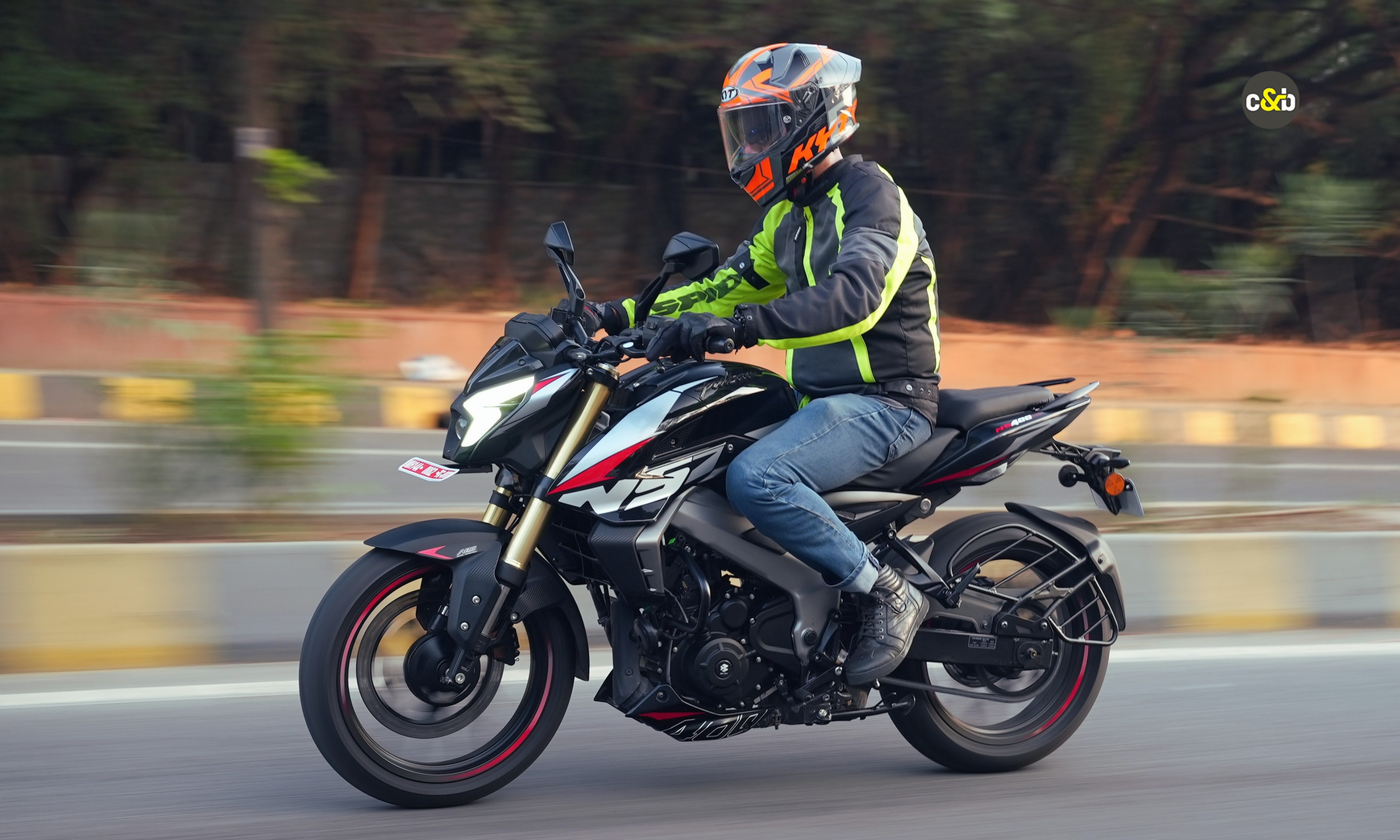
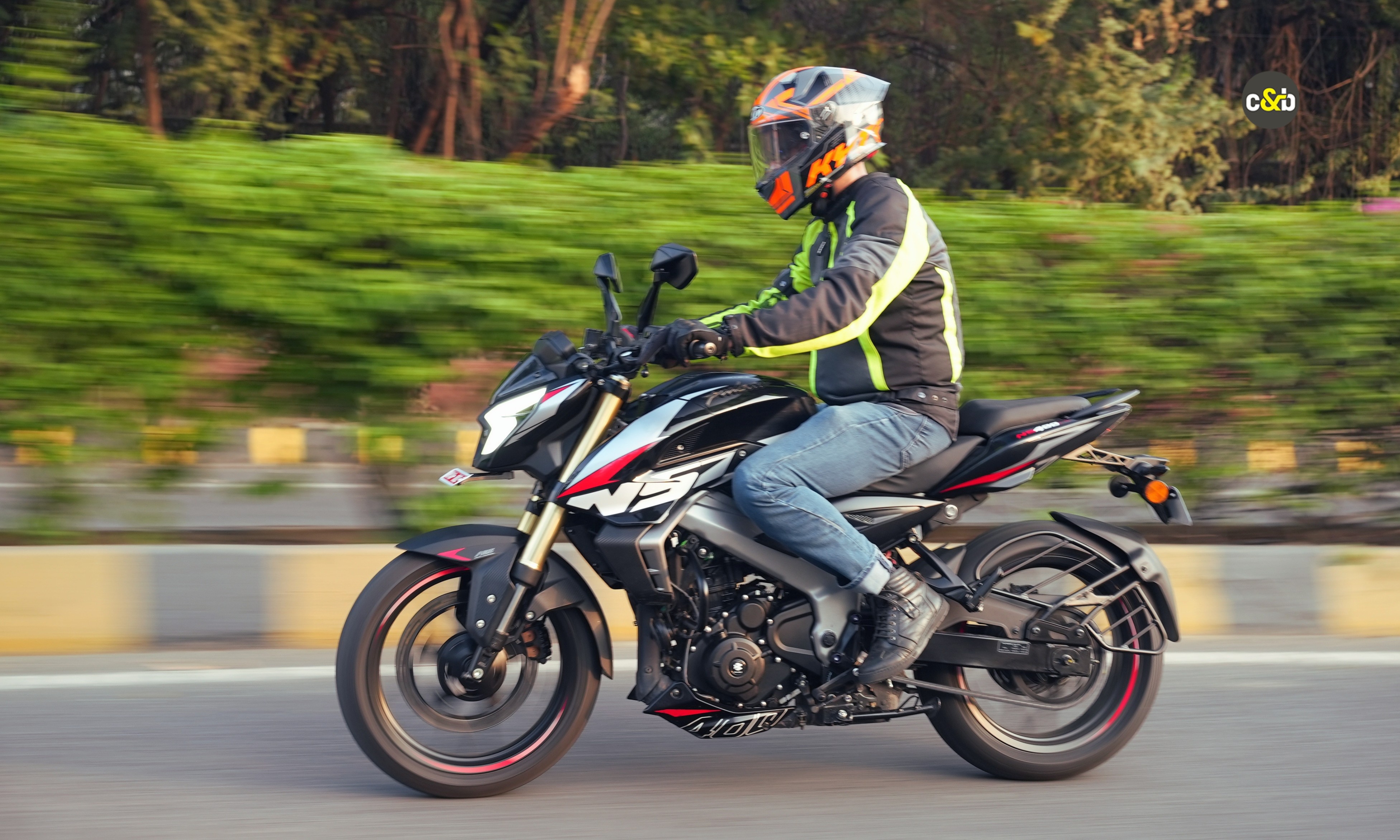
In the city, the NS400Z still feels eager, still feels quick – it's right at home weaving through traffic at urban speeds. If city riding is your priority, this is still genuinely entertaining stuff. The new 349 cc engine makes 40 bhp at 9,000 rpm and 33.2 Nm at 7,500 rpm – down 2.4 bhp and 1.8 Nm compared to the outgoing 373 cc unit.
Also Read: 2025 Bajaj Pulsar NS400Z Review
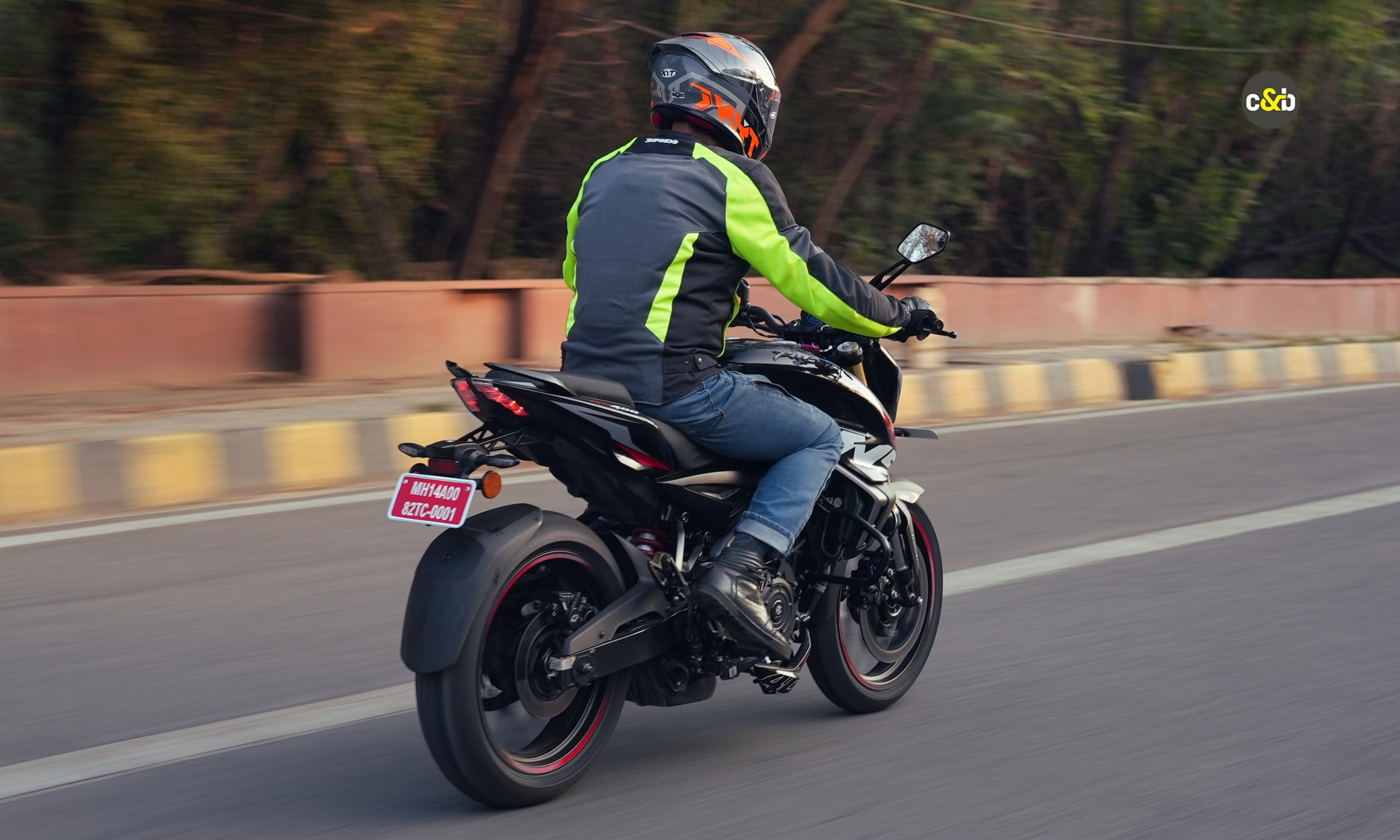
And here's the catch – that drop (in displacement and overall output) shows up in the way the bike pulls. The thrust that made the older NS400Z so addictive has been toned down. It's not drastically slower in real-world terms, but anyone who's ridden the previous version will feel the difference and will want a little more.
Bajaj claims 0-60 kmph in 2.8 seconds, 0-100 kmph in 6.8 seconds, and a top speed of 156.6 kmph – numbers that still feel respectable for the segment.

373 cc engine vs 349 cc engine: Key Performance Differences
| 373 cc engine | 349 cc engine | |
| Peak Power | 42.4 bhp @ 9000 rpm | 40 bhp @ 9000 rpm |
| Peak Torque | 35 Nm @ 6500 rpm | 33.2 Nm @ 7500 rpm |
| 0-60 kmph | 2.8 seconds | 2.8 seconds |
| 0-100 kmph | 6.5 seconds | 6.8 seconds |
| Max Speed (Claimed) | 158.3 kmph | 156.6 kmph |
2026 Bajaj Pulsar NS400Z: Dynamics & Handling

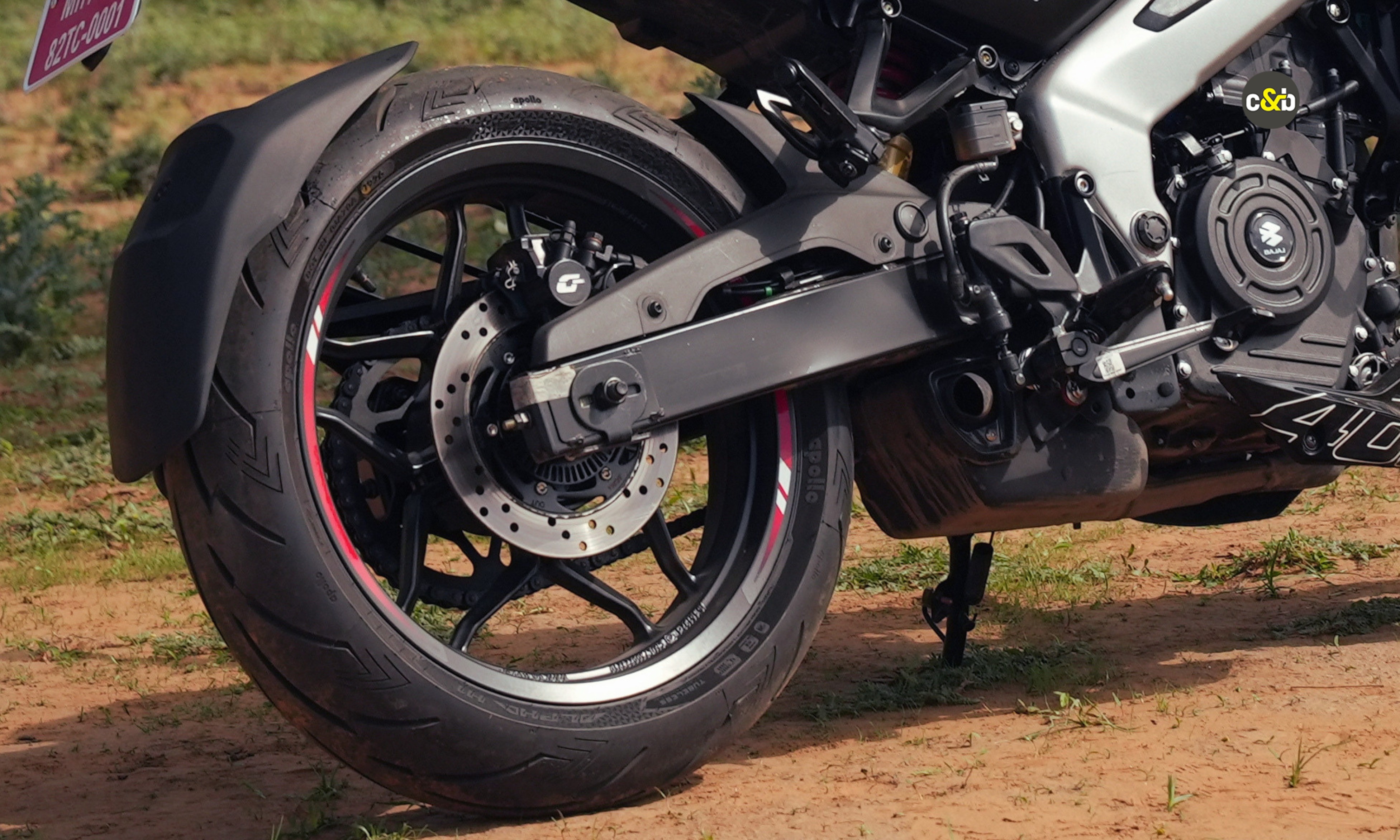
Where it absolutely nails it, though, is in the dynamics. Throw it into a twisty road, and the NS400Z remains sharp, light and eager to dive into corners. The Apollo Alpha H1 tyres offer superb grip and confidence - around corners of a twisty road, or when braking in an emergency. The sintered brake pads offer confident stopping power - something which is really appreciable.
2026 Pulsar NS400Z: Key Highlights
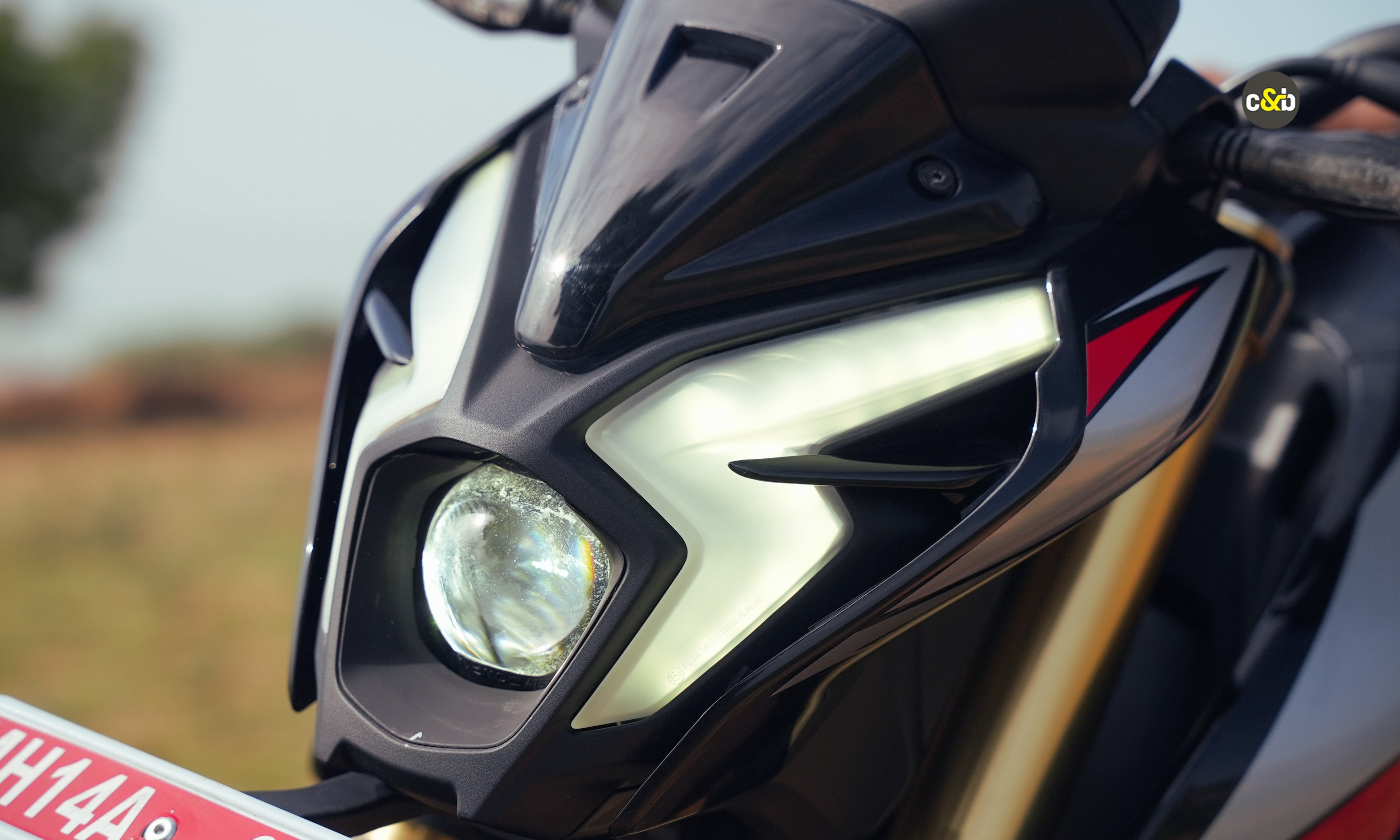
- LED DRL with LED projector headlamp
- 43mm USD forks
- 320mm front brake disc with sintered brake pads
- Apollo Alpha H1 tyres
- Electronic traction control
- Kerb weight: 176 kg
- Fuel tank capacity: 12 litres
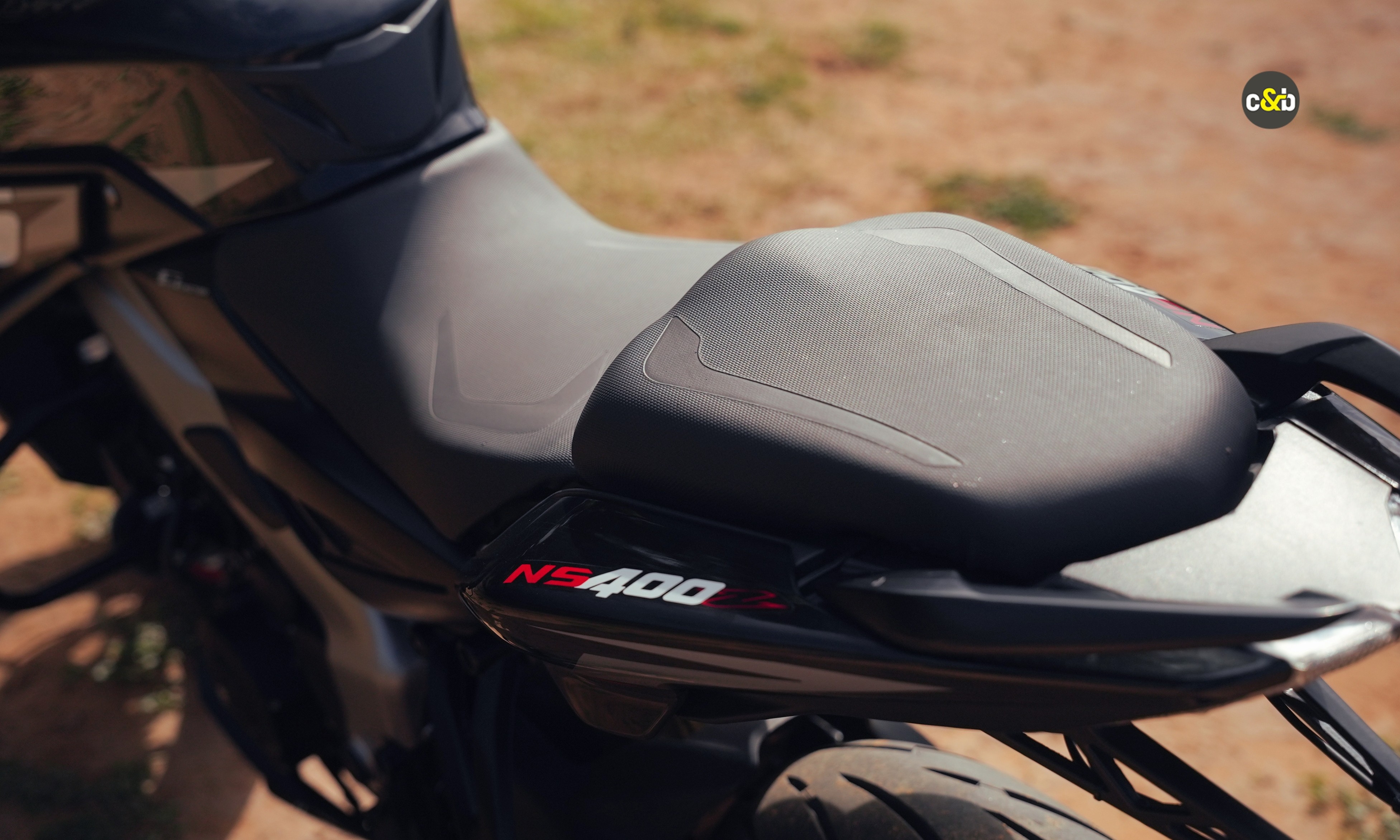
- Saddle height: 805 mm

2026 Pulsar NS400Z: Verdict
The thrill that the earlier 373 cc engine packed has been dialled down. The 2026 Pulsar NS400Z with the 349 cc engine is a more tame, more approachable machine now. And that's not necessarily a bad thing. For new riders, or anyone stepping up from a smaller motorcycle, the NS400Z no longer feels intimidating. It feels like a confident, friendly companion rather than a handful waiting to bite back.

If you're chasing pure performance though, the smaller 350 cc engine perhaps won't impress you, and you'd be better off looking at more expensive options with more outright performance on tap.

But if you're on a budget, and don't mind the flagship Pulsar's familiar design, the NS400Z, at Rs. 1.82 lakh (ex-showroom), still is a bargain. Performance is very much still on the menu, just served with a little more restraint. And honestly, that performance-to-value equation remains as compelling as ever. The NS400Z may have toned down the drama, but it hasn't lost the plot.

2026 Bajaj Pulsar NS400Z Key Specifications:
| Engine | 349 cc single-cylinder, liquid-cooled |
| Max Power | 40 bhp @ 9000 rpm |
| Peak Torque | 33.2 Nm @ 7500 rpm |
| Bore x Stroke | 89x56.1 |
| Gearbox | 6-speed (with sensorless quickshifter) |
| Front Suspension | 43 mm USD with 130 mm travel |
| Rear Suspension | Monoshock with 130 mm travel |
| Ground Clearance | 165 mm |
| Saddle Height | 805 mm |
| Kerb Weight | 176 kg |
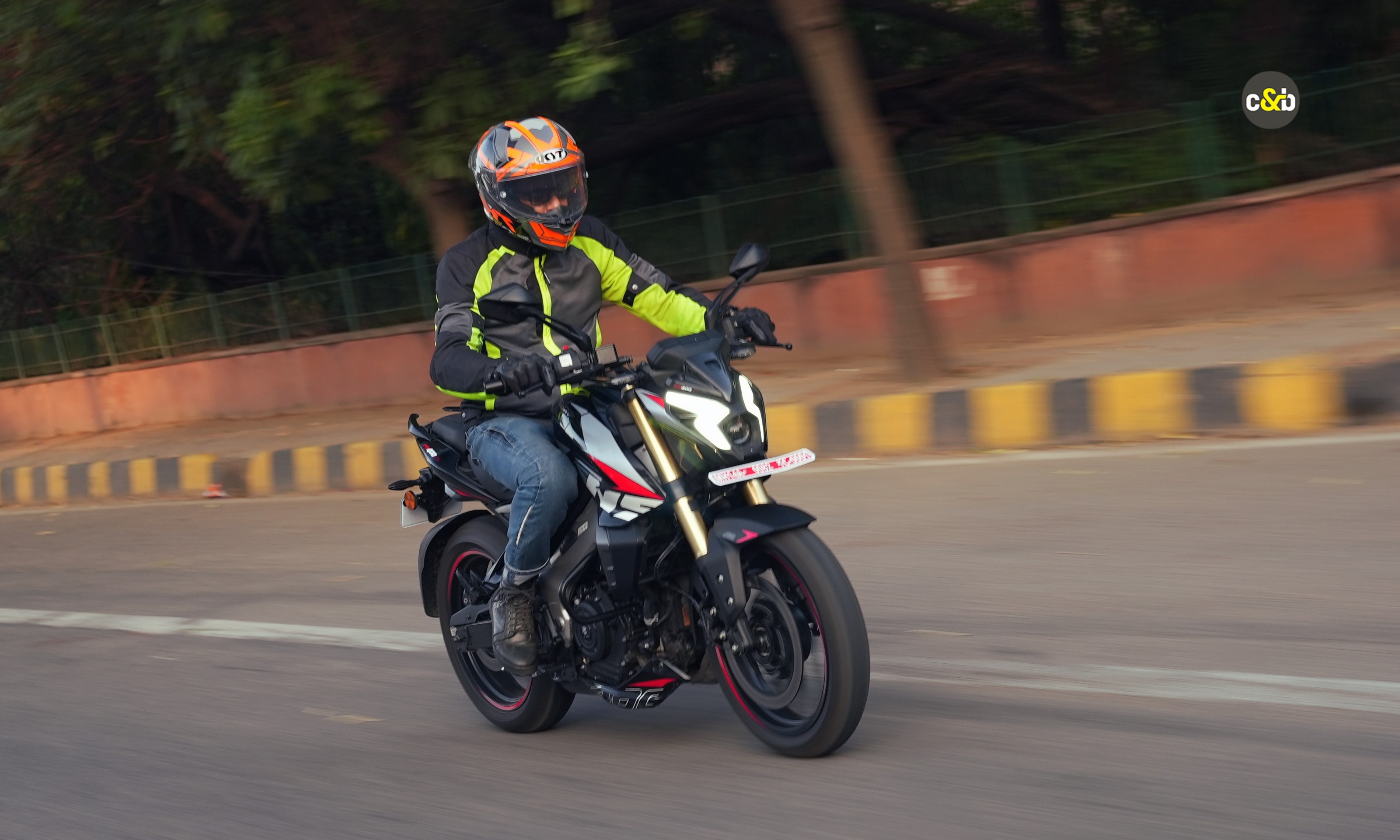
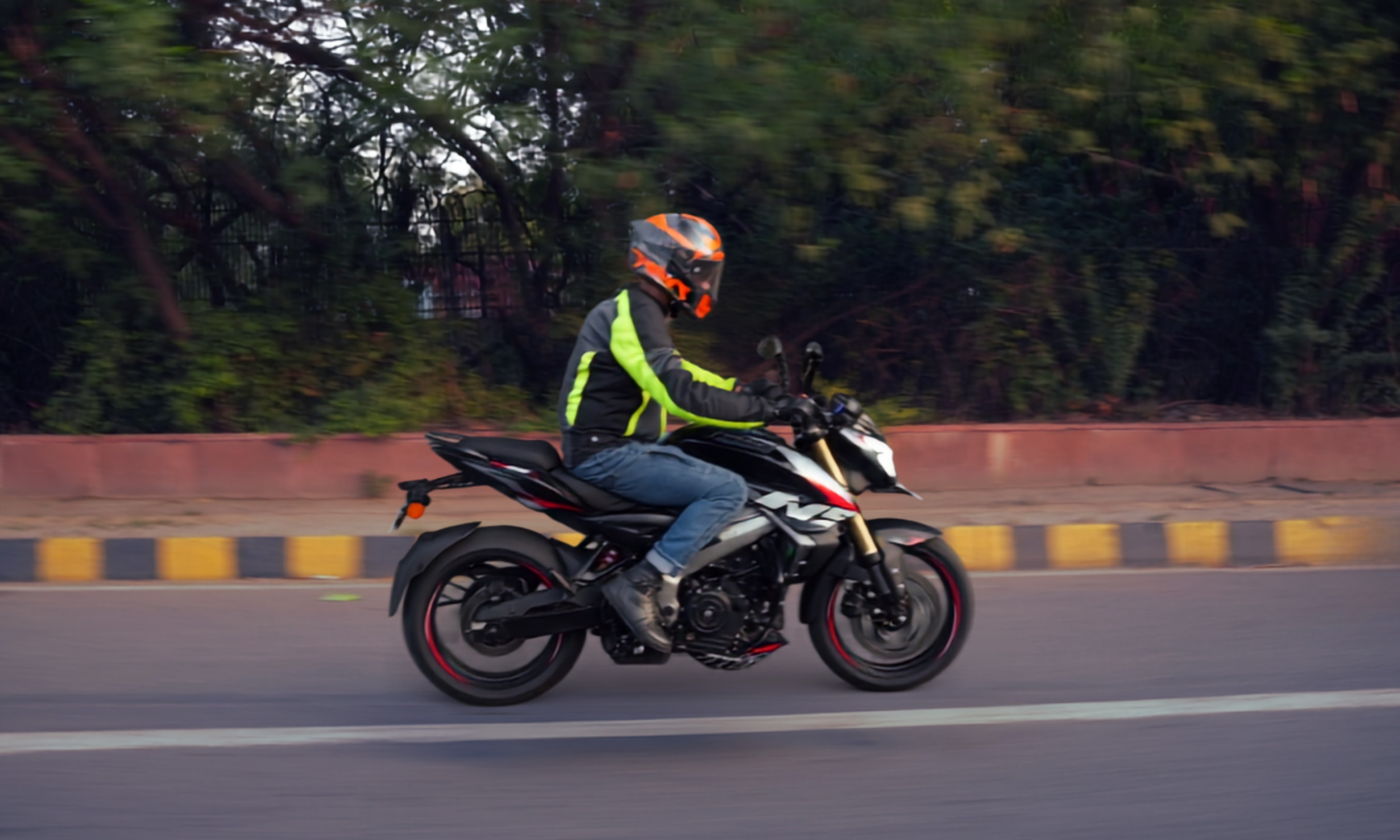
2026 Bajaj Pulsar NS400Z First Ride Image Gallery:






Related News

Learn more about Bajaj Pulsar NS400Z


Popular Bajaj Models


Latest Cars


Upcoming Cars


Latest News


 car&bike Team | Nov 11, 2026RTI vs Zero Depreciation: Which Car Insurance Cover Pays More?Return to Invoice (RTI) covers the gap between your car's current IDV (Insured Declared Value) and the original invoice value in case of theft or total loss. Zero Depreciation reduces deductions on replaced parts during accident repairs.1 min read
 car&bike Team | Nov 11, 2026Engine Protection vs Zero Depreciation: What's The Difference?Zero Depreciation reduces your share of accident repair costs, while Engine Protection covers certain engine and gearbox damage caused by water ingress or oil leakage.1 min read
 car&bike Team | Nov 11, 20262027 Hyundai Creta Interior Spied For The First TimeThe next-generation Creta's cabin gets a complete overhaul with a larger screen, a new steering wheel and more.2 mins read
 Amaan Ahmed | Nov 11, 2026'Fun' In Focus: How Honda Is Building ADV 160, Rebel 300 At Its Oldest India PlantFrom rolling out the first Activa, Honda's Manesar facility -- which marked its 25th anniversary this year -- is now primed to build the company's most exciting new products in years.1 min read
 car&bike Team | Nov 11, 2026Genesis GV90 SUV Design Patented In IndiaThe Genesis GV90's design has been patented in India just months after its global debut.1 min read
 car&bike Team | Nov 10, 20263.3 kW Vs 7.2 kW Vs 11 kW EV Chargers: Which Do You Need?Choosing a home EV charger depends on your car, daily driving and home power supply. A 3.3 kW charger works for smaller EVs, while 7.2 kW suits most mid-size electric cars. An 11 kW charger is meant for larger EVs that support three-phase charging.1 min read