
2026 Audi Q3 Review: Sharper Than Ever

- Similar dimensions as previous model but more athletic design
- Better equipped, roomier cabin complete with sliding rear seats
- Carryover engine/gearbox but with more power. Also, faster
The third-generation Audi Q3 enters a segment that has fundamentally changed from when its predecessor arrived. It’s no longer about just owning the four-ring badge; it’s more about what that badge offers you more than the rest. Audi has brought sharp looks and standard all-wheel-drive (quattro) to the table. But with rivals moving the goalposts, does the Q3 do enough to stand out? Let’s find out.
Design & Dimensions
The generation change has resulted in marginal changes to the overall dimensions of the Q3. Though both the generations are derived from the same platform, the new Q3 is based on an advanced MQB evo version (previous one was called MQB A2). Essentially, this has allowed engineers to add upgrade the computing architecture for ADAS as well has ability to pack larger battery packs for future hybrid versions. So, length has
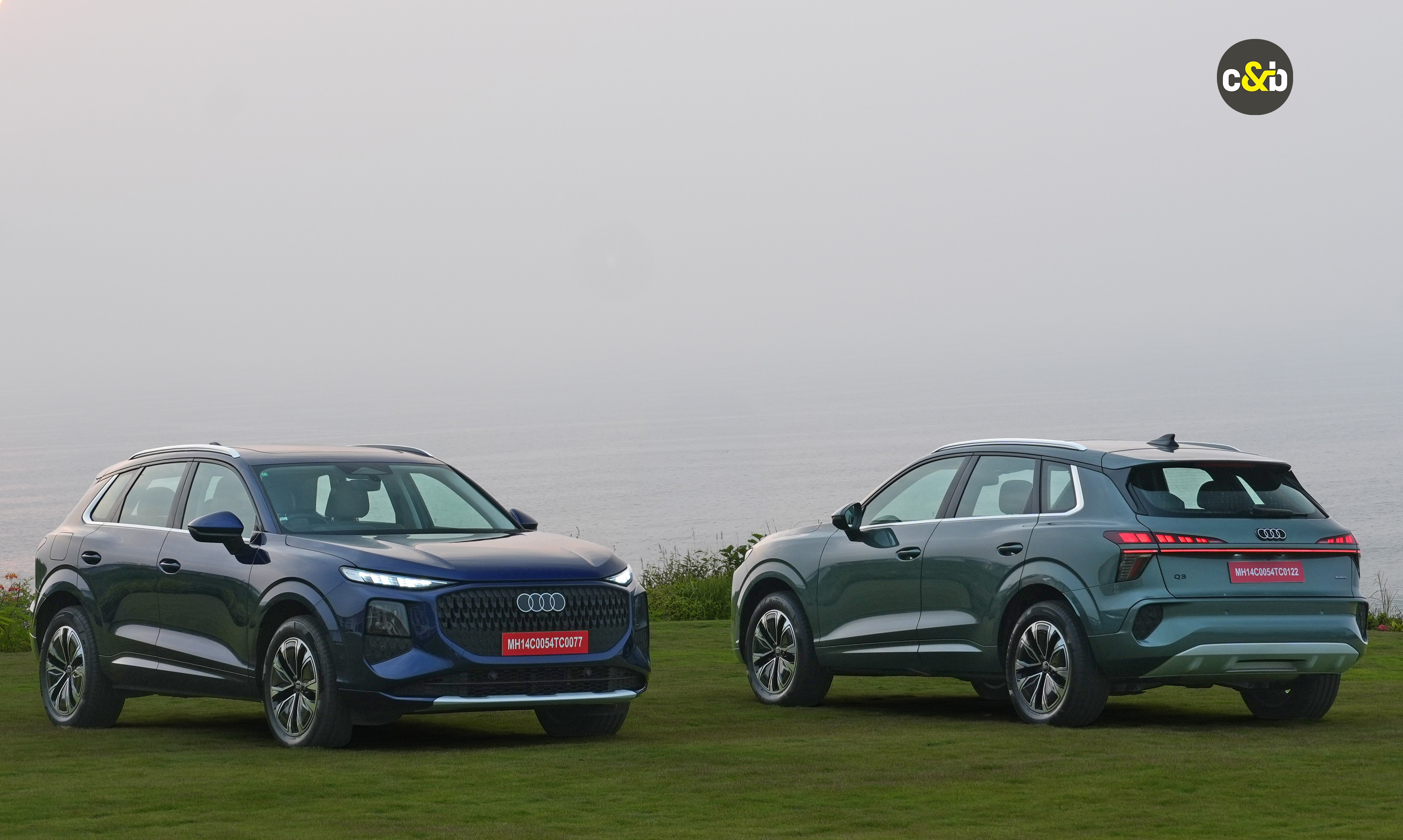
Length: 4485mm (46mm more)
Width: 1849mm (10mm more)
Height: 1607mm (6mm less)
Wheelbase: 2681mm (3mm more)
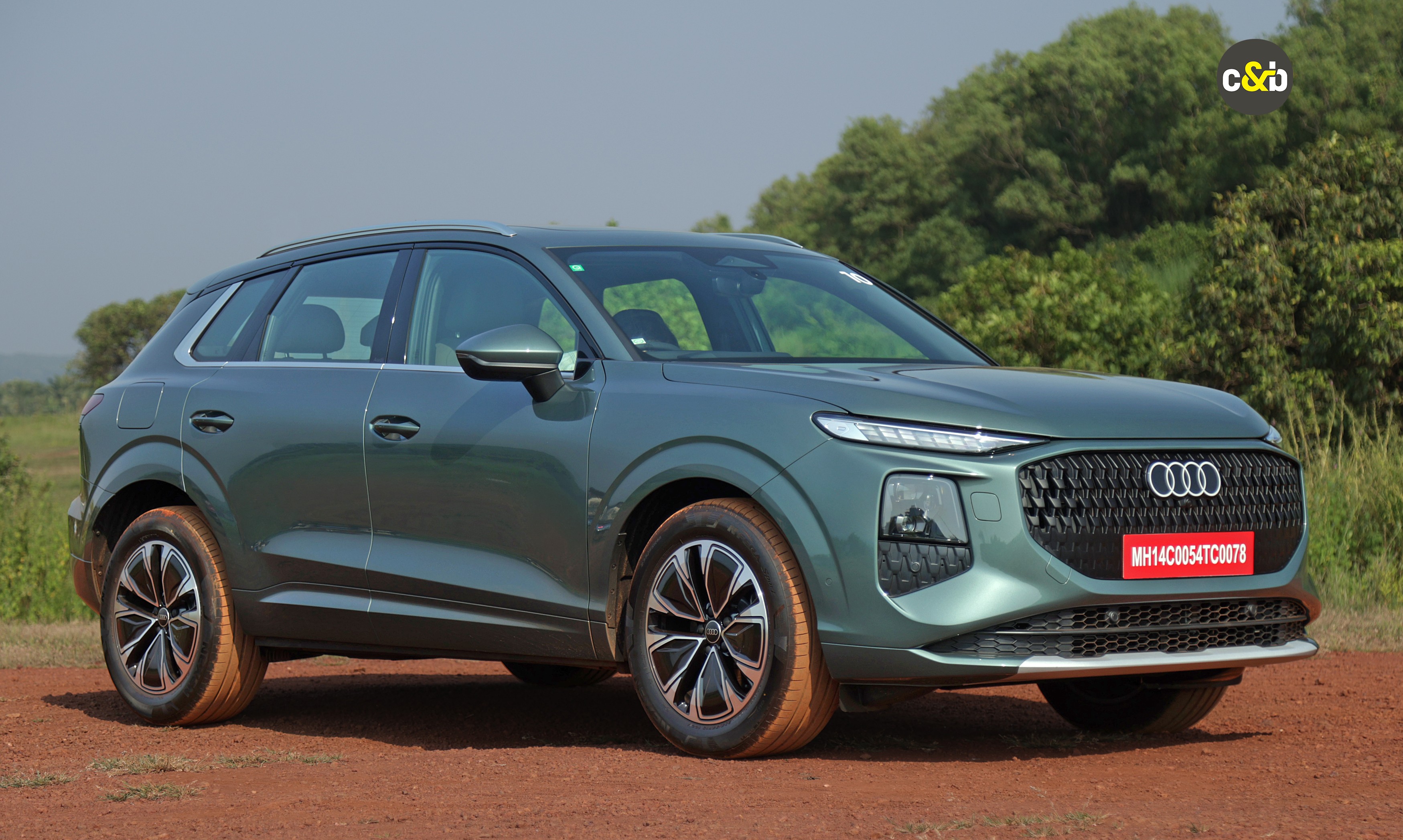
Visually, Audi has done a fantastic job. The Q3 looks more muscular, having borrowed design cues from its bigger siblings. The split headlamp setup gives it a more futuristic face than the more conventional previous-gen model. But there is a catch. In an era where road presence rules, especially in a country like ours, the Q3 relies heavily on intricate design details rather than sheer size to grab your attention. So, it doesn't look as an imposing SUV should. Instead, it’s relies on looking sophisticated and athletic. In Audi speak - more Virat vibes and not Sachin. If you want that traditional, high-riding, 'clear the right lane' SUV stance, this might feel a bit crossover-ish for your taste. Nevertheless, it is a handsome ‘crossover’ sitting on new 18-inch wheels with ample ground clearance to take on our roads.
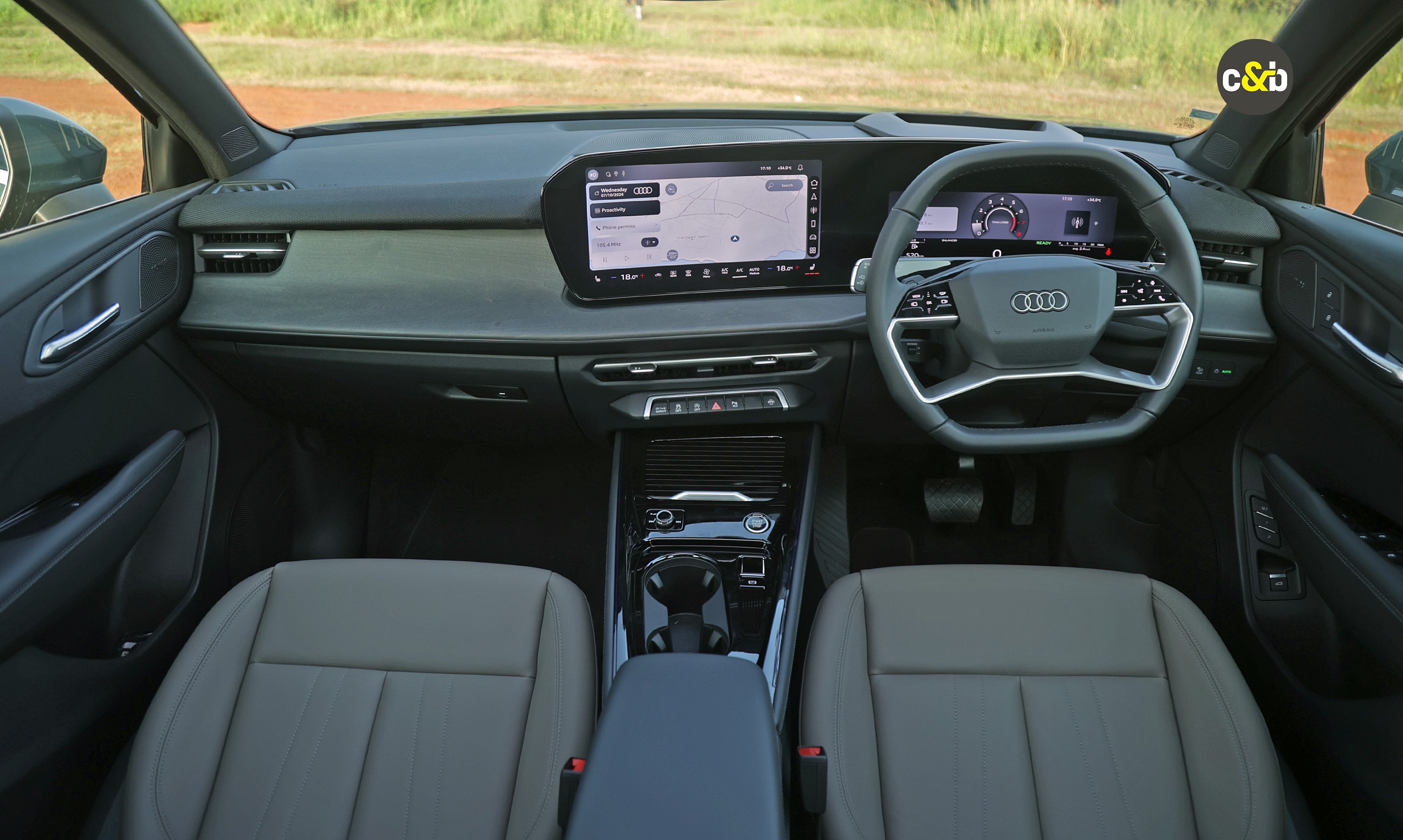
Driver's View
Step inside, and it’s a tech-lover's paradise. The 11.9-inch virtual cockpit looks better than before, and the new layout cleans up the cabin completely. The central touchscreen and instrument cluster are now fused into a single large unit that is curved to angle towards the driver’s seat. But there is the practical compromise - the physical buttons for the climate control are gone. They are now integrated into the lower half of the touchscreen. In the real world, adjusting the temperature while driving means taking your eyes off the asphalt just to make sure your finger hits the right part of the screen. It’s a trend across the industry right now, but it’s one of those instances where technology replaced something that already worked perfectly.
There are a few buttons in classic Audi style for Drive Select, Traction Control, etc just below the infotainment screen which is a redeeming factor. Wireless charging pad, Type-C ports and an elaborate head-up display with easy switch on/off physical button should make driver’s life easy. Seats are firm and powered.
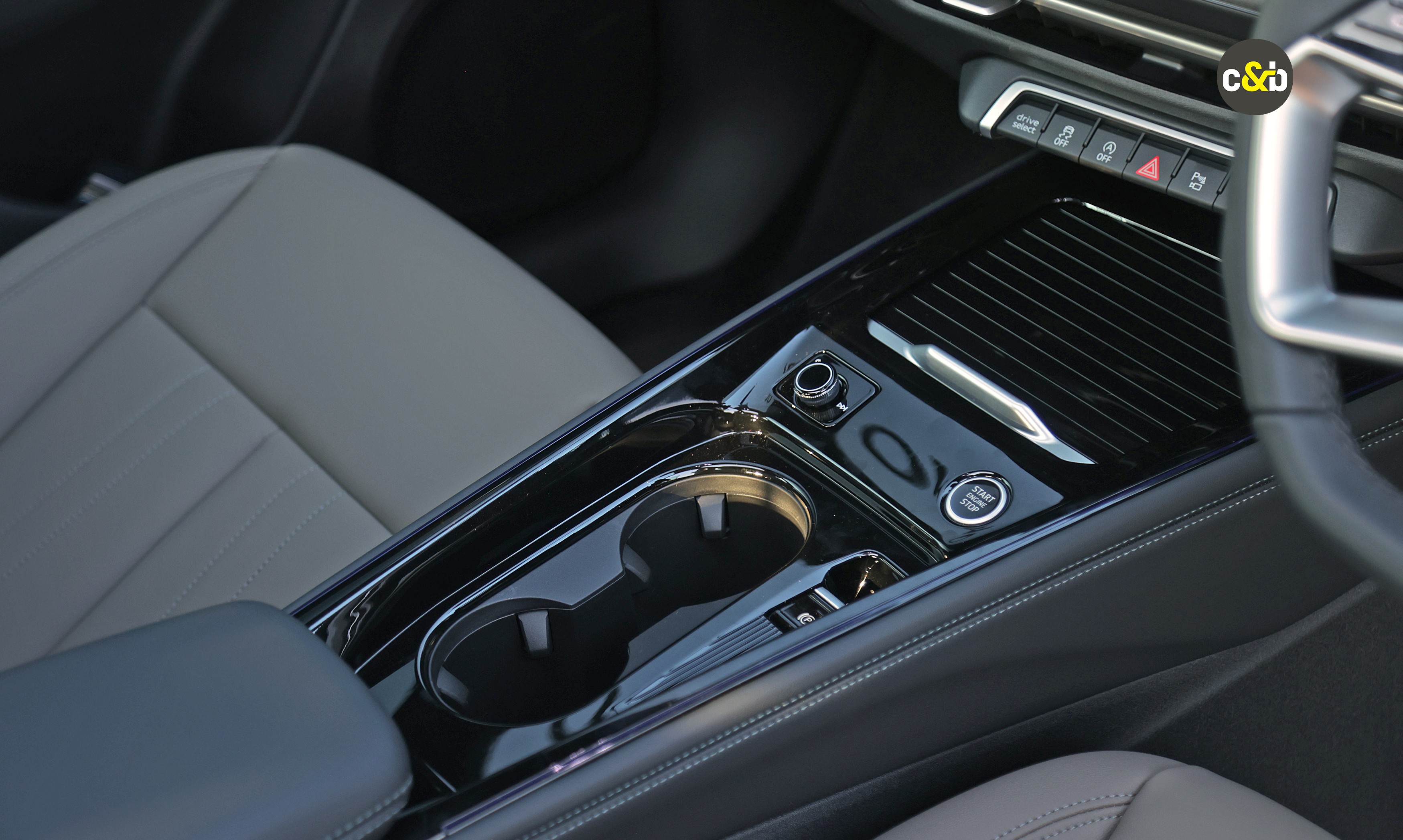
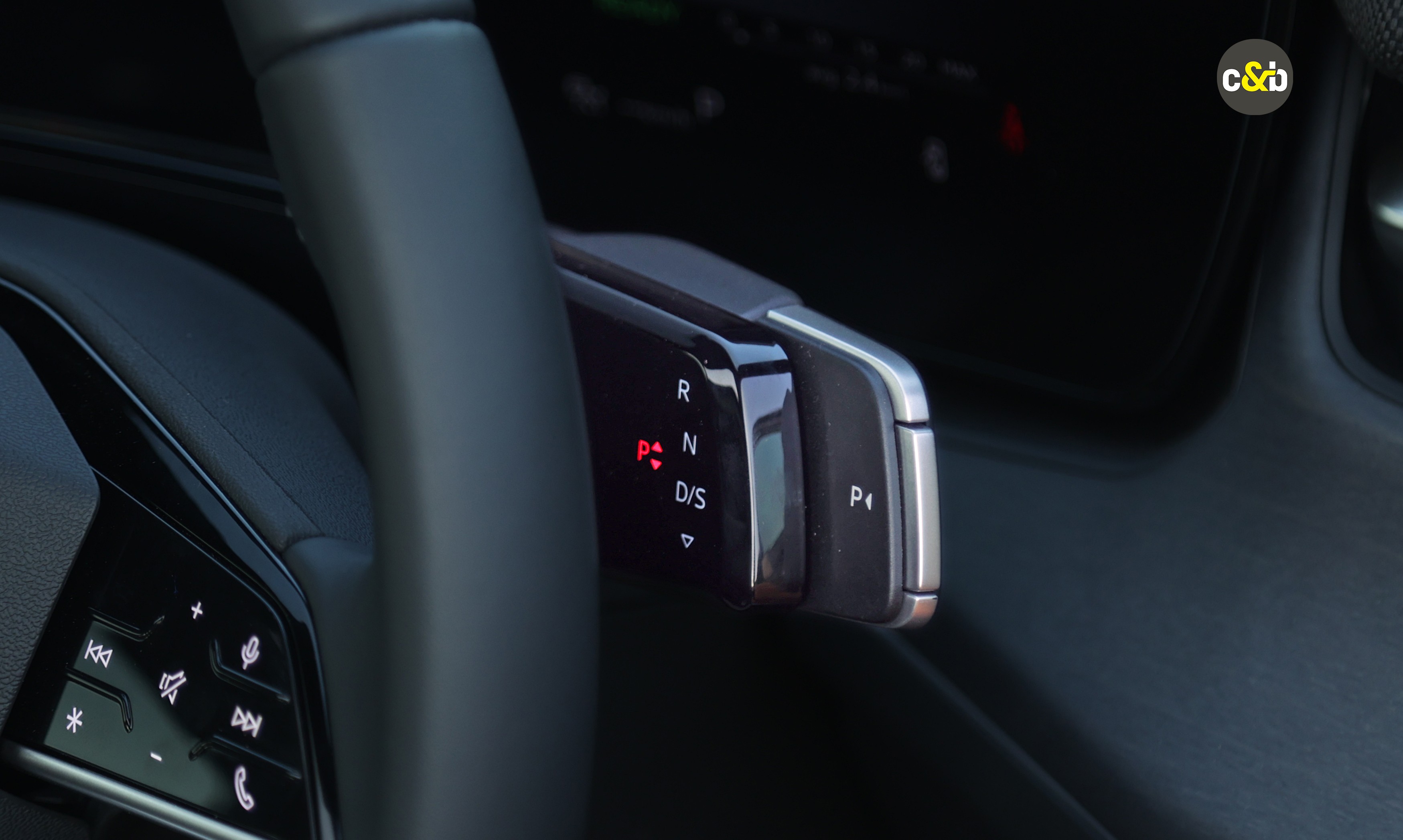
For those used to driving Audi cars, the drive ‘shifter’ has now moved into a fixed stalk behind the wheel. While the position is similar as in rival Mercedes cars, the operation is quite different as it is a toggle switch inside a fixed stalk – unlike its rival’s where the entire stalk moves. But frankly we got the hang of it quite easily by the end of the test drive.
Space & Comfort
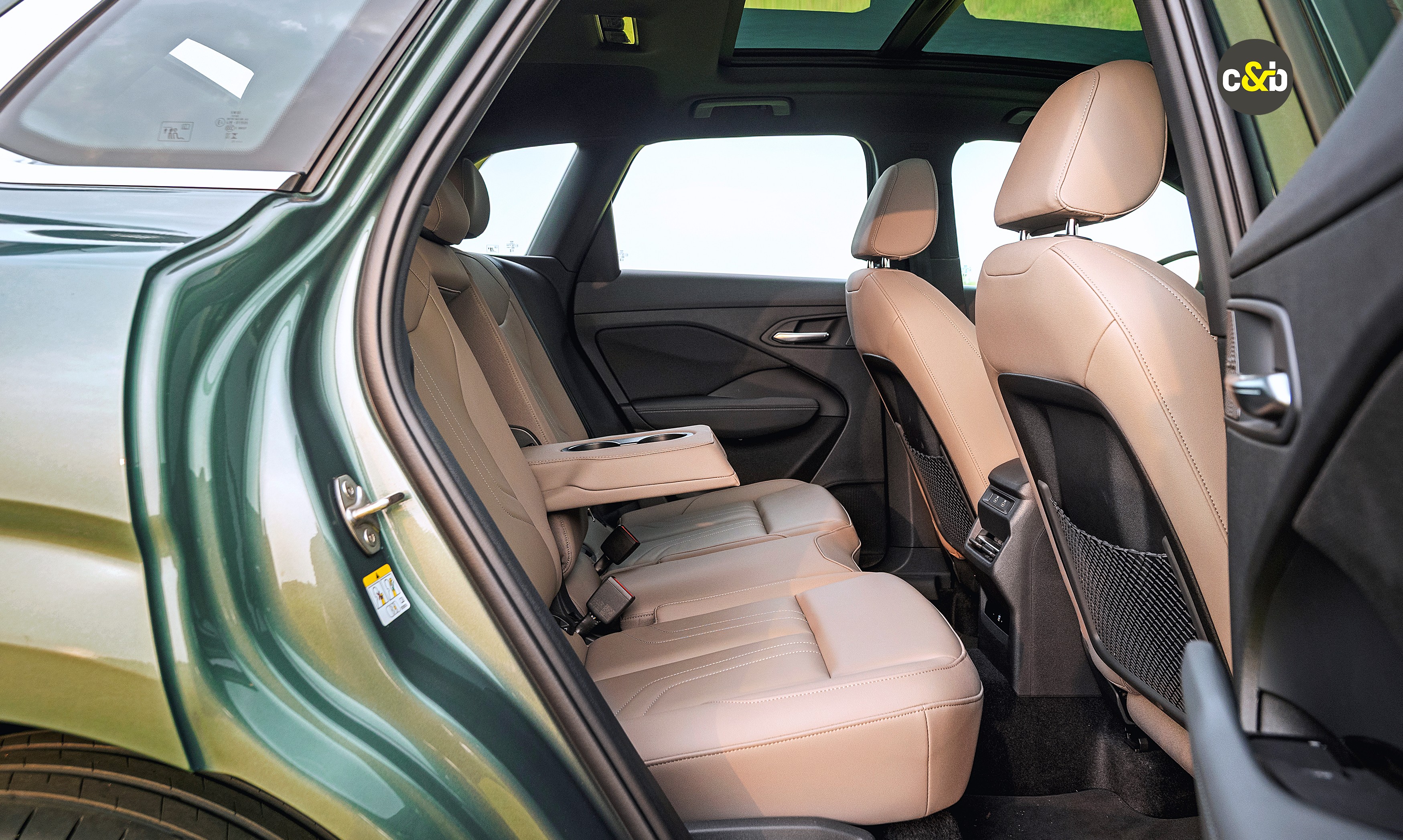
The Q3 is a five-seater at best but mostly a four-seater. The rear central seat is impeded by the protruding transmission tunnel running to the rear axle. The seats are large and comfy. Front seats are powered and the rear can also slide – a first in the segment. This is handy if you want to increase the boot space a bit.
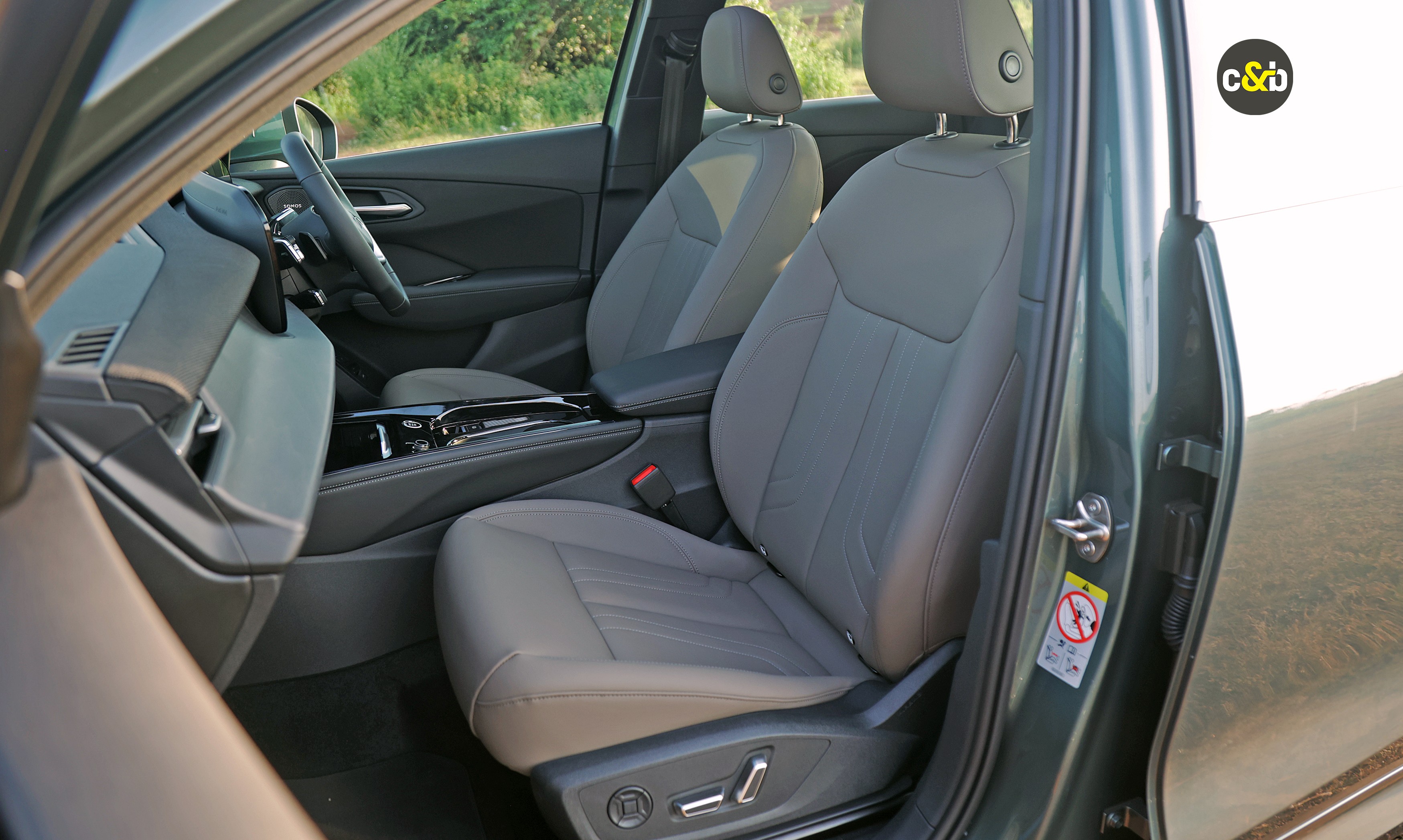
Although the wheelbase hasn’t changed much, the cabin feel more spacious than before thanks to the clever use of colours and plastics. Addition of a panoramic sun-roof also helps in giving it a brighter feel. The three-zone climate control is a good touch for India. So, you have controls at the rear too, complete with a digital display. Under the hot sun, the AC feels a bit underpowered. For those residing in part of India where the winters get stronger, there is seat heating at the front. Unfortunately, seat cooling option isn’t available for the Q3 anywhere in the world so Audi couldn’t get that to India.
A new addition is a 12-speaker SONOS music system which will be offered in the higher trim. Offers a crisp and noteworthy experience. A unique add-on hear is the special modes, including one specifically for podcasts, which should interest those who like to listen to it while travelling.
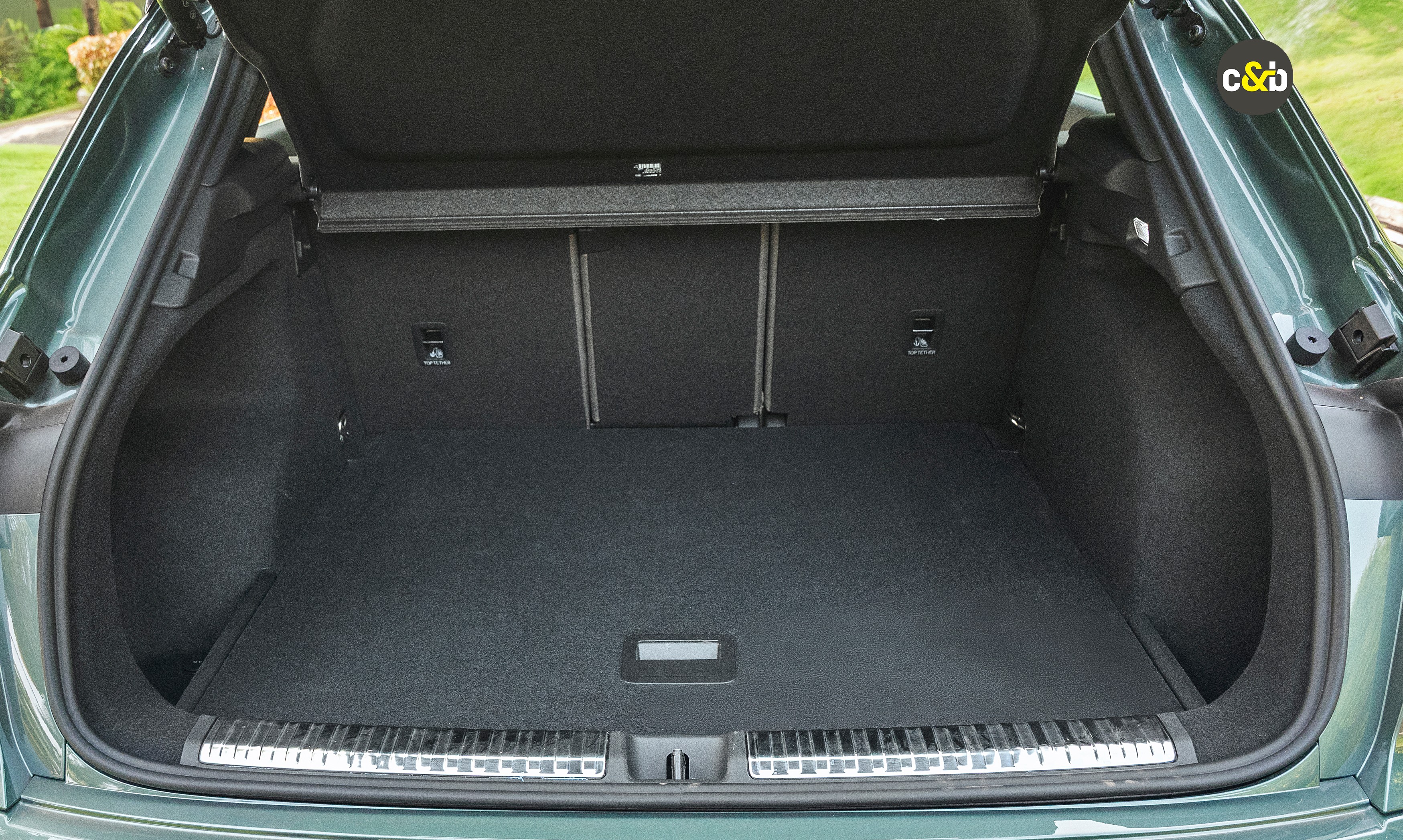
The Q3’s everyday practicality extends to the boot. You get 488 litres of cargo space, which is smaller than the outgoing model’s but well-shaped for those airport runs and road trips. Now, if you look at pure numbers, the BMW X1's 540-litre boot is significantly bigger. However, the Q3 comes with a functional sliding rear bench. If you have extra luggage, you can slide the seats forward to prioritise cargo over legroom.
To sum up comfort, if you plan to be mostly driven around by a chauffeur, the X1 LWB makes a stronger case for itself. The Q3’s rear seat is perfectly adequate though even if it doesn't offer the kind of space that the wheels from Munich does.
Drive Dynamics
Under the hood is the tried-and-tested 2.0-litre TFSI engine, same as before, but now pushing over two hundred horses. That’s roughly 13 more than before. Torque figure is still a hefty 320Nm and power goes to all wheels (quattro). No two-wheel-drive limitations here. Audi says quattro isn’t just a traction tool but enhances the everyday driveability when at speed. Not surprisingly, when tackling a sweeping highway curve, this car feels incredibly planted and confident. It drives like a proper luxury car should - effortless, punchy, and secure.
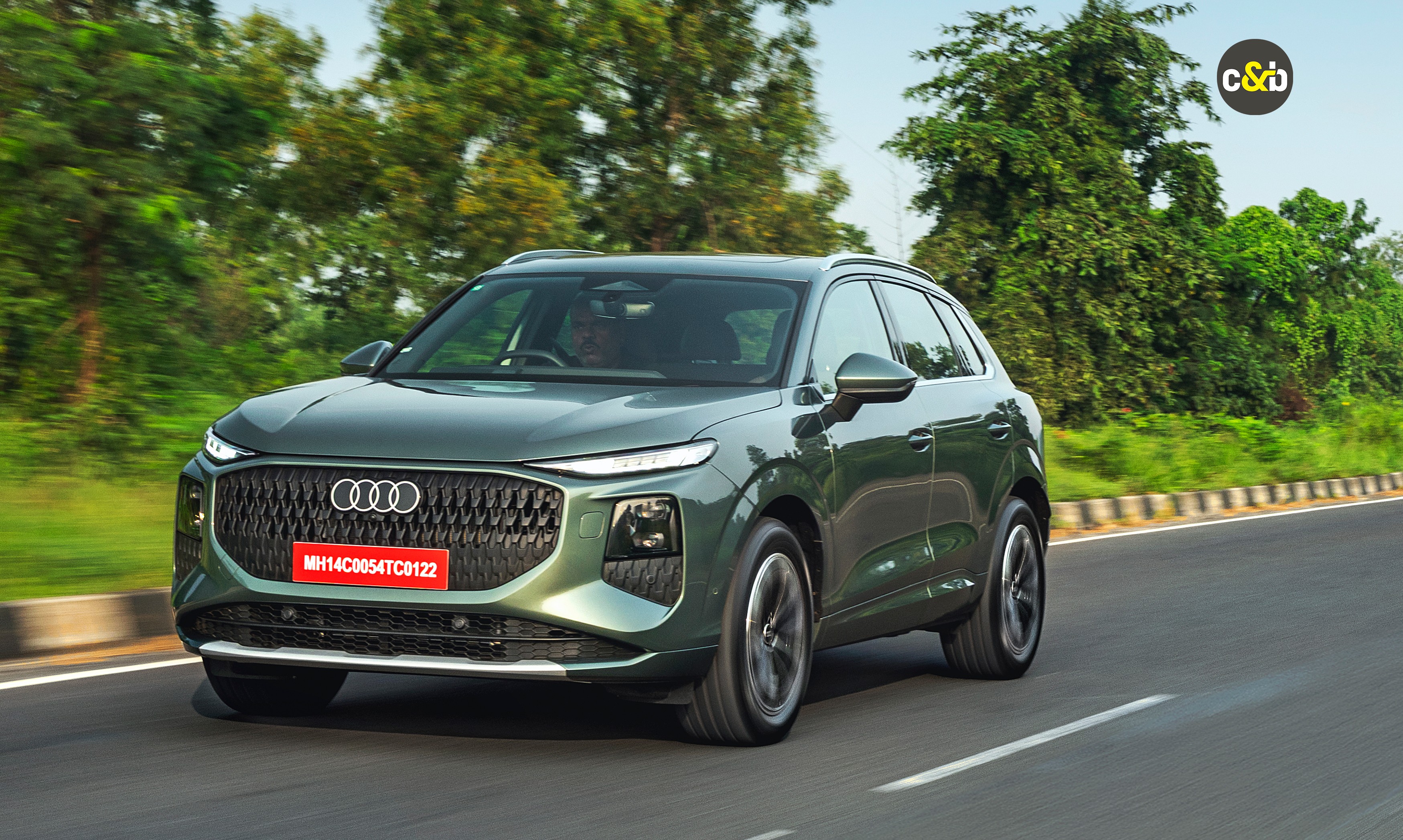
The moment you press the throttle, you realise where Audi spent their engineering budget. While the rival entry-spec petrol model from BMW will stick to two-wheel drive configurations - and in some cases, smaller engines - Audi hasn't cut corners under the hood.
The 7-speed DSG is works well with this engine. Shifts are smooth and decisive and it never leaves you stranded or guessing. Overtaking is an easy workout and flooring the throttle can take the Q3 past the 200kmph mark. The steering weighs well, though doesn’t have the heft of its German rivals but makes life easy for everyday speeds of Indian roads and parking.
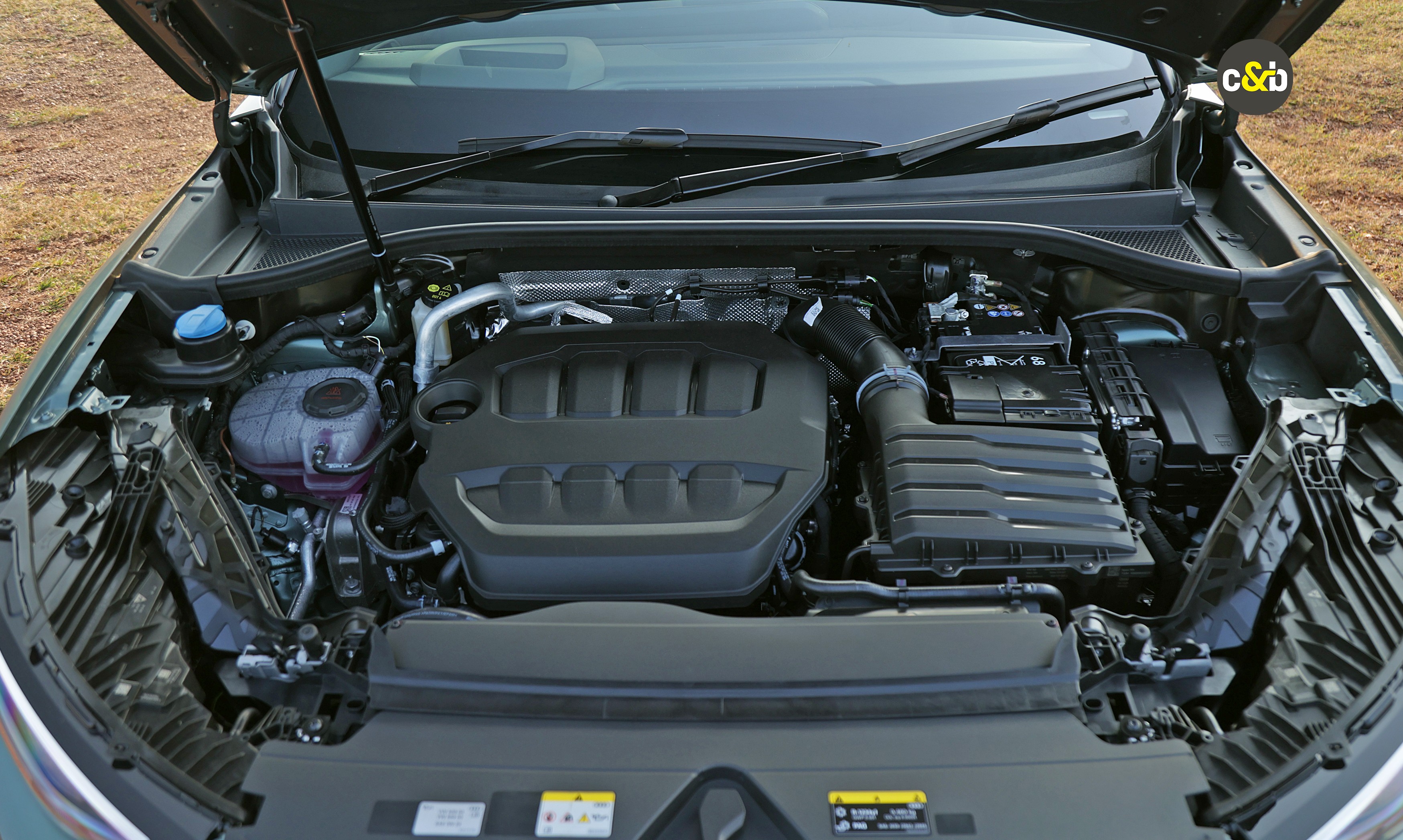
Acceleration: 0-100kph in 7.1s (Sport Mode)
Top Speed: 229kph
Variants & Pricing
At launch, the new-gen Q3 will come in two trims – Nova and Zenith. The trim you see here is the latter. It gets 18in blacked aero alloys compared to 18in multi-spoke design for the lower trim. Q3 Zenith will also get the better headlamps - Digital Matrix with micro LEDs – too. On the interiors gets dark wood finish compared to brushed aluminium in the standard model. The steering wheel is different too. Q3 Nova also has a twin-spoke, leather wrapped steering wheel but the top and bottom are rounded instead of flat as you see on these pages.
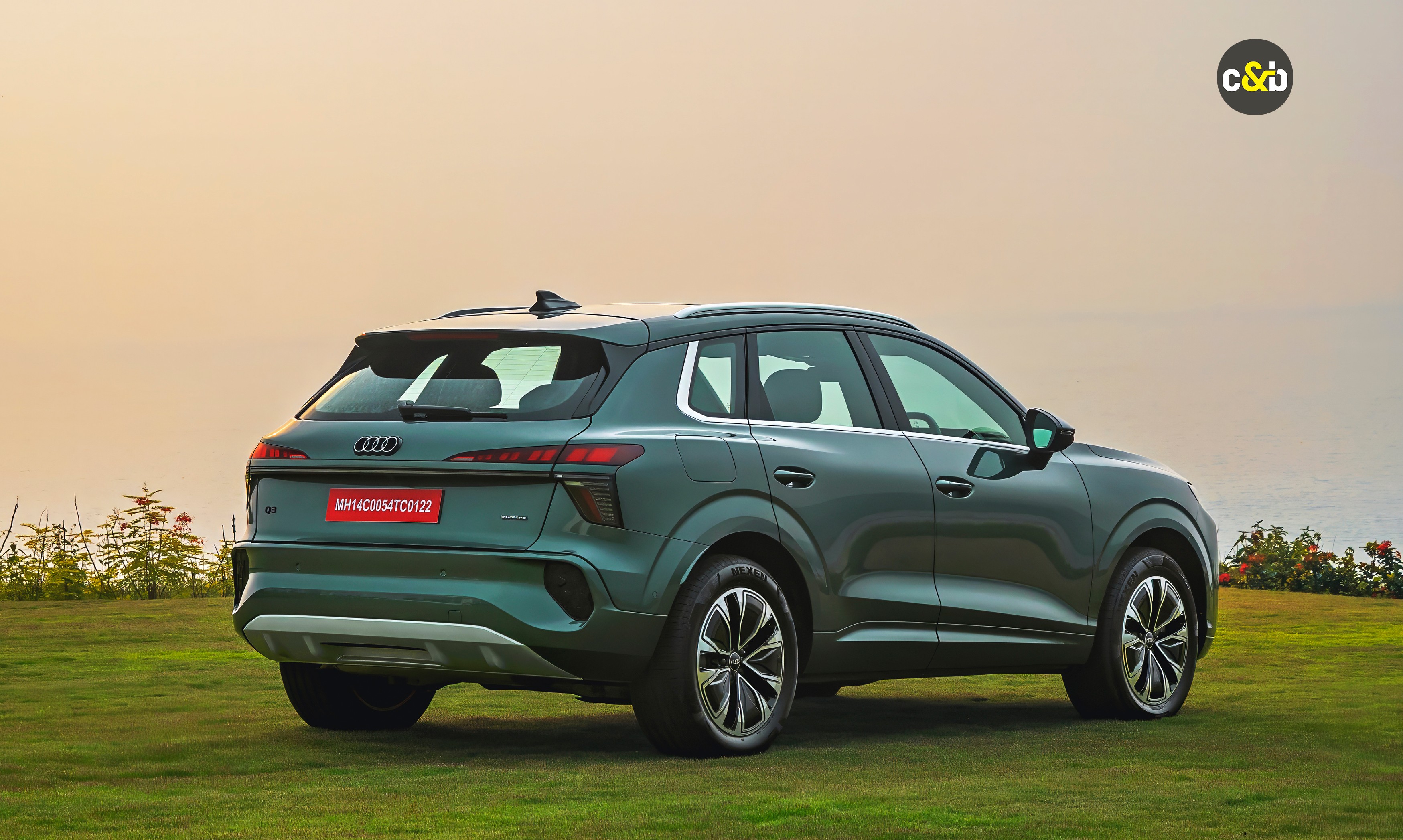
On the features side, standard Q3 will get a 10-speaker Audi sound system instead of SONOS and no Head-Up Display. On the safety front, the higher Zenith trim gets 9 airbags – 2 more than Nova - and proactive occupant safety which can sense collisions in advance to actions tasks such as pre-tensioning the seat belts, locking the sunroof and windows and switch on hazards to warn motorists approaching the Q3 from behind. Performance aspects remain the same for both trims.
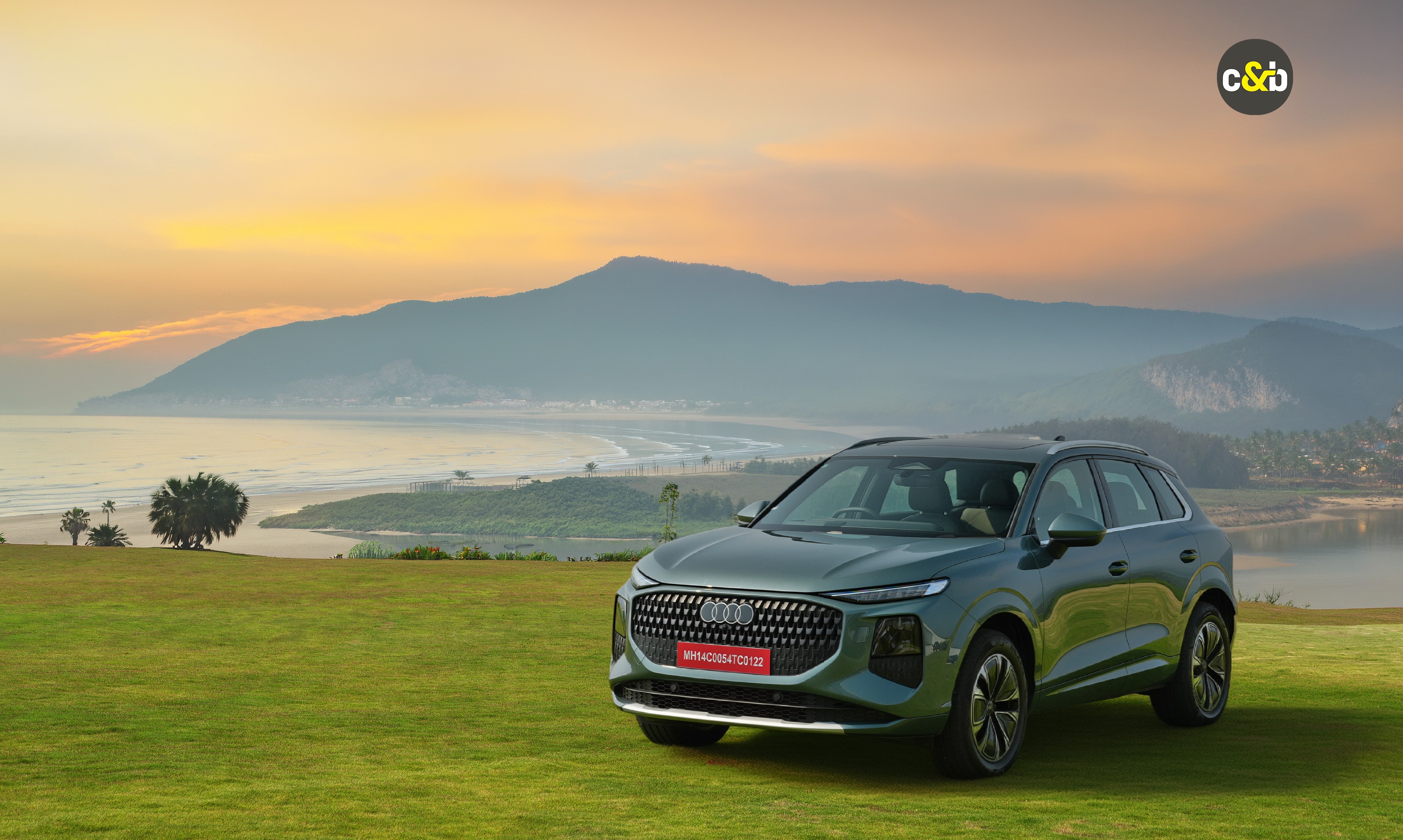
Naturally, price is going up — industry estimates put the new range between ₹55 lakh and ₹60 lakh ex-showroom. Audi’s tactical ace up its sleeve to keep the price from skyrocketing out of reach is its local India assembly. With CKD operations, it should be able to price the car as competitively as rival X1 LWB.
Verdict
So, what’s the honest verdict? The new Audi Q3 isn't trying to be a mini-limousine, nor is it trying to hide its tech behind a conventional luxury car approach. It has its quirks—the touch-heavy interface requires a learning curve, and it can't beat the long-wheelbase BMW for rear-seat space bragging rights. But if you want a premium SUV that rewards the driver more, offers genuine all-weather, all-terrain grip, ADAS and looks incredibly sharp doing it, this is a very compelling package.
Related News


Popular Audi Models


Latest Cars


Upcoming Cars


Latest News


 car&bike Team | Oct 14, 2026Toyota Glanza Facelift Launched At Rs 6.99 LakhThe Glanza facelift gets a series of changes over the outgoing model including revised exterior, more features and a new 3-cylinder engine.3 mins read
 Carandbike Team | Oct 14, 20262027 Kawasaki Versys 900 Based On Z900 RevealedThe new Kawasaki Versys 900 gets radar cruise control, and shares the 948 cc, inline-four engine with the Kawasaki Z900, with marginally less power.1 min read
 car&bike Team | Oct 14, 2026Toyota Glanza Facelift Launch Today: What To Expect?The Glanza facelift launches on October 14, with revised styling, a three-cylinder petrol engine and possible equipment upgrades.3 mins read
 Bilal Firfiray | Oct 14, 2026BMW Concept 7 Protection Unveiled For Those Who Want To Be DiscreetIts armoured, of course, but this study showcases how it can be inconspicuous at the same time.2 mins read
 car&bike Team | Oct 13, 2026e-Sprinto G1 Electric Scooter Launched; Prices Start At Rs. 89,999e-Sprinto has so far been operating in the B2B electric scooter segment and has three manufacturing facilities with an annual production capacity of 1.5 lakh units.1 min read
 Jaiveer Mehra | Oct 13, 2026MG Hector Tomahawk EV Receives Over 10,000 Bookings Within Two MonthsJSW MG Motor India Sales Head says the Tomahawk EV and PHEV have both seen strong initial demand in the market.1 min read