
Fast Charging vs Slow Charging: Which Is Better for Long-Term Battery Health?

- Slow AC charging remains the gentlest option for battery longevity
- Regular fast charging can increase battery wear, but not as dramatically
- Modern battery management systems are designed to protect batteries in both cases
One of the most common questions among EV buyers is whether fast charging damages the battery. It is easy to understand why. A charger capable of adding hundreds of kilometres of range in a short time sounds far more stressful than slowly charging a battery overnight at home.
The reality is more nuanced. Modern EV batteries are far more advanced than many people realise, and battery management systems constantly monitor temperature, charging speeds, and cell health. While frequent DC fast charging does place more stress on a battery than slower AC charging, it is far from the battery-killer it is often made out to be. Understanding how both charging methods work can help owners make better decisions for long-term battery health.
Also Read: Battery-as-a-Service (BaaS) Explained: How EV Subscription Batteries Actually Work
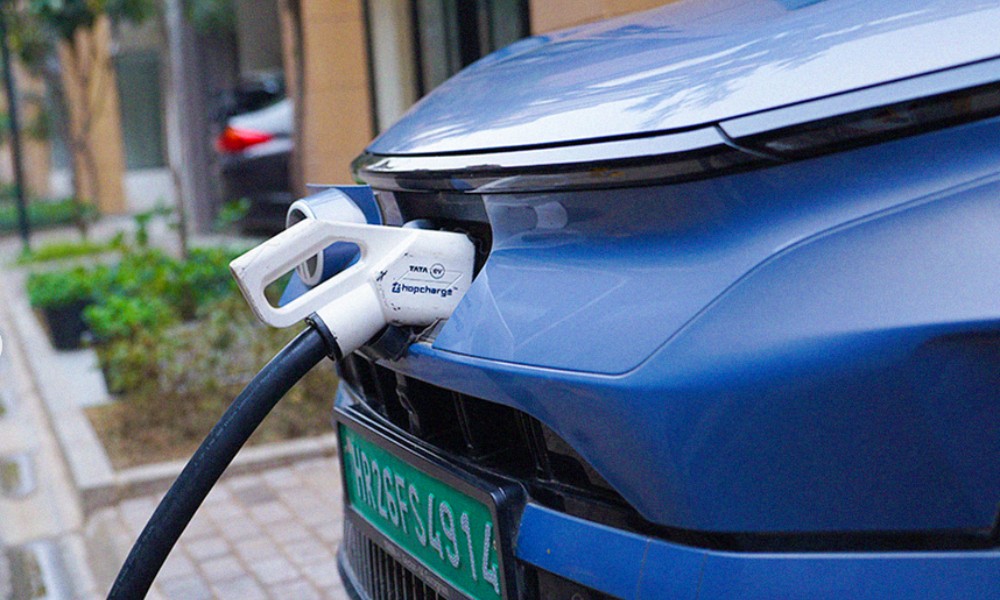
How Slow Charging and Fast Charging Differ
There are two common ways to charge an EV.

Slow AC Charging
This is typically done at home, office parking spaces, or destination chargers.
Power usually ranges from:
- 3.3 kW
- 7.2 kW
- 11 kW
The car converts AC electricity into DC power before sending it to the battery. Because energy enters the battery gradually, heat generation remains relatively low.
Fast DC Charging
DC fast chargers are commonly found on highways and public charging networks.
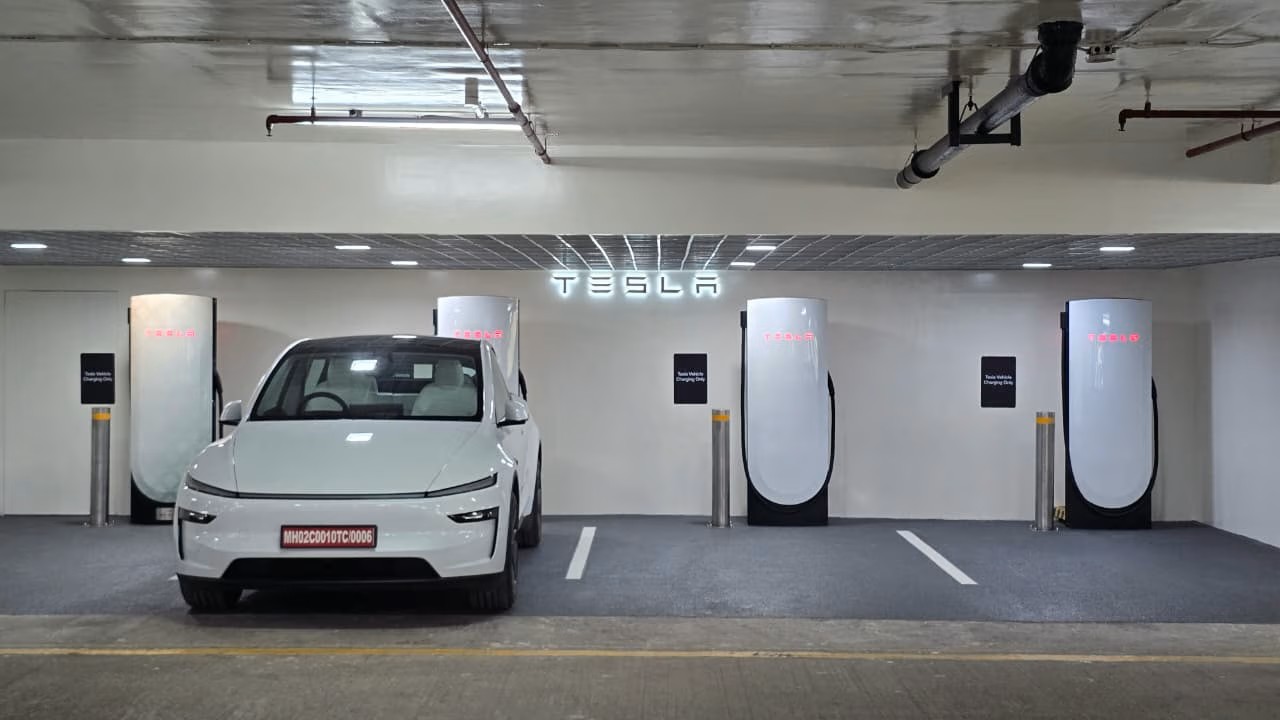
Power outputs can range from:
- 25 kW
- 50 kW
- 60 kW
- 120 kW+
- 150 kW+
These chargers bypass the vehicle's onboard charger and send high-power DC electricity directly to the battery. This dramatically reduces charging times but creates additional heat and stress inside the battery pack.
Does Fast Charging Actually Damage Batteries?
The short answer is yes, but not as much as many people think. Recent large-scale EV health studies tracking thousands of vehicles show that battery degradation remains relatively modest even with regular fast charging.
| Charging Habit | Average Annual Battery Degradation* |
| Mostly AC Charging | 1.5% per year |
| Frequent DC Fast Charging | 2.5% to 3.0% per year |
*estimated
This means batteries that rely heavily on fast charging may lose capacity slightly faster, but they can still remain well within manufacturer warranty limits after several years of ownership. In other words, frequent fast charging accelerates battery ageing, but it does not suddenly ruin the battery.
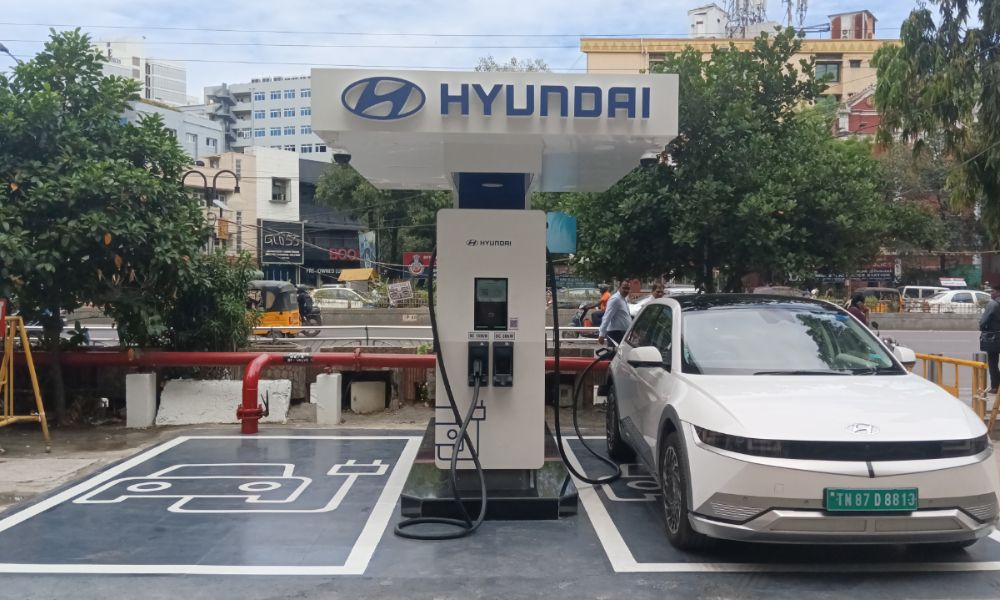
Why Fast Charging Creates More Stress
The main reason is heat. When large amounts of electricity enter the battery quickly, the cells have to work much harder.
This can lead to:
- Higher operating temperatures
- Greater chemical stress
- Increased wear over time
Battery management systems actively monitor these conditions and automatically reduce charging speeds whenever necessary to protect the battery. That is why charging speeds often slow down during hot weather or when the battery is nearly full.

Why Battery Chemistry Matters
Not all EV batteries react to fast charging in the same way.
LFP Batteries
Lithium Iron Phosphate (LFP) batteries are generally more tolerant of frequent charging and high temperatures. Many affordable EVs now use LFP chemistry because of its durability and thermal stability.
NMC Batteries
Nickel Manganese Cobalt (NMC) batteries offer higher energy density and longer driving range but tend to be more sensitive to heat and charging stress. These batteries benefit greatly from effective cooling systems and sensible charging habits.
Why Charging Slows Down After 80%
Many EV owners notice that charging speeds drop significantly once the battery reaches around 80%.
This is completely normal. As the battery fills up, the vehicle gradually reduces charging speed to protect the cells from excess heat and voltage stress.
This process helps preserve battery health and is one reason why many manufacturers recommend charging to 80% for daily use rather than 100%.
Fast Charging vs Slow Charging
Both charging methods serve different purposes, but understanding how they affect heat, charging speed, and battery wear can help you choose the right balance for everyday use.
| Factor | Slow AC Charging | Fast DC Charging |
| Charging Speed | Slower | Much faster |
| Heat Generation | Lower | Higher |
| Battery Stress | Lower | Higher |
| Ideal Usage | Daily charging | Long trips and top-ups |
| Long-Term Battery Impact | Lower | Slightly higher |
| Convenience | Moderate | Excellent |
When Should You Use Fast Charging?
Fast charging is most useful when:
- Travelling long distances
- On road trips
- Needing a quick top-up
- Access to home charging is limited
It is designed to be used and modern EVs are engineered with this in mind. The key is not avoiding fast charging entirely, but avoiding unnecessary dependence on it every day.
The Best Charging Habit for Most EV Owners
For everyday use, slow AC charging remains the preferred option. Charging overnight at home or during work hours allows the battery to recharge gradually with minimal stress.
Fast charging can then be used whenever convenience or travel requirements demand it. This approach offers a good balance between convenience and long-term battery health.
Simple Tips to Maximise Battery Life
Here are some expert tips that can help you get the most life out of your EV battery.
Use AC Charging for Daily Needs
If you have access to home charging, make it your primary charging method.
Avoid Charging to 100% Every Day
For routine use, many EV manufacturers recommend staying between 20% and 80%.
Avoid Repeated Fast Charging Sessions
Multiple DC charging sessions back-to-back can generate additional heat, particularly during summer.
Charge in Moderate Temperatures When Possible
Extreme heat places additional stress on both charging systems and battery cells.
What Matters More Than Charging Speed?
While charging habits do affect battery health, they are only one part of the equation.
Factors such as:
- Climate
- Battery cooling systems
- Driving habits
- Charging frequency
- Battery chemistry
often have just as much influence on long-term battery performance as charging speed itself.
The Smarter Way to Think About EV Charging
The debate is not really fast charging versus slow charging. Both serve different purposes. Slow charging is ideal for everyday use and remains the best option for maximising battery longevity. Fast charging delivers unmatched convenience for road trips and busy schedules. Modern EVs are designed to handle both, and occasional fast charging is unlikely to have a dramatic impact on battery life.
For most owners, the best strategy is simple: use AC charging whenever practical, rely on DC fast charging when needed, and let the battery management system do the hard work of protecting the battery in the background.
Related News


Latest Cars


Upcoming Cars


Latest News


 car&bike Team | Oct 24, 2026Top 5 Bikes In India With The Most Comfortable Pillion Seats For Elderly Parents And Family MembersLooking for a motorcycle that keeps your parents comfortable on rides? These five options offer relaxed ergonomics and pillion-friendly seats.5 mins read
 car&bike Team | Oct 24, 2026Maruti Victoris Gets An Aurum Edition Accessory Kit: Priced At Rs 22,990The accessory kit includes copper accents, chrome trim and 3D mats.1 min read
 car&bike Team | Oct 24, 2026Need A Family 7-Seater Under Rs 7 Lakh? 5 Dependable Second-Hand MPVs And SUVs: Ertiga, Triber, Mobilio & MoreA Rs. 7 lakh budget can get you a used seven-seater for family trips, school runs and everyday travel. The Maruti Suzuki Ertiga, Renault Triber and Honda Mobilio are worth considering, along with the Mahindra TUV300 and Maruti Suzuki Eeco.9 mins read
 car&bike Team | Oct 23, 2026Updated Bajaj Pulsar NS200 Launched at Rs. 1.60 Lakh; Gets TFT Display, Ride Modes, Quickshifter & MoreThe Pulsar NS200 now gets an electronic throttle body which enables six ride modes and traction control, as well as a quickshifter and TFT display with Google Maps mirroring.1 min read
 car&bike Team | Oct 23, 20265 Factory CNG Cars With Usable Boot Space: Nexon, i10 Nios, Exter & MoreHere are five of the most sought-after factory-fitted CNG cars available in 2026 that offer genuine, usable boot space.1 min read
 Seshan Vijayraghvan | Oct 23, 2026Ducati Formula 73 Limited Edition Café Racer Launched At Rs. 20 Lakh; All Units Sold OutThe Ducati Formula 73 has launched as the Italian marque celebrates its 100th year, whereas the motorcycle itself pays homage to the 1973 Ducati 750 Super Sport Desmo.1 min read