
How the Sudden Push for E20 Petrol Is Creating Problems for Carburetted Vintage Motorcycles

- Older carburetted motorcycles were designed for regular petrol, not E20 fuel
- E20 can lead to rust, blocked carburettors and worn-out rubber parts over time
- A few simple maintenance habits can help protect your vintage motorcycle
India has rolled out E20 petrol across the country to reduce crude oil imports, improve energy security and cut carbon emissions. For newer motorcycles, this is not much of a concern. Most modern BS6 bikes that are manufactured after 2023 are already designed to run on E20.
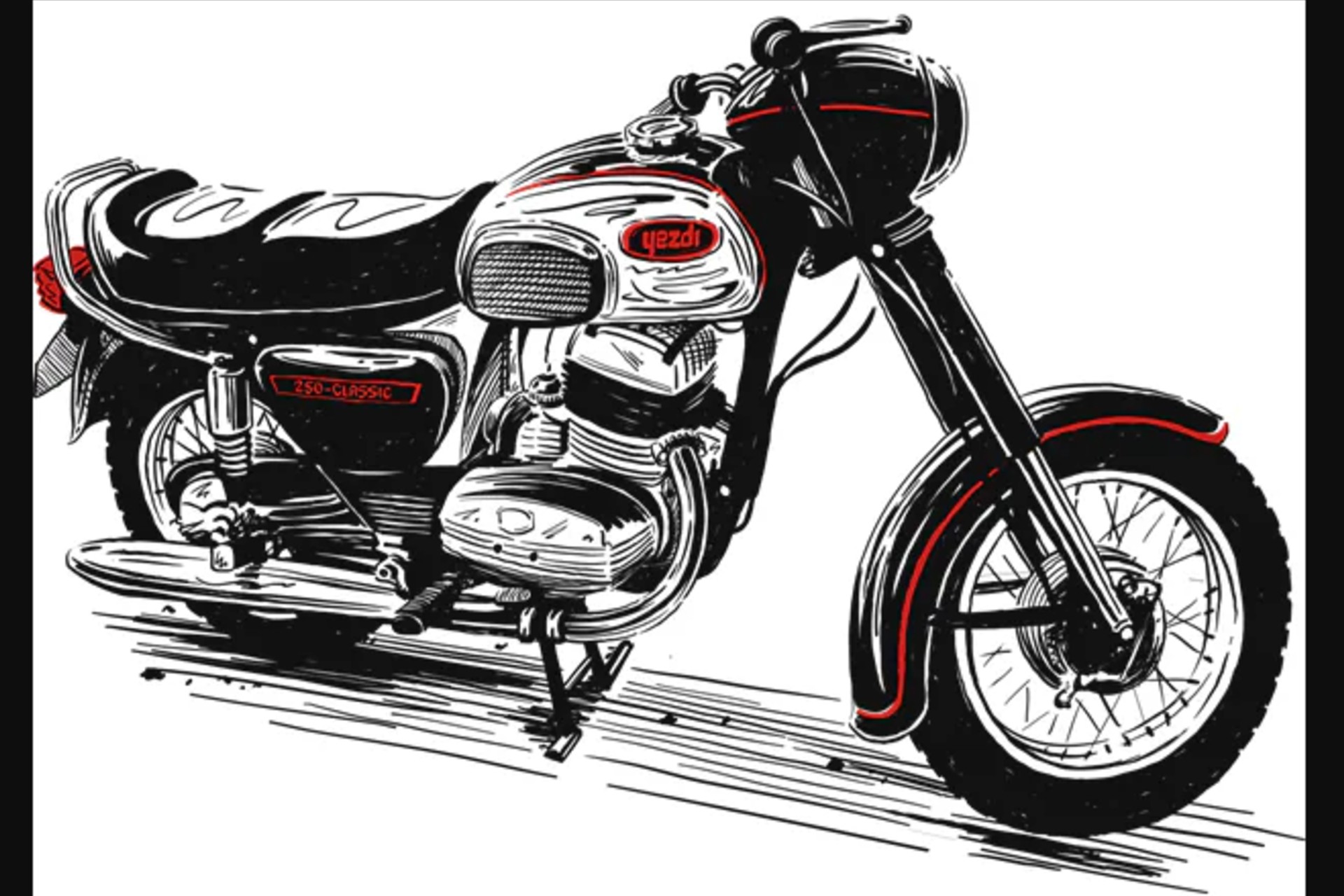
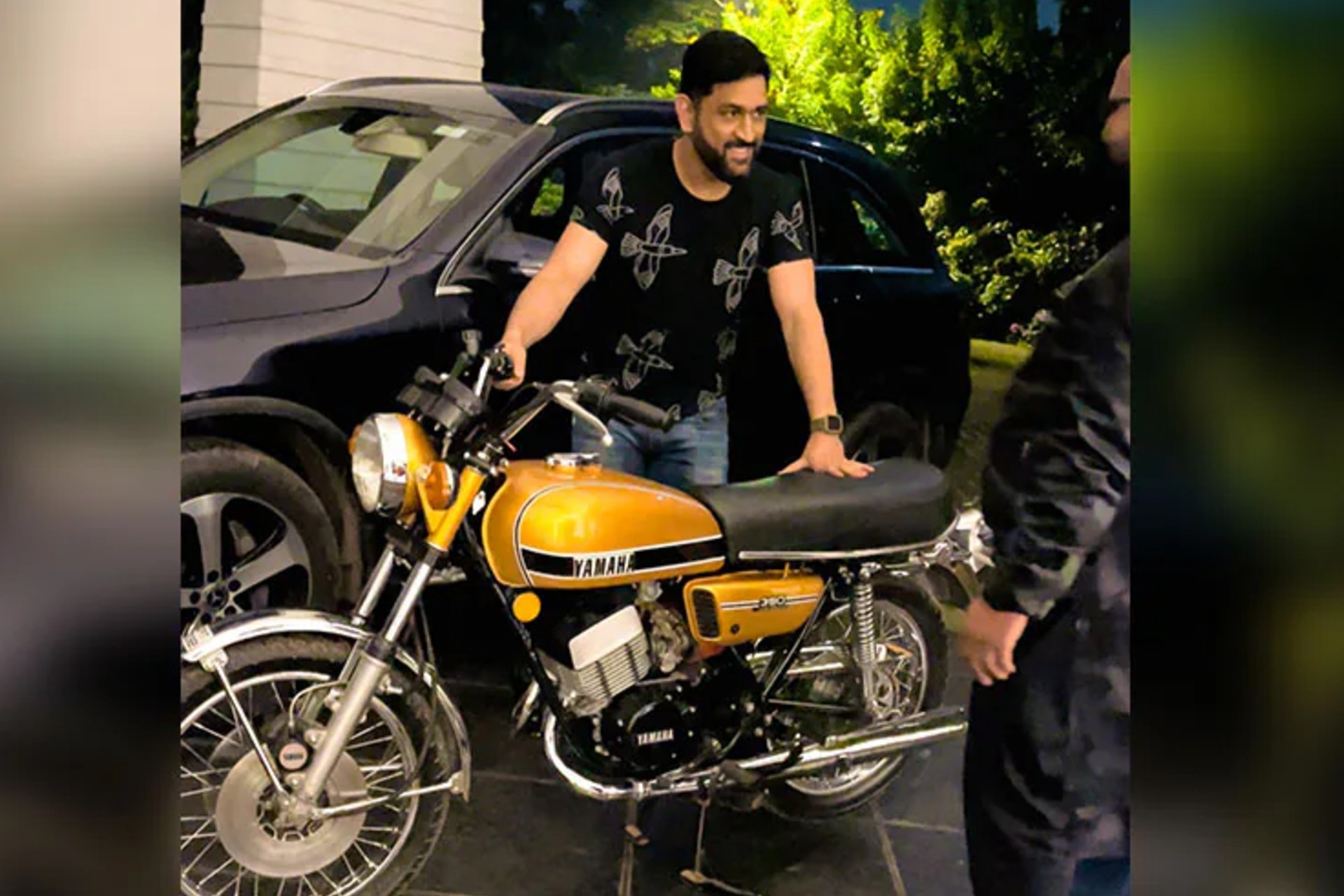
The problem is with older motorcycles. If you own a Yamaha RX100, Yamaha RD350, an older Royal Enfield Bullet 350, Yezdi, Jawa or almost any carburetted motorcycle from a few decades ago, E20 can cause problems that simply didn't exist when these bikes were built.

The bike won't suddenly stop running because of one tank of E20. But over time, there could be issues in the engine running smoothly because of the bike's ignition timing not matching the combustion of ethanol-blended fuel, and other refinement issues.
Over months and years of use, the fuel can start affecting the tank, carburettor, fuel lines and rubber seals.
Also Read: Opinion - India's Ethanol Blending Policy Needs More Clarity & Transparency
Why Does E20 Affect Older Motorcycles?
The biggest difference between regular petrol and E20 is ethanol. E20 contains 20% ethanol and 80% petrol.
Unlike petrol, ethanol naturally absorbs moisture from the air. It also reacts differently with some of the metals and rubber materials used in older motorcycles. Modern motorcycles use fuel systems and components designed to handle ethanol blended fuel.
Most vintage bikes don't. That's why many owners have started noticing fuel-related problems that were much less common before.
Also Read: E20 May Damage Rubber Components of Older Vehicles

Also Read: Govt Issues Clarification on Ehtanol-Blended Petrol Affecting Performance
Steel Fuel Tanks Can Start Rusting From the Inside
Most classic motorcycles use steel fuel tanks. Now imagine filling one with E20 and leaving the bike parked for a month.
As the bike sits, the ethanol blended fuel slowly absorbs moisture from the air inside the tank. That moisture eventually settles at the bottom along with the ethanol because it is heavier than petrol.
Unfortunately, that's also where the fuel tap sits. Instead of drawing clean petrol, the bike can end up pulling a mix of water and ethanol into the fuel system.
Over time, this can cause:
- Rust inside the fuel tank
- Rust flakes entering the fuel line
- Blocked fuel filters
- Poor engine performance
Since the rust starts inside the tank, many owners don't realise what's happening until the bike begins running badly.
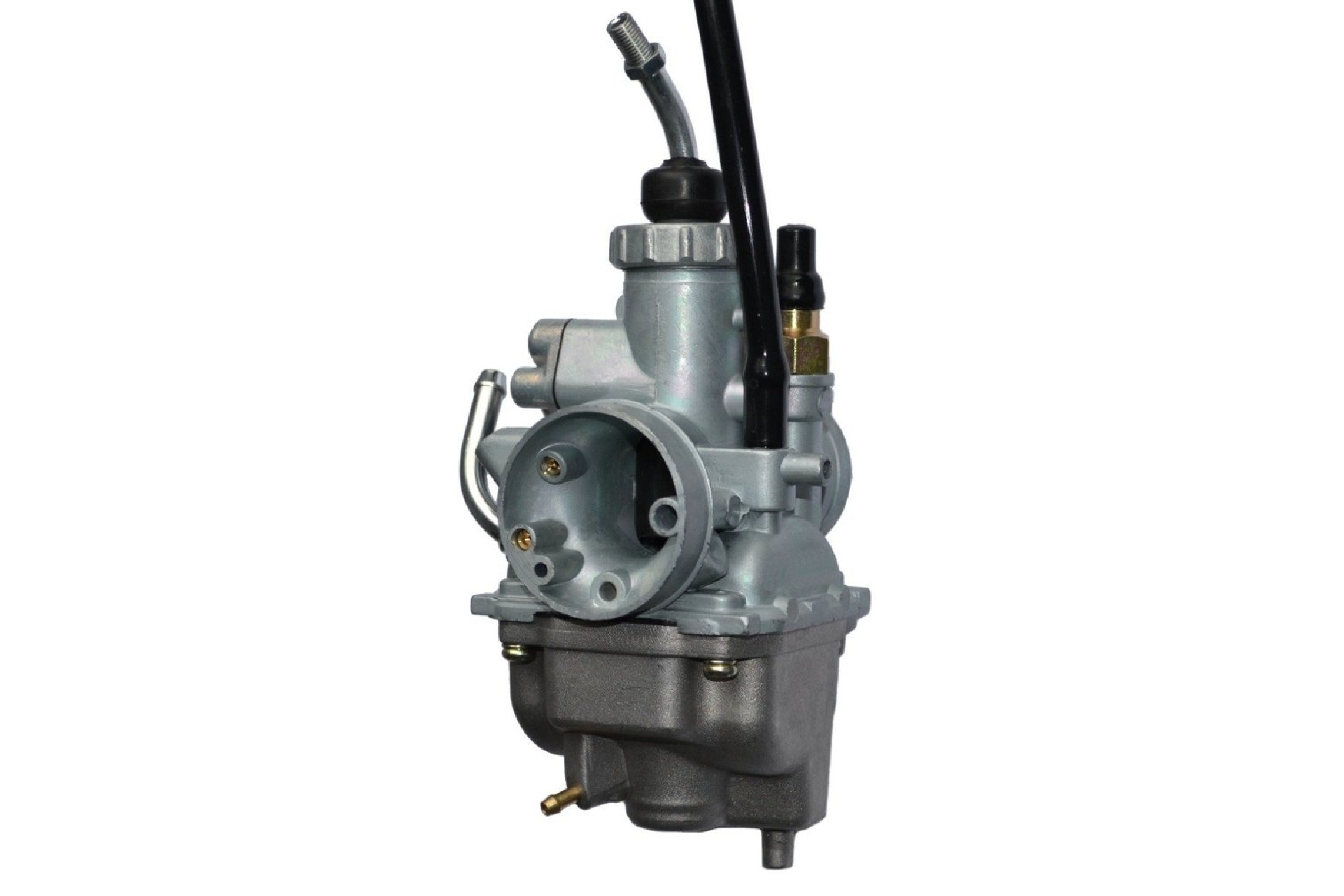
Carburettors Don't Like Sitting With E20
One of the biggest differences between older and newer motorcycles is the way they deliver fuel. Most vintage bikes use carburettors. Modern bikes use fuel injection.
If E20 sits inside a carburettor for several weeks, the petrol slowly evaporates while the ethanol leaves behind sticky deposits. Those deposits can block the tiny fuel passages inside the carburettor.
When that happens, you may notice:
- The bike becomes difficult to start
- Rough idling
- Hesitation while accelerating
- Poor throttle response
- Frequent carburettor cleaning
Some older carburettors can also develop corrosion over time, especially around brass jets and zinc alloy components.
Older Rubber Parts Wear Out Faster
Many classic motorcycles are still running with fuel hoses, seals and gaskets that were designed decades ago. Those materials were never meant to handle fuel with high ethanol content.
After repeated exposure, the rubber may:
- Crack
- Swell
- Become brittle
- Turn soft and sticky
This can eventually lead to fuel leaks or carburettor problems. Replacing old fuel hoses with modern ethanol-resistant ones is one of the easiest upgrades you can make.
Two-Stroke Bikes Need Extra Care
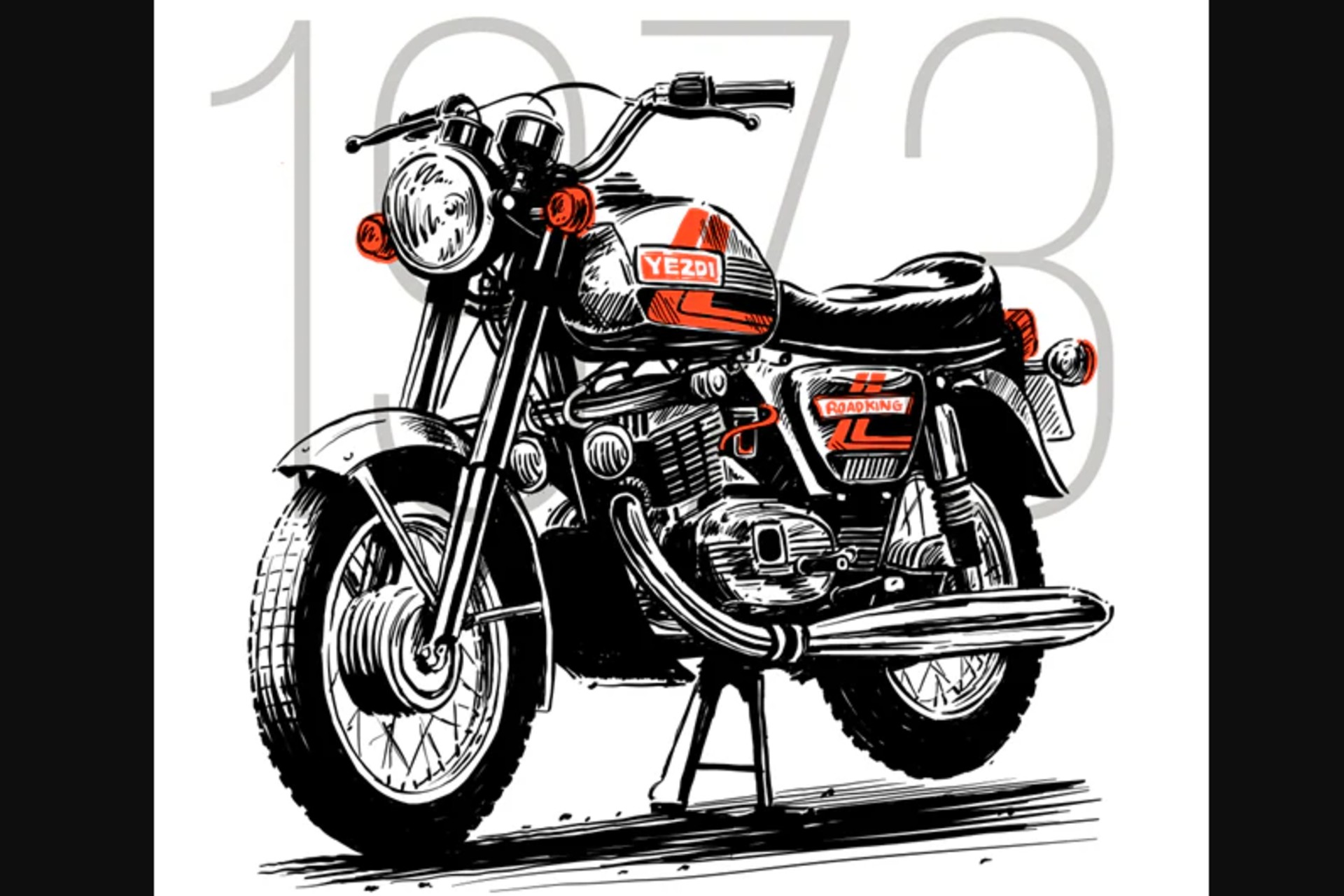
If you own a Yamaha RX100, RD350 or an older two-stroke Yezdi, you need to be even more careful. These engines depend on two-stroke oil mixed with fuel for lubrication.
E20 doesn't mix with that oil as well as regular petrol does, especially if the bike has been parked for a long time. It also burns slightly leaner, which means engine temperatures can be a little higher.
Neither of these things is ideal for an older two-stroke engine that already depends on proper lubrication.
Which Bikes Are Most Affected?
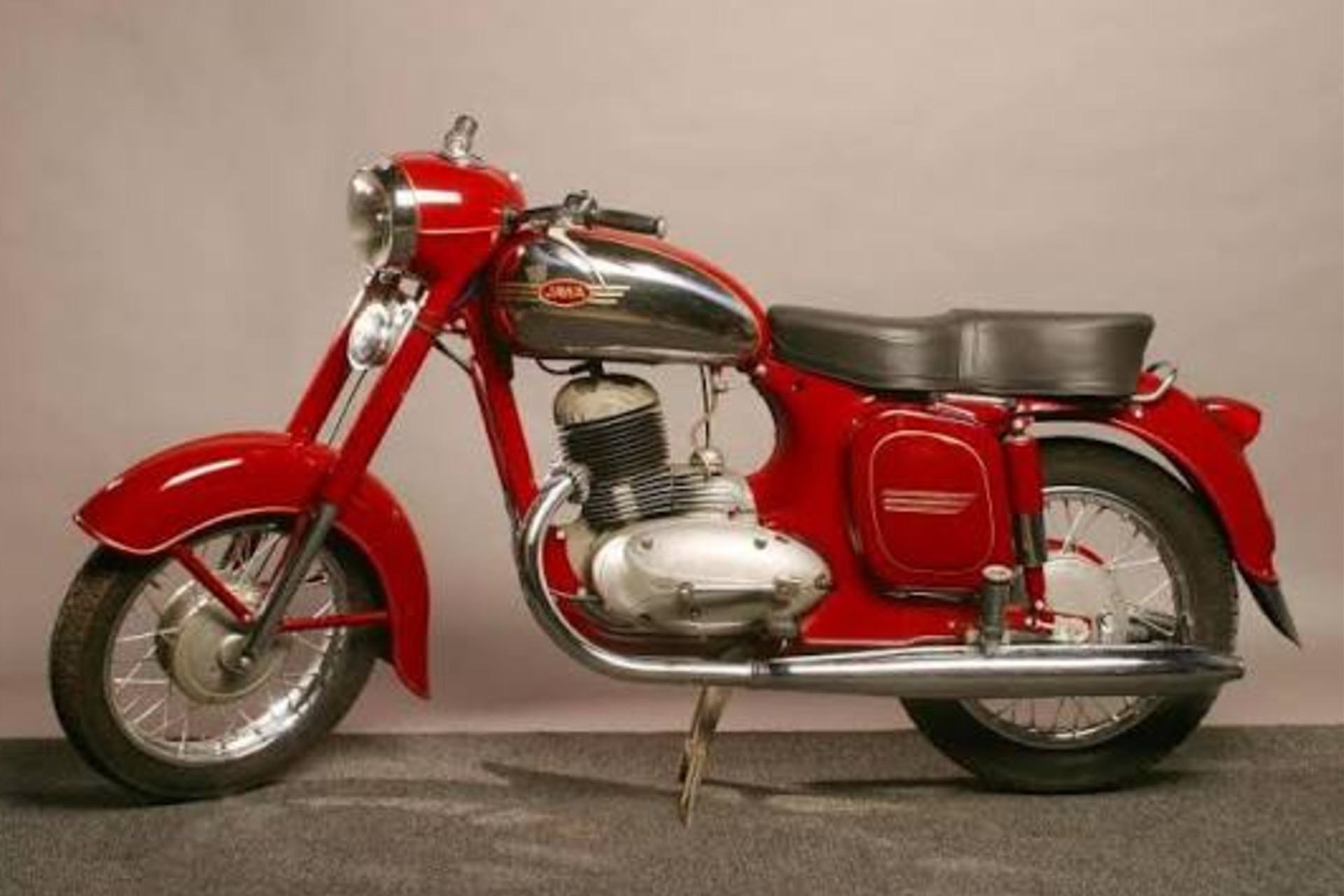
Any older carburetted motorcycle can be affected, but some of the better-known examples include:
- Yamaha RX100
- Yamaha RD350
- Older Royal Enfield Bullet 350 (cast-iron engine or aluminium AVL engines with carburettors)
- Classic Jawa motorcycles
- Older Yezdi motorcycles
- Rajdoot models
- Older scooters with carburettors
Fuel-injected motorcycles are generally far less likely to face these issues because they use ethanol-compatible materials throughout the fuel system.
What If You Don't Ride the Bike Often?
This is where most problems begin. Many vintage motorcycles spend weeks or even months parked in a garage.
During that time:
- Fuel starts losing its quality
- Moisture builds up inside the tank
- Deposits form inside the carburettor
- Rust can begin developing
Ironically, bikes that are ridden regularly usually face fewer fuel-related issues than bikes that spend most of their lives parked.
How to Protect Your Vintage Motorcycle From E20 Petrol?
You can't avoid E20 in India anymore, but you can reduce the chances of problems.
Ride the Bike Regularly
Vintage motorcycles are better off being ridden than left parked for months. Regular use keeps fresh fuel flowing through the carburettor and reduces the chances of deposits building up.
Don't Store With a Half-Empty Tank
If the bike will be parked for a few weeks, fill the tank before storing it. A fuller tank leaves less space for moisture-rich air, helping reduce condensation and internal rust.
Drain the Carburettor Before Long Storage
If you know the motorcycle won't be used for a while, drain the carburettor float bowl. This prevents fuel from evaporating and leaving sticky deposits that can block the jets.
Replace Old Rubber Fuel Hoses
Many original fuel hoses, seals and gaskets were never designed for ethanol-blended fuel. Replacing them with modern ethanol-resistant hoses is a simple upgrade that can help prevent leaks and premature wear.
Consider Using a Fuel Stabiliser
A good fuel stabiliser can slow down fuel degradation if the bike spends long periods parked. While it won't remove ethanol from the fuel, it can help reduce moisture-related issues and keep the fuel usable for longer.
Two-Stroke Owners Should Be Extra Careful
If you own a Yamaha RX100, RD350 or another classic two-stroke, pay extra attention to fuel quality and lubrication. Use a good-quality fully synthetic 2T oil and avoid letting E20 fuel sit in the tank for long periods. Since these engines rely on the fuel itself for lubrication, keeping the fuel system clean becomes even more important.

Are 100-Octane Ethanol-Free Fuels such as IndianOil XP100, HP Power 100 and BPCL Speed 100 Better for Vintage Motorcycles?
If you have access to 100-octane ethanol-free (E0) petrol, it can be a better choice for some vintage motorcycles because it doesn't contain ethanol. That means there's less risk of moisture absorption, internal tank rust, carburettor deposits and damage to older rubber components during storage.
The downside is that these premium fuels are significantly more expensive, costing upwards of Rs. 160 per litre and are not widely available, so they may not be a practical option for every owner.
What This Means for Vintage Bike Owners
India's move to E20 petrol isn't going away, and most new motorcycles manufactured after 2023 are built to handle it. Older carburetted bikes are different. Their fuel systems were designed for a time when ethanol-blended petrol and even unleaded petrol was not part of the equation, which is why issues like rust, clogged carburettors and ageing rubber parts are becoming more common.
If you own a classic motorcycle, you don't have to stop riding it. But regular maintenance, proper storage and a few preventive upgrades are now more important than ever to keep it running reliably.
Related News


Latest Cars


Upcoming Cars


Latest News


 Jafar Rizvi | Oct 17, 2026Honda CB500 Specifications Revealed: 189kg Weight, 27.7 Bhp OutputThe 501.7cc Honda thumper churns out over 43 Nm and gets Bluetooth connectivity with turn-by-turn navigation.2 mins read
 Jafar Rizvi | Oct 17, 2026Renault Duster Hybrid: Variants, Features, Prices ExplainedThe Duster Hybrid is offered in three variants: Evolution, Techno and Emotion.2 mins read
 Jafar Rizvi | Oct 17, 2026Renault Duster Hybrid Launched In India At Rs 16.99 LakhThe strong-hybrid Duster claims a fuel efficiency of 29 kmpl and a range of over 1,400 km.3 mins read
 car&bike Team | Oct 17, 2026Renault Duster Hybrid Launch Highlights: Price, Specifications, Variants, DetailsPrices for the Duster Hybrid will be announced today alongside its variants and specifications. Stay tuned to this space to get live updates from the launch event.1 min read
 car&bike Team | Oct 16, 2026Renault Duster Hybrid Launch Today: What To Expect?The hybrid will become the third powertrain option in the line-up, joining the existing 1.0-litre and 1.3-litre turbo-petrol engines.2 mins read
 car&bike Team | Oct 16, 20262026 Hero Xtreme 160R 4V: In PicturesJust before Diwali, Hero Motocorp has launched the 2026 Hero Xtreme 160 4V with new upgrades and features.1 min read