
Mandatory ABS Rule For All Bikes in India: What Changes in 2026?
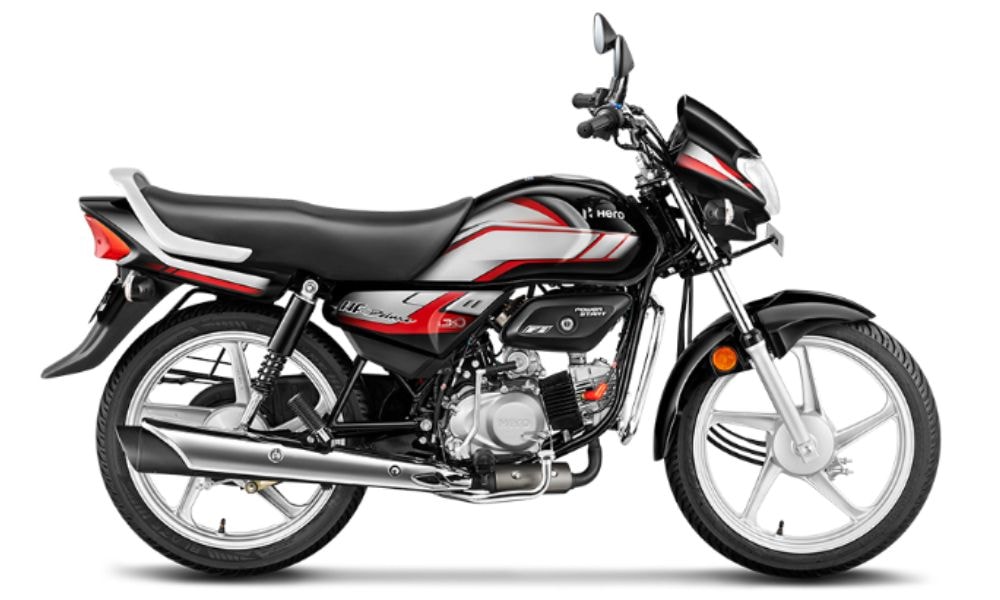
- Draft rules mandate all two-wheelers to come with mandatory ABS
- Even 100 cc, 110 cc commuters will need to have ABS
- Current rules mandate only 125 cc and above two-wheelers to have ABS
In 2026, India is set to take an important step towards improving two-wheeler safety. The government has proposed expanding the mandatory anti-lock braking system (ABS) to cover all new two-wheelers, including motorcycles and scooters with engine displacement of below 125 cc. There’s no doubt that ABS is a proven safety feature. But single-channel ABS is only available on the front wheel, and it will work only when the front brake lever is used in case of an emergency. Smaller 100-110 cc commuter two-wheelers so far had a simple, but effective braking system – the combined braking system (CBS).
Also Read: Most Affordable Bikes With ABS
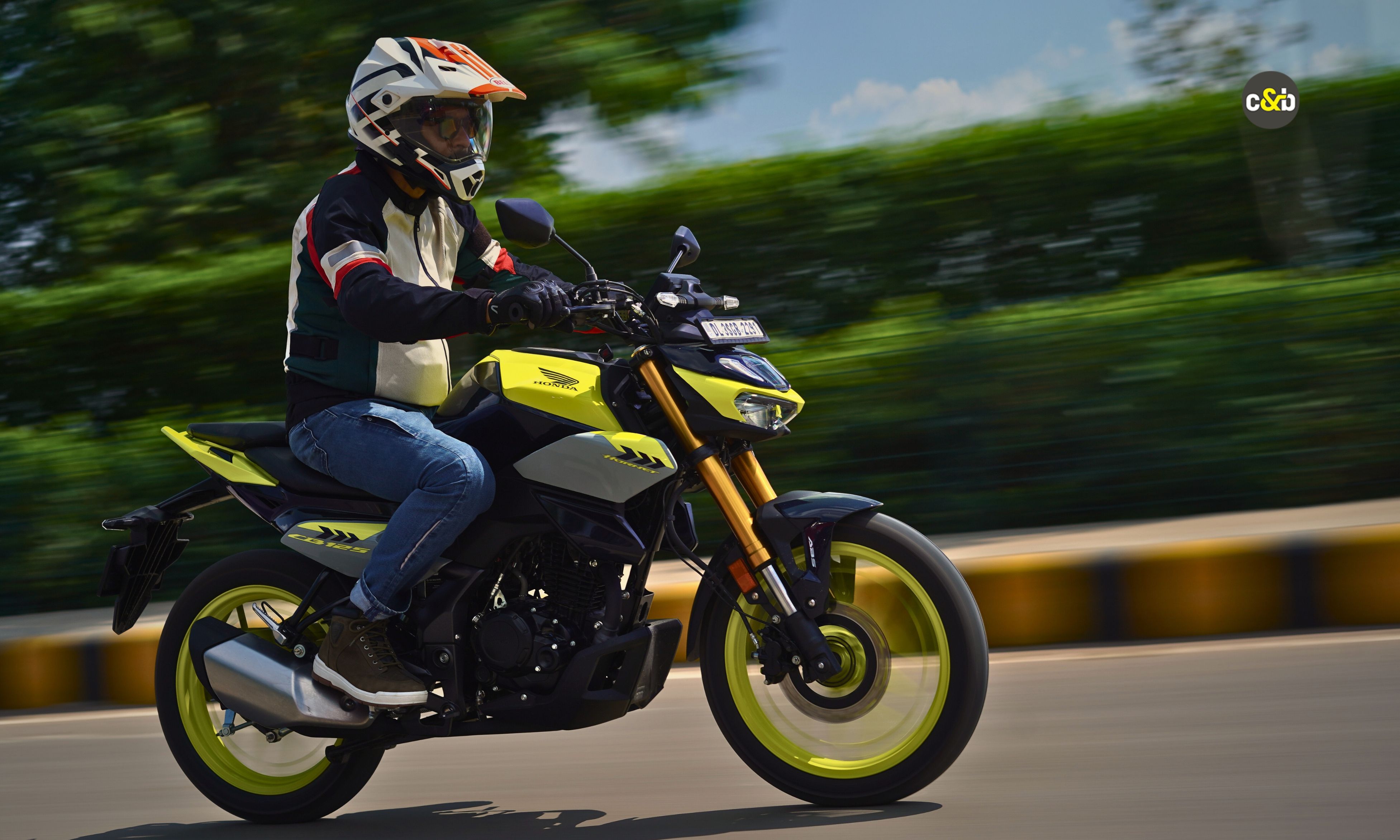
Since 2019, ABS, has been mandatory on two-wheelers above 125 cc engine displacement. So far, any two-wheeler under the 125 cc engine displacement threshold required Combined Braking System (CBS), a simpler set-up that links the front and rear brakes when any of the brake levers (or pedals) are applied. But CBS doesn’t actually prevent wheel lock-up, which could lead to dangerous situations, including one or both wheels locking up and skidding, and may lead to the rider having a fall, or a crash.
Also Read: Top 5 Beginner Bikes in India
ABS vs CBS: What Works Better?
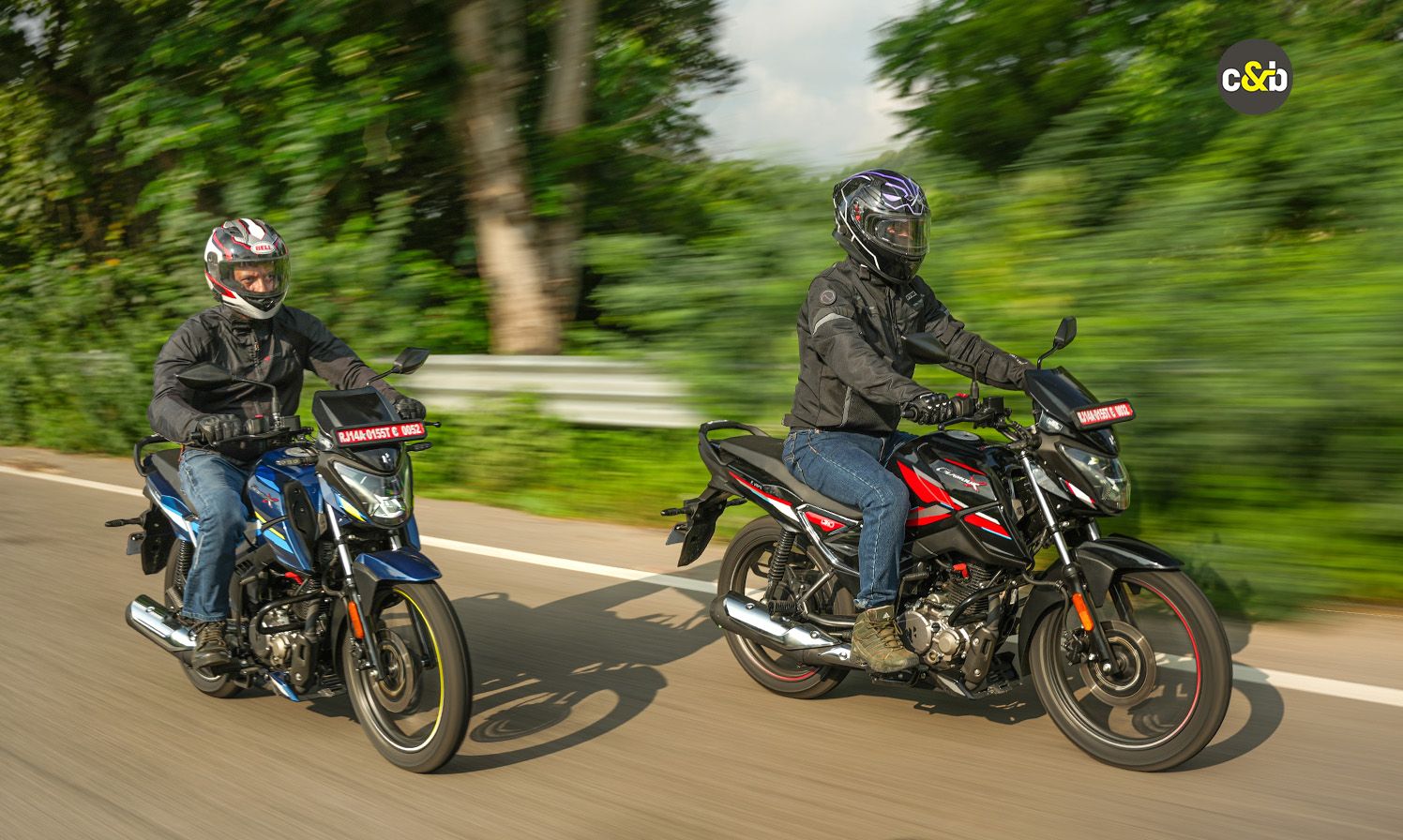
CBS works on the simple principle of distributing braking force between the front and the rear wheels of a two-wheeler. It is particularly helpful for inexperienced or new riders, improving braking stability since braking force is automatically applied on both wheels even if just one brake (front or rear) is applied. CBS however, doesn’t prevent wheel lock-up under emergency braking. A locked-up wheel can lead to wheel skid, causing a two-wheeler to lost stability and slide.
Also Read: Best Commuter Motorcycles Under Rs. 1 Lakh in India

ABS, on the other hand, prevents the wheel from locking up under hard braking. This is particularly useful during emergency braking, when a rider instinctively applies maximum braking force. Single-channel ABS works on only the front wheel, and the safer option is dual-channel ABS, which offers ABS on both wheels. However, most entry-level two-wheelers with ABS only offer single-channel ABS, although some products do have optional dual-channel ABS.
It’s also important to understand that just having ABS doesn’t necessarily mean that a two-wheeler will be crash proof. At excessive speed, even ABS sometimes isn’t enough to prevent a slide and fall. Compared to CBS however, ABS does offer better safety and control for the rider, even under hard braking.
Also Read: Top 10 Most Fuel-Efficient Motorcycles in India

When Will the Two-Wheeler ABS Rules Be Implemented?
The draft notification of the Ministry of Road Transport and Highways (MoRTH) was first issued in June 2025, more than a year ago, proposing amendments to the Central Motor Vehicle Rules so that every two-wheeler above 50 cc (and not just above 125 cc) must be fitted with ABS. This will cover India’s mass market commuters, including 100 cc motorcycles, as well as 110 cc scooters and motorcycles, which will need to have mandatory ABS before it leaves the factory.
Along with it, is the second rule which is just as significant for riders, and for road safety. Dealerships are currently required to supply one BIS-certified helmet along with the sale of every two-wheeler. Under the new rules, as per the draft notification, dealerships will be required to supply two BIS-certified helmets with every new two-wheeler sale.
Both changes were originally slated for January 1, 2026. However, as of today, the final MoRTH notification is yet to be rolled out. This is because, the implementation deadline could be deferred following concerns raised by manufacturers about costs and readiness.
Several two-wheeler manufacturers, along with industry body SIAM (Society of Indian Automobile Manufacturers) have pushed for a deferment, and for now, the government seems to have listened without making the updated rules official so far. The arguments by two-wheeler manufacturers to defer the notification weren’t just about cost.
- There’s the question of supply chain. In FY 2025, more than 70 per cent of two-wheelers sold in India were 125 cc and below. Only a small number of ABS suppliers currently build at the volume needed to equip all two-wheelers by a single deadline.
- Manufacturers also argued about the effectiveness of ABS at low speeds. They say that benefits of ABS are more pronounced only at high speeds, the testing on India’s low-speed, low-powered commuter segment hasn’t been done.
- Some manufacturers also point out to riding habits of many commuter segment riders. The argument is that India’s commuter class rider is also used to using the rear brake pedal more often than pulling in the front brake lever. Amongst the millions of commuters using 100-110 cc two-wheelers, CBS seems to work well, which activates brakes on both wheels simultaneously, instead of offering single-channel ABS which will only be effective if the rider pulls the front brake lever.
The ministry has reportedly listened to the arguments put forward by two-wheeler manufacturer and SIAM but has not yet budged on the broader issue of safety. Whether the delay is due to a short technical grace period from the government for testing, or to strengthen supply chain, is still uncertain. But the writing is clear – all two-wheelers will be mandated to be equipped with ABS and commuter segment products will become more expensive, which will include motorcycles, scooters and even electric two-wheelers.
What Changes With the New ABS Rule?
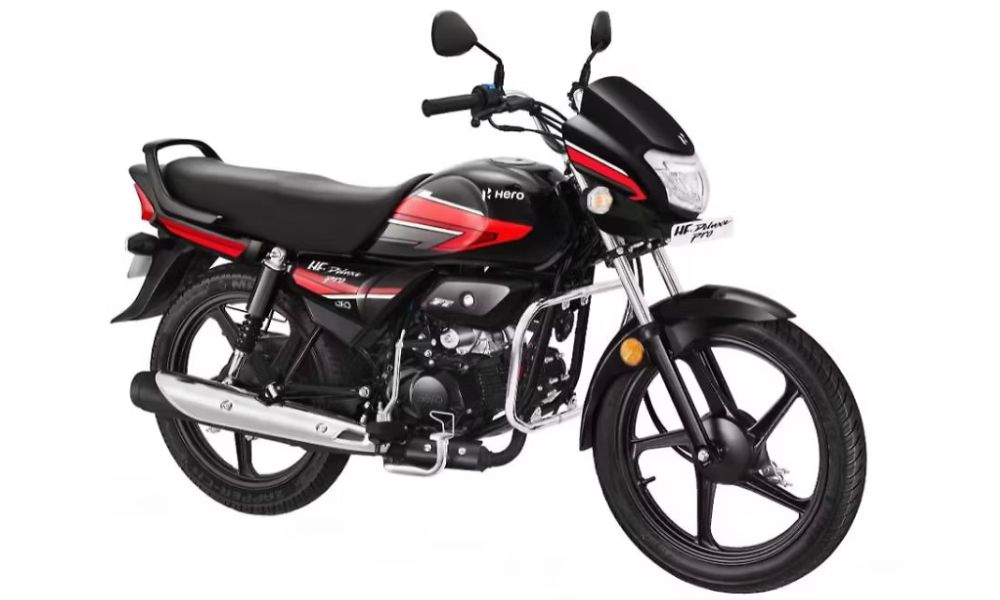
If implemented as proposed, all new two-wheelers manufactured from the notified effective date will need to be equipped with ABS, regardless of engine capacity. This will include a broad spectrum of commuter two-wheelers, which will need to have ABS, and have so far just been equipped with CBS. These commuter segment two-wheelers which will need to have mandatory ABS include:
- 100 cc motorcycles
- 110 cc scooters & motorcycles
- Electric two-wheelers, once MoRTH finalises how they will be classified under the rule (likely by an equivalent power output rather than engine displacement, since EVs don’t have a displacement figure to make segments)
Two-wheelers above 125 cc are unaffected, since they have been equipped with mandatory ABS since 2019.
Also Read: Top 5 Sports Bikes Under Rs. 2 Lakh
Which Segments Will Be Most Affected?
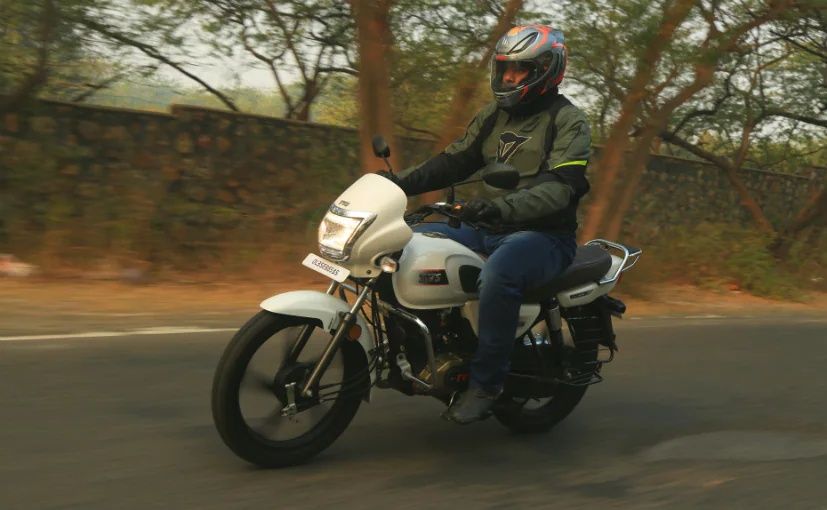
The entry-level motorcycle and scooter segments will be the most affected, since they dominate India’s two-wheeler industry sales, and form the backbone of affordable personal transport for millions of Indians. This category is extremely price sensitive – whether it’s the sticker price of the product, or fuel efficiency figures and running costs.
A 100 cc commuter motorcycle or a 110 cc scooter that currently comes with CBS will need to have ABS as default, straight from the factory. Introducing ABS technology will add to costs in manufacturing, which will in turn result in higher market prices for consumers. For a price-sensitive segment, the mandate could add more to the price of the commuter segment products. Even a modest hike could dent demand.
Market observers say models with an existing front brake will become more expensive by at least Rs. 3000 when ABS is introduced. And commuter two-wheelers which are only offered with front drum brakes now will become more expensive by at least Rs. 7,000-9,000 with the new hardware and sensor set-up that fitting ABS will require. Once the rule comes into effect, current base variants, with drum brakes are likely to be discontinued since front disc with at least single-channel ABS will be the norm going forward.
How Will the ABS Rule Affect the Two-Wheeler Industry?
The case for road safety is hard to argue against. At car&bike, we’ve always backed ABS-equipped two-wheelers, and dual-channel ABS where it’s on offer. The real question isn’t whether ABS should be mandatory, but more about how the industry, and India’s mass-market two-wheeler manufacturers can get there, without pricing the backbone of India’s personal mobility out of reach for the common person. First time two-wheeler buyers and buyers from India’s rural market still form the base on which the world’s largest two-wheeler market runs. The mandatory ABS rule is a welcome step for two-wheeler road safety, but it will decide how much Indian commuters are willing, or will be able to pay, for safety.


Latest News


 car&bike Team | Oct 19, 20262027 Kawasaki Z1100 Launched In India At Rs 12.79 LakhThe new flagship naturally aspirated Supernaked motorcycle gets a 1,099cc inline-four engine, a six-axis IMU and a comprehensive suite of electronic rider aids.1 min read
 Jaiveer Mehra | Oct 19, 2026All-Electric Mercedes-AMG GT SUV Debuts With 1153 bhp, 700 Km RangeSister model to the AMG GT 4-Door EV, the AMG GT SUV sits on Mercedes’ AMG.EA platform and will go on sale globally with dual- and tri-motor powertrain options.1 min read
 Sarthak Mahajan | Oct 19, 2026Hyundai Bayon Arrives At Dealerships, Key Details RevealedHyundai Bayon sits between the Venue and the Creta.2 mins read
 car&bike Team | Oct 19, 2026KTM Opens New Brazil Plant With Annual Capacity Of 20,000 MotorcyclesThe new Manaus facility will manufacture 10 KTM and Husqvarna models, with production expected to scale up through 2027.1 min read
 Jaiveer Mehra | Oct 18, 2026India-Spec Honda Rebel 300 Specifications RevealedThe Rebel 300’s 286 cc mill develops a peak 27.2 bhp and 24.5 Nm, with kerb weight hovering between 173 kg and 176 kg.1 min read
 Jaiveer Mehra | Oct 18, 2026New Hero Xtreme 160R 4V Variants ExplainedThe Xtreme 160R 4V is now available in three trim levels and gets updated styling and new features.1 min read