
Why Do Modern Car Engines Consume Engine Oil Between Scheduled Service Intervals?

- Some engine-oil consumption can be normal during everyday driving
- Frequent top-ups can indicate that your engine needs closer attention
- Leaks, blue smoke or a rapidly falling oil level should not be ignored
Modern engines are designed to run for long periods between scheduled services, so many owners expect the engine-oil level to remain exactly where it was after the last oil change. In reality, that is not always how an internal-combustion engine works.
Even a healthy engine can consume some oil during normal operation. Engine-oil consumption while driving is normal and you should check oil levels and refill regularly. So, if your dipstick is slightly lower than it was after the last service, that does not automatically mean the engine is damaged. The important question is how much oil is being consumed, how quickly the level is falling and why.
Why Does an Engine Consume Oil at All?
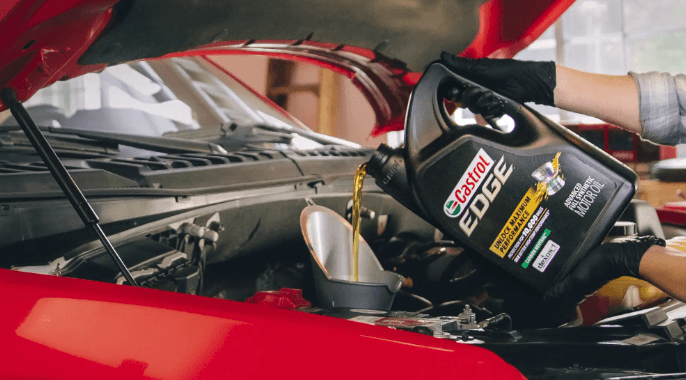
Engine oil is supposed to circulate throughout the engine, lubricating and cooling components that operate under constant movement, pressure and heat. But the lubrication system is not completely isolated from the combustion process.
A controlled amount of oil is present on surfaces such as the cylinder walls and around the piston rings. Some of this oil can reach the combustion chamber and burn during normal engine operation. Thin films of oil left on the cylinder walls can be drawn into the combustion chamber and burned. That means “the engine is consuming oil” and “the engine is leaking oil” are not necessarily the same thing.
What Is Normal Oil Consumption?
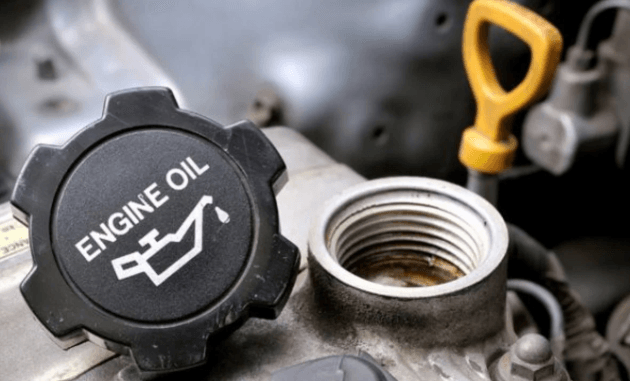
There is no single oil-consumption number that applies to every modern car. The expected or acceptable level depends on the engine, oil specification, vehicle condition, driving conditions and the manufacturer's stated limits.
For example, Hyundai states that oil consumption can be affected by driving habits, climate, traffic conditions and oil quality. While Mahindra notes that oil consumption depends on oil viscosity and quality as well as driving conditions. It correlates higher consumption with high-speed driving and frequent acceleration and deceleration.
This is why comparing your car with a friend's car and deciding that “one litre is normal” or “any consumption means an engine problem” can be misleading. The owner's manual is the correct reference for your specific engine.
Why Can Oil Consumption Increase With Hard Driving?

Engine operating conditions can make a noticeable difference. High engine speeds, heavy loads and frequent acceleration can increase the amount of oil exposed to high temperatures and combustion-related conditions. High-speed driving and frequent acceleration and deceleration as conditions that can increase oil consumption. This does not mean enthusiastic driving automatically damages an engine.
It simply means that two vehicles with the same engine, mileage and oil may not necessarily consume oil at exactly the same rate if they are driven very differently. This is particularly relevant in India, where a car may alternate between slow-moving city traffic, long highway runs and periods of heavy acceleration.
Sometimes the Engine Is Not Burning Oil, It Is Leaking It
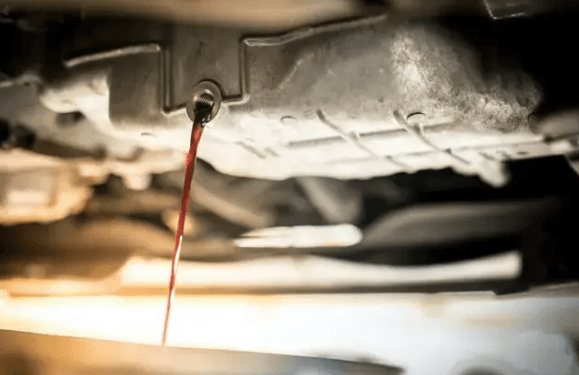
This is one of the easiest possibilities to overlook. If the engine oil level keeps dropping, the oil may not be entering the combustion chamber at all. It could simply be escaping from the engine.
Possible leak points include:
- Oil sump and drain-plug area
- Oil filter housing
- Valve-cover gasket
- Oil pan gasket
- Front or rear crankshaft seals
- Turbocharger oil lines
- Other engine oil seals and joints
Owners should check the engine compartment and underbody for fluid leaks and have the cause corrected if a leak is found. A visible oil spot underneath the car, fresh oil residue around the engine or a persistent burning-oil smell can provide useful diagnostic clues alongside the dipstick reading.
What About Turbocharged Engines?
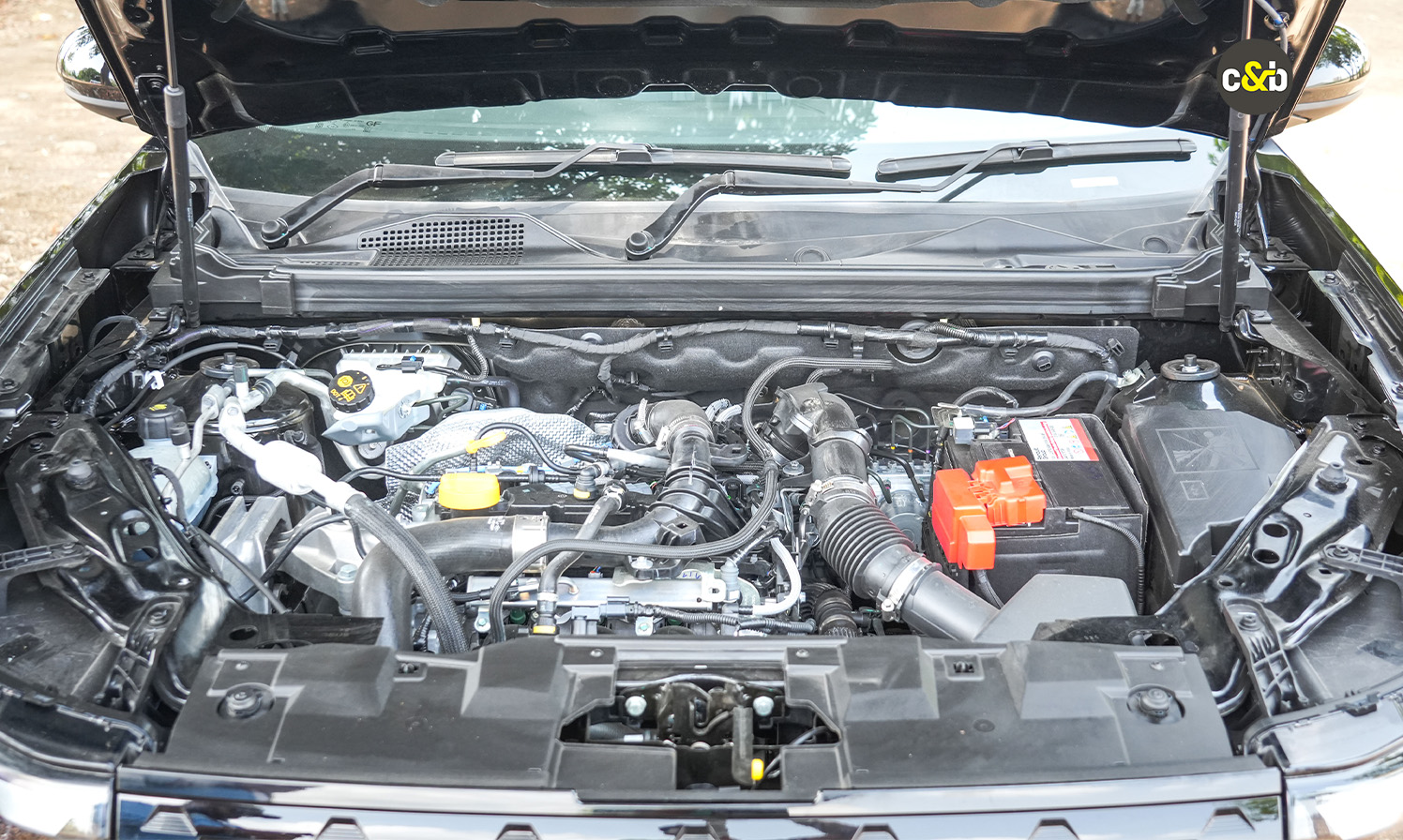
Turbocharged engines have additional oil-related components because the turbocharger's bearing system is lubricated by engine oil. A turbocharger problem can contribute to oil entering the intake or exhaust side of the system and may be associated with excessive oil consumption or smoke. However, a turbocharger should not automatically be blamed when an engine is consuming oil.
Turbocharger symptoms can also result from other problems, including lubrication issues, restricted air or exhaust systems and engine-related faults. The exact inspection procedure therefore depends on the engine and turbocharger design.
Why Does Engine Oil Sometimes Seem to Disappear Suddenly?
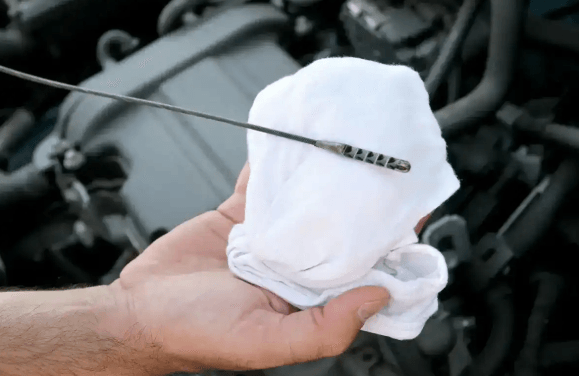
Oil-level readings are not always perfectly comparable. The vehicle should be checked under consistent conditions because oil needs time to drain back into the sump after the engine has been running. Most manufacturers instruct owners to park on level ground, warm the engine, switch it off and wait before measuring the oil level.
However, repeated short trips can allow fuel or moisture to dilute the engine oil, making the dipstick show little apparent change even when some oil has been consumed. When the vehicle is subsequently driven at higher speeds, the diluting substances can evaporate, making the oil level appear to drop more suddenly. So before concluding that the engine suddenly consumed a large amount of oil, measure it correctly and compare readings taken under similar conditions.
When Should You Be Concerned About Oil Consumption?
A small, stable reduction between services may not be unusual.
You should investigate the situation more closely if you notice:
- The oil level repeatedly falls to or below the minimum mark
- You need frequent top-ups
- Blue or bluish exhaust smoke appears
- There are visible oil leaks
- You notice a persistent burning-oil smell
- Oil consumption suddenly increases
- The engine develops new performance or running issues
Do not wait for the next scheduled service if the oil level is seriously low.
How Should You Check Your Engine Oil?
The simplest way to avoid confusion is to check the oil regularly and follow the procedure specified by your manufacturer. Where a dipstick is provided, a typical procedure is:
- Park on a level surface.
- Switch the engine off.
- Allow the oil to settle for the period specified by the manufacturer.
- Remove and wipe the dipstick.
- Reinsert it fully.
- Remove it again and check the level.
- Top up only with the specified oil if required.
The exact procedure can differ between vehicles. Hyundai, for example, instructs owners to warm the engine, switch it off and wait 15 minutes before checking the dipstick, while other manufacturers specify different intervals.
Do not simply pour in oil until the dipstick looks “full”. Overfilling can also cause problems, so keep the level within the range specified by the manufacturer.
So, Is Your Engine Actually Using Too Much Oil?
The answer depends on the pattern. Some oil consumption during normal operation is expected for many internal-combustion engines. Hyundai and Mahindra both state that engine oil can be consumed during driving and should therefore be checked regularly.
The mistake is assuming that all oil consumption is either completely normal or automatically a sign of engine failure. Check the level correctly, use the oil specified for your engine and watch the trend over time. If the level starts falling quickly, the car needs frequent top-ups or other symptoms appear, get the cause diagnosed rather than simply continuing to add oil. A little oil consumption can be normal. A growing appetite for oil deserves attention.
Related News


Latest Cars


Upcoming Cars


Latest News


 Sarthak Mahajan | Oct 27, 2026India Clears Pathway For Introduction Of E100 Flex-Fuel VehiclesThe government has approved the inclusion of E100 fuel in the rules, specifying E100 and E85 for compatible flex-fuel vehicles.1 min read
 Amaan Ahmed | Oct 27, 2026Land Rover Defender 110 Local Assembly Begins In India, Prices Drop By Up To Rs 34 LakhPreviously sold in India as a completely built-up (CBU) model, the incredibly popular Defender is now being built at Jaguar Land Rover's Pune facility.3 mins read
 car&bike Team | Oct 27, 2026Honda To Launch Mitsubishi Triton-Based Pickup Truck In ASEAN By 2028Honda and Mitsubishi Motors have signed an MoU for a new pickup truck based on the Mitsubishi Triton, marking their first complementary vehicle supply agreement as part of a wider strategic partnership involving Nissan1 min read
 Sarthak Mahajan | Oct 27, 2026Hyundai Bayon Colour Options ReveleadHyundai Bayon is available in 10 colour options.2 mins read
 Jafar Rizvi | Oct 26, 2026Royal Enfield Himalayan 750 Teased Ahead Of Global DebutThe Himalayan 750 will likely make its global debut at the EICMA Motor Show in Milan, Italy, next month.2 mins read
 Sarthak Mahajan | Oct 26, 2026Hyundai Bayon: In PicturesThe company said Bayon will receive a CNG option next year.4 mins read