
Simple Wave First Ride Review: Space, Pace And More Space

- The Simple Wave gets a large 920 mm seat and up to 70 litres of storage, making practicality its biggest strength
- The 3.7 kWh version gets a 6.4 kW motor, 90 kmph top speed and a claimed 171 km IDC range
- Its comfortable ride, spacious ergonomics and clever storage make it a compelling family scooter, although the competition is getting increasingly strong
Simple Wave Review: Introduction
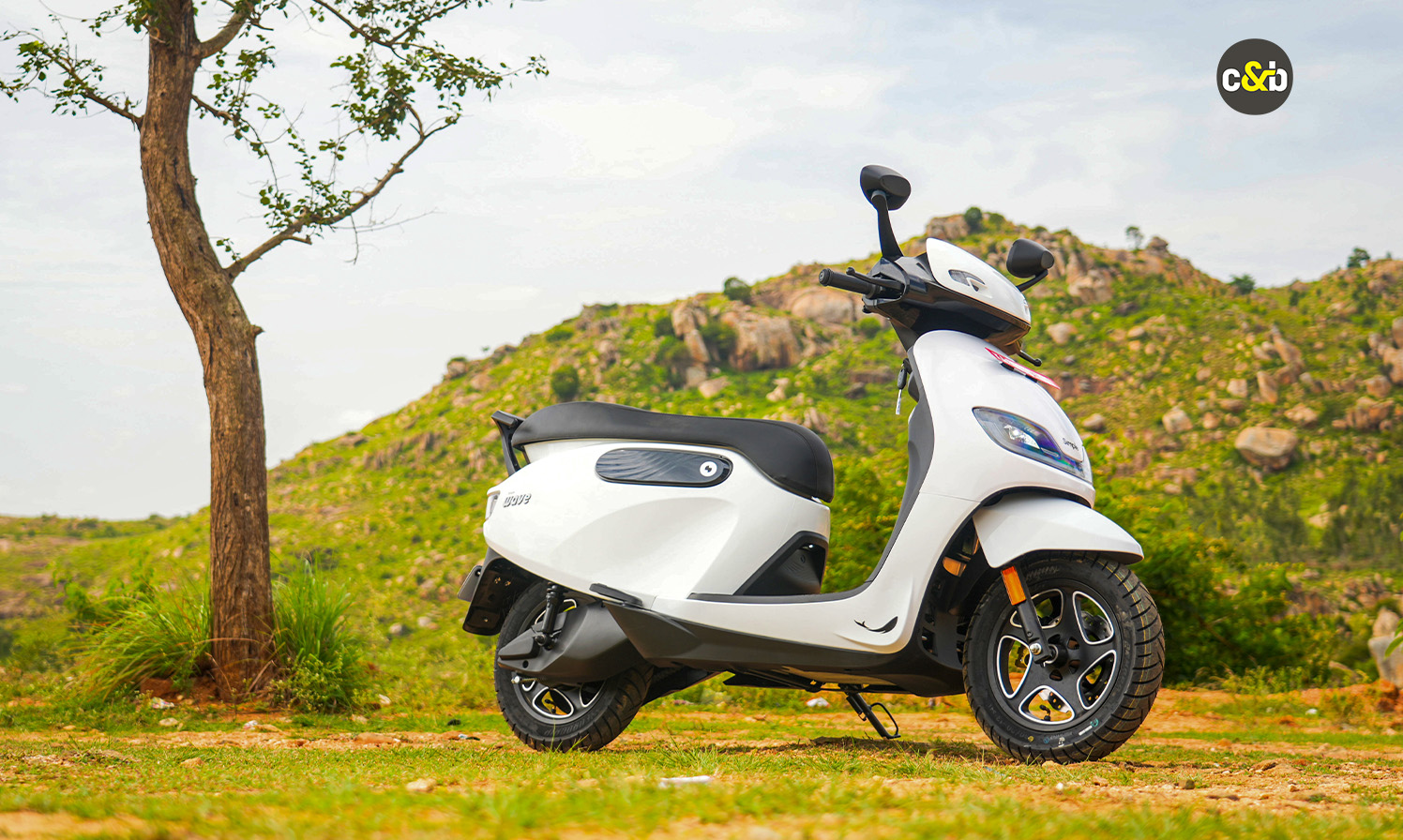
The family electric scooter segment in India is getting increasingly competitive. With products such as the Bajaj Chetak, TVS iQube and the recently launched Ather Konarc, manufacturers are placing a greater emphasis on practicality and everyday usability alongside performance and technology.
Simple Energy is now looking to make its mark in this space with the new Wave. Unlike the company's earlier focus on performance-oriented electric scooters, the Wave has been designed primarily around the needs of everyday family users. Its biggest highlights are its large seat, generous storage capacity and comfortable riding position.
So, does the Simple Wave have what it takes to make a mark in the increasingly crowded family EV scooter segment? We spent some time with it to find out.
Design
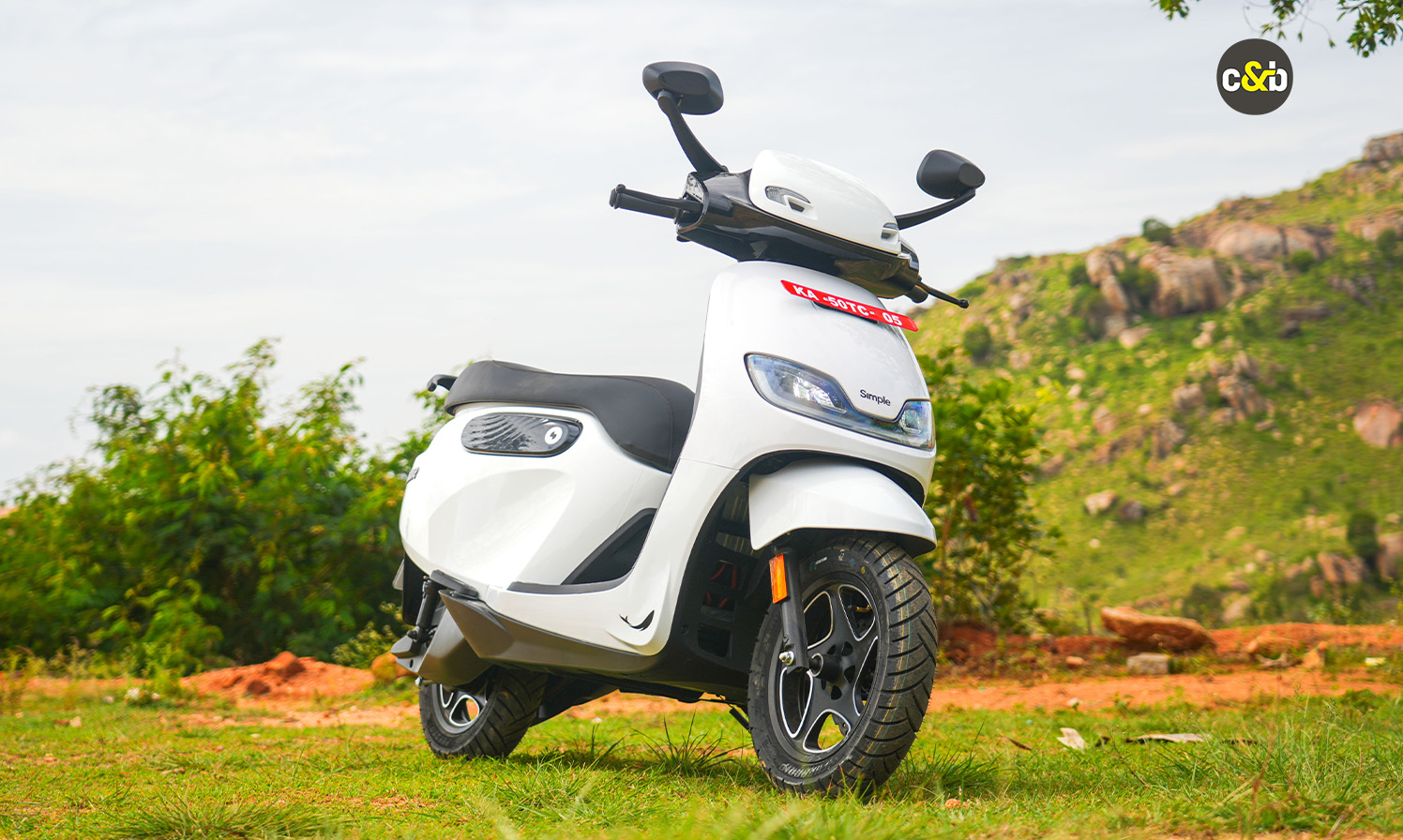
The Simple Wave takes a different approach to the design of a family scooter. Rather than going for an overtly futuristic or sporty appearance, the emphasis is on creating a substantial scooter with plenty of usable space.
Also Read: Simple Wave Electric Scooter Full Prices
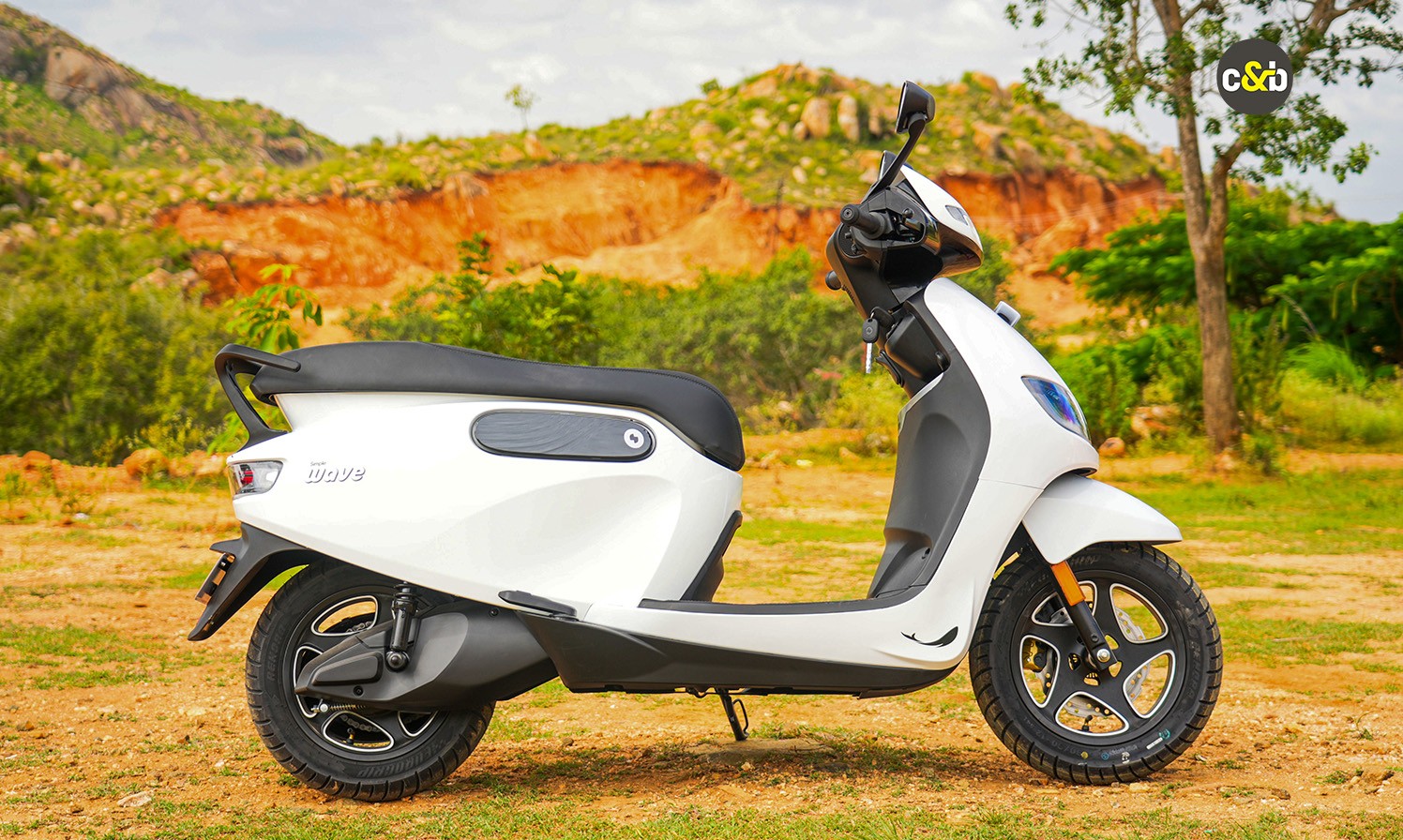
Its proportions are fairly large, with the size becoming particularly evident when you look at the seat. At 920 mm, Simple Energy claims it is the longest scooter seat in India. The seat itself is broad and spacious, while the grab rail is positioned towards the rear. This gives the pillion more usable seating space and should make longer rides with a passenger more comfortable.
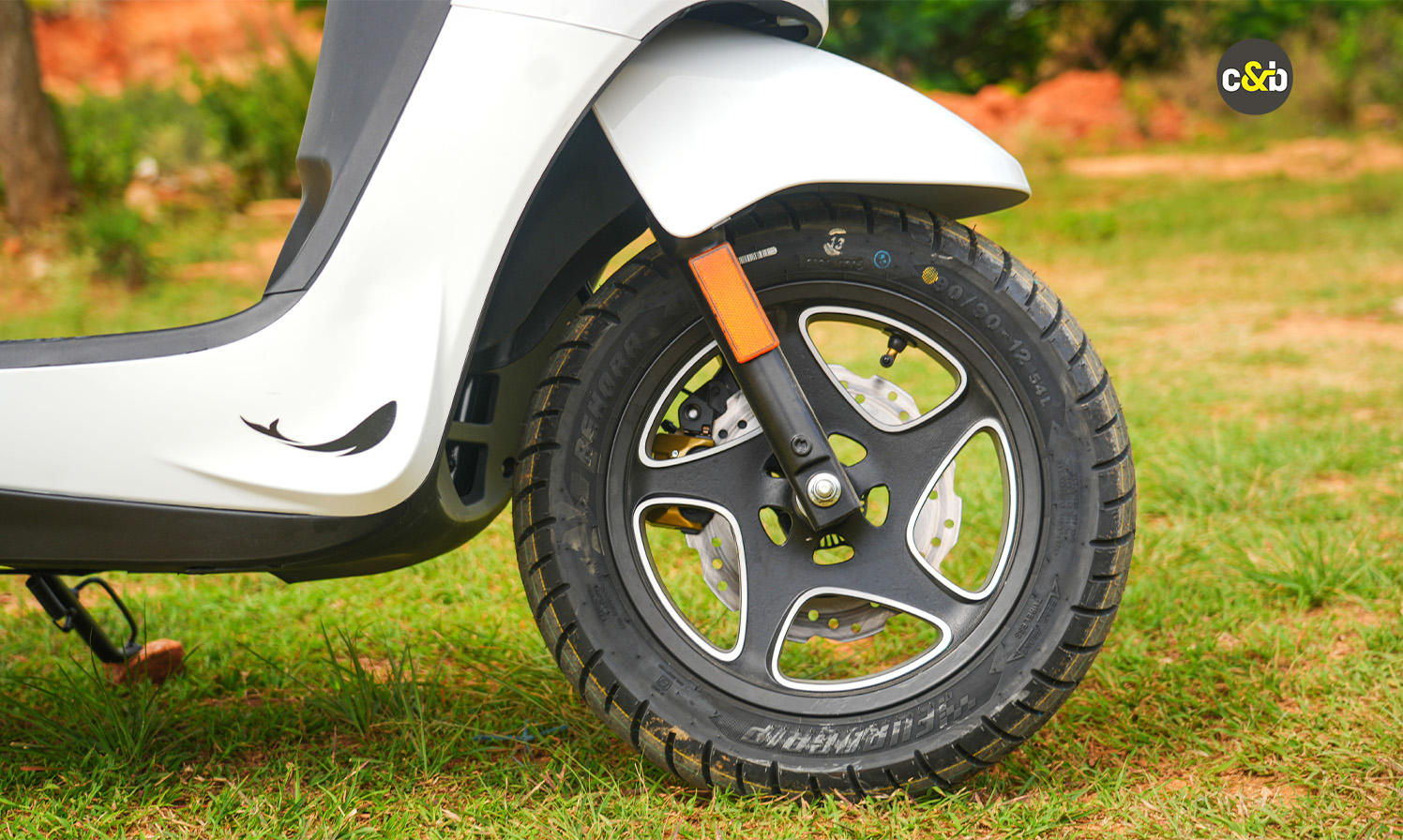
The Wave rides on 12-inch alloy wheels and gets a tubular steel frame. Ground clearance stands at a generous 175 mm, which should be useful when dealing with typical Indian road conditions.
Overall, the design isn't particularly aggressive or attention-seeking. Instead, Simple Energy has prioritised space and practicality, and that approach is evident throughout the scooter.
Ergonomics and Comfort
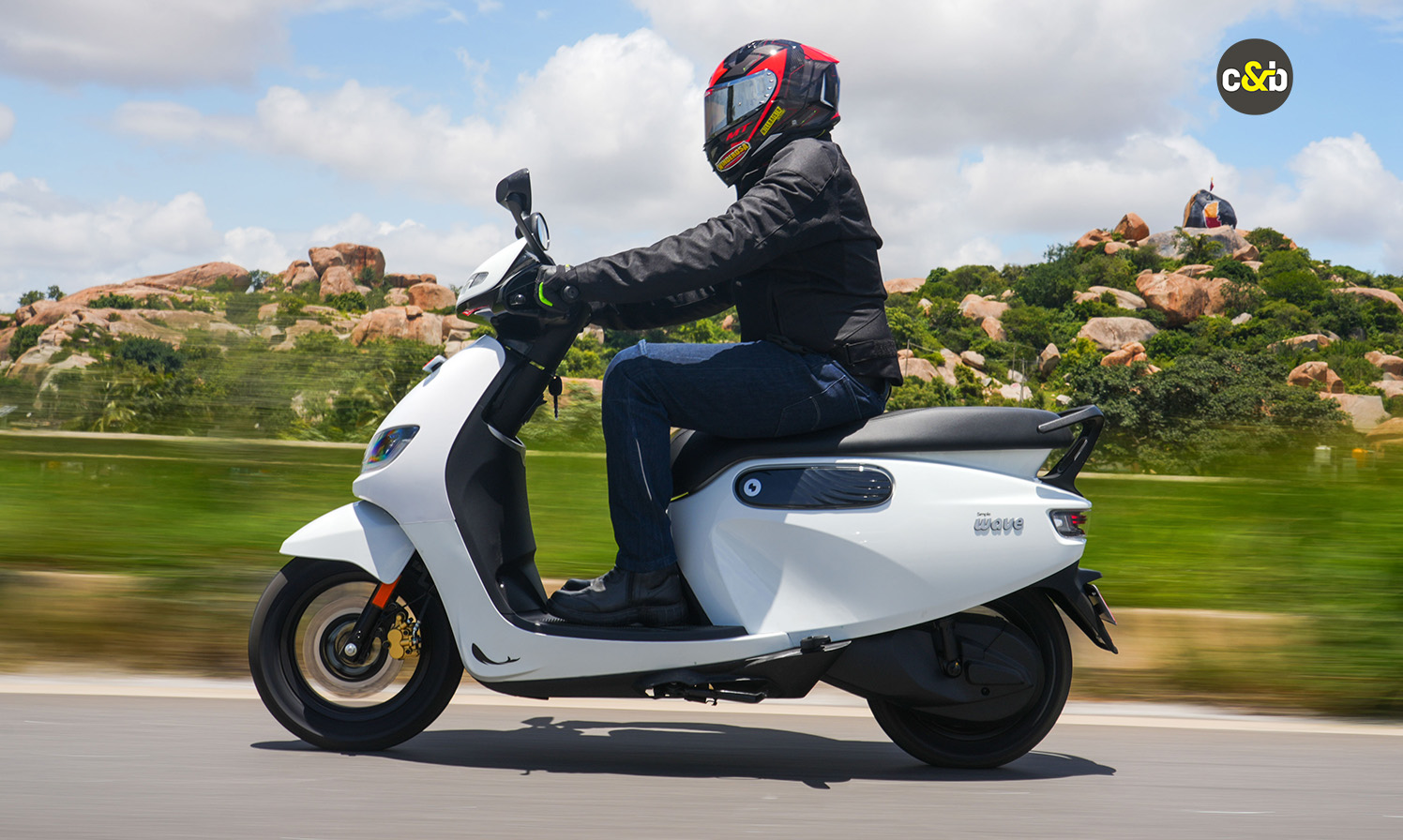
Ergonomics are one of the strongest aspects of the Simple Wave. The 775 mm seat height is quite approachable, while the length of the seat provides plenty of room for the rider to move around.
The riding position is still fairly upright with a knee-up stance, but it isn't uncomfortable. The floorboard area has also been designed with everyday usability in mind, while the rear-positioned grab rail provides the pillion with more usable seating space.
The overall package works well whether you're riding alone or carrying a passenger. For a scooter aimed at family duties, this focus on space and comfort makes considerable sense.
Storage
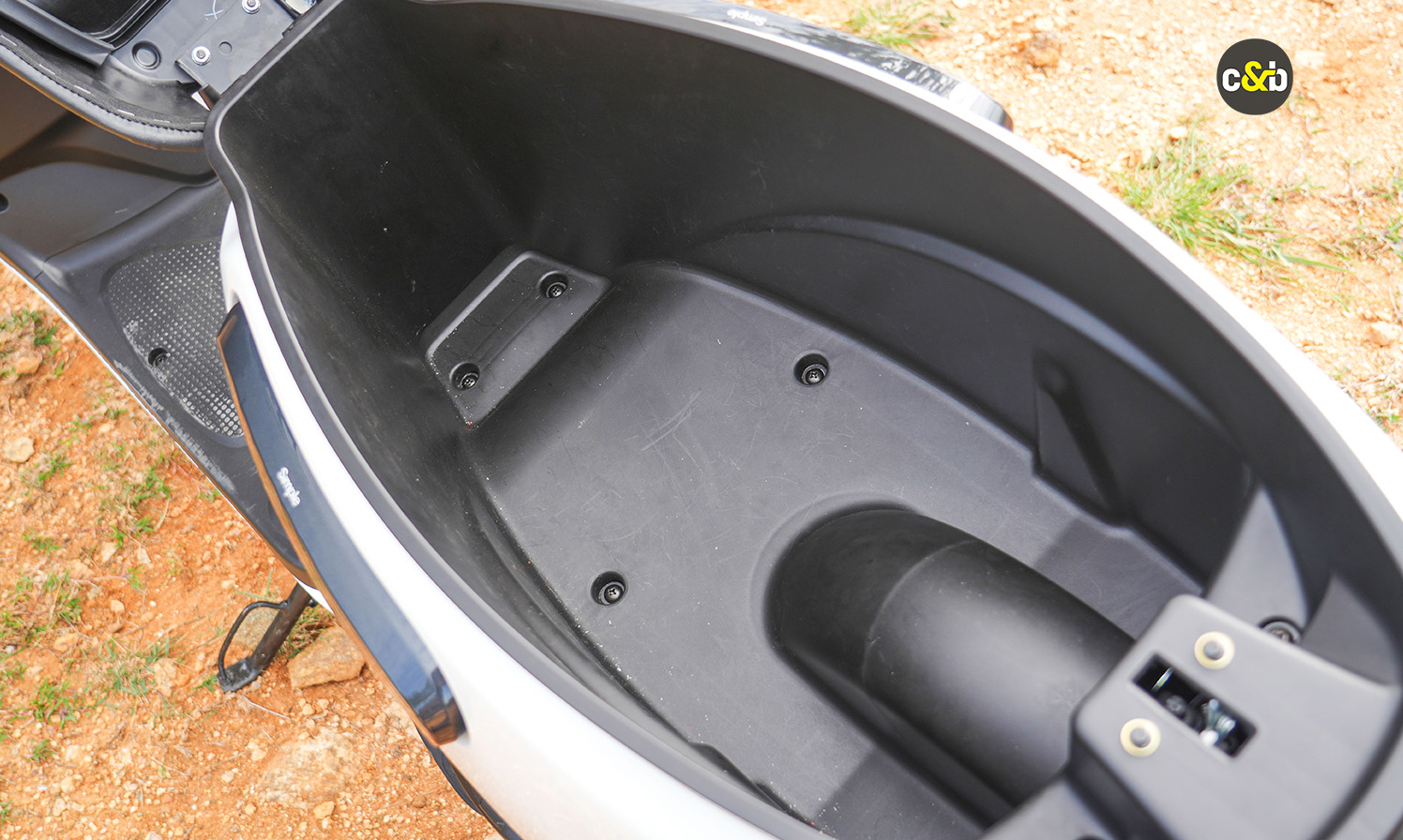
Storage is arguably the Simple Wave's biggest party trick. Simple Energy claims up to 70 litres of total storage, which is impressive for a scooter. The under-seat compartment offers up to 63 litres, while there is also a 3-litre glovebox.
Also Read: Simple Wave vs Ather Konarc: Battery, Range, Performance, Features Compared
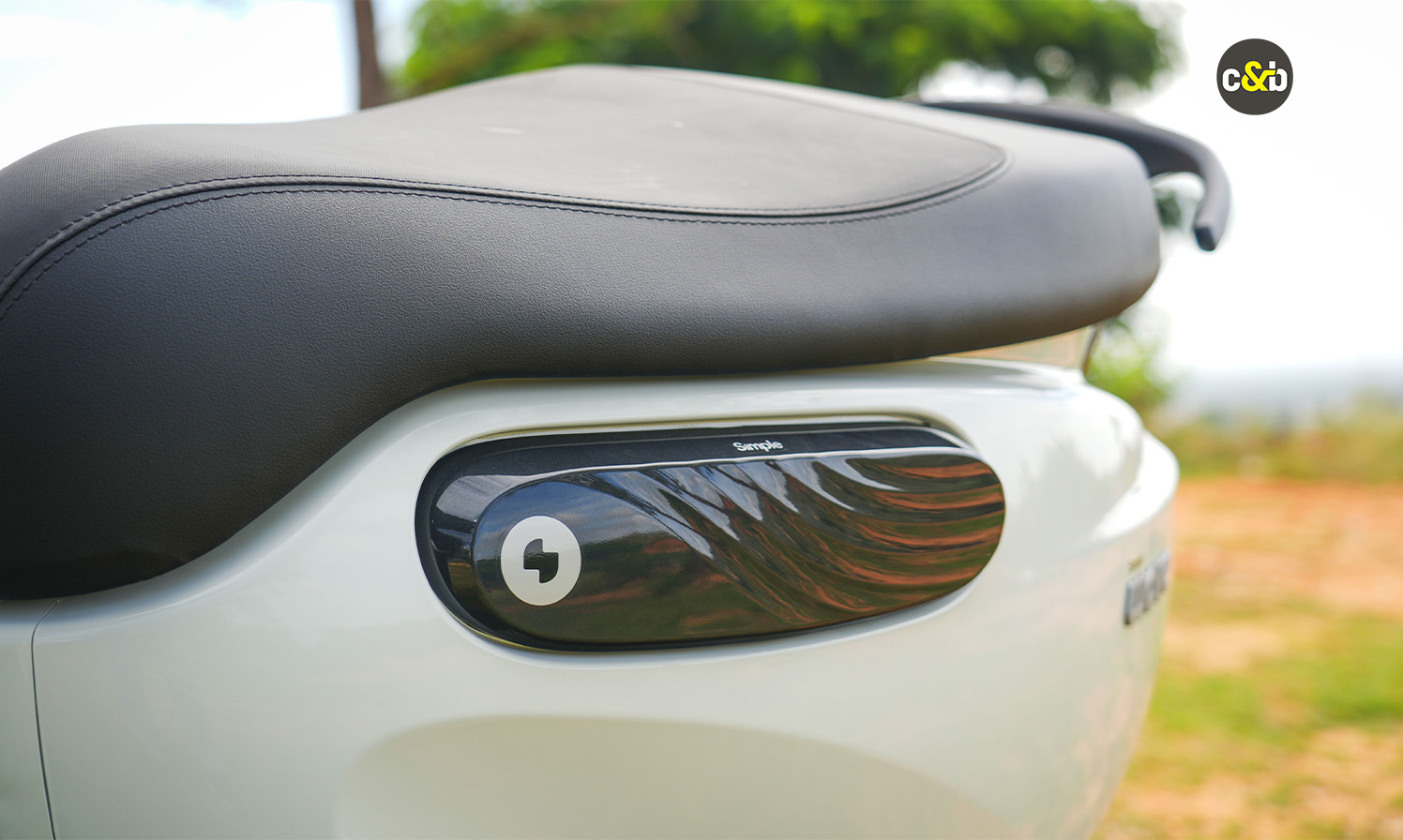
Then there's the cleverly named Pill — a 4-litre auxiliary storage compartment mounted on the side of the scooter. Its biggest advantage isn't simply its capacity, but its location. Small items that you frequently need can be stored here and accessed without having to open the seat.
Simple Energy will also offer a second-side Pill as an accessory, further increasing the scooter's practicality. For buyers who prioritise carrying capacity and everyday convenience, this could be one of the Wave's biggest advantages over its rivals.
Features
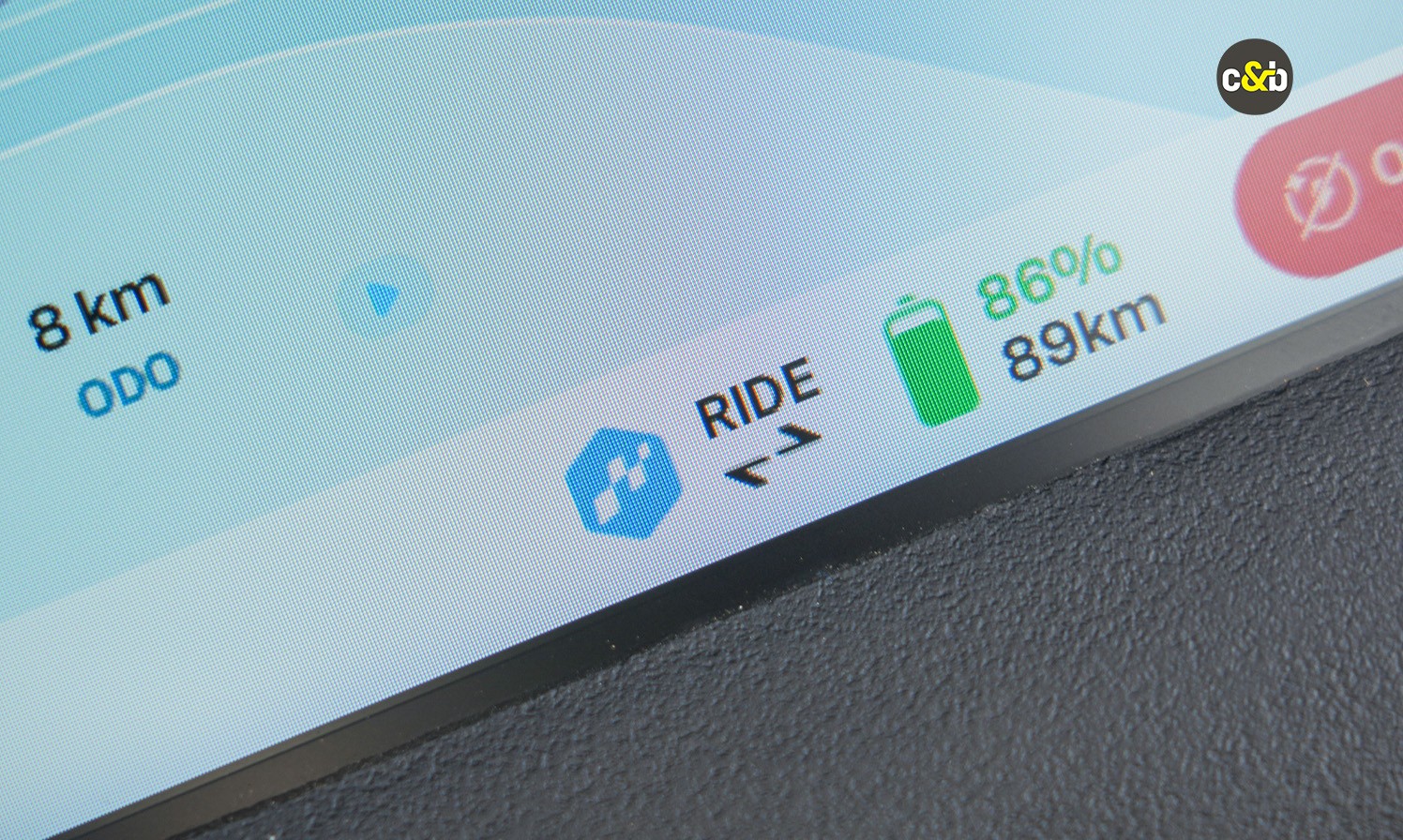
The Wave is primarily focused on practicality, but it doesn't compromise on the features expected from a modern electric scooter. It gets multiple riding modes, with the lineup offering Ride, Eco and ECOX modes, while higher variants such as the 3.7 kWh version tested here additionally get a Sport mode.
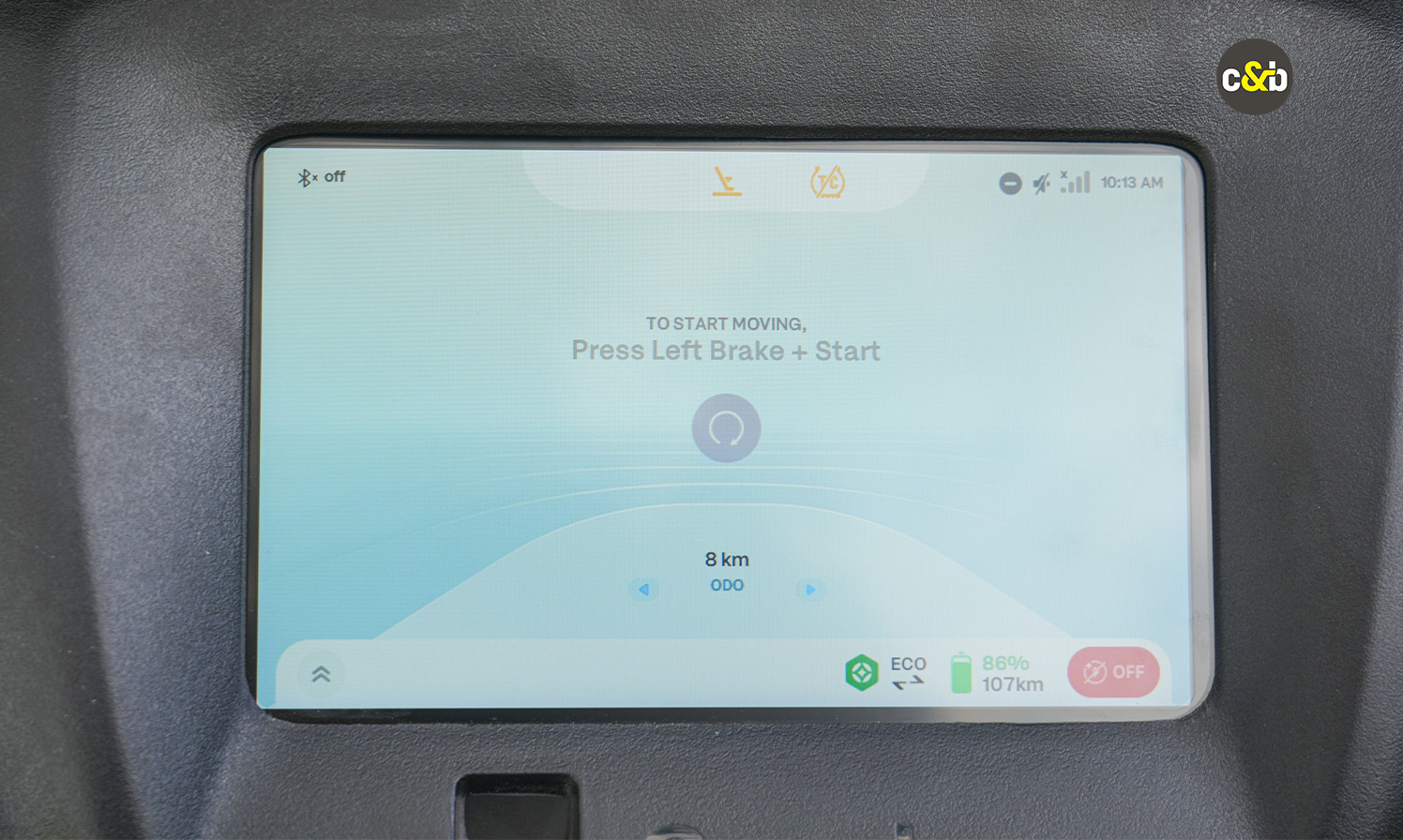
Apart from that the Simple Wave gets a 7-inch TFT display on the higher variants with Bluetooth connectivity, turn-by-turn navigation, GPS tracking, call and music controls, USB charging and OTA updates.
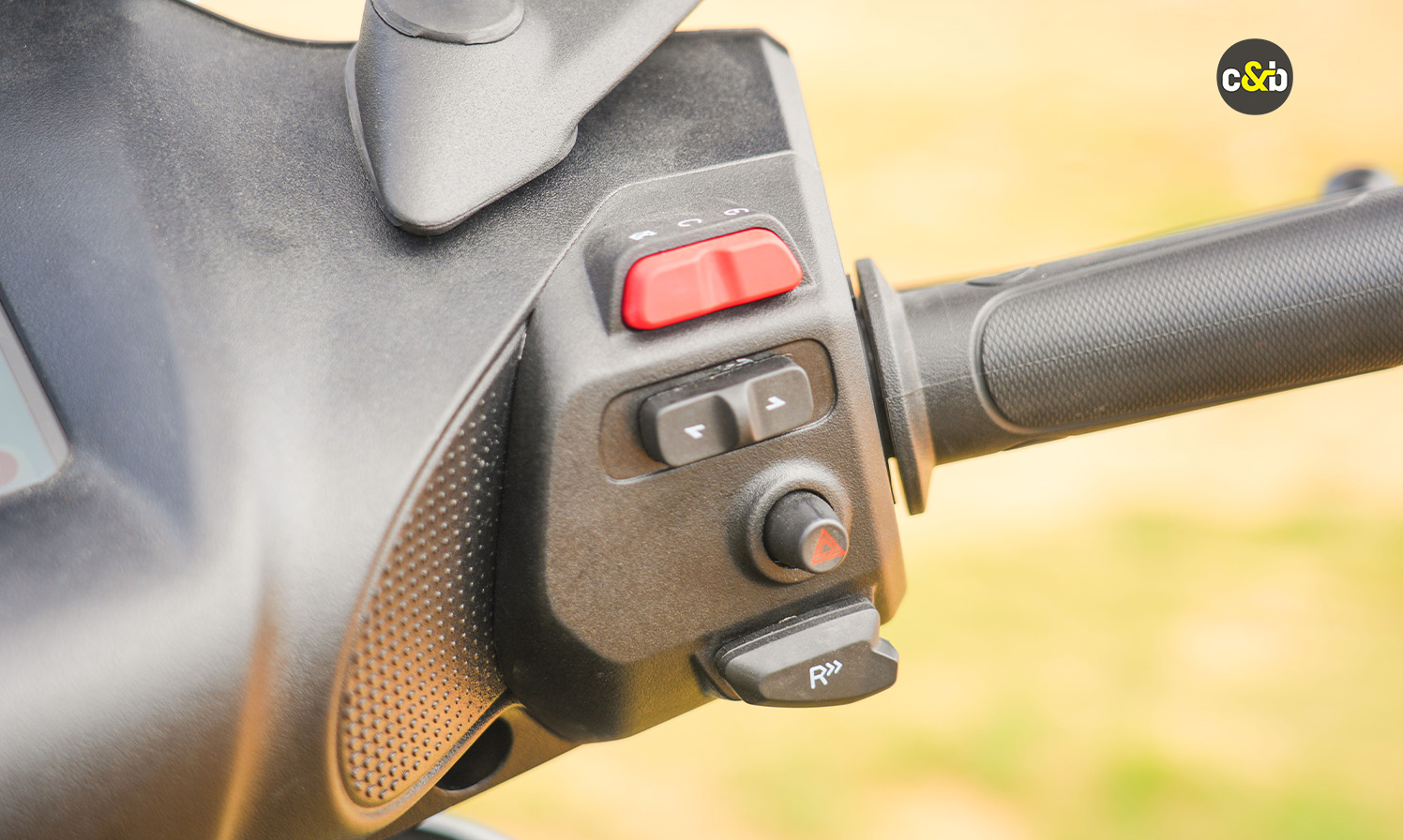
You also get traction control, regenerative braking, hill-hold assist, reverse mode, crawl mode and vehicle tracking, depending on the variant. Safety is further aided by Super Hold Reaction Control, while the scooter also gets full-LED lighting.
Performance
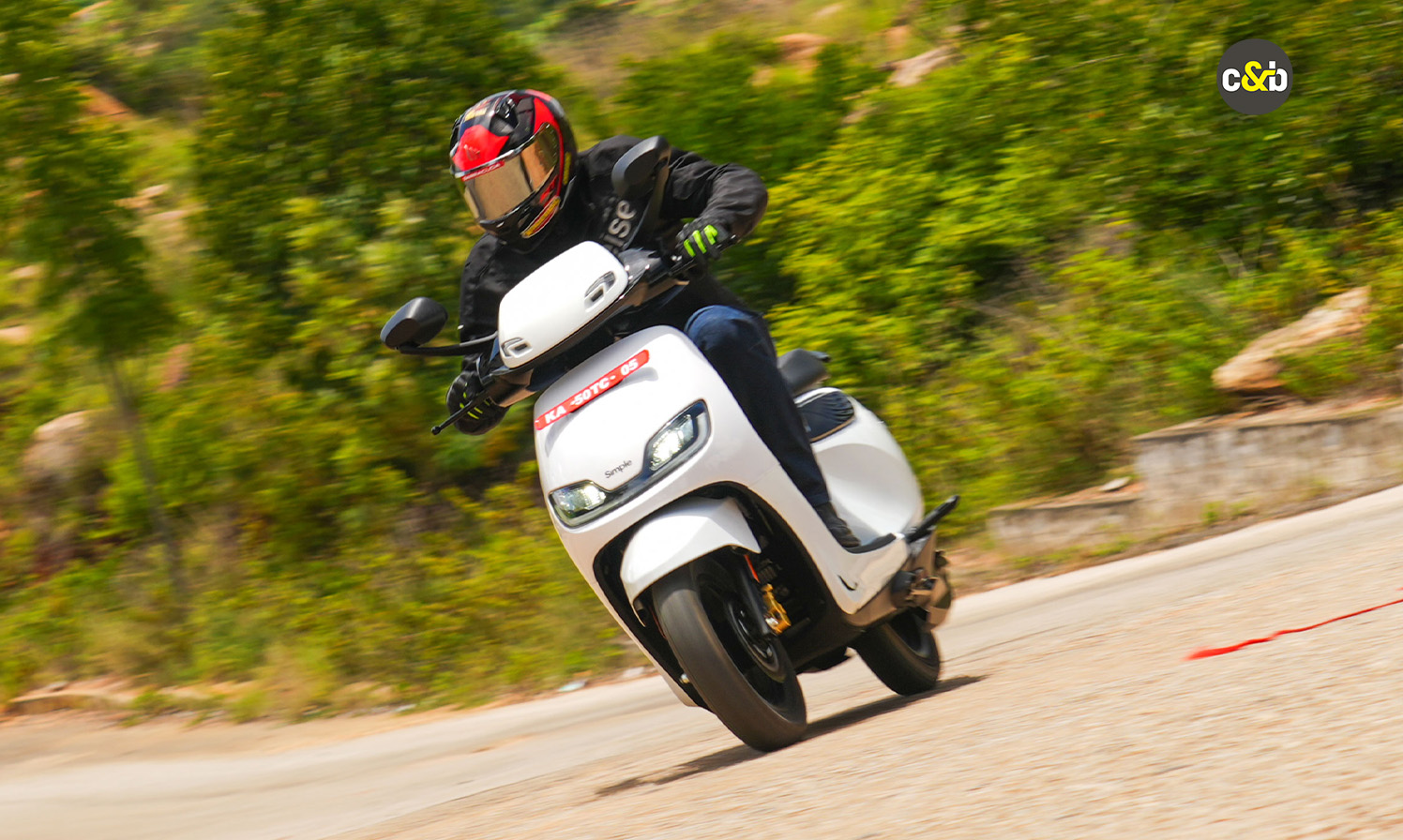
The Simple Wave is available with four battery options, 2.2 kWh, 2.7 kWh, 3.7 kWh and 5 kWh. The base 2.2 kWh version gets a claimed IDC range of 110 km, while the 2.7 kWh version is rated at 132 km. The 3.7 kWh version, which I'm riding here, has a claimed range of 171 km, while the top-spec Wave+ gets a 5 kWh battery and a claimed 243 km range.
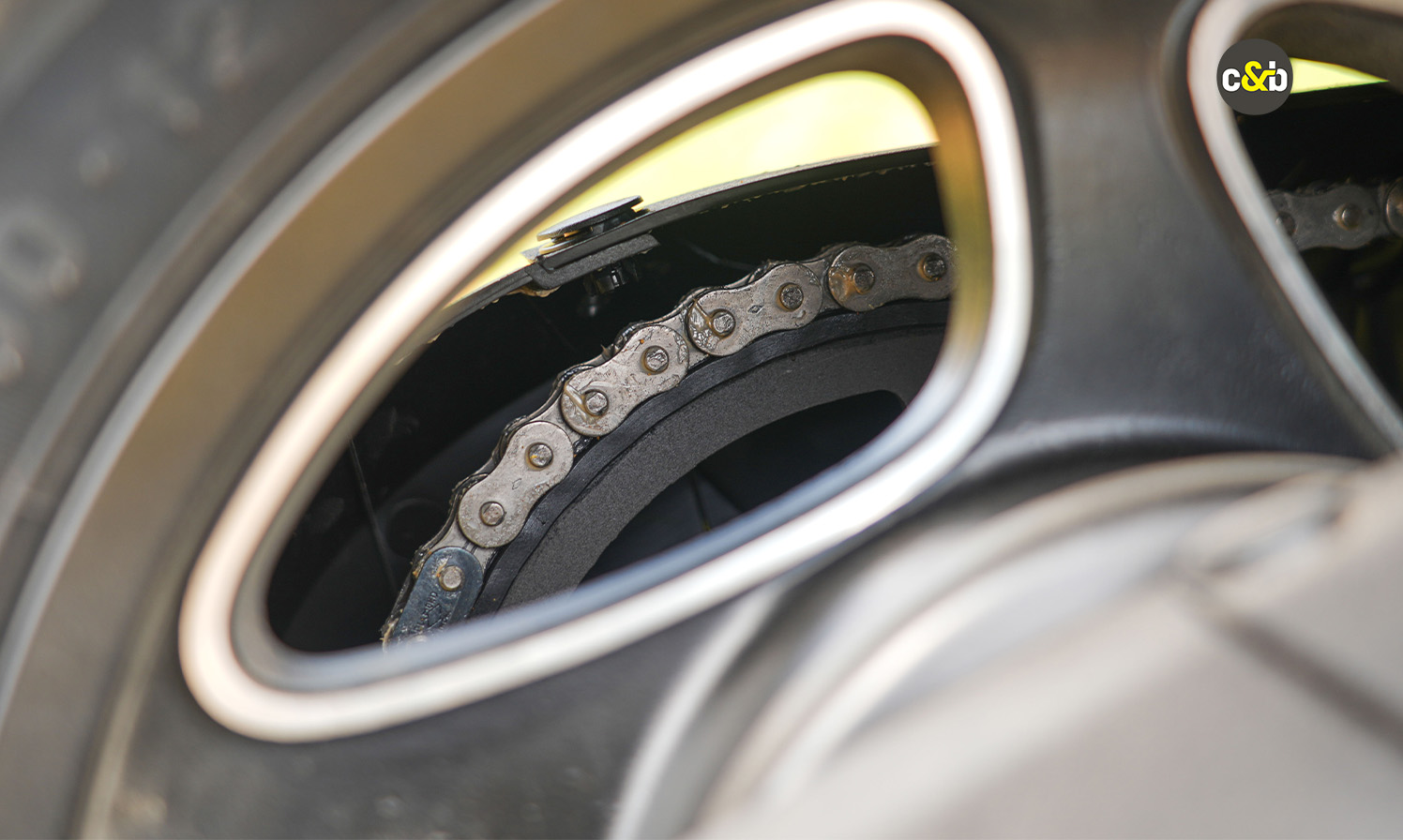
The 3.7 kWh version gets a 6.4 kW PMSM motor, with power sent to the rear wheel through a chain-drive transmission. Simple Energy claims 0-40 kmph in just 3.3 seconds, making it, according to the company, the fastest family scooter. Top speed is claimed at 90 kmph. The 5 kWh Wave+ also gets the same 6.4 kW motor and 90 kmph top speed.
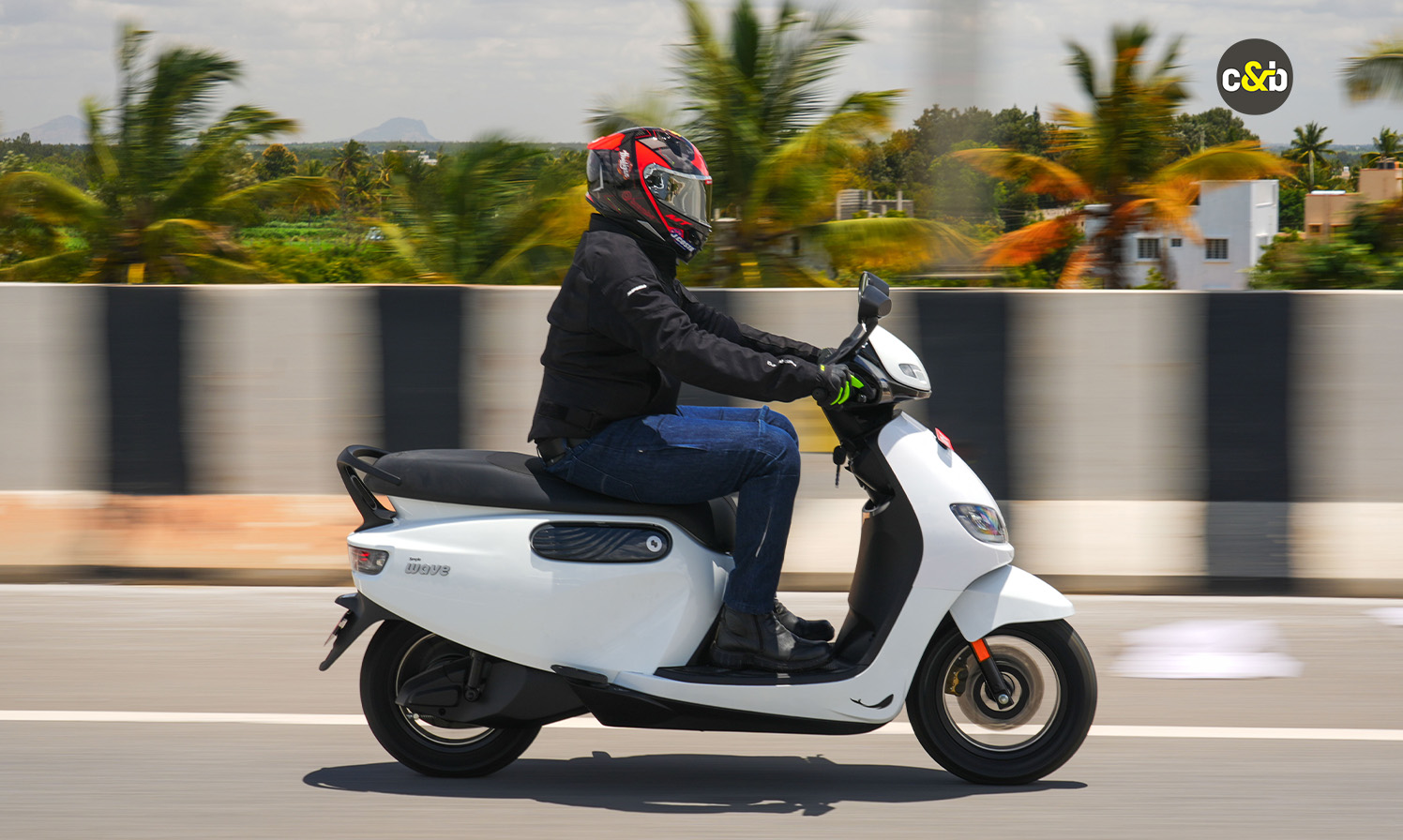
There are multiple riding modes as well. The lineup gets Ride, Eco and ECOX modes, while the higher variants additionally get Sport mode. In my experience, the throttle response is quite subdued in Eco and ECOX modes, while Normal and Sport modes feel considerably more responsive. For any commute longer than three or four kilometres, I found myself preferring the latter. The Wave cruises comfortably at speeds above 60 kmph and is quite refined too, making longer city commutes an easy affair.
Ride and Handling
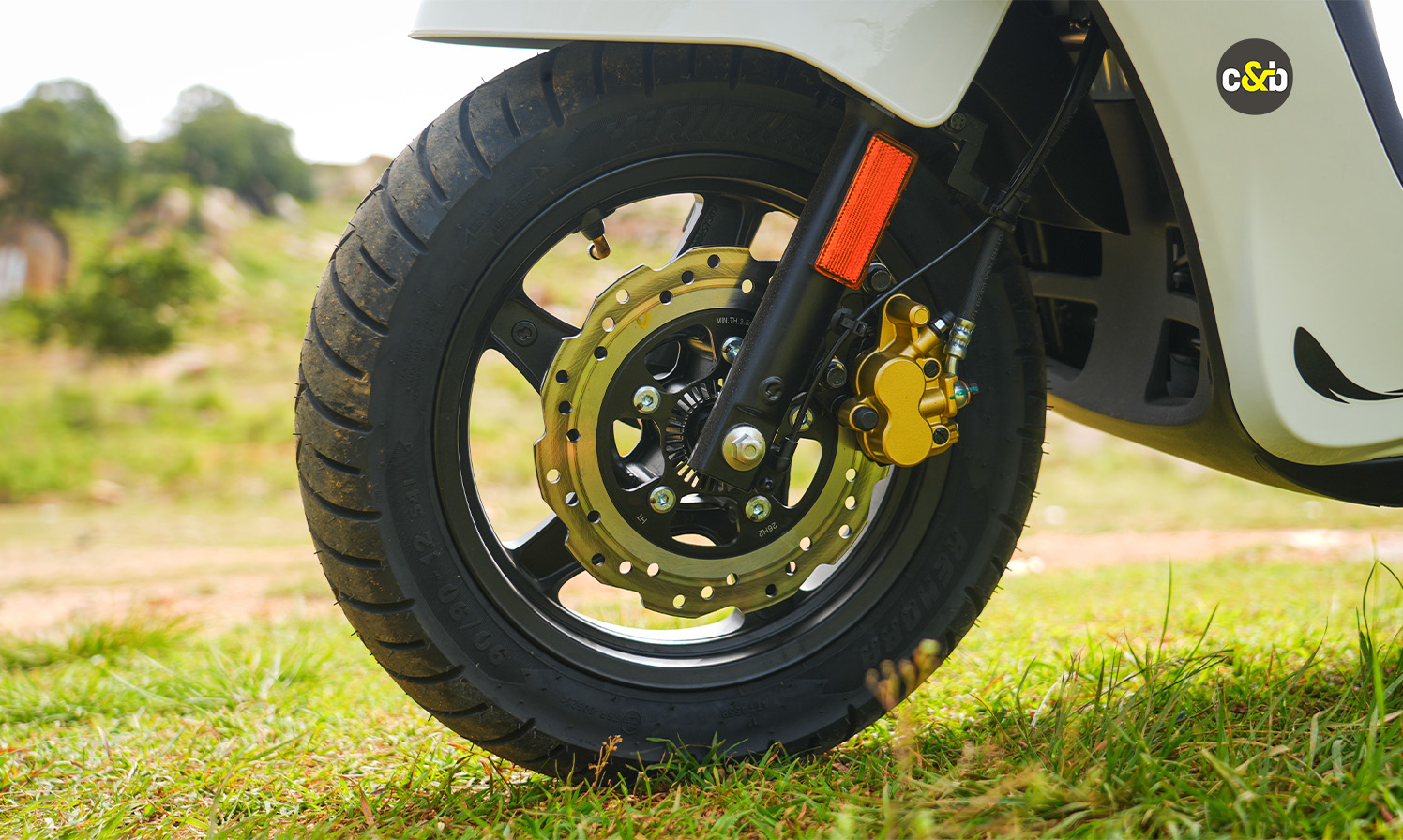
The Simple Wave gets a telescopic front fork and progressive twin rear shock absorbers. Suspension duties are complemented by 12-inch wheels, while braking is handled by a front disc and rear drum setup with a Combined Braking System.
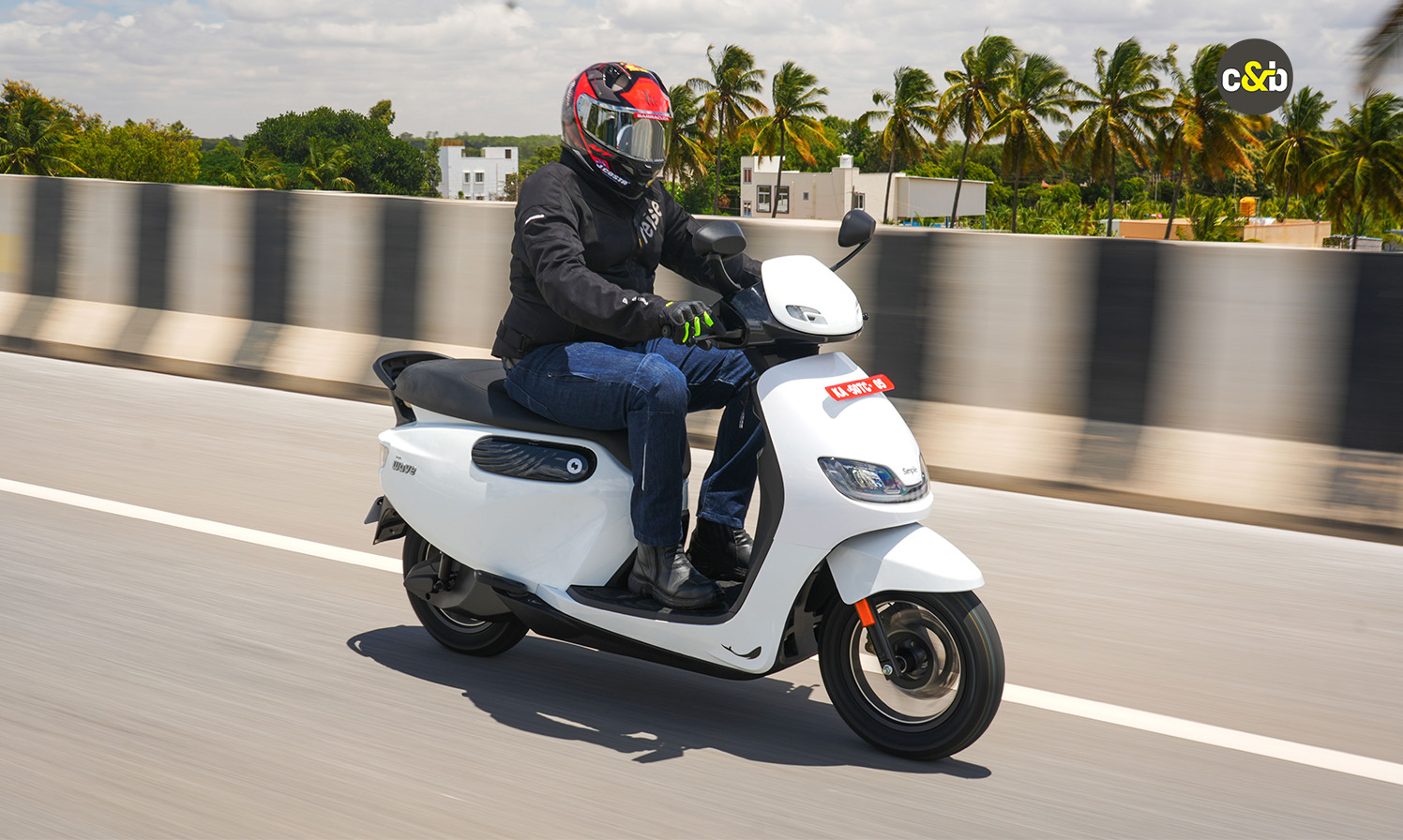
The long wheelbase and 12-inch wheels give the Wave a stable and planted character. The suspension setup works well for the most part, with the telescopic fork and twin rear shocks providing a supple ride over most surfaces.
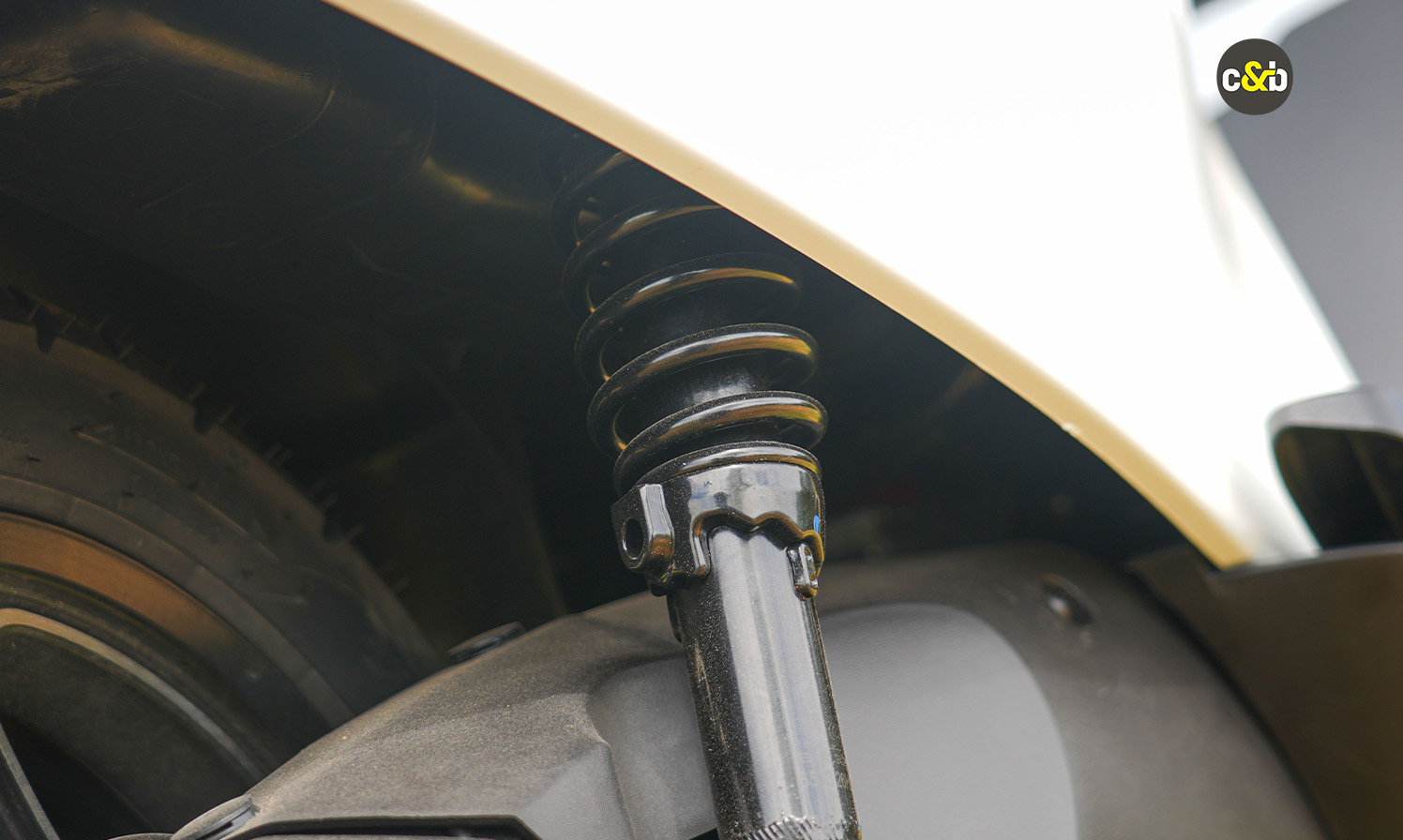
The rear suspension does tend to kick back slightly when dealing with particularly sharp bumps, but this isn't a major concern during regular riding. High-speed stability is also reassuring considering the Wave's 90 kmph claimed top speed. Crosswinds can cause a little movement, but the scooter otherwise inspires enough confidence for faster urban commutes.
Braking performance is adequate for everyday use. The front brake lever doesn't offer a great deal of feel and requires a fairly firm pull when you need to stop quickly. However, for normal city riding, the braking setup is sufficient.
Verdict
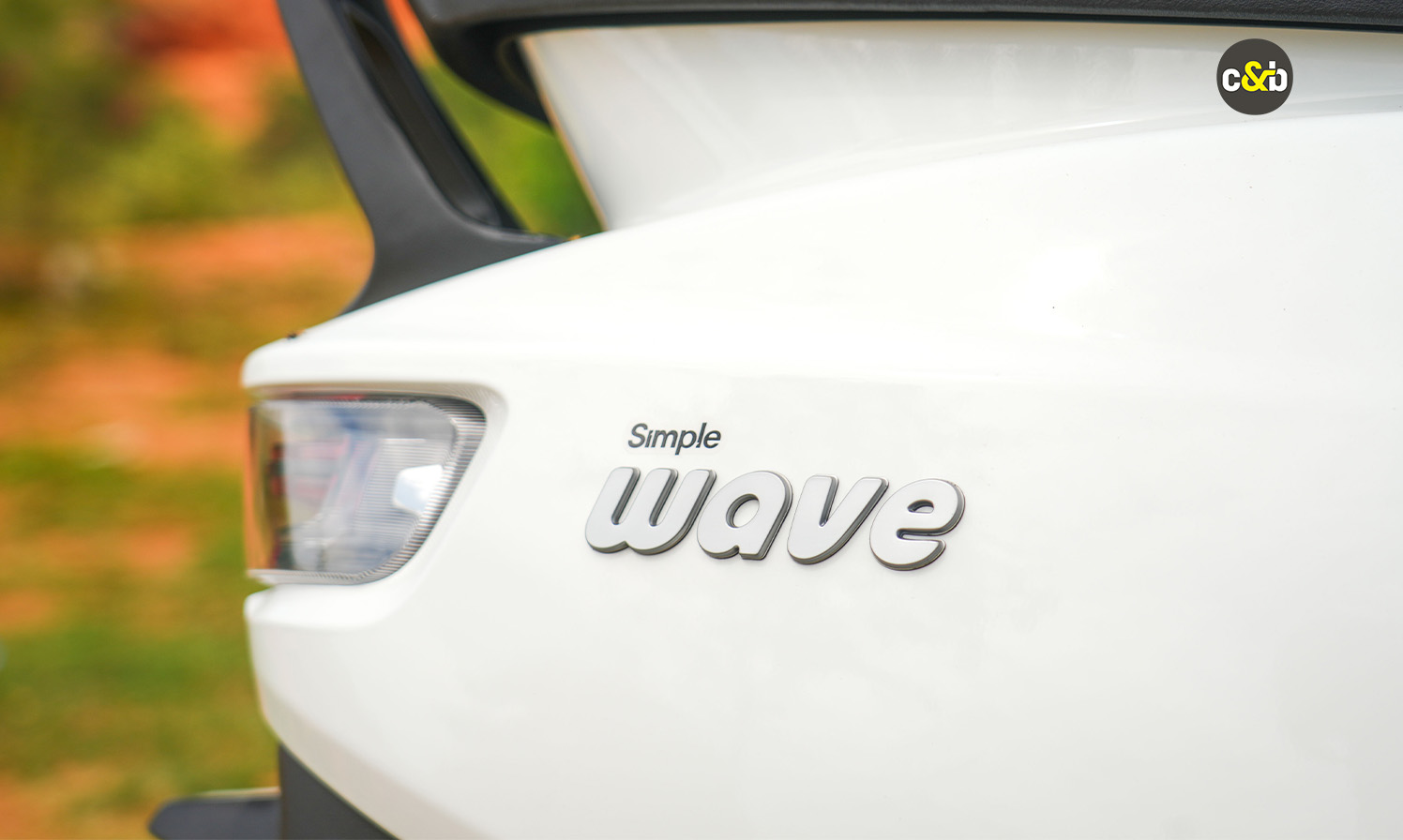
With the Wave, Simple Energy has clearly understood what many Indian families look for in a scooter — space, comfort and practicality.
The 70-litre claimed storage capacity, 920 mm seat and clever Pill auxiliary storage compartment are the scooter's biggest talking points. The 3.7 kWh version also combines this practicality with a 6.4 kW motor, 90 kmph top speed and claimed 171 km IDC range.
However, the competition in this segment is getting tougher. The Wave goes up against established products such as the Bajaj Chetak and TVS iQube, while the recently launched Ather Konarc also brings a combination of technology, performance and practicality to the table.
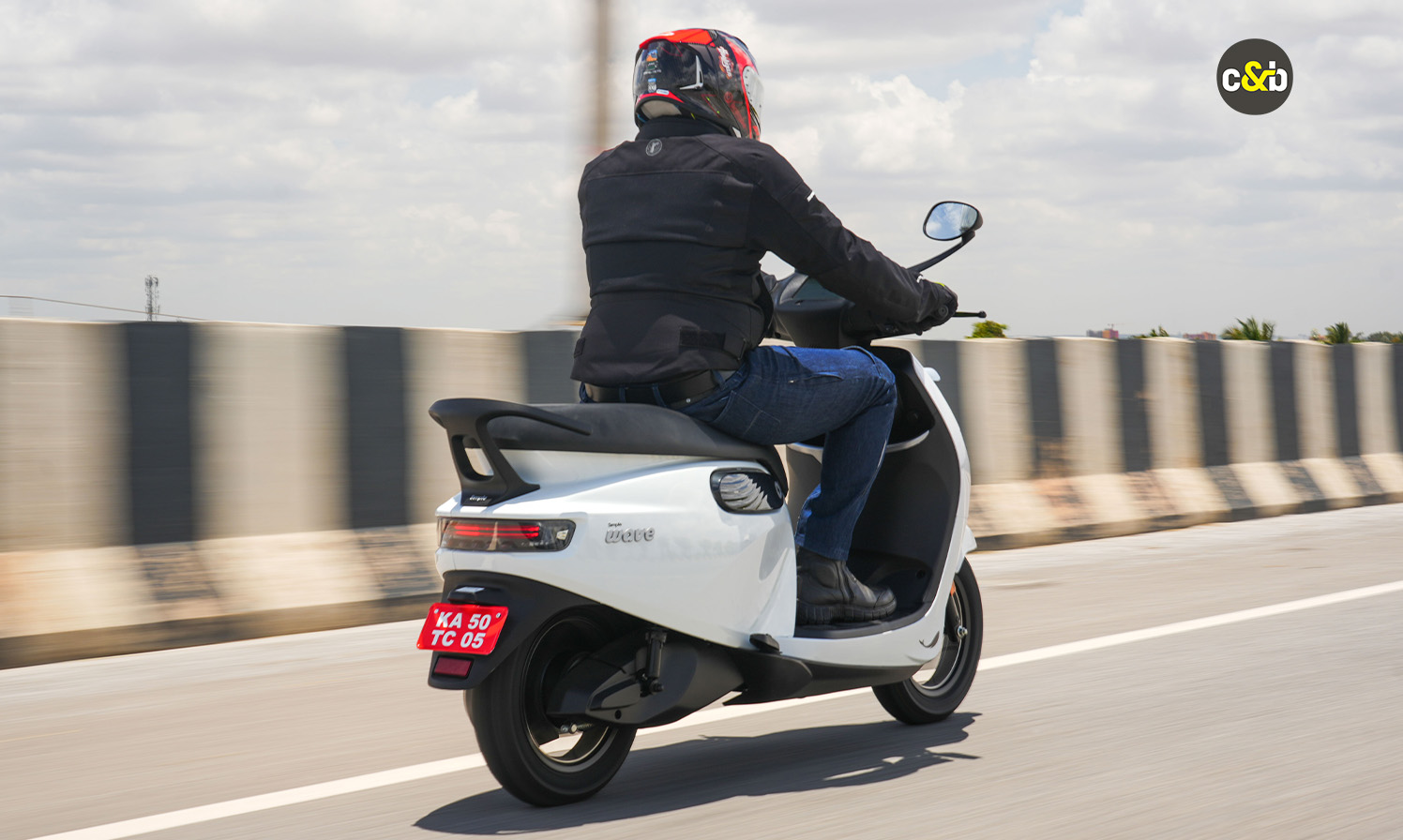
With prices starting at Rs.1.10 lakh and going up to Rs.1.90 lakh (ex-showroom), it isn’t exactly competing for value. The Simple Wave doesn't try to win buyers purely through outright performance or technology. Instead, its appeal lies in being a spacious, comfortable and highly practical electric scooter for everyday family use.
And in a segment where practicality is becoming increasingly important, that could be exactly what helps the Simple Wave make its mark.
Related News


Learn more about Simple Energy Wave

Popular Simple Energy Models


Latest Cars


Upcoming Cars


Latest News


 car&bike Team | Oct 23, 2026Updated Bajaj Pulsar NS200 Launched at Rs. 1.60 Lakh; Gets TFT Display, Ride Modes, Quickshifter & MoreThe Pulsar NS200 now gets an electronic throttle body which enables six ride modes and traction control, as well as a quickshifter and TFT display with Google Maps mirroring.1 min read
 car&bike Team | Oct 23, 20265 Factory CNG Cars With Usable Boot Space: Nexon, i10 Nios, Exter & MoreHere are five of the most sought-after factory-fitted CNG cars available in 2026 that offer genuine, usable boot space.1 min read
 Seshan Vijayraghvan | Oct 23, 2026Ducati Formula 73 Limited Edition Café Racer Launched At Rs. 20 Lakh; All Units Sold OutThe Ducati Formula 73 has launched as the Italian marque celebrates its 100th year, whereas the motorcycle itself pays homage to the 1973 Ducati 750 Super Sport Desmo.1 min read
 Jaiveer Mehra | Oct 23, 2026BYD’s Denza Luxury Brand To Make India Debut On November 13Denza is expected to bring the D9 luxury MPV and the Z9 GT shooting brake to India.1 min read
 Sarthak Mahajan | Oct 23, 2026Ultraviolette X47 Venom: Top HighlightsThe Ultraviolette X47 Venom starts at Rs 2.65 lakh and is offered in four variants.1 min read
 Sarthak Mahajan | Oct 23, 2026MoRTH Proposes Mandatory Automatic Emergency Braking For New Cars From 2030The mandate will apply to new car models from October 1, 2030, and to existing models from October 1, 2032, along with new safety requirements for trucks and driver-assistance systems.1 min read