
BMW Group Invests In Innovative Method For CO2-Free Steel Production


The BMW Group announced that it is investing in an innovative method for CO2-free steel production developed by American startup Boston Metal, through its venture capital fund, BMW i Ventures. Over the coming years, Boston Metal plans to expand the new method for steel production on an industrial scale. The investment is part of the BMW Group's far-reaching sustainability activities aimed at significantly reducing CO2 emissions across the supplier network.
Also Read: BMW Says Wind Is At Its Back After Pandemic Dents 2020 Profit

To safeguard reserves of raw materials, the BMW Group has set itself the goal of further increasing its percentage of recycled raw materials
With its versatile properties, steel is one of the most important materials in car production and will be no less important for future vehicle generations. Even with the dynamic ramp-up of electromobility, steel will remain an important building material for car bodies and many components. BMW Group press plants in Europe process more than half a million tonnes of steel per year.
The blast furnaces used in conventional steel production generate carbon dioxide. The startup Boston Metal uses electricity for its new technology, which, by means of an electrolysis cell, produces molten iron that is later processed into steel. If electricity from renewable energies is used for this process, then steel production is carbon-free. The young company will build demonstration facilities for this process over the next few years and further develop it for use on an industrial scale.
The BMW Group established close contact with Boston Metal already last year in the context of its own research activities and through the BMW Startup Garage. The company is now investing in the startup as part of its i Ventures activities.

The company is now investing in the startup as part of its i Ventures activities.
Also Read: BMW iX And i4 Production To Be Powered By Hydroelectricity
To safeguard reserves of raw materials, the BMW Group has set itself the goal of further increasing its percentage of recycled raw materials, so-called secondary material, by 2030 and using raw materials multiple times in a circular economy.
All steel waste produced at the press plants – for example, when doors are punched out – is either reused through a direct material cycle or sent back to the steel producer via steel traders and processed into new steel. The use of secondary material reduces CO2 emissions substantially compared to primary material, conserves natural resources and also reduces the amount of energy needed for production.
Related News



Popular BMW Models


Latest Cars


Upcoming Cars


Latest News


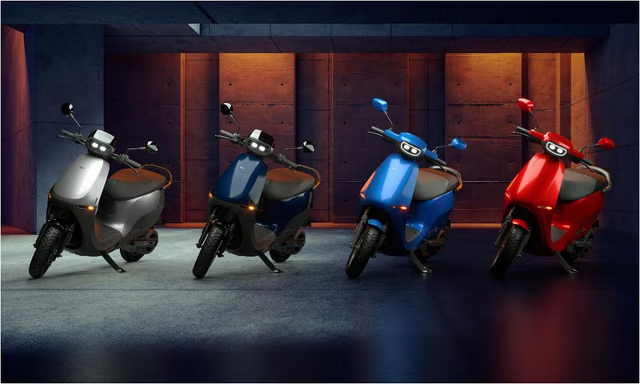 car&bike Team | Aug 6, 2026Ola Electric Shifts To Dealer-Led Retail Model After Five Years Of Company-Owned StoresOla Electric has announced a strategic shift to a dealer-led retail model, while retaining its company-owned outlets as brand experience centres.2 mins read
 car&bike Team | Aug 6, 2026E3 Trion Electric Scooter Launched In India At 1 LakhAvailable in three variants, the scooter's biggest talking point is its AI-backed software ecosystem, which promises to monitor the health of the scooter.3 mins read
 car&bike Team | Aug 6, 2026Production-Spec Royal Enfield Himalayan 750 Spotted Testing Ahead Of Global DebutRoyal Enfield's upcoming Himalayan 750 has been spotted testing in near-production form in the UK, ahead of its expected debut at EICMA 2026.2 mins read
 Jafar Rizvi | Aug 6, 2026Audi Confirms New Q3 For India This Year; A5, Q9 To Arrive By 2027Audi has confirmed three new launches for India by 2027. The Q3 is expected to debut around the festive season, followed by the A5 and Q9 in 2027.3 mins read
 Sarthak Mahajan | Aug 6, 2026Tata Nexon Camo Edition Launched At Rs 9.99 LakhAvailable in petrol, diesel, and CNG variants; prices start at Rs 9.99 lakh.2 mins read
 car&bike Team | Aug 6, 2026SIAM Downplays Letter To Govt Citing Chloride-Related Concerns In E20 PetrolThe original letter cited increased cases for part replacements in cars and SUVs due to high chloride-related wear or corrosion while a second letter shared with the public said that the data still required to be authenticated.1 min read
 Bilal Firfiray | Aug 1, 2026Toyota Hilux Review: The InvincibleMarking it as the ninth generation, the Hilux comes with a major cosmetic overhaul. But is it still relevant enough for the current times or is it getting too long in the tooth?5 mins read
 Bilal Firfiray | Jul 30, 2026Kia Syros EV Review: Best EV To Buy Under Rs 20 Lakh?The Kia Syros EV comes into the game with a modern design, spacious cabin, strong performance, decent range and an aggressive pricing. But could it become the new benchmark under Rs 20 lakh?5 mins read
 Jaiveer Mehra | Jul 27, 20262026 Maruti Suzuki Brezza Facelift Review: Bestseller Joins The Turbo ClubWhile Maruti’s facelifts have always tended to bring subtle updates over the outgoing models, the latest Brezza brings some heavy updates under the skin, including a new 6-speed manual gearbox and, for the first time, a turbocharged petrol engine option.1 min read
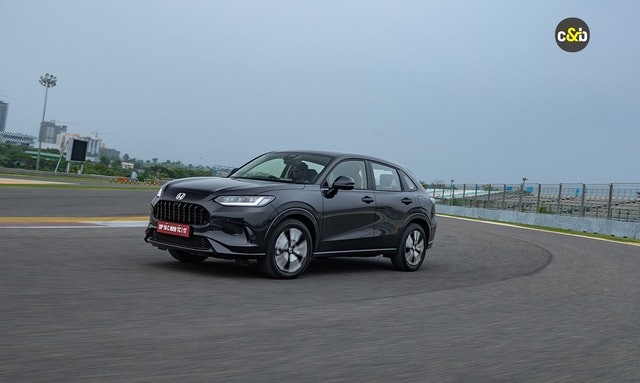 Bilal Firfiray | Jul 24, 2026Honda ZR-V Review: Who Is It For?Honda has brought the new ZR-V to India as their current flagship offering. It’s a CBU, it’s a hybrid, and it’s here for a limited few. Who is it for though?1 min read
 Girish Karkera | Jul 29, 2026Mercedes-AMG E53 4MATIC+ PHEV First Drive Review: Just What The Doctor OrderedThere are luxury cars and there are high-performance cars. But what if you want both for the price of one? Mercedes-Benz has a recommendation that promises to tread a fine line between the two – the second generation E53 with a twist.7 mins read