
Maruti Suzuki Reduces CO2 Emissions Nearly 20% In Last Decade

Cyrus Dhabhar
1 min read
Jun 05, 2017, 07:12 PM
Key Highlights
- The 20 percent cut in emissions is due to updated engines and platforms
- Lighter platforms with better efficiency result in lower CO2 emissions
- CNG and mild-hybrid tech has also helped to reduce overall emissions
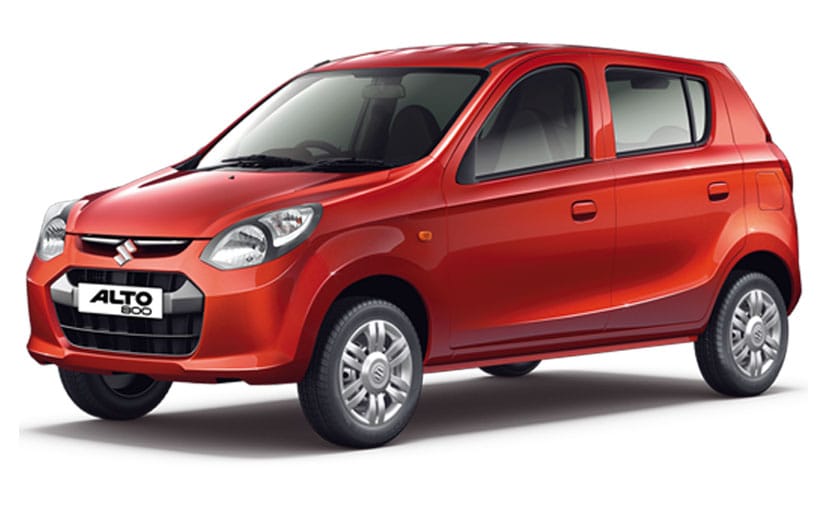
Maruti Suzuki, India’s largest carmaker has put out the figures that shows the decrease in overall CO2 emissions from its range of vehicles over the last decade. The drop in CO2 emissions has been attributed to better technology for both its petrol and diesel power plants, new generation engines altogether and the introduction of start-stop technology like mild-hybrid systems that are currently available in the Ertiga and the Ciaz. The addition of several CNG equipped models right from the factory floor in the Maruti Suzuki lineup have also added to the drop in emissions along with new platforms that have dramatically decreased overall weight and are more mechanically efficient.
The drop in CO2 is also attributed to the introduction of stricter emissions control norms in India like BS4. BS4 was initiated in the National Capital Region and 13 other major cities in April 2010 and was mandatory for the whole country earlier this year on April 1, 2017. Instead of running two engine tunes in parallel, one serving BS4 norms and one serving BS3 ones, Maruti Suzuki had taken a conscious call in 2010 to move all their cars in one go to the BS4 norms across the country for all models and all cities. This move too has helped Maruti with the overall drop in CO2 emissions across the last decade.
Also Read: BS3 vs BS4 vehicle differences
As we mentioned earlier, new platforms too have helped decrease weight by a substantial margin which in turn has improved overall mechanical efficiency of the vehicles as a single entity. This in turn has also improved fuel efficiency and in turn has resulted in less tail pipe emissions. In fact, the most fuel efficient car in the country today is the newly launched and quite impressive Maruti Suzuki Dzire diesel in both Automatic and manual versions.
Also Read: New Maruti Suzuki Dzire Review
Speaking on the drop of CO2 emissions, C V Raman, Executive Director (Engineering) at Maruti Suzuki India said, “In the last few years, Maruti Suzuki has worked systematically towards reducing vehicle emissions and achieved new benchmarks. The company has been consciously introducing innovative technologies to make the products environment friendly. We work on platform strategy and keep on rationalizing them to offer better value to the customers by better fuel efficiency and better performance, which leads to reduction in emissions. Going forward, we will continue our focus on investing in new technologies and strengthen our capability to bring down emissions per vehicle by enhancing fuel efficiency of our cars.”
Maruti Suzuki have also cut down on other types of emissions that result from an automobile. This includes noise emissions from the engine and exhaust output which has seen a sharp decline in the last few years, especially in petrol engines. Maruti is also working on ways to make its products as recyclable as possible so as to ensure minimal pollutants from a car at the end of its life cycle.
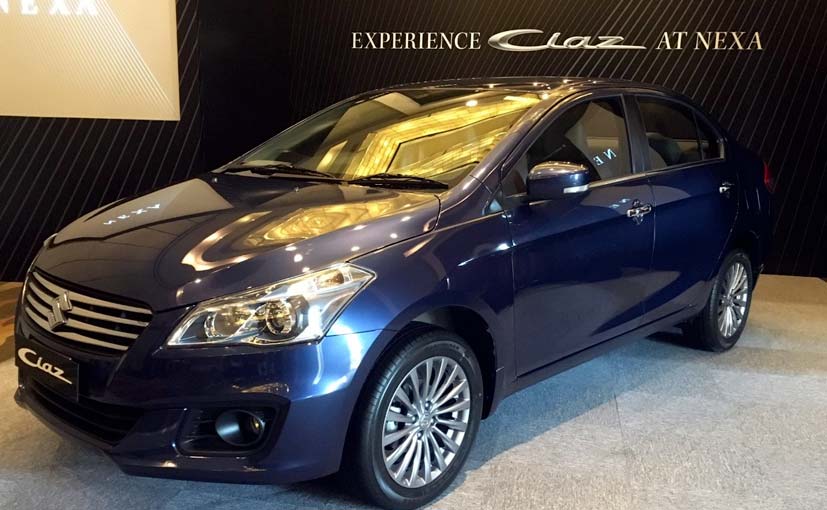
Maruti Suzuki Ciaz NEXA
The drop in CO2 is also attributed to the introduction of stricter emissions control norms in India like BS4. BS4 was initiated in the National Capital Region and 13 other major cities in April 2010 and was mandatory for the whole country earlier this year on April 1, 2017. Instead of running two engine tunes in parallel, one serving BS4 norms and one serving BS3 ones, Maruti Suzuki had taken a conscious call in 2010 to move all their cars in one go to the BS4 norms across the country for all models and all cities. This move too has helped Maruti with the overall drop in CO2 emissions across the last decade.
Also Read: BS3 vs BS4 vehicle differences
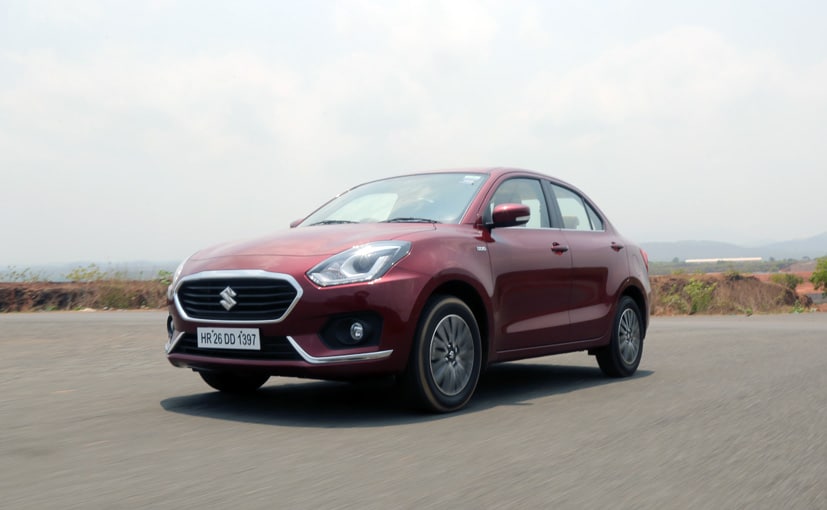
As we mentioned earlier, new platforms too have helped decrease weight by a substantial margin which in turn has improved overall mechanical efficiency of the vehicles as a single entity. This in turn has also improved fuel efficiency and in turn has resulted in less tail pipe emissions. In fact, the most fuel efficient car in the country today is the newly launched and quite impressive Maruti Suzuki Dzire diesel in both Automatic and manual versions.
New Maruti Suzuki Dzire Automatic
Speaking on the drop of CO2 emissions, C V Raman, Executive Director (Engineering) at Maruti Suzuki India said, “In the last few years, Maruti Suzuki has worked systematically towards reducing vehicle emissions and achieved new benchmarks. The company has been consciously introducing innovative technologies to make the products environment friendly. We work on platform strategy and keep on rationalizing them to offer better value to the customers by better fuel efficiency and better performance, which leads to reduction in emissions. Going forward, we will continue our focus on investing in new technologies and strengthen our capability to bring down emissions per vehicle by enhancing fuel efficiency of our cars.”
Maruti Suzuki have also cut down on other types of emissions that result from an automobile. This includes noise emissions from the engine and exhaust output which has seen a sharp decline in the last few years, especially in petrol engines. Maruti is also working on ways to make its products as recyclable as possible so as to ensure minimal pollutants from a car at the end of its life cycle.
Related News


Popular Maruti Suzuki Models


Latest Cars


Upcoming Cars


Latest News


 car&bike Team | Jul 1, 2026BYD eMax 7 Comfort Launched At Rs 27.90 LakhNew mid variant slots in between the Premium and Superior trim and comes with the 71.8 kWh battery.1 min read
 car&bike Team | Jul 1, 2026BYD Cars Prices Hiked By Up To Rs 1 LakhBYD India has revised prices across select variants in its electric passenger vehicle line-up, with increases ranging from Rs 50,000 to Rs 1 lakh.1 min read
 Jaiveer Mehra | Jul 1, 2026Fifth-Gen BMW X5 Debuts With ICE, Hybrid, EV & FCEV PowertrainsNew X5 adopts the ‘Neue Klasse’ design from the smaller X3 while offering a wide range of powertrain options.1 min read
 Jafar Rizvi | Jul 1, 2026Lamborghini Urus SE Performante Revealed As Brand’s Most Powerful SUV YetPacking 801 bhp and a 0-100 kmph time of 3.3 seconds, it is the quickest and most powerful Urus to date.3 mins read
 car&bike Team | Jul 1, 2026Ather 450X Overtones Series Launched; Gets Faster Charging & New ColoursThe 450X Overtones series features three new colours, a new 900W charger as well as the updated Atherstack 7 software platform, which unlocks new features.1 min read
 car&bike Team | Jul 1, 2026VIDA Reveals New Brand Logo, Enters Asia Book of RecordsHero MotoCorp's EV arm, VIDA, has introduced a redesigned logo that reflects its expanding electric mobility ambitions.1 min read
 Seshan Vijayraghvan | Jun 29, 2026Renault Kiger vs Toyota Urban Cruiser Taisor: Which Underdog Deserves Your Money?Both the Kiger and the Taisor promise strong performance, solid features, comfortable cabins and everyday usability, all without breaking the bank. But which of these underrated subcompact SUVs deserves your money? Let's find out.1 min read
 Seshan Vijayraghvan | Jun 29, 2026Skoda Kodiaq RS Review: The Best Kodiaq Yet?The Skoda Kodiaq RS is finally here, and it's every bit as exciting as I expected. But was it worth the wait?7 mins read
 Bilal Firfiray | Jun 28, 2026BMW X6 M60i Review: It’s Back And HOW!The BMW X6 M60i blends a 530bhp twin-turbo V8, with its unmistakable coupe-SUV styling. There’s plenty of character, but is it worth your money?6 mins read
 Janak Sorap | Jun 25, 2026350cc Bajaj Dominar 400 Review: Same Character, Lower PriceA slightly lower displacement engine, a significantly lower price tag and nearly the same performance — the Bajaj Dominar 400 aims to be smarter rather than faster.6 mins read
 Preetam Bora | Jun 25, 20262026 Bajaj Pulsar NS400Z First Ride Review: Smaller Engine, But Should You Buy It?The Bajaj Pulsar NS400Z won our Two-Wheeler Upgrade of the Year. Then new tax slabs happened. Smaller engine, same badge – but does it still deliver?6 mins read