
BS III Vs BS IV Vehicles: Mechanical Differences

Cyrus Dhabhar
1 min read
Mar 31, 2017, 05:06 PM
Key Highlights
- BS 3 to BS 4 requires on board diagnostics OBD 2 ports
- Petrol powered passenger vehicles will meet BS4 the easiest
- Commercial vehicles and two wheelers will find it hard to retrofit tech
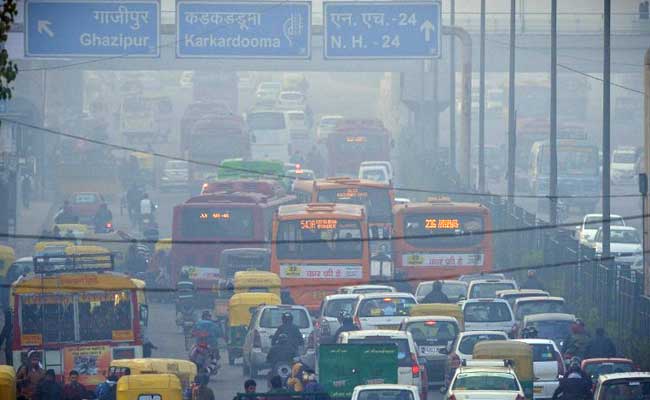
No BS III vehicles will be sold in India from 1 April, 2017 as the Hon. Supreme Court banning the sales and registration of BS III vehicles. So India is all set to move to a BS IV future and it seems that the auto manufacturers will have to pay the price, as there are over 8.2 lakh BS III vehicles still lying unsold in the country. This scramble is happening despite the fact that the date for switching over from BS III vehicles to BS IV vehicles was always known, the original guidelines said that no BS3 vehicles could be 'manufactured' in India after 1 April, 2017. And now with the Supreme Court banning the sales and registration too, many manufacturers, specially the two-wheeler manufacturers are left with an unsold stockpile of BS III vehicles. Therefore, many of them are offering heavy discounts on their BS III models, even on the performance bikes. So, how difficult is it to turn a BS III vehicle to BS IV? Is retrofitment possible? And is it value for money? What are options for auto manufacturers? We answer all these and more, including the difference in hardware between BS3 and BS4 here.
For the purpose of easier explanations, we shall divide automobiles in India into four broad based categories.
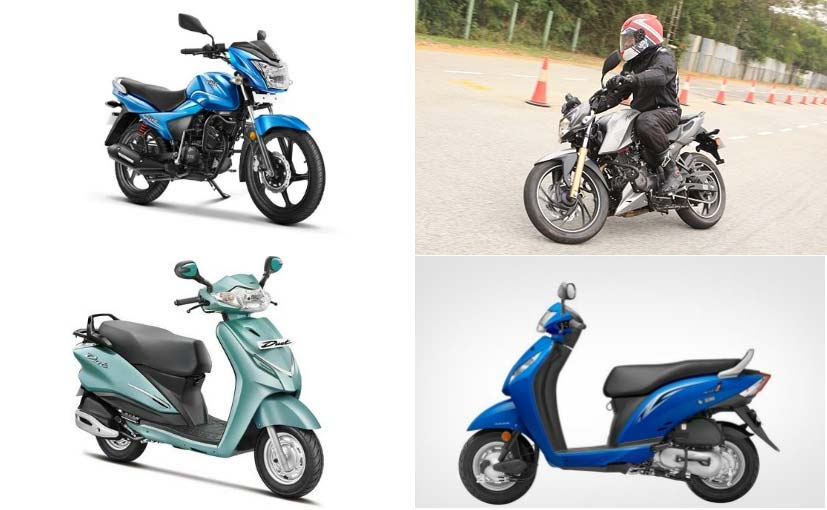
Changes from BS3 to BS4 for motorcycles are more than just tailpipe emissions. Regulations also (for the first time) restrict evaporation emissions from fuel tanks, which mean a new breather value and additional or changed stamps in the body structure or additional brackets that hold these new systems. This is very difficult to retrofit considering the fact that major design changes might be needed.
Coming to tail pipe emissions, BS4 motorcycles in most cases require larger catalytic converters in terms of flow volumes to eliminate harmful nitrogen based gasses. And although that could be adapted within the exhaust system, most bikes also need a secondary airflow system that adds oxygen (or natural air) to the exhaust stream just before the catalytic convertors. This of course, is a more complex system for which retro fitment is more difficult. Many manufacturers have also resorted to a more complex ECU and ignition control setup that has more than the standard idle map and full throttle map for a better control of the ignition timing which in turn makes for a cleaner burn and thus, less pollution. The byproduct of this is also a more linear acceleration curve and better fuel economy.
Even naturally aspirated internal combustion engines that are slightly older in terms of technology can meet BS4 with a larger catalytic convertor or two catalytic convertors either in pre-engineered form or retrofitted. Ideally, the catalytic convertors in series is the solution to go for, with one mounted right after combustion occurs (normally on the exhaust manifold itself) and one mounted as a part of the pre muffler package or just before the pre muffler package. The secondary catalytic convertor can also be mounted before or as an in built part of the end can. Similar volume catalytic convertors with a higher concentration of Platinum Group Metals (PGM) can also result in lower emissions if packaging is an issue.
It is easiest to retrofit petrol powered passenger cars as most of them already have an on board diagnostics or OBD 2 port, which controls engine behavior in real time. The OBD 2 port and real time emissions control is mandatory for BS4.
The implementation of BS3 had anyways made most manufacturers switch to electrical fuel management and common rail technology for the diesel engines as meeting BS3 with older direct injection technology was quote tough anyways. That said, just like the petrol powered cars, the biggest change in terms of emissions control hardware is a larger volume catalytic convertor or Diesel Oxidation Catalyst (DOC) as it is known specifically for diesel engines. The new BS4 cars will also have to have atleast one NOX sensor in the tail pipe to constantly monitor and a particulate filter to capture particulate matter.
Just as we mentioned earlier, on board diagnostics or OBD 2 ports in passenger diesel powered vehicles will be mandatory to ensure real time engine performance adjustments based on pollutant levels. These are very difficult to incorporate into older technology.
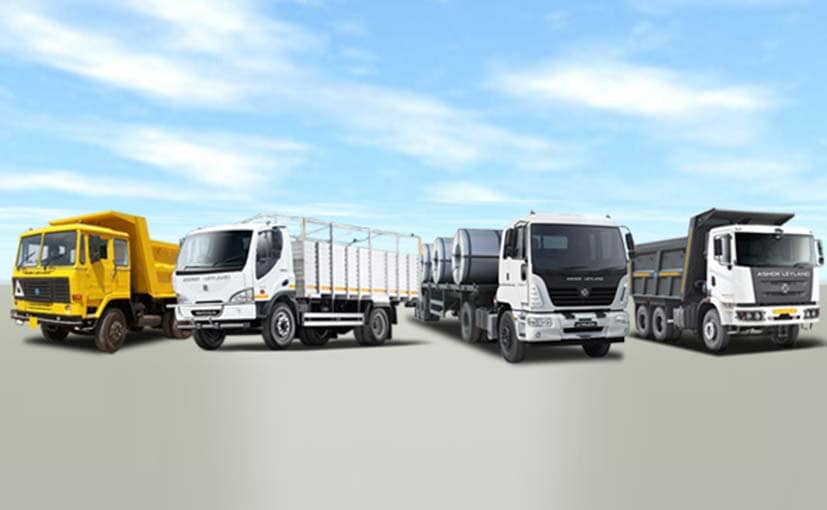
The other addition without which commercial vehicles will not be able to meet emissions is the use of an exhaust gas recirculator or EGR. While mechanical EGR’s with upto 60 percent recirculation has been used in the past for various vehicles in both commercial or passenger segments, the newer BS4 regulations will need electronically controlled EGR units with on the fly adjustment capabilities.
In terms of actual hardware post the engine that helps reduce the effect of pollutants, BS3 vehicles today in India do not have any sort of catalyst based system to reduce pollution and have only a noise control muffler that helps reduce audible emissions. The newer trucks and busses, etc will have a mandatory catalytic convertor or Diesel Oxidation Catalyst (DOC) as in the passenger vehicle segment. The DOC will take care of NOX emissions while particulate matter (which includes visible black soot) will be contained with the help of the particulate filers.
Certain higher end trucks and busses will also use another type of post engine exhaust which is more advanced. These include a collection of Diesel Oxidation Catalyst (DOC), Lean Nox Catalyst (LNC) and Lean Nox Trap (LNT) and also a Urea injector called the Selective Catalytic Reduction (SCR) module. That said, this technology although used very commonly in Europe is still at a very fledgling stage in India as it needs an occasional top-up of Urea along with regular fuel top ups in order to reduce polluting gasses.
To sum up, petrol powered passenger cars will be fastest to adapt followed by two wheelers and diesel passenger cars. Commercial vehicles will have to go though a more engineered approach to meet the BS4 regulations. That said, most vehicles will not just be ‘retrofitted’ with these technologies that we explained earlier to meet BS4 and a more holistic approach to the problem of old unsold stocks will have to be explored.
For the purpose of easier explanations, we shall divide automobiles in India into four broad based categories.
- Two Wheelers
- Petrol Powered Passenger Vehicles and SUVs
- Diesel Powered Passenger Vehicles and SUVs
- Large Commercial Vehicles
Two Wheelers
Possibly the most affected of the lot in terms of sheer number of unsold units, the two-wheeler segment in India is the one offering the biggest discounts. Some manufacturers have offered up to a stunning 50 percent discount on their bikes and scooters which saw a huge rush in potential customers trying to get what could possibly be a deal of a lifetime!BS III Two-Wheelers
Changes from BS3 to BS4 for motorcycles are more than just tailpipe emissions. Regulations also (for the first time) restrict evaporation emissions from fuel tanks, which mean a new breather value and additional or changed stamps in the body structure or additional brackets that hold these new systems. This is very difficult to retrofit considering the fact that major design changes might be needed.
Coming to tail pipe emissions, BS4 motorcycles in most cases require larger catalytic converters in terms of flow volumes to eliminate harmful nitrogen based gasses. And although that could be adapted within the exhaust system, most bikes also need a secondary airflow system that adds oxygen (or natural air) to the exhaust stream just before the catalytic convertors. This of course, is a more complex system for which retro fitment is more difficult. Many manufacturers have also resorted to a more complex ECU and ignition control setup that has more than the standard idle map and full throttle map for a better control of the ignition timing which in turn makes for a cleaner burn and thus, less pollution. The byproduct of this is also a more linear acceleration curve and better fuel economy.
Petrol Powered Passenger Vehicles and SUVs
Most petrol powered passenger cars in India have already converted to BS4 years ago. This is mainly because the change from BS3 to BS4 is easiest for internal combustion petrol engines. Most emissions standards are met by the engines themselves without the need for complex post combustion methods to reduce the effect of pollution. The addition of turbocharged smaller capacity engines for example is not for more power or more fun but because it is very easy to attain BS4 emissions levels with these modern engines.Even naturally aspirated internal combustion engines that are slightly older in terms of technology can meet BS4 with a larger catalytic convertor or two catalytic convertors either in pre-engineered form or retrofitted. Ideally, the catalytic convertors in series is the solution to go for, with one mounted right after combustion occurs (normally on the exhaust manifold itself) and one mounted as a part of the pre muffler package or just before the pre muffler package. The secondary catalytic convertor can also be mounted before or as an in built part of the end can. Similar volume catalytic convertors with a higher concentration of Platinum Group Metals (PGM) can also result in lower emissions if packaging is an issue.
It is easiest to retrofit petrol powered passenger cars as most of them already have an on board diagnostics or OBD 2 port, which controls engine behavior in real time. The OBD 2 port and real time emissions control is mandatory for BS4.
Diesel Powered Passenger Vehicles and SUVs
Diesel powered passenger vehicles and SUVs are the small portion of the passenger car segment that will get slightly affected by the BS3 to BS4 move as there were still a few manufacturers like Mahindra and Tata Motors manufacturing BS3 vehicles for rural and semi urban markets. These vehicles will now be rendered defunct and in most cases, these were mere variants of BS4 enabled cars that are already available in the market (for example: Mahindra Thar).The implementation of BS3 had anyways made most manufacturers switch to electrical fuel management and common rail technology for the diesel engines as meeting BS3 with older direct injection technology was quote tough anyways. That said, just like the petrol powered cars, the biggest change in terms of emissions control hardware is a larger volume catalytic convertor or Diesel Oxidation Catalyst (DOC) as it is known specifically for diesel engines. The new BS4 cars will also have to have atleast one NOX sensor in the tail pipe to constantly monitor and a particulate filter to capture particulate matter.
Just as we mentioned earlier, on board diagnostics or OBD 2 ports in passenger diesel powered vehicles will be mandatory to ensure real time engine performance adjustments based on pollutant levels. These are very difficult to incorporate into older technology.
Large Commercial Vehicles
While passenger cars and two wheelers can still take some form of retro fitment, it is the commercial vehicle segment that will go through one of the most revolutionary changes in technology and mechanical advancements in recent history with the new BS4 norms. Retro fitment of emissions control units to meet BS4 is almost impossible or very very difficult as most sytems used are still mechanical and not electronically controlled. The use of on board diagnostics or OBD has been made compulsory not only for passenger cars but also for commercial vehicles which means that all commercial vehicle manufacturers will have to adopt newer ECU based technologies.Commercial Vehicles - BS III ban
The other addition without which commercial vehicles will not be able to meet emissions is the use of an exhaust gas recirculator or EGR. While mechanical EGR’s with upto 60 percent recirculation has been used in the past for various vehicles in both commercial or passenger segments, the newer BS4 regulations will need electronically controlled EGR units with on the fly adjustment capabilities.
In terms of actual hardware post the engine that helps reduce the effect of pollutants, BS3 vehicles today in India do not have any sort of catalyst based system to reduce pollution and have only a noise control muffler that helps reduce audible emissions. The newer trucks and busses, etc will have a mandatory catalytic convertor or Diesel Oxidation Catalyst (DOC) as in the passenger vehicle segment. The DOC will take care of NOX emissions while particulate matter (which includes visible black soot) will be contained with the help of the particulate filers.
Certain higher end trucks and busses will also use another type of post engine exhaust which is more advanced. These include a collection of Diesel Oxidation Catalyst (DOC), Lean Nox Catalyst (LNC) and Lean Nox Trap (LNT) and also a Urea injector called the Selective Catalytic Reduction (SCR) module. That said, this technology although used very commonly in Europe is still at a very fledgling stage in India as it needs an occasional top-up of Urea along with regular fuel top ups in order to reduce polluting gasses.
To sum up, petrol powered passenger cars will be fastest to adapt followed by two wheelers and diesel passenger cars. Commercial vehicles will have to go though a more engineered approach to meet the BS4 regulations. That said, most vehicles will not just be ‘retrofitted’ with these technologies that we explained earlier to meet BS4 and a more holistic approach to the problem of old unsold stocks will have to be explored.




Latest News


 car&bike Team | Aug 8, 2026Bugatti Destrier Revealed As One-Off Bolide-Based Hypercar With 1,578 BhpBugatti has revealed the Destrier, a one-off based on the Bolide but with a completely different design brief.3 mins read
 car&bike Team | Aug 8, 2026KTM 160 Duke, RC 160 Prices Hiked By Up To Rs 15,000KTM India has revised the prices of its entry-level motorcycles, with both the 160 Duke and RC 160 getting more expensive.1 min read
 car&bike Team | Aug 8, 2026MG Majestor SUV Prices Hiked By Rs 1.50 LakhAfter the hike, prices for the Majestor now start at Rs 42.49 lakh (ex-showroom) for both 4x2 variants.2 mins read
 car&bike Team | Aug 7, 20262026 Ducati Monster India Launch On August 10; Gets New 890cc EngineDucati is set to launch the 2026 Monster in India on August 10, bringing an updated design, new engine and revised electronics package to the premium streetfighter segment.1 min read
 car&bike Team | Aug 7, 2026New Bajaj Pulsar 150 Spotted Ahead Of LaunchThe updates point to one of the biggest overhauls the nameplate has received in years.2 mins read
 Jaiveer Mehra | Aug 7, 2026FADA Sales July 2026: Auto Sales Up By Over 25 Per Cent; Passenger Vehicle, Two-Wheelers Report Best-Ever Numbers For The MonthFADA reported sales across all segments stood at a new high for July - a first-ever.1 min read
 Bilal Firfiray | Aug 1, 2026Toyota Hilux Review: The InvincibleMarking it as the ninth generation, the Hilux comes with a major cosmetic overhaul. But is it still relevant enough for the current times or is it getting too long in the tooth?5 mins read
 Bilal Firfiray | Jul 30, 2026Kia Syros EV Review: Best EV To Buy Under Rs 20 Lakh?The Kia Syros EV comes into the game with a modern design, spacious cabin, strong performance, decent range and an aggressive pricing. But could it become the new benchmark under Rs 20 lakh?5 mins read
 Jaiveer Mehra | Jul 27, 20262026 Maruti Suzuki Brezza Facelift Review: Bestseller Joins The Turbo ClubWhile Maruti’s facelifts have always tended to bring subtle updates over the outgoing models, the latest Brezza brings some heavy updates under the skin, including a new 6-speed manual gearbox and, for the first time, a turbocharged petrol engine option.1 min read
 Bilal Firfiray | Jul 24, 2026Honda ZR-V Review: Who Is It For?Honda has brought the new ZR-V to India as their current flagship offering. It’s a CBU, it’s a hybrid, and it’s here for a limited few. Who is it for though?1 min read
 Girish Karkera | Jul 29, 2026Mercedes-AMG E53 4MATIC+ PHEV First Drive Review: Just What The Doctor OrderedThere are luxury cars and there are high-performance cars. But what if you want both for the price of one? Mercedes-Benz has a recommendation that promises to tread a fine line between the two – the second generation E53 with a twist.7 mins read