
4 Stories That Made Headlines In 2017
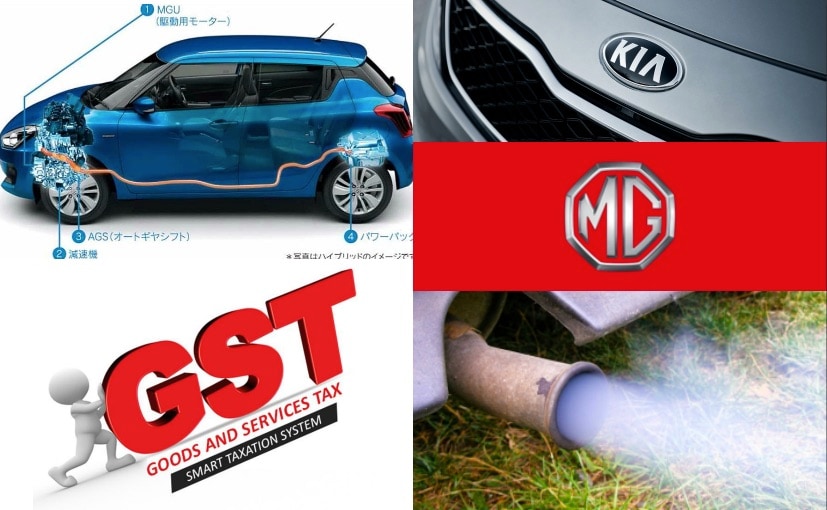
- BS-IV and GST norms put the auto industry through several twists & turns
- Electric vehicles were at the forefront of the changing auto industry
- Kia, MG, Norton and SWM announced their foray into the Indian market
It's been an overwhelming year for the Indian auto industry, which survived some major twists and turns through the year. The auto sector was full of highs and lows and there certainly wasn't going to be an easy way out. While new pollution norms and technology upgrades managed to command attention during the first half of the year; the ever-changing taxation policies kept us and manufacturers alike on our foots. There were some positive updates too midway, with new carmakers foraying into the Indian market and the festive season yielding a higher return than expected. Let's not forget everything electric that we've discussed this year. As automakers soldiered on, 2017 seems to be ending on a positive note. Here's a look at the stories that made it big this year.

(The two-wheeler sector was majorly affected by the BS-IV emission norms)
BS-IV Emission Norms
A coming awaited change in the Indian auto sector, the Bharat Stage IV (BS-IV) emission norms finally kicked off on April 1, 2017; but not without orchestrating a tonne of action behind the scenes. While certain automakers were asking for more time to address the upgrade, the legislators were in no mood to budge. This meant that lakhs of vehicles were sold at throwaway prices before the April 1 deadline, as dealers were looking to liquidate stocks. The two-wheeler and commercial vehicle sector were largely affected in the process, and certain OEMs even had to compensate dealers for the unsold vehicles. Nevertheless, the BS-IV upgrade was a complete madhouse.
Also Read: Supreme Court Upholds BS-IV Deadline For April 1, 2017
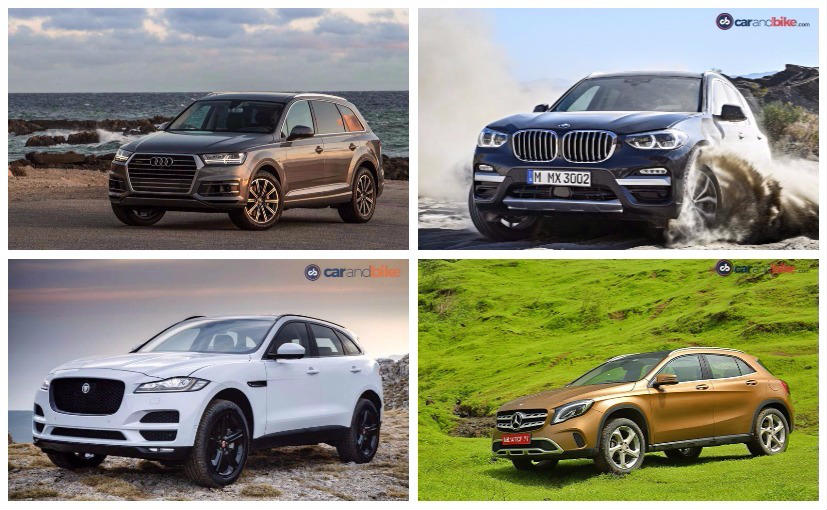
(The fluctuating GST Cess has affected car prices, especially in the luxury space)
Good And Services Tax (GST)
Still recovering from the BS-IV effect, the auto industry once again went into a frenzy when the government's highly anticipated GST norms came into effect from July 1, 2017. The biggest tax reform in India since Independence, GST managed to do away with multiple taxations on vehicles and instead put vehicles in the highest tax slab of 28 per cent, while the cess depends on the category of the vehicle. The GST norms, however, saw its own share of criticism with automakers discouraging the 43 per cent tax slab (28 + 15 per cent) on hybrid vehicles, especially given the pollution friendly nature of the same. Electric vehicles, on the other hand, were categorised under the 12 per cent. Nevertheless, the initial implementation of GST norms saw car prices witness a dramatic drop in prices of vehicles across most categories. With state taxes like Octroi being done away with, vehicle prices saw a further drop.
But, the initial happiness over lower taxes was short lived with the continuous fluctuation of cess on vehicles. The next GST council increased taxes on mid-size cars and SUVs with engines larger than 1500 cc by up to 50 per cent, hiking cess by 2-7 per cent. The Lok Sabha recently, further hikes the GST cess on luxury vehicles from 15 per cent to 25 per cent, in addition to the 28 per cent tax slab. So, yes, while the happiness over lower prices was short lived by the end of the year.
Also Read: GST Impact On Cars: What Gets Cheaper, What Becomes Pricey
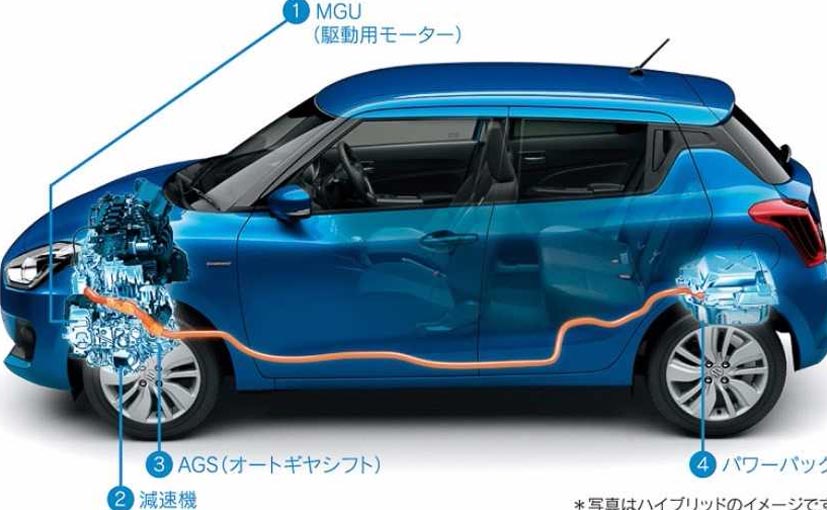
(Suzuki JV with Toshiba and Denso will begin rolling out lithium-ion batteries by 2020)
Electrification
If legislation ruled the market dynamics, lawmakers also decided that going electric with vehicles is the way forward. With the ministry hampering on the deadline for India being an electric vehicle nation by 2030, carmakers are taking up the sector with a lot more viability. This year also saw massive leaps being taken in the field of electric vehicles and manufacturing. Suzuki, Toshiba and Denso announced earlier this year that it will be manufacturing lithium-ion batteries for EVs at a new facility in Gujarat. Meanwhile, Suzuki and Toyota also signed a Memorandum of Understanding (MoU) in November this year for developing EVs in the country to be sold by Maruti Suzuki. The Indian auto giant also announced that it will be rolling out its first electric vehicle for India by 2020.
Also Read: Suzuki, Toshiba, Denso Join Hands To Manufacture Lithium-Ion Batteries In India
This year also saw more and more start-ups coming forward with electric vehicles, while conventional manufacturers too have started developing their own iterations for EVs for the future. Hero MotoCorp and TVS are already in the process of developing electric scooters. TVS also bought a 14.78 per cent stake in a Bangalore-based EV start-up Ultraviolette, in a bid to further propel its electric plans.
On the global front too, several cities including Paris announced it will stop registering petrol and diesel cars by 2030, ahead of France and UK's ban on conventional cars by 2040. China too has set a deadline for 2030 to go electric. Probably the world's most popular EV company, Tesla too made headlines this year with its first-ever Semi Truck commercial vehicle, the production of the Model S and the extremely fast Tesla Roadster. India too received its first ever Tesla in the form of the Model X, which was privately imported in Mumbai.
Also Read: India Gets Its First Ever Tesla Model X Electric SUV
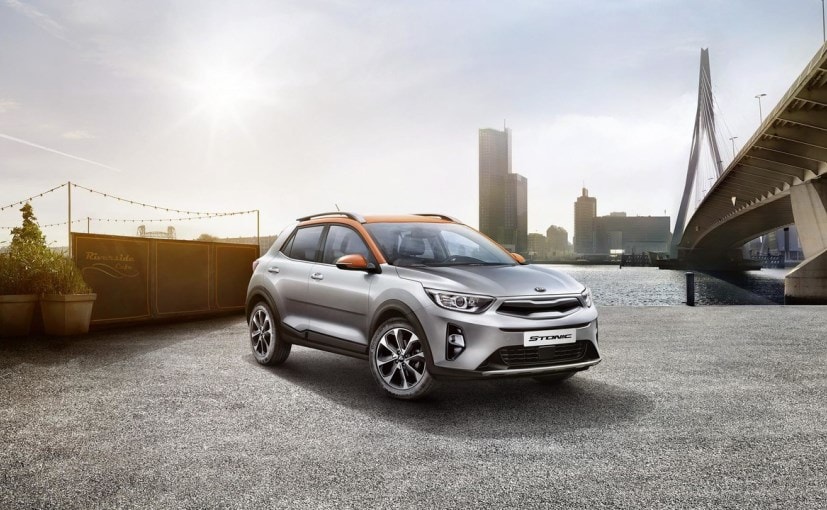
(Kia Motors will commence operations in the country by 2019)
New Automakers
While General Motors decided to pack things up with its retail operations in India, there were a tonne of other carmakers who decided to invest in what will be the world's third largest car market in the coming years. PSA Group that owns brands like Peugeot and Citroen announced it will be entering India sometime in 2020. The French carmaker will be entering the Indian market for the third time and has even bought rights to the iconic Ambassador brand from Hindustan Motors. The automaker has tied up with the CK Birla Group to assemble and distribute cars in the country.
Also Read: 7 Things You Need To Know About Kia Motors
In addition, Hyundai's sister company Kia Motors also announced its foray in the Indian market. The company will be setting up a facility in Andhra Pradesh with a production capacity of 3 lakh units per annum with a Rs. 7000 crore investment, while the line-up will include a sedans, hatchbacks and SUVs. Apart from establishing its presence, Kia is also working on creating its dealership network and will be rolling out products by 2019.
(MG Motor is owned by Chinese auto giant SAIC)
Chinese carmaker SAIC also announced it will enter India soon with the MG Motors brand. MG or Morris Garages is now owned by the Chinese company and is also expected to commence operations by 2019 in the country. The automaker has taken over GM's Halol plant and will be producing up to 80,000 vehicles per year at the facility.
Also Read: SAIC To Commence Operations In India By 2019 As MG Motors
In the motorcycle space, several premium European brands announced their entry into India this year. Both SWM and Norton have tied up with Kinetic Motoroyale and will be retailing their respective bikes in 2018.
Related News


Popular MG Models


Latest Cars


Upcoming Cars


Latest News


 car&bike Team | Oct 23, 2026Updated Bajaj Pulsar NS200 Launched at Rs. 1.60 Lakh; Gets TFT Display, Ride Modes, Quickshifter & MoreThe Pulsar NS200 now gets an electronic throttle body which enables six ride modes and traction control, as well as a quickshifter and TFT display with Google Maps mirroring.1 min read
 car&bike Team | Oct 23, 20265 Factory CNG Cars With Usable Boot Space: Nexon, i10 Nios, Exter & MoreHere are five of the most sought-after factory-fitted CNG cars available in 2026 that offer genuine, usable boot space.1 min read
 Seshan Vijayraghvan | Oct 23, 2026Ducati Formula 73 Limited Edition Café Racer Launched At Rs. 20 Lakh; All Units Sold OutThe Ducati Formula 73 has launched as the Italian marque celebrates its 100th year, whereas the motorcycle itself pays homage to the 1973 Ducati 750 Super Sport Desmo.1 min read
 Jaiveer Mehra | Oct 23, 2026BYD’s Denza Luxury Brand To Make India Debut On November 13Denza is expected to bring the D9 luxury MPV and the Z9 GT shooting brake to India.1 min read
 Sarthak Mahajan | Oct 23, 2026Ultraviolette X47 Venom: Top HighlightsThe Ultraviolette X47 Venom starts at Rs 2.65 lakh and is offered in four variants.1 min read
 Sarthak Mahajan | Oct 23, 2026MoRTH Proposes Mandatory Automatic Emergency Braking For New Cars From 2030The mandate will apply to new car models from October 1, 2030, and to existing models from October 1, 2032, along with new safety requirements for trucks and driver-assistance systems.1 min read