
Toyota Pursues Petrol But Sees Electric Potential In New Technology

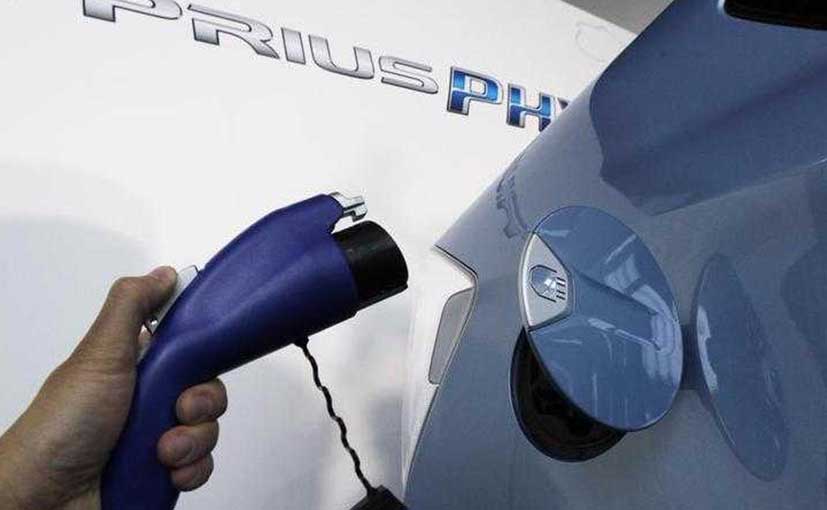
- Toyota plans to refine its petrol engines and the hybrid technology
- It says hybrids and plug-in hybrids would be dominant in coming years
- Plans to add more than 10 EV models to its line-up by early 2020s
Toyota Motor Corp stuck to its commitment to improving petrol engines on Monday with new powertrain units, while flagging technologies which could find their way into electric vehicles (EVs) and hydrogen fuel cell vehicles (FCVs). The Japanese automaker plans to keep refining its petrol engines and the hybrid technology it pioneered two decades ago while also developing battery operated cars as tightening global emissions rules drive a race for longer-range affordable EVs.
As high battery prices and range limitations restrain EV take-up, hybrids and plug-in hybrids would be dominant in coming years, Mitsumasa Yamagata, chief engineer at Toyota's power train product planning division, said.
Cars using petrol engines in some form would still account for around 90 percent of all vehicles by 2030, he added.
"Developing the most fuel-efficient powertrains using petrol engines and hybrid systems will be the best way to have an impact (on reducing emissions), and we remain committed to this," he said at a briefing on Toyota's new 2.0-litre petrol engine and hybrid systems, which can improve fuel economy by 18 percent and 9 percent, respectively, over its current systems.
"At the same time, we will be able to use the technology developed for these powertrains in EVs and FCVs."
Already lagging Nissan Motor Co, General Motors and BMW in bringing a mass-production EV to market, Toyota has ramped up its EV development in the last year or so, pledging to add more than 10 EV models to its product line-up in the early 2020s after long touting a green-car strategy focusing mainly on hybrids and FCVs.
Last week it announced it had developed ultra-powerful magnets containing fewer rare earth metals which can be used in EVs, while it has also partnered up with Panasonic Corp to develop EV batteries.
Yamagata said that components for petrol vehicles could also be used in EVs, including a new "launch" gear used in Toyota's continuously variable transmission unveiled on Monday which works with a smaller belt drive to enable smoother, more efficient initial acceleration and final deceleration.
Industry experts anticipate that take-up of EVs will pick up faster than Toyota expects as decreasing battery costs result in a cost parity between EVs and gasoline-engine cars around 2025, but some say that it could leverage its lead in hybrid technology to help stay competitive during this transition.
"Toyota has been developing its hybrid technology since the 1990s and has been improving it all along. This is complex technology which would take a lot of effort (for others) to develop originally," CLSA analyst Chris Richter said.
(Reporting by Naomi Tajitsu; editing by Alexander Smith)
(This story has not been edited by NDTV staff and is auto-generated from a syndicated feed.)
Related News



Popular Toyota Models


Latest Cars


Upcoming Cars


Latest News


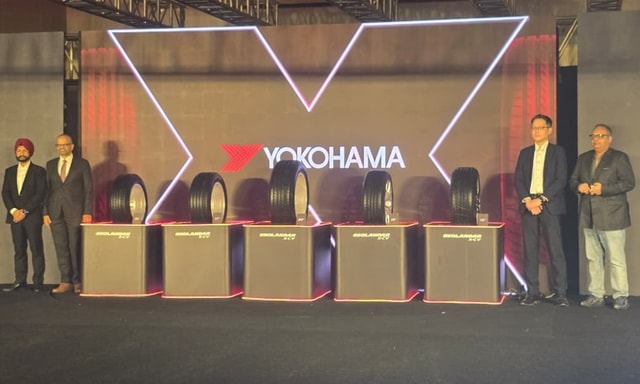 Jaiveer Mehra | Aug 12, 2026Yokohama India Launches New Geolandar X-CV SUV TyresNew variant of the Geolandar series is EV-compatible and offers better grip and longer life compared to conventional tyres.1 min read
 car&bike Team | Aug 12, 2026Mercedes-Benz Introduces India’s First AI-Powered Vehicle Scanner In MumbaiMercedes-Benz has launched India’s first AI-powered vehicle scanner in Mumbai, alongside its largest sales & service facility and Service Select programme for older cars.1 min read
 Sarthak Mahajan | Aug 12, 2026Yamaha R2 Pre-Bookings Commence For Rs.10,000Pre-bookings for the upcoming Yamaha R2 are now open for Rs. 10,000. The highly-anticipated R2 will be launched on August 27, 2026, when prices and specifications will be announced.1 min read
 Sarthak Mahajan | Aug 12, 20262026 Hyundai Exter Knight Edition Launched: Prices Start At Rs 8.13 LakhThe Exter Knight Edition will be available across the HX 6 MT, HX 6 AMT, HX 6 CNG and HX 10 Petrol AMT variants.1 min read
 Sarthak Mahajan | Aug 12, 2026Mahindra Scorpio-N Pick-Up Teased; Unveiling Slated For 14 AugustMahindra has teased the upcoming Scorpio-N Pick-Up, which will be based on the existing Scorpio-N but offered in a pick-up body style.2 mins read
 Sarthak Mahajan | Aug 11, 2026PM E-Drive EV Subsidy Extended To March 2028; Incentive For E2Ws Cut To Rs 5,000Even with the extension, incentives for electric two-wheelers have been reduced to Rs 5,000 per vehicle.1 min read
 Preetam Bora | Aug 12, 2026Royal Enfield Himalayan 440 Custom Review: Beating RE to the PunchDelhi-based custom motorcycle shop TNT Motorcycles introduces packages to convert existing Himalayan 411 adventure bikes to Himalayan 440. Is it worth the expense?8 mins read
 Seshan Vijayraghvan | Aug 11, 20262026 Nissan Tekton 700 km Review: Can It Conquer The Himalayas?We drove the newly launched Nissan Tekton from Chandigarh all the way up to Leh, covering over 700 km with the new SUV. From exploring the Tekton’s capabilities in the Himalayas to setting an India Book Record, here’s how the trip unfolded.8 mins read
 Preetam Bora | Aug 11, 20262026 Aprilia Tuono 457 Special Edition First Ride Review: Should You Buy It?The 2026 Aprilia Tuono 457 delivers an engaging, everyday riding experience with strong performance. At its price point, the Tuono 457 is a brilliant motorcycle, but not quite the complete package. Why is that, and should you still buy it? Read on.8 mins read
 Bilal Firfiray | Aug 1, 2026Toyota Hilux Review: The InvincibleMarking it as the ninth generation, the Hilux comes with a major cosmetic overhaul. But is it still relevant enough for the current times or is it getting too long in the tooth?5 mins read
 Bilal Firfiray | Jul 30, 2026Kia Syros EV Review: Best EV To Buy Under Rs 20 Lakh?The Kia Syros EV comes into the game with a modern design, spacious cabin, strong performance, decent range and an aggressive pricing. But could it become the new benchmark under Rs 20 lakh?5 mins read