
Understanding the Range of EV Cars


An electric vehicle(EV) car utilizes an electric engine in place of a certain engine that consumes a combination of fuel and gases to generate electricity. As there is a rise in global warming every passing year and it affects the climate all over the world, it is essential to switch to as many eco-friendly ways as possible to save the present as well as the coming generation. Therefore, such vehicles like EV cars are being regarded as an achievable possibility for modern cars to solve challenges such as growing pollutants, climate change and depletion of natural resources.
Two Major Type of EV Cars:
Hybrid Electric Vehicle:
To lower fuel usage, a hybrid electric vehicle (HEV) blends a traditional internal combustion engine (ICE) with a motor and battery pack. Since hybrid vehicles can only be filled with fuel sources like petrol, they drive similarly to conventional ICE cars.
Plug-in Hybrid Electric Vehicle:
A plug-in hybrid electric vehicle (PHEV) is almost similar to a hybrid but has few major distinctions. Since the electric system conducts a lot of heavy lifting while driving, PHEVs often feature bigger car batteries and even more large electric motors than hybrids. In case, either the battery charge or petrol is fully consumed, a PHEV can win solely on the other alternative.
The electric vehicle's motor is powered by a large battery that must be latched to the side charging equipment known as electric vehicle supply equipment (EVSE). The EV cars do not have a tailpipe or traditional liquid fuel components like a fuel tank since it runs on electricity.
Benefits of EV Cars that Are Better than Petrol and Diesel:
EVs are significantly more energy effective than standard gas-powered automobiles. When compared to gas-powered automobiles, electric vehicles convert a higher quantity of energy into cars.
The next advantage of electric vehicles is that they radiate limited pollutants and use less fuel. Tailpipe emissions, which are a major pollutant, are absent in electric vehicles.
Electric cars are high-performance and low-maintenance vehicles with motors that are not only quiet and smooth but also require less maintenance.
A rechargeable battery implies that fuel costs are significantly reduced. EV cars may go up to 100 miles approximately on a single charge, consuming no more than 40 kilowatt-hours (kWh). With an electric vehicle, the distance travelled for the same amount of money is approximately four times as long.
How do EV Cars Give Better Mileage?
When we start an electric car, it accelerates similarly to an automated vehicle. Most electric cars are automatic as they do not have gears. Energy is conveyed from the batteries to the electric engine once we push the accelerator.
When the motor is activated, the central shafts roll the tyres and when the car slows down or decelerates, the motor converts to an alternator which generates power. This energy is then reimbursed to the battery. Hence, being both eco friendly and pocket friendly.
This is what makes it better than petrol and diesel cars!
Related News


Latest Cars


Upcoming Cars


Latest News


 car&bike Team | Jul 9, 2026Nissan Tekton SUV India Debut LIVE Updates: Exterior, Interior, Specifications, DetailsNissan will debut the Tekton in India today. Watch this space to get all the details firsthand.0 mins read
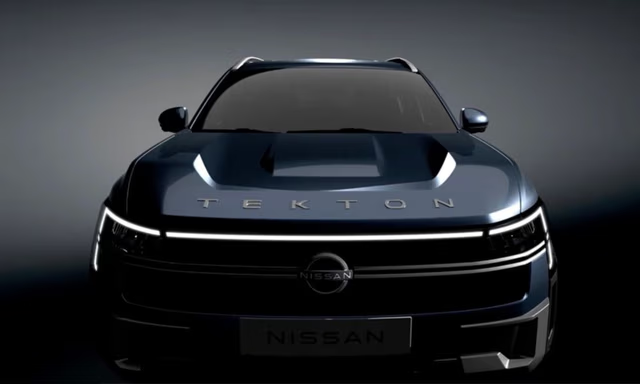 car&bike Team | Jul 9, 2026Nissan Tekton SUV To Debut Today: What To ExpectBased on the Renault Duster, the Tekton gets its own design inside and out while sharing the same platform and engine options.3 mins read
 Seshan Vijayraghvan | Jul 8, 20262026 Land Rover Defender Updated; Gets New Vertex Trim, Accessory Kit And 6-Seat Layout OptionIn addition to the new Defender Vertex trim and the new upgrades, Land Rover has also introduced a special accessory pack for the luxury off-roader.1 min read
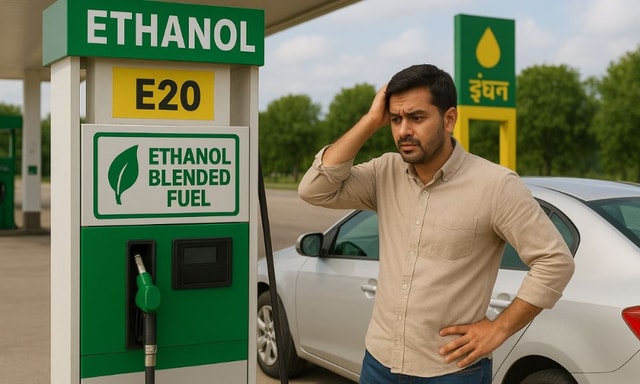 Preetam Bora | Jul 8, 2026Opinion: India’s Ethanol Blending Policy Needs More Clarity & TransparencyIndia needs a clearer, more transparent and consumer-focussed approach to roll out ethanol blends in petrol. The current confusion will only add to less public confidence.6 mins read
 Jafar Rizvi | Jul 8, 2026Yamaha Aerox Electric Launched In India At Rs 2.82 LakhThe Aerox Electric costs nearly twice as much as the petrol-powered Aerox 155.2 mins read
 car&bike Team | Jul 8, 2026New Mercedes-Benz GLB EV India Launch ConfirmedSecond-gen electric GLB is underpinned by Mercedes’ new MMA architecture and promises to offer more tech, greater cabin space and more useable range.1 min read
 Seshan Vijayraghvan | Jul 7, 2026Tata Altroz Petrol DCA Long-Term Review: Intercity & Highway Driving ReportWe tested the Tata Altroz Petro DCA’s highway manners, intercity performance, and real-world fuel efficiency.1 min read
 Seshan Vijayraghvan | Jun 29, 2026Renault Kiger vs Toyota Urban Cruiser Taisor: Which Underdog Deserves Your Money?Both the Kiger and the Taisor promise strong performance, solid features, comfortable cabins and everyday usability, all without breaking the bank. But which of these underrated subcompact SUVs deserves your money? Let's find out.1 min read
 Seshan Vijayraghvan | Jun 29, 2026Skoda Kodiaq RS Review: The Best Kodiaq Yet?The Skoda Kodiaq RS is finally here, and it's every bit as exciting as I expected. But was it worth the wait?7 mins read
 Bilal Firfiray | Jun 28, 2026BMW X6 M60i Review: It’s Back And HOW!The BMW X6 M60i blends a 530bhp twin-turbo V8, with its unmistakable coupe-SUV styling. There’s plenty of character, but is it worth your money?6 mins read
 Janak Sorap | Jun 25, 2026350cc Bajaj Dominar 400 Review: Same Character, Lower PriceA slightly lower displacement engine, a significantly lower price tag and nearly the same performance — the Bajaj Dominar 400 aims to be smarter rather than faster.6 mins read