
Legal vs Illegal Car Modifications in India: What Can Get Your RC Cancelled or Vehicle Seized?


- Loud exhausts and structural mods can now lead to seizure or RC cancellation
- AI traffic cameras and digital RC checks have tightened enforcement
- Popular upgrades like alloys and infotainment systems are still legal within limits
Car modification culture in India has exploded over the last few years, but enforcement has become far stricter too. It’s no longer just about whether a traffic cop notices your car. AI-enabled cameras, digital RC records, and connected RTO databases now make it much easier to flag illegal modifications automatically.
That’s also where many owners get confused. Just because a modification is common doesn’t mean it’s legal. Under Indian law, there’s a major difference between “customisation” and “alteration”. Cosmetic upgrades that do not affect safety, emissions, or the original identity of the car are usually acceptable. But once a modification changes the factory specifications mentioned in the RC, it can become illegal unless approved by the RTO under Section 52 of the Motor Vehicles Act.
Also Read: Tyres 101: How to Read Tyre Wear Patterns and Know Exactly When to Replace Them
What Can Get Your RC Cancelled or Vehicle Seized?
Some modifications attract a simple fine. Others can lead to RC suspension, impounding, or even seizure.
Structural Modifications
Cutting the roof for aftermarket sunroofs, altering the chassis, changing the wheelbase, or heavily modifying the suspension are treated very seriously. These changes can affect crash safety and structural strength, which is why authorities can suspend or cancel the RC under Section 53 of the Motor Vehicles Act.
Engine Swaps Without Approval
Swapping the stock engine for a larger engine or changing fuel type without updating the RC is illegal. Since the engine number is linked to the vehicle’s identity, authorities can even seize the car during inspection checks.
Loud Exhaust Systems
Aftermarket exhausts continue to be one of the biggest reasons modified cars get stopped. Cars exceeding the 75 dB noise limit or running decat exhaust setups can attract fines of up to Rs. 10,000 for repeat offences. Some states have also started temporarily impounding vehicles for repeated violations.
Full Colour Changes Without RC Update
Body wraps and repaints are legal only if the colour mentioned on the RC matches the actual vehicle. If the digital Vahan database shows a different colour, the car can be flagged during checks.
Also Read: 5 Underrated Cars Discontinued In India
Modifications That Still Remain Illegal
Some aftermarket trends continue to remain clearly outside legal limits despite how common they are.
Sun Films and Dark Tints
All aftermarket sun films remain illegal in India, including clear UV films. Fines usually range from Rs. 500 to Rs. 5,000 depending on the offence and state, while repeat offences can even lead to temporary DL suspension or vehicle impounding.
Bull Bars and Crash Guards
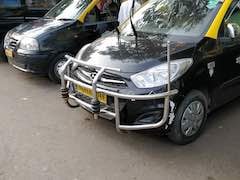
Bull bars are banned because they affect crumple zones and airbag performance during crashes. Owners can face fines of up to Rs. 2,000, while strict RTO checks can also temporarily suspend the RC until the vehicle is restored to stock condition.
Pressure Horns and Multi-Tone Sirens
Pressure horns and emergency-style sirens can attract fines of up to Rs. 10,000. In most cases, traffic police also remove the horn or siren on the spot during inspection.
Flashing Red and Blue Lights
Red, blue, and flashing strobe lights are reserved for emergency and authorised government vehicles. Using them on private cars can lead to fines of up to Rs. 5000, removal of the lights, and, in some cases, vehicle seizure during checks.
Car Modifications That Are Generally Legal in India
Thankfully, not every modification is illegal. There are still several upgrades owners can do without attracting unnecessary trouble.
Alloy Wheels and Tyres
Upgrading alloy wheels is legal as long as the overall tyre diameter stays close to factory specifications. Most workshops follow the “3% rule”, meaning the tyre size should not vary too much from stock. Wheels should also not stick out beyond the body.
Infotainment and Interior Upgrades
Touchscreen systems, speaker upgrades, ambient lighting, seat covers, and upholstery changes are generally legal. The only condition is that they should not interfere with airbags or driver visibility.
CNG and LPG Kits
CNG and LPG kits are legal if they are government-approved and properly endorsed on the RC. Unapproved kits can create both legal and insurance complications.
LED Lighting Upgrades
LED headlamp upgrades are permitted if they use standard white or warm-white lighting and maintain proper beam focus. Extremely bright or coloured lights can still attract penalties.
The Insurance Problem Most Owners Ignore
Even if an illegal modification escapes traffic enforcement, insurance companies can still flag it during claim inspections. Structural changes, undeclared ECU remaps, performance modifications, or unauthorised fuel conversions can become valid reasons to reject a claim after an accident.
That’s why it’s always safer to treat modifications as more than just cosmetic upgrades. The combination of stricter enforcement, connected databases, and detailed insurance inspections means illegal modifications are becoming far harder to get away with than ever before.
Related News
Latest Cars


Upcoming Cars


Latest News


 Sarthak Mahajan | Aug 27, 2026Tata Motors Passenger Vehicles Reveals New ‘Tata.Cars’ Brand IdentityLegal name continues to remain Tata Motors Passenger Vehicles Ltd.1 min read
 Sarthak Mahajan | Aug 27, 2026Yamaha YZF-R2: In PicturesYamaha Motor India has launched the YZF-R2 at Rs 2.30 lakh, positioned above the Yamaha R15 V4.2 mins read
 Sarthak Mahajan | Aug 27, 2026Gabriel India To Acquire 30% Stake In HL Klemove India Private Limited For ADASGabriel India will acquire a 30 per cent less one share stake in HL Klemove India for US$98.44 million (approximately ₹935 crore).1 min read
 Jafar Rizvi | Aug 27, 2026Yamaha YZF-R2 vs Yamaha R15: Differences ExplainedThe R2 and R15 look nearly identical but there are several differences between the two.5 mins read
 Jaiveer Mehra | Aug 27, 20262027 Renault Kwid Makes Global Debut With Updated Looks, New TechExterior styling changes aside, the biggest updates arrive in the form of a new 7.0-inch digital instrument cluster and a large 10.1-inch touchscreen.1 min read
 Sarthak Mahajan | Aug 27, 2026Range Rover Sport Twenty Edition Launched at Rs 1.90 CroreThe brand celebrates 20 years of Range Rover Sport production with the special Twenty Edition.1 min read
 Preetam Bora | Aug 25, 20262026 Hero Xoom 160 Review: Maxi-mum Potential!With styling and proportions that goes into actual maxi-scooter territory, a liquid-cooled engine and large 14-inch wheels, the Hero Xoom 160 holds a lot of promise. But should you buy it?9 mins read
 Seshan Vijayraghvan | Aug 19, 20262026 BMW X1 Long-Wheelbase Review: Is This The X1 To Buy?Along with the extra rear legroom, the new BMW X1 LWB offers more features, more safety tech, and a more powerful petrol engine. But do these updates actually make it a better SUV?1 min read
 Janak Sorap | Aug 17, 2026Bajaj Pulsar N160 SS First Ride Review: The Most Tech-Loaded Pulsar Yet?The Bajaj Pulsar N160 SS brings more power, new-age electronics and sharper styling to the familiar 160cc Pulsar formula.5 mins read
 Jaiveer Mehra | Aug 16, 2026Honda Amaze CVT Long Term First Report: 1800 Km InThe Amaze is the first sedan to join our long term feet in a year, and while on paper it lacks some of the features offered in its rivals, there’s plenty of promise in the package.1 min read
 Preetam Bora | Aug 12, 2026Royal Enfield Himalayan 440 Custom Review: Beating RE to the PunchDelhi-based custom motorcycle shop TNT Motorcycles introduces packages to convert existing Himalayan 411 adventure bikes to Himalayan 440. Is it worth the expense?8 mins read