
Panoramic Sunroof vs Regular Sunroof: Understanding the Practical Difference
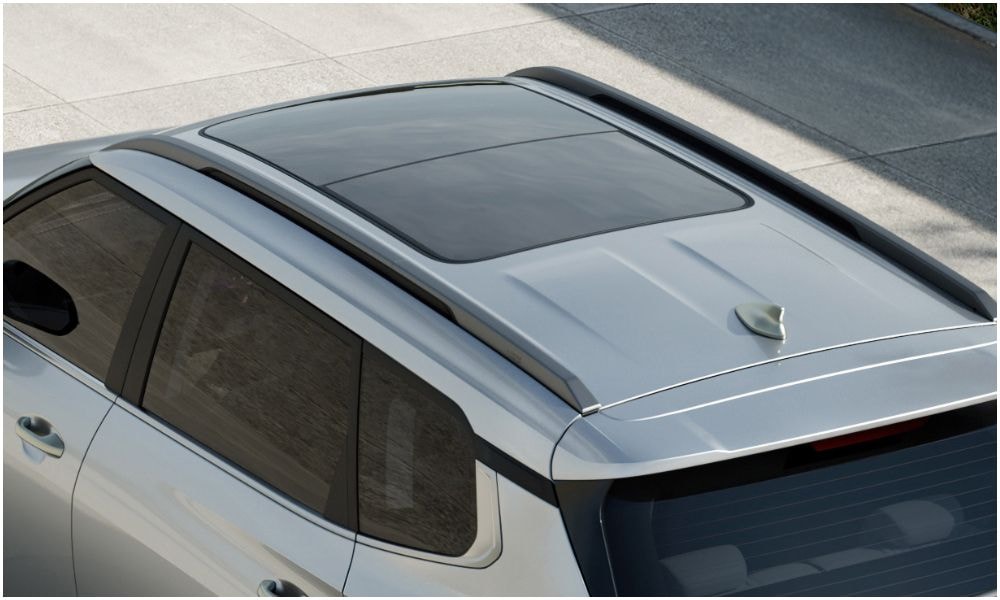
- Panoramic sunroofs make the cabin feel brighter & airy
- Regular sunroofs are lighter, simpler and generally easier to maintain
- Cabin heat and long-term ownership are important factors to consider before choosing either
A few years ago, having a sunroof was considered a luxury reserved for premium sedans and SUVs. Today, even affordable cars offer one, and manufacturers have shifted their focus from regular sunroofs to large panoramic glass roofs. Models like the Mahindra XUV 3XO, Tata Nexon, Kia Syros, Hyundai Creta and several others now offer panoramic sunroofs at increasingly accessible price points.
While the larger glass roof certainly adds showroom appeal, there is much more to the story than aesthetics. Cabin comfort, weight, maintenance, structural design and even air-conditioning performance can differ significantly between a panoramic sunroof and a regular sunroof. Let's understand what separates the two.
Panoramic Sunroof vs Regular Sunroof at a Glance

So, why do car buyers prefer a panoramic sunroof over a regular sunroof?
A panoramic sunroof transforms the cabin by allowing far more natural light into both rows of seats, creating a spacious and airy feel.
However, a regular sunroof offers better thermal insulation, lower maintenance requirements, less added weight and fewer long-term mechanical complexities.
| Feature | Regular Sunroof | Panoramic Sunroof |
| Glass Coverage | Front row only | Covers most of the cabin |
| Opening Area | Small | Much larger |
| Rear Passenger Experience | Limited | Significantly improved |
| Added Weight | Around 8-12 kg | Around 35-60 kg |
| Cabin Heat | Lower | Higher in direct sunlight |
| Maintenance | Relatively simple | More complex |
What Is a Regular Sunroof?
A regular sunroof is a single glass panel positioned above the driver and front passenger. The panel usually slides or tilts open using a single electric motor, allowing fresh air and some natural light into the cabin. Since it covers only a small portion of the roof, most of the vehicle still benefits from the insulation provided by the metal roof.

For buyers who simply want extra ventilation without significantly changing the cabin experience, a regular sunroof remains a practical option.
What Makes a Panoramic Sunroof Different?
A panoramic sunroof is much larger and usually extends over both rows of seating. Most systems use two separate glass panels. The front section slides open electronically, while the rear section remains fixed to maximise visibility and natural light. These roofs also use longer guide rails, retractable sunshades and additional motors to support the larger structure.

The biggest advantage is the cabin ambience. Rear passengers enjoy an open, airy feeling, making long journeys feel less confined.
Why Panoramic Sunroofs Feel Premium
The biggest reason buyers choose panoramic sunroofs is the cabin experience. Natural light enters almost the entire cabin instead of only the front seats. Rear passengers also enjoy better outward visibility, especially children, making long drives feel more enjoyable. This is one reason panoramic sunroofs have become one of the most sought-after features in family SUVs.
Cabin Heat Can Increase During Indian Summers
One downside rarely discussed during showroom demonstrations is cabin heat. Glass naturally absorbs and transfers more heat than an insulated metal roof. Even though modern panoramic sunroofs feature UV-cut and tinted glass, a much larger glass area still allows more heat to build up inside the cabin on hot summer days.
As a result, the air-conditioning system often needs to work harder to cool the interior, particularly when the vehicle has been parked in direct sunlight. Regular sunroofs are less affected because most of the roof remains insulated metal.
Panoramic Sunroofs Add More Weight
A panoramic sunroof is considerably heavier than a regular one. The larger glass panels, reinforced roof structure, guide rails, motors and retractable sunshade together can add roughly 35 to 60 kg to the highest point of the vehicle. A regular sunroof typically adds only 8 to 12 kg.
Although manufacturers tune the suspension accordingly, the additional weight slightly raises the vehicle's centre of gravity, which can have a minor effect on handling during enthusiastic driving. For everyday users, the difference is unlikely to be noticeable, but it remains an important engineering trade-off.
Maintenance Is More Important Than Many Buyers Realise
Both types of sunroofs require periodic maintenance, but panoramic systems demand greater attention.
Drain Channels Can Get Blocked
Every sunroof includes drainage channels that direct rainwater away from the cabin. Over time, dust, leaves and dirt can clog these drains. If left unattended, water may overflow into the headliner or cabin during heavy rain. Because panoramic roofs have a much larger perimeter, they are generally more susceptible to debris accumulation.
Rubber Seals Need Attention
As the vehicle ages, rubber seals around the glass can gradually harden due to heat and weather exposure. This may lead to minor squeaks, rattles or, in some cases, water seepage if maintenance is neglected. Cleaning the tracks and periodically lubricating moving parts helps prevent many of these issues.
Does a Panoramic Sunroof Make the Car Less Safe?
Not necessarily. Modern panoramic sunroofs use toughened or laminated automotive safety glass and are engineered to meet the same crash safety standards as the rest of the vehicle. Manufacturers also reinforce the roof structure around the opening to maintain rigidity.

However, because replacing a panoramic glass roof is considerably more expensive than repairing a conventional metal roof, accidental damage can result in higher repair costs.
Which One Should You Choose?
Your decision depends more on how you use your car than on which feature looks better.
Choose a regular sunroof if you:
- Want better insulation during hot summers
- Prefer lower maintenance
- Rarely have rear-seat passengers
- Simply want extra ventilation
Choose a panoramic sunroof if you:
- Frequently travel with family
- Want a brighter, more premium cabin
- Prioritise cabin ambience
- Don't mind the additional maintenance
Is a Panoramic Sunroof Worth It?
A panoramic sunroof undoubtedly makes a cabin feel more premium and spacious. For families and frequent highway travellers, it can significantly improve the overall travel experience, especially for rear-seat passengers.
At the same time, it is important to understand the practical trade-offs. Larger glass roofs increase cabin heat during Indian summers, add extra weight to the vehicle, and require more attention over the years to keep drainage channels and seals in good condition.
Neither option is universally better. If you value practicality, simplicity and lower maintenance, a regular sunroof remains an excellent choice. If you prioritise cabin ambience and enjoy the feeling of openness, a panoramic sunroof can be a feature you'll appreciate every time you drive.
Verdict: A Sunroof Shouldn't Be the Deciding Factor
Whether you choose a panoramic sunroof or a regular one, it should be viewed as a comfort feature rather than the primary reason to buy a car. Factors such as safety, engine performance, ride quality, reliability, service support and overall ownership costs will have a much greater impact on your experience than the size of the glass roof.
If the car you genuinely prefer also offers the type of sunroof you want, that's a bonus. But choosing a vehicle solely because it has a panoramic roof may not always be the most practical decision.
Related News


Latest Cars


Upcoming Cars


Latest News


 car&bike Team | Oct 24, 2026Top 5 Bikes In India With The Most Comfortable Pillion Seats For Elderly Parents And Family MembersLooking for a motorcycle that keeps your parents comfortable on rides? These five options offer relaxed ergonomics and pillion-friendly seats.5 mins read
 car&bike Team | Oct 24, 2026Maruti Victoris Gets An Aurum Edition Accessory Kit: Priced At Rs 22,990The accessory kit includes copper accents, chrome trim and 3D mats.1 min read
 car&bike Team | Oct 24, 2026Need A Family 7-Seater Under Rs 7 Lakh? 5 Dependable Second-Hand MPVs And SUVs: Ertiga, Triber, Mobilio & MoreA Rs. 7 lakh budget can get you a used seven-seater for family trips, school runs and everyday travel. The Maruti Suzuki Ertiga, Renault Triber and Honda Mobilio are worth considering, along with the Mahindra TUV300 and Maruti Suzuki Eeco.9 mins read
 car&bike Team | Oct 23, 2026Updated Bajaj Pulsar NS200 Launched at Rs. 1.60 Lakh; Gets TFT Display, Ride Modes, Quickshifter & MoreThe Pulsar NS200 now gets an electronic throttle body which enables six ride modes and traction control, as well as a quickshifter and TFT display with Google Maps mirroring.1 min read
 car&bike Team | Oct 23, 20265 Factory CNG Cars With Usable Boot Space: Nexon, i10 Nios, Exter & MoreHere are five of the most sought-after factory-fitted CNG cars available in 2026 that offer genuine, usable boot space.1 min read
 Seshan Vijayraghvan | Oct 23, 2026Ducati Formula 73 Limited Edition Café Racer Launched At Rs. 20 Lakh; All Units Sold OutThe Ducati Formula 73 has launched as the Italian marque celebrates its 100th year, whereas the motorcycle itself pays homage to the 1973 Ducati 750 Super Sport Desmo.1 min read