
AWD vs 4WD Explained: Key Differences, Use Cases, & Which One You Really Need

Quattro, 4Matic, 4x4, e-Four, 4Motion, AllGrip…. These are just some of the many terminologies thrown around today by brands to market their four-wheel drive/all-wheel drive systems. And while the two terminologies have been thrown around interchangeably, there remain distinct differences between the two drivetrain technologies.
All-Wheel Drive
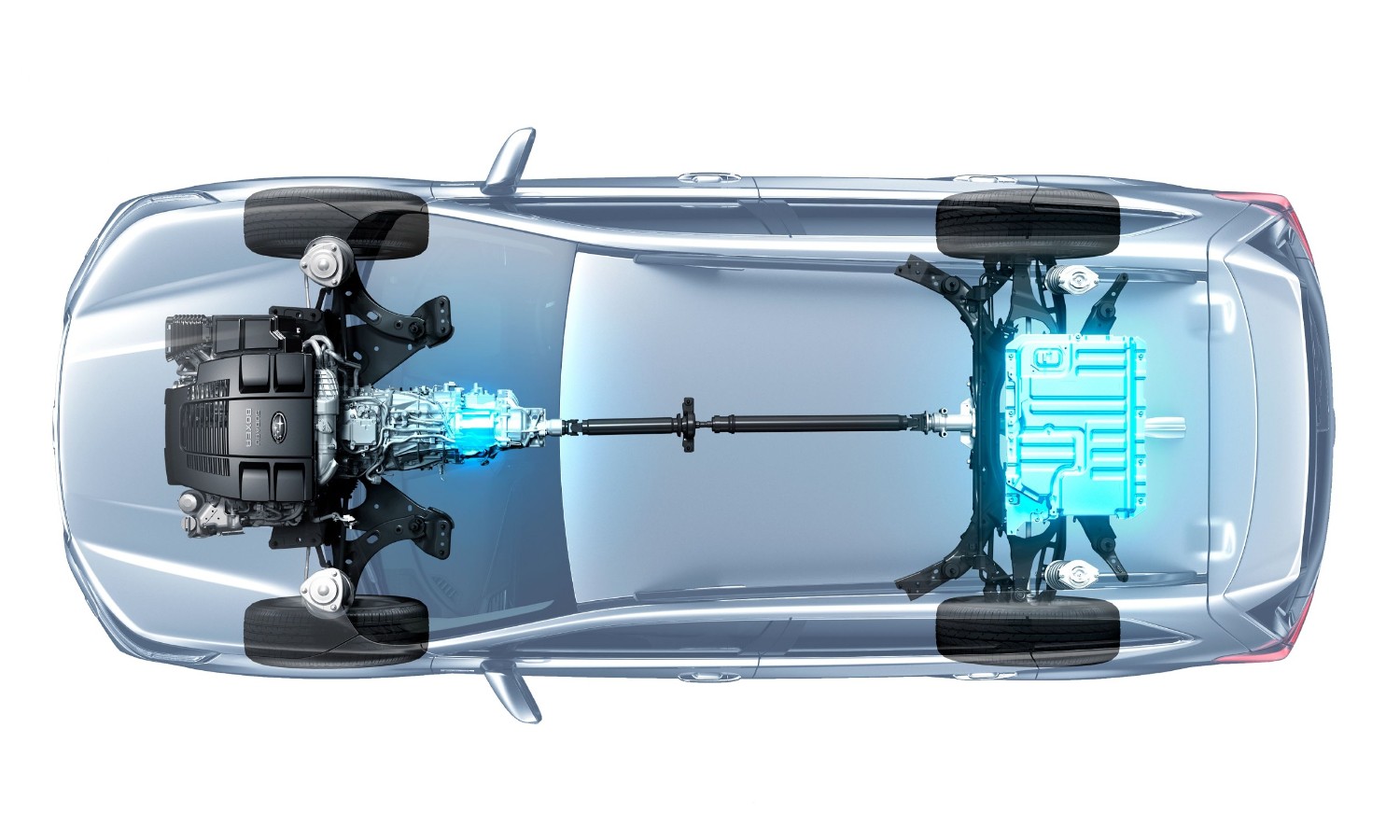
Of the two systems, it's all-wheel drive that has flourished over the past few decades, ever since being popularised by the infamous Audi Quattro on the world rally stage. While similar to a 4x4 system in that it sends power to all four wheels, the modern AWD systems have grown in complexity to use differentials, viscous couplings and multiplate clutches to offer a drivetrain designed to offer peak traction on roads and dirt trails without the need for the driver to do more than just drive the vehicle forwards.

The mechanics behind the system rely on maintaining maximum traction during a myriad of circumstances, and that’s where the differentials, viscous couplings and multiplate clutches come into play. Modern AWD systems are capable of not only variably splitting power between the front and rear axles based on the grip of the tyres but also individually between each wheel to minimise wheel slip. This ensures maximum road grip even at high speeds.
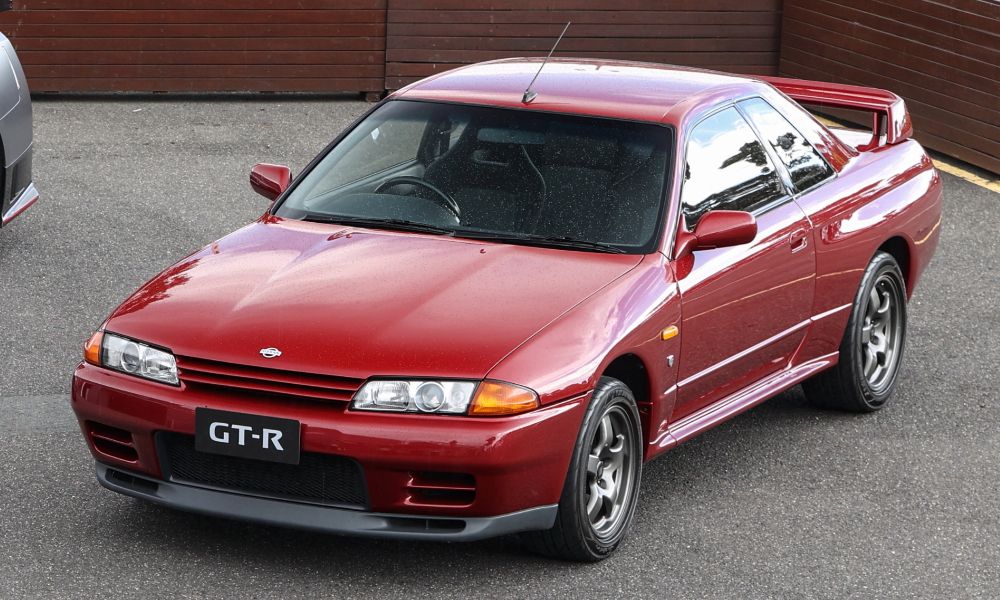
Some systems also operate part-time, prioritising power delivery to a single axle, with power only going to the second pair of wheels as needed. An interesting example of this was Nissan’s ATTESA-ETS system from the R32 Skyline GT-R, which primarily powered the rear wheel unless the system deemed the requirement to send power to the front.
Use Cases

Nowadays, a majority of SUVs with Four Wheel Drive use all-wheel drive in place of a proper 4x4 system, given that most SUVs only see use on hard tarmac and gravel driveways. An all-wheel drive system can handle some use off-road, though they are not as robust as traditional 4x4 systems and will see limited success should you try to challenge an extreme trail; but for the most part, the system is very well suited for limited off-roading and on-road use.

All-wheel drive also features in sedans and hatchbacks, with examples including models such as VW sedans and hatchbacks with 4Motion tech, Mercedes’ sedans with 4Matic and BMWs with xDrive. The system has often also found use in high-performance vehicles as well in today's day and age, with the AWD being used as an additional safety net to make the vehicle not only safer but also easier to drive without infringing on the limits of traction given today's age of supercars with over 1000 bhp.
Four-Wheel Drive

The four-wheel drive drivetrain predates AWD by decades, with the system reportedly having been used in automobiles as far back as the early 1900s. The mechanics behind the Four Wheel Drive system is similar to AWD, with the system traditionally using a transfer case paired with differentials to aid in maximising torque at the wheel to pull vehicles out of treacherous conditions off the beaten path.
Modern systems have benefitted from some of the tech seen on AWD systems, which allow individual wheels to spin or lock based on traction, though unlike AWD, power is split equally between the front and rear. The transfer case generally features a 2-speed gearbox, allowing users to choose between speed or maximum torque - or four high and four low (low range).

Modern 4x4 systems come in two variants: part-time 4x4, such as in the Mahindra Thar, and permanent 4x4, such as in the Toyota Land Cruiser. The former generally lets the SUV operate as a two-wheel drive vehicle, with users required to flick a switch or pull a lever to engage the front wheels. The latter sees the system permanently engaged, with drivers able to lock the differential or enter low range as the need arises.
Use Cases
Four-wheel drive systems are ideal for hardcore off-roading and have long flourished in rugged off-road-focused vehicles such as the Jeep Wrangler, Toyota Land Cruiser and the Mercedes-Benz G-Class in global markets, while the popular Mahindra Thar is another example closer to home. Compared to AWD, 4x4s can tackle a lot harsher conditions, making them good vehicles for users frequenting off-road trails or going camping off the grid or by emergency services in areas with limited or treacherous road connectivity.
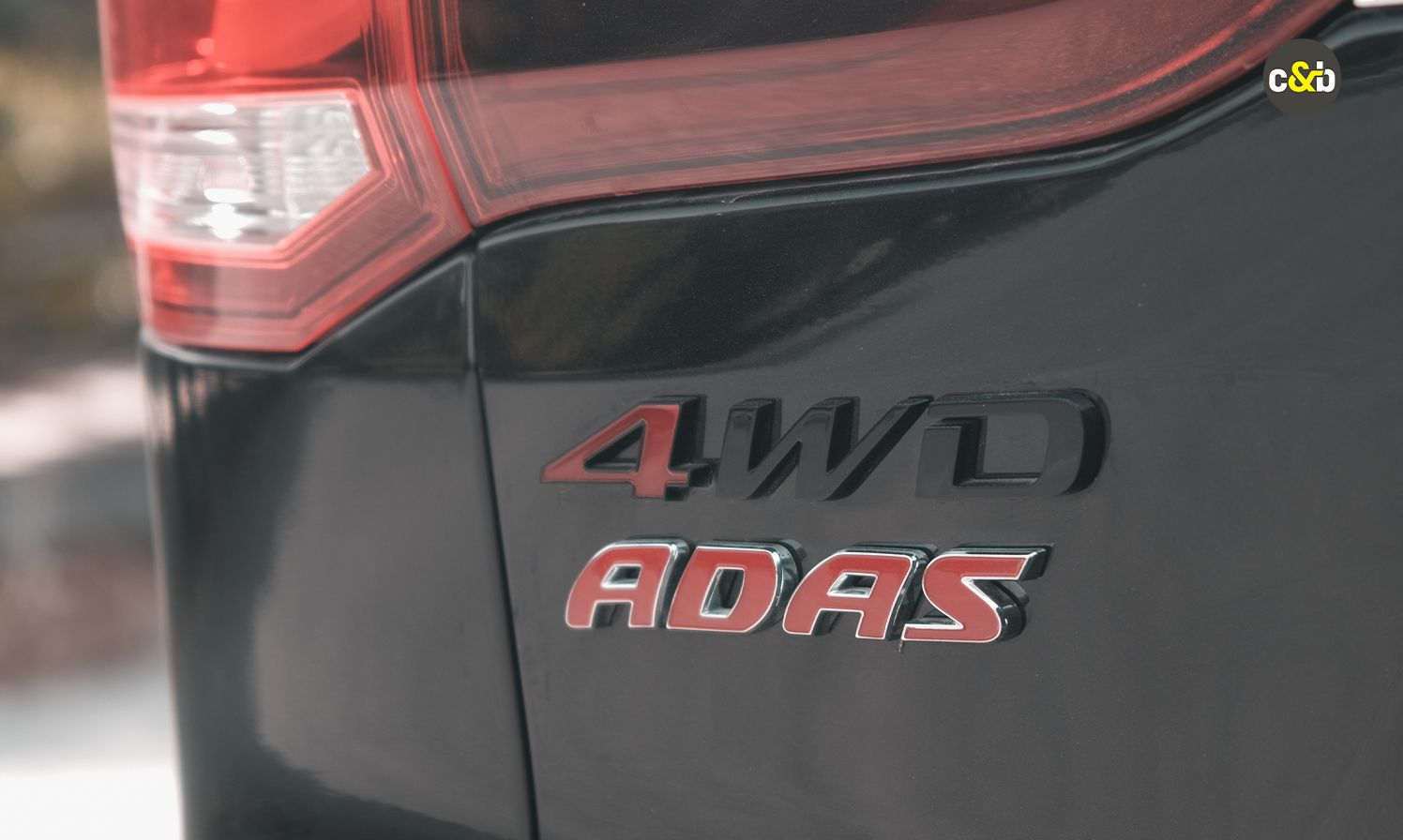
However, that said, many modern 4x4s have become typical city slicker SUVs like their AWD cousins.
Which Should You Pick?
As things stand, most 4x4s in the Indian market are ones that still fall back on the traditional engineering principles of a butch, heavy, ladder-frame SUV with rugged internals capable of tackling almost anything thrown in its path. All-wheel drive vehicles, meanwhile, have taken shape as a comfy, often plush vehicle capable of limited off-road usage but mainly geared to take people from A to B in comfort with minimal fuss. AWD has also been used as a means of enhancing the performance of high-performance vehicles by overcoming limitations of traction.
So at the end of the day, the question becomes, what should you pick? As it stands for most use scenarios, an AWD SUV will get the job done. The modern AWD system is smart enough to manage most road conditions, and given that most modern SUVs don’t see more than a gravel track in terms of off-roading, the heavy 4x4 hardware can be done without. If you’re into the whole genre of heavy off-roading, going where the road doesn’t take you, then its the 4x4 that will suit your tastes.


Latest News


 car&bike Team | Oct 24, 2026Maruti Victoris Gets An Aurum Edition Accessory Kit: Priced At Rs 22,990The accessory kit includes copper accents, chrome trim and 3D mats.1 min read
 car&bike Team | Oct 24, 2026Need A Family 7-Seater Under Rs 7 Lakh? 5 Dependable Second-Hand MPVs And SUVs: Ertiga, Triber, Mobilio & MoreA Rs. 7 lakh budget can get you a used seven-seater for family trips, school runs and everyday travel. The Maruti Suzuki Ertiga, Renault Triber and Honda Mobilio are worth considering, along with the Mahindra TUV300 and Maruti Suzuki Eeco.9 mins read
 car&bike Team | Oct 23, 2026Updated Bajaj Pulsar NS200 Launched at Rs. 1.60 Lakh; Gets TFT Display, Ride Modes, Quickshifter & MoreThe Pulsar NS200 now gets an electronic throttle body which enables six ride modes and traction control, as well as a quickshifter and TFT display with Google Maps mirroring.1 min read
 car&bike Team | Oct 23, 20265 Factory CNG Cars With Usable Boot Space: Nexon, i10 Nios, Exter & MoreHere are five of the most sought-after factory-fitted CNG cars available in 2026 that offer genuine, usable boot space.1 min read
 Seshan Vijayraghvan | Oct 23, 2026Ducati Formula 73 Limited Edition Café Racer Launched At Rs. 20 Lakh; All Units Sold OutThe Ducati Formula 73 has launched as the Italian marque celebrates its 100th year, whereas the motorcycle itself pays homage to the 1973 Ducati 750 Super Sport Desmo.1 min read
 Jaiveer Mehra | Oct 23, 2026BYD’s Denza Luxury Brand To Make India Debut On November 13Denza is expected to bring the D9 luxury MPV and the Z9 GT shooting brake to India.1 min read