
EV-Specific Tyres Explained: Why Electric Cars Need Different Rubber

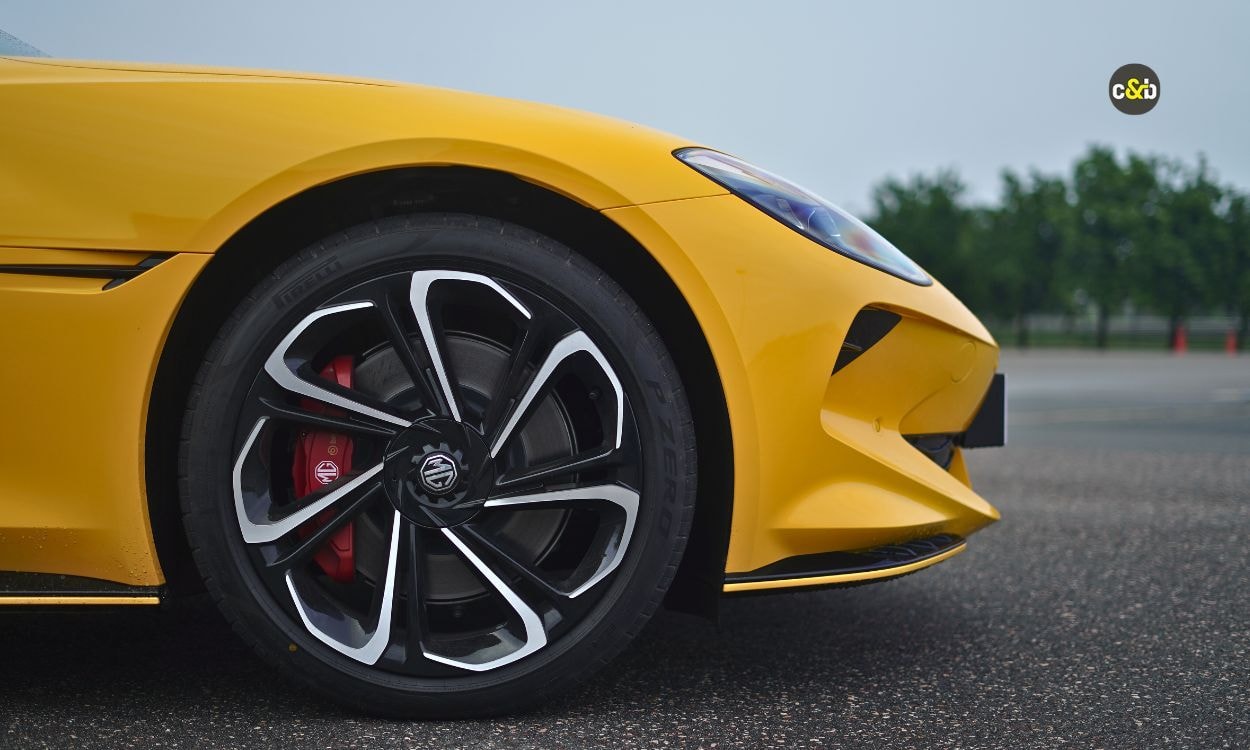
- EVs place more stress on tyres due to their heavier battery packs
- Special tyre compounds help improve range and reduce tyre wear
- Some EV tyres are designed to reduce cabin noise and improve comfort
Most people assume a tyre is just a tyre. If the size matches, it should work, right? Not quite. As electric vehicles become more common in India, tyre manufacturers have started developing tyres specifically for EVs. The reason is simple: electric cars behave very differently from petrol and diesel cars. These are heavier, deliver instant acceleration, and run much more quietly.
That means the tyres have to do more than simply provide grip. They also need to support extra weight, improve efficiency, reduce road noise, and handle the immediate surge of torque that electric motors produce. This is why many EVs today leave the factory with tyres that are specifically engineered for electric vehicles.
Also Read: Fast Charging vs Slow Charging: Which Is Better for Long-Term Battery Health?
Why EVs Put More Stress on Tyres
The biggest difference is weight. Battery packs are heavy, and that extra mass adds significant load to each tyre.
For example, a petrol compact SUV may weigh around 1,200 kg, while its electric equivalent can easily weigh 200-300 kg more because of the battery pack.
That extra weight means tyres must handle:
- Higher loads
- Greater heat generation
- More pressure during cornering
- Increased braking forces
Over time, ordinary tyres can wear out much faster when subjected to these conditions.
Also Read: Battery-as-a-Service (BaaS) Explained: How EV Subscription Batteries Actually Work
Instant Torque Changes Everything
One of the best things about driving an EV is the instant acceleration. Unlike petrol or diesel engines, which build power gradually, electric motors deliver maximum torque almost immediately. That's great for performance, but it creates additional stress on tyres.
Every time an EV accelerates from a standstill, the tyre's contact patch experiences a strong force that tries to twist and scrub the tread against the road surface.
Without the right tyre compound, this can lead to:
- Faster tread wear
- Reduced grip over time
- Shorter tyre life
This is one reason why EV-specific tyres often use tougher rubber compounds than conventional tyres.
Also Read: Why Low-Profile Tyres Are Not Always Ideal for Indian Roads
Why EV Tyres Focus So Much on Efficiency
For EV owners, range matters. Every kilometre squeezed from a battery pack counts, and tyres play a surprisingly large role in that.
As a tyre rolls, it naturally loses energy through deformation and heat. This is known as rolling resistance. EV-specific tyres are designed to reduce rolling resistance through special rubber compounds and tread designs.
The result is:
- Lower energy consumption
- Better efficiency
- More kilometres per charge
In some cases, switching from an efficiency-focused EV tyre to a standard budget tyre can noticeably reduce driving range.
The Silent Cabin Creates a New Challenge
In petrol and diesel cars, engine noise often masks other sounds. In an EV, the cabin is much quieter. This means tyre noise becomes far more noticeable. Many EV owners are surprised to discover that road noise can become the loudest sound inside the car at highway speeds.
To tackle this, some premium EV tyres use:
- Acoustic foam inserts
- Special tread patterns
- Noise-reducing internal construction
These features help keep the cabin quieter during long journeys.
EV Tyres vs Regular Tyres
Here is a quick comparison that highlights the differences between the two.
| Feature | Regular Tyres | EV-Specific Tyres |
| Weight Handling | Standard | Reinforced for heavier vehicles |
| Torque Resistance | Moderate | Designed for instant EV torque |
| Rolling Resistance | Standard | Lower for improved range |
| Noise Reduction | Basic | Enhanced acoustic control |
| Range Optimisation | Not a priority | Major focus |
| Tyre Wear on EVs | Can be faster | Better suited for EV use |
Also Read: Best Automatic SUVs For City Traffic In India
What Should EV Owners Look For?
If you're replacing tyres on an EV, don't focus only on size. A few important things to check include:
Load Rating
EVs are heavier than equivalent ICE cars. Always ensure the replacement tyre matches or exceeds the manufacturer's recommended load rating.
Rolling Resistance Rating
A tyre with lower rolling resistance can help maximise range. Many tyre manufacturers now specifically highlight this on product specifications.
Noise Reduction Features
If comfort matters, look for tyres with acoustic technologies or noise-reduction features designed for EV applications.
EV-Specific Product Lines
Several tyre manufacturers now offer dedicated EV-focused products.
Examples include:
- CEAT EnergyDrive
- Apollo Amperion
- Michelin e.Primacy
- Continental EcoContact and ContiSilent technologies
- MRF Markus EV-focused offerings
These products are developed with electric vehicles in mind rather than adapted from conventional tyre designs.
Also Read: Green Tax in India Explained: Who Pays It and How Much Does It Cost?
Do You Always Need EV-Specific Tyres?
Not necessarily. Many standard tyres can physically fit and operate on an EV without any issues.
However, the experience may not be the same. Range could be lower, tyre wear may increase, and road noise may become more noticeable compared to tyres designed specifically for electric vehicles.
For occasional replacement or emergency situations, conventional tyres can work. But for long-term ownership, tyres developed for EVs usually deliver better results.
Why EV Tyres Are Becoming More Important
As EVs become heavier, quicker, and more capable, tyre technology is evolving alongside them. What looks like a regular tyre from the outside is often carrying a heavier load, dealing with more torque, and helping maximise every kilometre of driving range.
For most EV owners, tyres will eventually become one of the biggest factors affecting efficiency, comfort, and running costs. Choosing the right rubber isn't just about grip anymore; it's also about getting the best out of the vehicle underneath it.
Related News


Latest Cars


Upcoming Cars


Latest News


 Jafar Rizvi | Jul 24, 20262026 Maruti Brezza Facelift: Variants, Features, Engine Options ExplainedThe 2026 Maruti Suzuki Brezza is offered in four trim levels: LXi, VXi, ZXi and ZXi+ and with two engine options.5 mins read
 Jafar Rizvi | Jul 24, 20262026 Maruti Brezza Facelift Launches With Three Major FirstsThe 2026 Maruti Suzuki Brezza has arrived, and along with carrying a five-star Bharat NCAP rating, the model brings three firsts for both the Brezza and, in one case, Maruti itself.2 mins read
 Jaiveer Mehra | Jul 24, 20262026 Maruti Suzuki Brezza Facelift Launched; Price Starts At Rs 7.40 LakhUpdated Brezza arrives with a new turbo-petrol engine option and a new 6-speed manual gearbox aside from new features.2 mins read
 car&bike Team | Jul 24, 20262026 Maruti Brezza Facelift Launch Highlights: Price, Specifications, Details, ImagesMaruti will launch the 2026 Brezza today. Stay tuned to this space to get all the details firsthand.0 mins read
 Jafar Rizvi | Jul 24, 2026Honda XR 300L, XR 300 Rally Unveiled In IndiaBoth motorcycles are made in India and will launch before the end of FY20272 mins read
 Janak Sorap | Jul 24, 2026Honda Unveils QC3 Electric Scooter; Claims 145 km IDC RangeHonda has expanded its electric scooter portfolio in India with the launch-ready QC3, positioned above the QC1 and Activa-e.1 min read
 Bilal Firfiray | Jul 24, 2026Honda ZR-V Review: Who Is It For?Honda has brought the new ZR-V to India as their current flagship offering. It’s a CBU, it’s a hybrid, and it’s here for a limited few. Who is it for though?1 min read
 Shams Raza Naqvi | Jul 15, 2026Ferrari 849 Testarossa Spider Driven: Rs. 11.25 Crore Meets 1,000 bhpWe got behind the wheel of the most powerful convertible from Ferrari. What makes the 849 Testarossa Spider Special? We tell you.1 min read
 Bilal Firfiray | Jul 12, 2026Tata Sierra EV Review: Reborn In The Electric AgeThe Tata Sierra EV isn’t drastically different from its ICE counterpart when it comes to design. But being the seventh electric offering from the Indian brand, it has gotten a few things right, and very few things wrong. But is it a compelling package to buy?5 mins read
 Jafar Rizvi | Jul 13, 2026TVS Orbiter Long-Term Review (Report 1): Settling In Takes TimeFirst impressions weren't the strongest, but the Orbiter has made a mark in its first month in the car&bike garage.5 mins read
 Seshan Vijayraghvan | Jul 7, 2026Tata Altroz Petrol DCA Long-Term Review: Intercity & Highway Driving ReportWe tested the Tata Altroz Petro DCA’s highway manners, intercity performance, and real-world fuel efficiency.1 min read