
Why Sedans Are Disappearing From Indian Roads?

- SUVs account for more than half of total car sales in India
- Sedans have a share of just 10% in overall sales
- Affordable hatchbacks also sell in higher numbers
Indians love SUVs if you go by the overall sales numbers in the passenger car segment. So much so that according to recent trends more than half of total cars sold in the country are just SUVs. These include everything from small sub 4 meter vehicles to large 3 row luxury cars. On the other hand sedans are not as popular as they used to be around a decade ago. Currently only about 10% of overall car sales are sedans and a majority of these are concentrated only in the affordable segments. So why is this happening? We list out some points.

There are many reasons that can be attributed to growing popularity of SUVs and sedans not being accepted the same way as earlier. One of them is practicality. SUVs come with attributes like easy ingress/egress, more cabin space and in some cases even larger boots. So for many families they seem more apt for occupants of all shapes and sizes. They generally also have more storage spaces all over the cabin. The tailgate design doesn’t intrude the boot space and while on paper a sedan may have a larger boot, in reality a little more luggage fits in the SUV.
Also Read: Turbo-Petrol vs Naturally Aspirated Engines: Which Feels Better in Real Driving?

Sedans on the other hand ensure that getting in and out of them isn’t as seamless as it is on an SUV. Taller occupants struggle with decent headroom and while seats may be bigger when compared to SUVs present in a similar segment, the overall sense of space is not too much. Yes the larger luxury cars that come with long wheelbase versions like the Mercedes-Benz E-Class and BMW 5 series are an exception but largely the cabins do not feel as ergonomic as the ones in SUVs.

Another factor is driver confidence and visibility from behind the wheel. Overall SUVs provide better road view to the driver both on the front and rear which ensures more confidence while driving. You also sit higher up in an SUV which again ensures better all round visibility during the drive. Some drivers also prefer a slight view of the hood just a get a better perspective of the available space on the road in front of them and that too is possible on an SUV. Overall, owners prefer a more dominating drive position which SUVs are able to provide, irrespective of the segment that are in. The same feeling is not present in abundance in a sedan.
Also Read: What Happens If a Used Car Has an Active Loan Against It?

Perhaps the most critical factor in India why buyers prefer SUVs more than sedans is the flexibility to take them just about anywhere. Sedans come with lower ground clearance when compared to SUVs and that deters the owners from taking on the rough roads. Off roading is out of questions but even in everyday commutes factors like tall speed breakers and water-filled broken patches of roads become a cause for concern. Usual clearance in a sedan is around 150-160 mm but in some cases it falls to as low as 120 mm while in best cases it stops at 180 mm. In contrast depending on the segment SUVs easily come with a clearance of 200 mm or more clearly giving the driver more confidence.
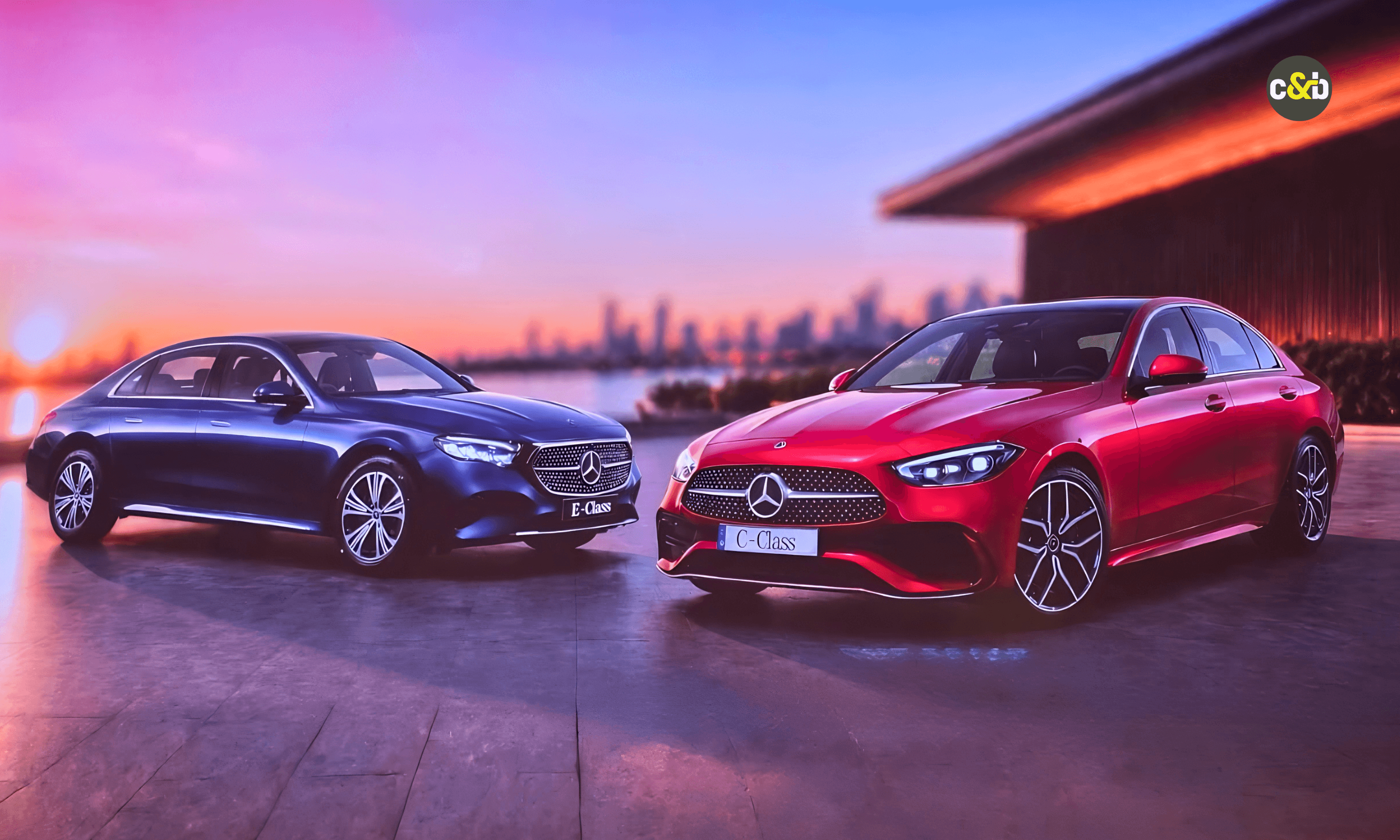
Recently carmakers have tried to make sedans more lucrative by providing more options and technologies. Models like the Hyundai Verna, Skoda Slavia and Volkswagen Taigun come with powerful and fun to drive turbo petrol engines while something like a Honda City also gets a hybrid version for better fuel efficiency. So both the enthusiasts and value conscious buyers go for such options though the as we mentioned earlier overall numbers can certainly increase.

Lastly it comes down to choices. Owing to the decline in sales sedans are not restricted to being present in a few segments. While a large chunk comes from subcompact (Dzire, Aura & Amaze) and compact segment cars mentioned in the previous paragraph, there are only a handful of luxury cars that are able to catch the fancy of the buyer. This means choices are getting even more limited than earlier and in many cases while the buyer may be interested in going for a sedan he may not get an appropriate option in the market.

The big question is will sedans regain the kind of popularity they enjoyed in the market earlier in this century? While rapidly improving road infrastructure like newer expressways will go a long way in increasing customer confidence more options with added features and technologies can also attract more consumers towards car showrooms. Affordable electric sedans, bigger CNG tanks and more practical cabins are some more factors that may help increase the sales of such cars in the future.
Related News


Latest Cars


Upcoming Cars


Latest News


 car&bike Team | Oct 23, 2026Updated Bajaj Pulsar NS200 Launched at Rs. 1.60 Lakh; Gets TFT Display, Ride Modes, Quickshifter & MoreThe Pulsar NS200 now gets an electronic throttle body which enables six ride modes and traction control, as well as a quickshifter and TFT display with Google Maps mirroring.1 min read
 car&bike Team | Oct 23, 20265 Factory CNG Cars With Usable Boot Space: Nexon, i10 Nios, Exter & MoreHere are five of the most sought-after factory-fitted CNG cars available in 2026 that offer genuine, usable boot space.1 min read
 Seshan Vijayraghvan | Oct 23, 2026Ducati Formula 73 Limited Edition Café Racer Launched At Rs. 20 Lakh; All Units Sold OutThe Ducati Formula 73 has launched as the Italian marque celebrates its 100th year, whereas the motorcycle itself pays homage to the 1973 Ducati 750 Super Sport Desmo.1 min read
 Jaiveer Mehra | Oct 23, 2026BYD’s Denza Luxury Brand To Make India Debut On November 13Denza is expected to bring the D9 luxury MPV and the Z9 GT shooting brake to India.1 min read
 Sarthak Mahajan | Oct 23, 2026Ultraviolette X47 Venom: Top HighlightsThe Ultraviolette X47 Venom starts at Rs 2.65 lakh and is offered in four variants.1 min read
 Sarthak Mahajan | Oct 23, 2026MoRTH Proposes Mandatory Automatic Emergency Braking For New Cars From 2030The mandate will apply to new car models from October 1, 2030, and to existing models from October 1, 2032, along with new safety requirements for trucks and driver-assistance systems.1 min read