
The EV Resale Cliff: Why 3-Year-Old Electric Cars Are Losing Value Faster Than Petrol Cars

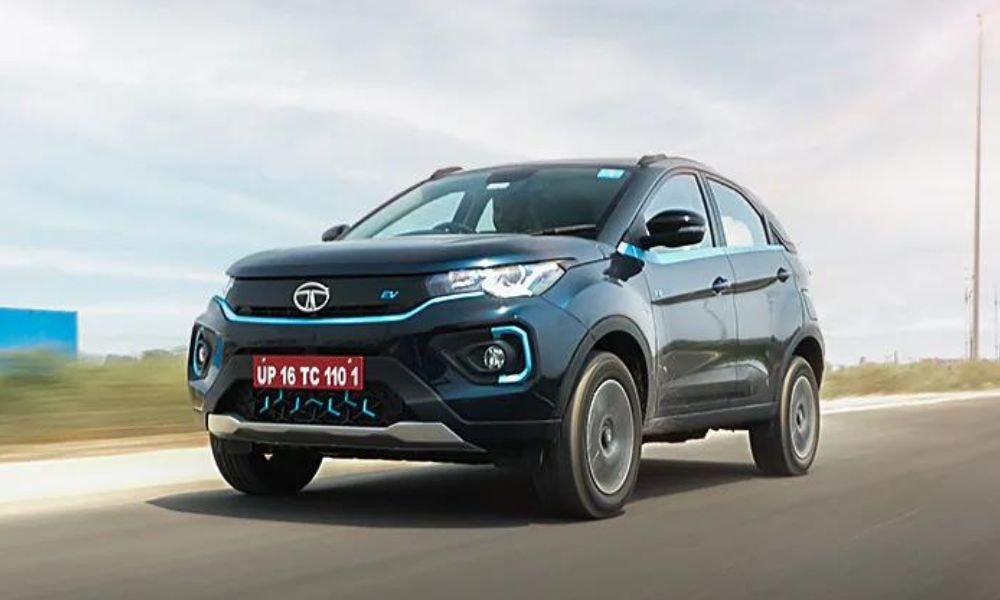
- Many 3-year-old EVs currently retain less value than comparable petrol cars
- Battery health concerns continue to influence used EV prices
- Faster charging, longer range, and newer technology are making older EVs feel outdated sooner
Electric vehicles have become far more common on Indian roads over the last few years. Models such as the Tata Nexon EV, MG ZS EV and Mahindra XUV400 helped introduce thousands of buyers to electric mobility.
However, a different story is now playing out in the used car market. While many petrol hatchbacks and compact SUVs continue to hold their value surprisingly well, several early-generation EVs are seeing significantly steeper depreciation. The reasons go far beyond battery replacement fears and reveal how quickly the EV market is evolving.
Also Read: Why Indian Housing Societies Are Blocking Private EV Home Chargers
EVs Are Experiencing a "Smartphone Effect"
A petrol car launched three years ago is often very similar to a new model sold today. The engine, performance and driving experience usually remain largely unchanged.
EVs are different. Battery technology, charging speeds, software, thermal management systems and driving range have improved rapidly in a short period. As a result, an EV that felt cutting-edge in 2023 may look less attractive compared to a newer model offering substantially more range and faster charging at a similar price. For many buyers, older EVs can feel more like ageing electronics than ageing cars.
Also Read: New Delhi EV Policy - No Road Tax For EVs Up To Rs. 30 Lakh Proposed
Petrol Cars Benefit From Familiarity
One reason petrol cars continue to hold their value well is predictability. A buyer looking at a used Maruti Suzuki Swift, Hyundai i20 or Tata Punch generally knows what to expect. The technology is familiar, service networks are widespread, and long-term ownership costs are relatively easy to estimate.
With used EVs, many buyers still have unanswered questions around battery health, charging habits and long-term performance. This uncertainty often translates into lower resale values.
3-Year Value Retention Comparison
The table below highlights the difference that is currently visible across parts of the used car market.
| Vehicle Type | Example Models | Typical Value Retention After 3 Years |
| Petrol Hatchbacks & Compact SUVs | Swift, Punch, i20 | 70% - 75% |
| Mass-Market EVs | Nexon EV, ZS EV | 50% - 55% |
Actual resale values vary depending on condition, mileage, location and demand.
Also Read: Top 7 Most Powerful Electric Cars In India Under Rs. 30 Lakh
Battery Health Remains the Biggest Question Mark
When buying a used petrol car, buyers can inspect service records, listen to the engine and assess wear and tear fairly easily.
A battery pack is different. The most expensive component in an EV is largely hidden from view. Unless buyers have access to detailed battery health reports, many assume the worst and negotiate aggressively.
Even though modern EV batteries are proving to be more durable than many expected, perception continues to influence resale prices.
New EV Prices Are Falling
Another factor working against older EVs is the falling cost of new technology.
Battery prices have reduced significantly over the past few years, allowing manufacturers to launch better-equipped EVs with longer range at increasingly competitive prices.
When a new EV becomes cheaper or offers much better specifications, older models often lose value more quickly in the used market.
The Battery Warranty Factor
Most manufacturers now offer battery warranties of up to 8 years. While this provides reassurance, second-hand buyers also look ahead.
A 3-year-old EV still has warranty coverage remaining, but future buyers know that every passing year brings the vehicle closer to the end of that protection period. This often affects resale negotiations.
The Hidden Opportunity for Used Car Buyers
Interestingly, the EV resale cliff is not necessarily bad news for everyone. For buyers, it creates an opportunity to purchase relatively modern electric cars at prices that would have been impossible just a few years ago.
Someone with predictable daily driving needs and access to charging can often find a well-maintained used EV for significantly less than its original purchase price while still benefiting from the remaining battery warranty.
Things to Check Before Buying a Used EV
A used EV can be a great value buy, but checking a few key details beforehand can help avoid expensive surprises later.
Battery Health Report
Request an official battery health or State of Health (SoH) report wherever possible.
Remaining Warranty
Check how much battery and vehicle warranty remains and whether it transfers to the next owner.
Charging History
A car that has primarily been charged using slower AC charging may be viewed more favourably than one that relied heavily on fast charging.
Software and Service Records
Ensure the vehicle has received all recommended software updates and scheduled maintenance.
What the EV Resale Market Is Really Telling Us
The faster depreciation seen in some electric cars is less about reliability and more about how quickly the technology is advancing. As charging infrastructure improves, battery health reporting becomes more transparent, and EV adoption grows, resale trends are likely to become more stable.
For now, early adopters may be absorbing the biggest depreciation hit, while second-hand buyers have an opportunity to pick up surprisingly capable EVs at much lower prices than when they were new.
Related News


Latest Cars


Upcoming Cars


Latest News


 car&bike Team | Aug 1, 2026Maruti Suzuki Sells More Than 2 Lakh Vehicles In July, Sets New Domestic RecordThe brand sold a total of 2,41,421 units last month which also included exports of 30,056 cars1 min read
 car&bike Team | Aug 1, 2026India-UK FTA: Aston Martin Announces Revised PricesAlong with the revised pricing, the British marque has refreshed its lineup by replacing the Vantage, DB12 and DBX with more powerful 'S' derivatives.4 mins read
 car&bike Team | Aug 1, 2026BMW 7 Series, i7 Facelift Bookings Open In India Ahead Of LaunchThe facelifted models were unveiled globally in April 2026 and are set to arrive in India.3 mins read
 car&bike Team | Aug 1, 2026Auto Sales July 2026: Growth For Tata, Mahindra And Hyundai; Nissan Jumps 218%July 2026 turned out to be a strong month for several carmakers in India. Tata Motors, Mahindra, Hyundai, MG Motor and Nissan all reported healthy year-on-year growth, with new model launches, exports and growing EV demand.4 mins read
 car&bike Team | Jul 31, 2026Hero Vida VX2 Now Available With Fixed 3.1 kWh Battery, Priced At Rs 1.13 LakhUnlike the existing removable-battery variants, the new VX2 variant comes with a fixed battery and direct-plug charging.1 min read
 car&bike Team | Jul 31, 2026Honda Cars India Appoints Toshiyuki Yanagisawa As New President And CEOYanagisawa replaces Takashi Nakajima, who is set to move to Honda's regional headquarters after completing his stint in India.1 min read
 Bilal Firfiray | Aug 1, 2026Toyota Hilux Review: The InvincibleMarking it as the ninth generation, the Hilux comes with a major cosmetic overhaul. But is it still relevant enough for the current times or is it getting too long in the tooth?5 mins read
 Bilal Firfiray | Jul 30, 2026Kia Syros EV Review: Best EV To Buy Under Rs 20 Lakh?The Kia Syros EV comes into the game with a modern design, spacious cabin, strong performance, decent range and an aggressive pricing. But could it become the new benchmark under Rs 20 lakh?5 mins read
 Jaiveer Mehra | Jul 27, 20262026 Maruti Suzuki Brezza Facelift Review: Bestseller Joins The Turbo ClubWhile Maruti’s facelifts have always tended to bring subtle updates over the outgoing models, the latest Brezza brings some heavy updates under the skin, including a new 6-speed manual gearbox and, for the first time, a turbocharged petrol engine option.1 min read
 Bilal Firfiray | Jul 24, 2026Honda ZR-V Review: Who Is It For?Honda has brought the new ZR-V to India as their current flagship offering. It’s a CBU, it’s a hybrid, and it’s here for a limited few. Who is it for though?1 min read
 Girish Karkera | Jul 29, 2026Mercedes-AMG E53 4MATIC+ PHEV First Drive Review: Just What The Doctor OrderedThere are luxury cars and there are high-performance cars. But what if you want both for the price of one? Mercedes-Benz has a recommendation that promises to tread a fine line between the two – the second generation E53 with a twist.7 mins read