
Alloy Wheels vs Steel Wheels: Which One Should You Go For?

car&bike Team
1 min read
Nov 26, 2015, 02:53 AM
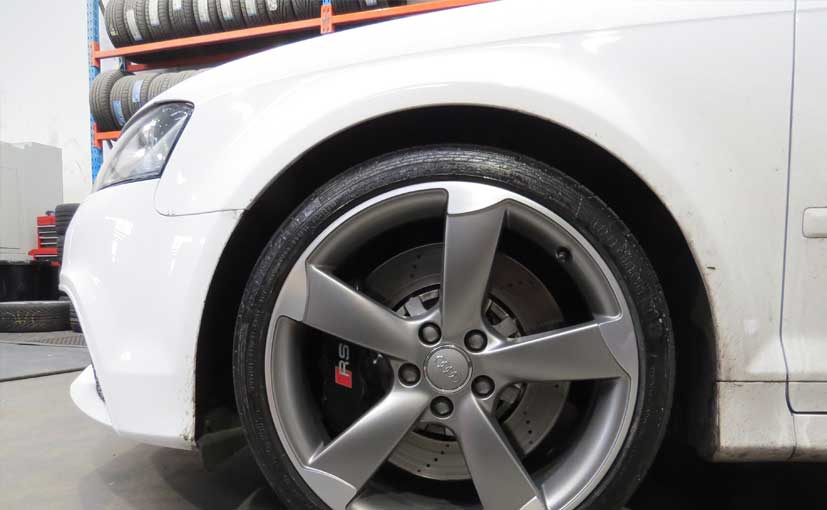
Some drivers spend quite a good amount of money on alloy wheels for their cars. Is it all about looks, or is there a technical reason behind it?
Steel and alloy wheels are the two most common types of wheels used in cars. There are a few other types like carbon fibre as well, but those are quite rare. The main differences between alloy and steel wheels lie in their durability, strength and appearance.
Lower-priced new cars, and many older cars, come standard with wheels made from steel. Steel is the metal of choice for most parts of a car, as it is cheap and can be made into different shapes quite easily. So it has always been an obvious choice to use for wheels. But more and more cars are now equipped with wheels made from alloys, which are stronger and lighter than steel, and improve the appearance of the car.
Advantages of alloy wheels
Alloy wheels are made of an alloy of light metals, namely aluminium, nickel, magnesium, or a combination of these metals. They offer performance advantages over steel wheels, as they are often several pounds lighter per wheel - less weight means quicker acceleration and faster stopping. Less weight also means less strain on suspension components. In extreme driving conditions, alloy wheels are better able to dissipate heat away from brake components than their steel counterparts.
Benefits of steel wheels
First off, alloy wheels - particularly forged aluminium alloys - are more expensive than steel wheels, mainly because of differences in production techniques. Steel wheels are also more easily repaired than alloys, as steel can often be hammered back into place when bent. On the other hand, alloy wheels tend to break or crack more easily under impact than their steel counterparts.
Cosmetic differences
Visual differences are, for many drivers, the primary factor in whether to purchase steel or alloy wheels. Alloys are more conducive to complex styling of the wheel itself and improve the overall looks of the car.
So should you go for alloy or steel wheels? It's not as simple as making a choice between 'this' or 'that'. A buyer needs to weigh the pros and cons of both types and take personal preferences and the vehicle's needs into consideration before deciding on the best option.
Steel and alloy wheels are the two most common types of wheels used in cars. There are a few other types like carbon fibre as well, but those are quite rare. The main differences between alloy and steel wheels lie in their durability, strength and appearance.
Lower-priced new cars, and many older cars, come standard with wheels made from steel. Steel is the metal of choice for most parts of a car, as it is cheap and can be made into different shapes quite easily. So it has always been an obvious choice to use for wheels. But more and more cars are now equipped with wheels made from alloys, which are stronger and lighter than steel, and improve the appearance of the car.
Advantages of alloy wheels
Alloy wheels are made of an alloy of light metals, namely aluminium, nickel, magnesium, or a combination of these metals. They offer performance advantages over steel wheels, as they are often several pounds lighter per wheel - less weight means quicker acceleration and faster stopping. Less weight also means less strain on suspension components. In extreme driving conditions, alloy wheels are better able to dissipate heat away from brake components than their steel counterparts.
Benefits of steel wheels
First off, alloy wheels - particularly forged aluminium alloys - are more expensive than steel wheels, mainly because of differences in production techniques. Steel wheels are also more easily repaired than alloys, as steel can often be hammered back into place when bent. On the other hand, alloy wheels tend to break or crack more easily under impact than their steel counterparts.
Cosmetic differences
Visual differences are, for many drivers, the primary factor in whether to purchase steel or alloy wheels. Alloys are more conducive to complex styling of the wheel itself and improve the overall looks of the car.
So should you go for alloy or steel wheels? It's not as simple as making a choice between 'this' or 'that'. A buyer needs to weigh the pros and cons of both types and take personal preferences and the vehicle's needs into consideration before deciding on the best option.
Related News


Latest Cars


Upcoming Cars


Latest News


 Sarthak Mahajan | Aug 11, 2026PM E-Drive EV Subsidy Extended To March 2028; Incentive For E2Ws Cut To Rs 5,000Even with the extension, incentives for electric two-wheelers have been reduced to Rs 5,000 per vehicle.1 min read
 Jafar Rizvi | Aug 11, 2026Hero Splendor Off-Road Crossover Design Patented In IndiaTwo new design patents filed by the brand show motorcycles based on the commuter, with one appearing to draw heavily from the old Passion Pro TR's off-road-inspired styling.1 min read
 Sarthak Mahajan | Aug 11, 2026General Motors Pulls The Plug On Chevrolet In ChinaGeneral Motors’ Chevrolet brand exits the Chinese market after 21 years of operations.1 min read
 car&bike Team | Aug 11, 2026Ethanol Blended Diesel Does Not Meet Existing Diesel Flash Point Safety StandardsMinister of State for Petroleum and Natural Gas Suresh Gopi told Parliament that the blending of ethanol in diesel reduced the fuel’s flash point to below that of standard diesel.1 min read
 Sarthak Mahajan | Aug 11, 2026New Mahindra BE 6 Sporteq Variant Teased Ahead Of Aug 15 DebutMahindra Electric Origin SUV family will grow soon with the arrival of a new variant of the BE 6, named the BE 6 Sporteq.2 mins read
 Sarthak Mahajan | Aug 10, 2026Top 5 Major Feature Updates On The New Mahindra Scorpio-NMahindra recently launched the updated Scorpio-N. Here are the top five features to look out for.1 min read
 Seshan Vijayraghvan | Aug 11, 20262026 Nissan Tekton 700 km Review: Can It Conquer The Himalayas?We drove the newly launched Nissan Tekton from Chandigarh all the way up to Leh, covering over 700 km with the new SUV. From exploring the Tekton’s capabilities in the Himalayas to setting an India Book Record, here’s how the trip unfolded.1 min read
 Preetam Bora | Aug 11, 20262026 Aprilia Tuono 457 Special Edition First Ride Review: Should You Buy It?The 2026 Aprilia Tuono 457 delivers an engaging, everyday riding experience with strong performance. At its price point, the Tuono 457 is a brilliant motorcycle, but not quite the complete package. Why is that, and should you still buy it? Read on.8 mins read
 Bilal Firfiray | Aug 1, 2026Toyota Hilux Review: The InvincibleMarking it as the ninth generation, the Hilux comes with a major cosmetic overhaul. But is it still relevant enough for the current times or is it getting too long in the tooth?5 mins read
 Bilal Firfiray | Jul 30, 2026Kia Syros EV Review: Best EV To Buy Under Rs 20 Lakh?The Kia Syros EV comes into the game with a modern design, spacious cabin, strong performance, decent range and an aggressive pricing. But could it become the new benchmark under Rs 20 lakh?5 mins read
 Jaiveer Mehra | Jul 27, 20262026 Maruti Suzuki Brezza Facelift Review: Bestseller Joins The Turbo ClubWhile Maruti’s facelifts have always tended to bring subtle updates over the outgoing models, the latest Brezza brings some heavy updates under the skin, including a new 6-speed manual gearbox and, for the first time, a turbocharged petrol engine option.1 min read