
India's Green Car Plan Prioritizes Electric Vehicles Over Hybrids

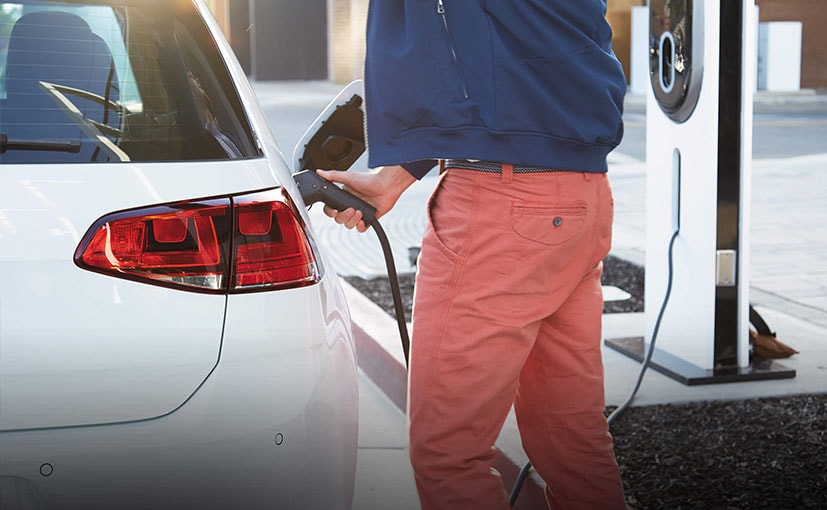
- Niti Aayog recommended lowering taxes and interest rates for loans on EVs
- The recommendations aim to electrify all vehicles in India by 2032
- India is also looking to cut its oil import bill to half by 2030
A draft of the 90-page blueprint, seen by Reuters, also suggests the government opens a battery plant by the end of 2018 and uses tax revenues from the sale of petrol and diesel vehicles to set up charging stations for electric vehicles.
The recommendations in a draft report by Niti Aayog, the planning body headed by Prime Minister Narendra Modi, are aimed at electrifying all vehicles in the country by 2032 and will likely shape a new mobility policy, said government and industry sources.
The report's focus solely on electric vehicles marks a shift away from the current policy that incentivises both hybrid vehicles - which combine fossil fuel and electric power - and electric cars, and is worrying some automakers.
"India's potential to create a new mobility paradigm that is shared, electric and connected could have a significant impact domestically and globally," said a draft version of the report, titled Transformative Mobility Solutions for India, which will be made public this week.
India's plan to leapfrog hybrid technology comes after China announced aggressive measures last year to push sales of plug-in vehicles including subsidies, research funding and rules designed to discourage fossil-fuel cars in big cities.
It would also mark a radical response by India as it looks to cut its oil import bill to half by 2030 and reduce emissions as part of its commitment to the Paris climate treaty.
Officials acknowledge the blueprint faces challenges. High battery costs would push up car prices and a lack of charging stations and other infrastructure means car makers, who have been consulted on the proposals ahead of publication, would hesitate to make the necessary investment in the technology.
"If we accelerate electric vehicle growth it will be a disruption for the auto sector and would require investment, but if we're not able to adapt quickly we risk being net importers of batteries," said a government source involved in the plans. "There has been resistance from car makers."
India's top-selling carmaker Maruti Suzuki has invested in so-called mild-hybrid technology, which makes less use of electric power than full hybrids, while Toyota Motor Corp sells its luxury hybrid Camry sedan in the country.
Mahindra & Mahindra is the only manufacturer of electric vehicles in India.
Shift In Policy
India, in 2015, launched a scheme called Faster Adoption and Manufacturing of Hybrid and Electric Vehicles under which it offered incentives for clean fuel technology cars to boost their sales to up to 7 million vehicles by 2020.
Despite incentives as high as 140,000 rupees ($2,175) on some cars the scheme has made little progress, with the sales of electric and hybrid cars making up only a fraction of the 3 million passenger vehicles sold in India in 2016.
The scheme, which expired on March 31, has now been extended by six months while future policy is worked out, two government officials said. Lack of clarity on policy risks delaying investment in the auto sector, one official added.
The new Niti Aayog report, co-produced with U.S. consultancy Rocky Mountain Institute, outlines a 15-year plan, broken into three phases starting in 2017.
"Limit registration of conventional vehicles through public lotteries and complement that with preferential registration for electric vehicles, similar to that in China," the report said, in one of its most radical proposals.
To kick-start the shift, the report suggests bulk procurement of electric vehicles, building standardized, swappable batteries for two- and three-wheelers to bring down their cost and having favorable tariff structures for charging cars.
"Prioritize battery and charging infrastructure development," the report states, while setting a 2018 goal for setting up a 250 megawatt per hour battery plant with an aim to reach one gigawatt of production by 2020.
It also recommends setting up battery swapping stations by 2018, common manufacturing facilities for components and increasing subsidies on all battery electric vehicles to bring them to cost parity with conventional models by 2025.
Other suggestions in the blueprint include incentivising the use of electric cars as taxis by lowering taxes, interest rates on loans for purchases and electricity tariffs for fleet operators, and lowering duties on makers of such fleet cars.
Puneet Gupta, South Asia manager at consultant IHS Markit, said the government would need to lead the change with generous incentives to achieve its goal.
"This is one of the most radical changes the government is talking about," said Gupta. "All cars being electric is a distant dream."
(Reporting by Aditi Shah; Editing by Euan Rocha and Alex Richardson)
(Except for the headline, this story has not been edited by NDTV staff and is published from a syndicated feed.)
Related News


Latest Cars


Upcoming Cars


Latest News


 car&bike Team | Jun 29, 2026Delhi EV Policy Approved: Electric Cars Under Rs 30 Lakh To Get Full Tax ExemptionThe new policy offers purchase incentives and scrappage benefits while laying down a roadmap for EV-only registrations across several vehicle segments, including two-wheelers from 2028.2 mins read
 car&bike Team | Jun 29, 2026New-Gen BMW X5 Teased Ahead Of Global Debut TomorrowThe teaser previews a fresh X-shaped lighting signature in a familiar illuminated grille setup.3 mins read
 car&bike Team | Jun 29, 2026Tata Sierra EV Launch Tomorrow: What To Expect?The Sierra EV is expected to share much of its package with the Harrier EV.3 mins read
 Jaiveer Mehra | Jun 28, 2026Nissan Tekton Spied Undisguised Ahead Of July 9 DebutSole image of the SUV showcases the rear design of the SUV.1 min read
 Carandbike Team | Jun 28, 2026Renault Kwid Facelift India Launch On July 3Latest facelift marks the second major update for the entry hatchback since its launch in 2015.1 min read
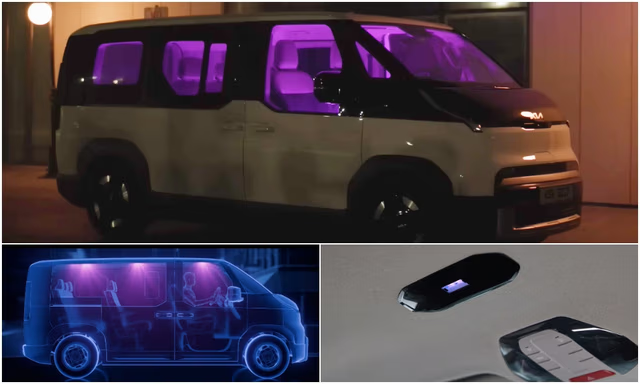 Amaan Ahmed | Jun 27, 2026Future Hyundai, Kia Cars May Feature In-Built UVC SanitiserHyundai Motor Group has unveiled 'Plasma Care UVC' technology, which utilises plasma lamps to safely and effectively destroy bacteria and viruses present inside a car.1 min read
 Seshan Vijayraghvan | Jun 29, 2026Renault Kiger vs Toyota Urban Cruiser Taisor: Which Underdog Deserves Your Money?Both the Kiger and the Taisor promise strong performance, solid features, comfortable cabins and everyday usability, all without breaking the bank. But which of these underrated subcompact SUVs deserves your money? Let's find out.1 min read
 Seshan Vijayraghvan | Jun 29, 2026Skoda Kodiaq RS Review: The Best Kodiaq Yet?The Skoda Kodiaq RS is finally here, and it's every bit as exciting as I expected. But was it worth the wait?7 mins read
 Bilal Firfiray | Jun 28, 2026BMW X6 M60i Review: It’s Back And HOW!The BMW X6 M60i blends a 530bhp twin-turbo V8, with its unmistakable coupe-SUV styling. There’s plenty of character, but is it worth your money?6 mins read
 Janak Sorap | Jun 25, 2026350cc Bajaj Dominar 400 Review: Same Character, Lower PriceA slightly lower displacement engine, a significantly lower price tag and nearly the same performance — the Bajaj Dominar 400 aims to be smarter rather than faster.6 mins read
 Preetam Bora | Jun 25, 20262026 Bajaj Pulsar NS400Z First Ride Review: Smaller Engine, But Should You Buy It?The Bajaj Pulsar NS400Z won our Two-Wheeler Upgrade of the Year. Then new tax slabs happened. Smaller engine, same badge – but does it still deliver?6 mins read