
India To Order Taxi Aggregators Like Uber, Ola To Go Electric By 2026: Report

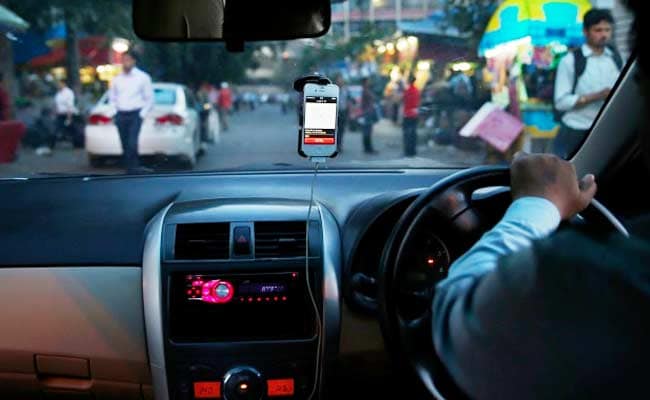
India plans to order taxi aggregators like Uber and Ola to convert 40% of their fleet of cars to electric by April 2026, according to a source and records of government meetings to discuss new rules for clean mobility. Uber and Ola, both backed by Softbank Group, would need to start converting their fleet as early as next year to achieve 2.5% electrification by 2021, 5% by 2022, 10% by 2023 before hiking it to 40%, according to the person and the records that have been reviewed by Reuters.
Some taxi players, like Ola, have previously tried to operate electric cars in the country, but with little success given inadequate infrastructure and high costs.
Also Read: Ola Aims To Deploy 10,000 Electric Two And Three-Wheelers In India By March 2020

Ola had previously tried to operate electric cars in the country with a pilot project in Nagpur, but was unsuccessful
New Delhi, however, is looking to push the new policy to boost the adoption of electric vehicles (EVs) as it tries to bring down its oil imports and curb pollution so it can meet its commitment as part of the 2015 Paris climate change treaty.
Indian think-tank Niti Aayog, chaired by Prime Minister Narendra Modi and which plays a crucial role in policymaking, is working with several ministries on the new policy.
Neighbouring China, home to the world's top auto market, is already leading the world in electrification by setting tough EV sales targets for car makers and offering incentives to taxi operators to increase their fleet of clean-fuel cars.
Also Read: Mahindra's Electric Vehicles Now Available On Uber In Hyderabad
EV sales in India grew three-fold to 3,600 in the year ended March but still account for about 0.1% of the 3.3 million diesel and gasoline cars sold in the country over the period, industry data showed. China's electric car sales, meanwhile, rose 62% in 2018 to 1.3 million vehicles.

EV sales in India grew three-fold to 3,600 in the year ended March
In a meeting in New Delhi on May 28, Niti Aayog officials and the ministries of road transport, power, renewable energy and steel, as well as the departments of heavy industries and trade, were among those recommending taxi operators in India gradually convert to electric.
They also recommended that all new cars sold for commercial use should only be electric from April 2026, a change that would also apply to Uber and Ola, said the person who has direct knowledge of the matter but spoke on condition of anonymity.
Motorcycles and scooters sold for commercial purposes, like food delivery or for use by e-commerce companies, will also need to be electric from April 2023, the person added.
India has seen a boom in food delivery apps like Zomato and Swiggy, which counts Naspers and Tencent as investors. Sales by e-commerce firms like Amazon.com and Walmart-owned Flipkart are also rising.
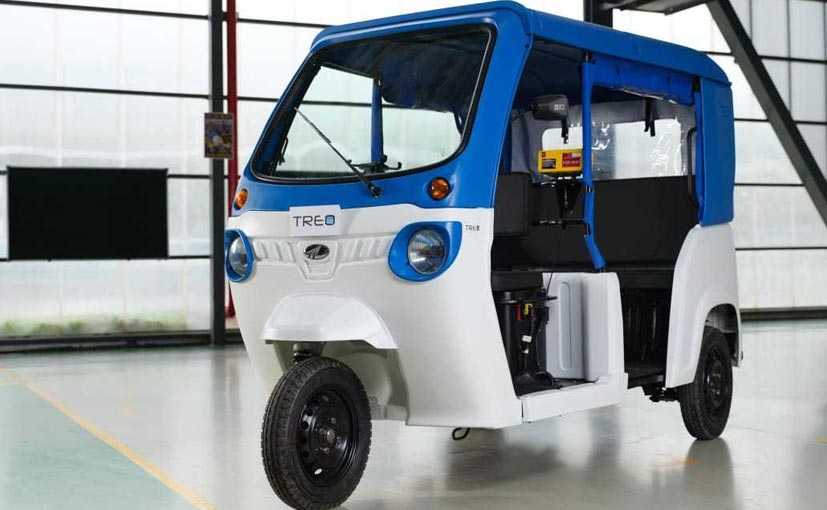
Mahindra launched its new electric three-wheeler Treo in India early this year
Also Read: Is India Ready To Go Fully Electric With Two And Three-Wheelers 2025 Onwards?
MOTORBIKES TOO
The EV proposal comes weeks after the inter-ministerial committee recommended electrifying most motorbikes and scooters for private use and all three-wheeled autorickshaws within the next six to eight years.
While there are several electric scooter manufacturers in the country including Ather Energy, Hero Electric and Okinawa, there are only two car makers that build and sell electric cars - Mahindra & Mahindra and Tata Motors.
Also Read: Will Banning Internal Combustion Engines Help the Case Of Electric Three-Wheelers?
Some taxi operators have so far had little success operating electric cars in India. Ola launched a pilot project in the central Indian city of Nagpur in 2017 but a year later drivers, unhappy with long wait times at charging stations and high operating expenses, wanted to return to gasoline cars.
Ola, however, is not giving up yet.
Its Ola Electric Mobility unit in March raised 4 billion rupees ($58 million) from investors including venture capital fund Tiger Global and Matrix Partners.
It also raised $300 million from Hyundai Motor and Kia Motors and formed a strategic partnership with the South Korean duo to help build India-specific EVs.
Modi's government in 2017 had set an ambitious target to electrify new cars and utility vehicles by 2030 but resistance from the industry forced it to scale back the plan.
Related News



Latest Cars


Upcoming Cars


Latest News


 Jafar Rizvi | Jul 4, 2026New-Gen Toyota Hilux India Launch On July 28The ninth-gen Hilux made its global debut in November 2025.2 mins read
 car&bike Team | Jul 4, 2026TVS Overtakes Hero, Honda In June 2026 Two-Wheeler SalesTVS Motor Company emerged as the biggest two-wheeler manufacturer among the three in June 2026, selling 5.65 lakh motorcycles and scooters during the month.2 mins read
 Jafar Rizvi | Jul 4, 2026Ferrari 12Cilindri Manuale Unveiled: The Gated Shifter Is Back, But Not Quite As You RememberFerrari has brought back the gated shifter and a proper three-pedal setup, but with a modern twist.3 mins read
 car&bike Team | Jul 3, 2026Yamaha R2 India Launch Expected in August 2026Like the Yamaha R15, the new R2 will be developed and manufactured in India and is expected to be powered by a 200 cc single-cylinder engine.1 min read
 Carandbike Team | Jul 3, 2026Tata Sierra ICE vs EV: What Are The Differences & Similarities?If you are looking to compare the Tata Sierra ICE and the newly launched Sierra EV in terms of design, features, powertrains, safety, pricing and key differences, look no further, as here’s everything you need to know about the two.1 min read
 car&bike Team | Jul 3, 2026Renault Kwid Prices Slashed: Fully-Loaded Climber MT Now Costs Rs 5 LakhRenault has updated the Kwid with a simpler two-variant line-up, revised prices and subtle styling tweaks.1 min read
 Seshan Vijayraghvan | Jun 29, 2026Renault Kiger vs Toyota Urban Cruiser Taisor: Which Underdog Deserves Your Money?Both the Kiger and the Taisor promise strong performance, solid features, comfortable cabins and everyday usability, all without breaking the bank. But which of these underrated subcompact SUVs deserves your money? Let's find out.1 min read
 Seshan Vijayraghvan | Jun 29, 2026Skoda Kodiaq RS Review: The Best Kodiaq Yet?The Skoda Kodiaq RS is finally here, and it's every bit as exciting as I expected. But was it worth the wait?7 mins read
 Bilal Firfiray | Jun 28, 2026BMW X6 M60i Review: It’s Back And HOW!The BMW X6 M60i blends a 530bhp twin-turbo V8, with its unmistakable coupe-SUV styling. There’s plenty of character, but is it worth your money?6 mins read
 Janak Sorap | Jun 25, 2026350cc Bajaj Dominar 400 Review: Same Character, Lower PriceA slightly lower displacement engine, a significantly lower price tag and nearly the same performance — the Bajaj Dominar 400 aims to be smarter rather than faster.6 mins read
 Preetam Bora | Jun 25, 20262026 Bajaj Pulsar NS400Z First Ride Review: Smaller Engine, But Should You Buy It?The Bajaj Pulsar NS400Z won our Two-Wheeler Upgrade of the Year. Then new tax slabs happened. Smaller engine, same badge – but does it still deliver?6 mins read