
The Hidden Costs Nobody Calculates Before Buying an SUV
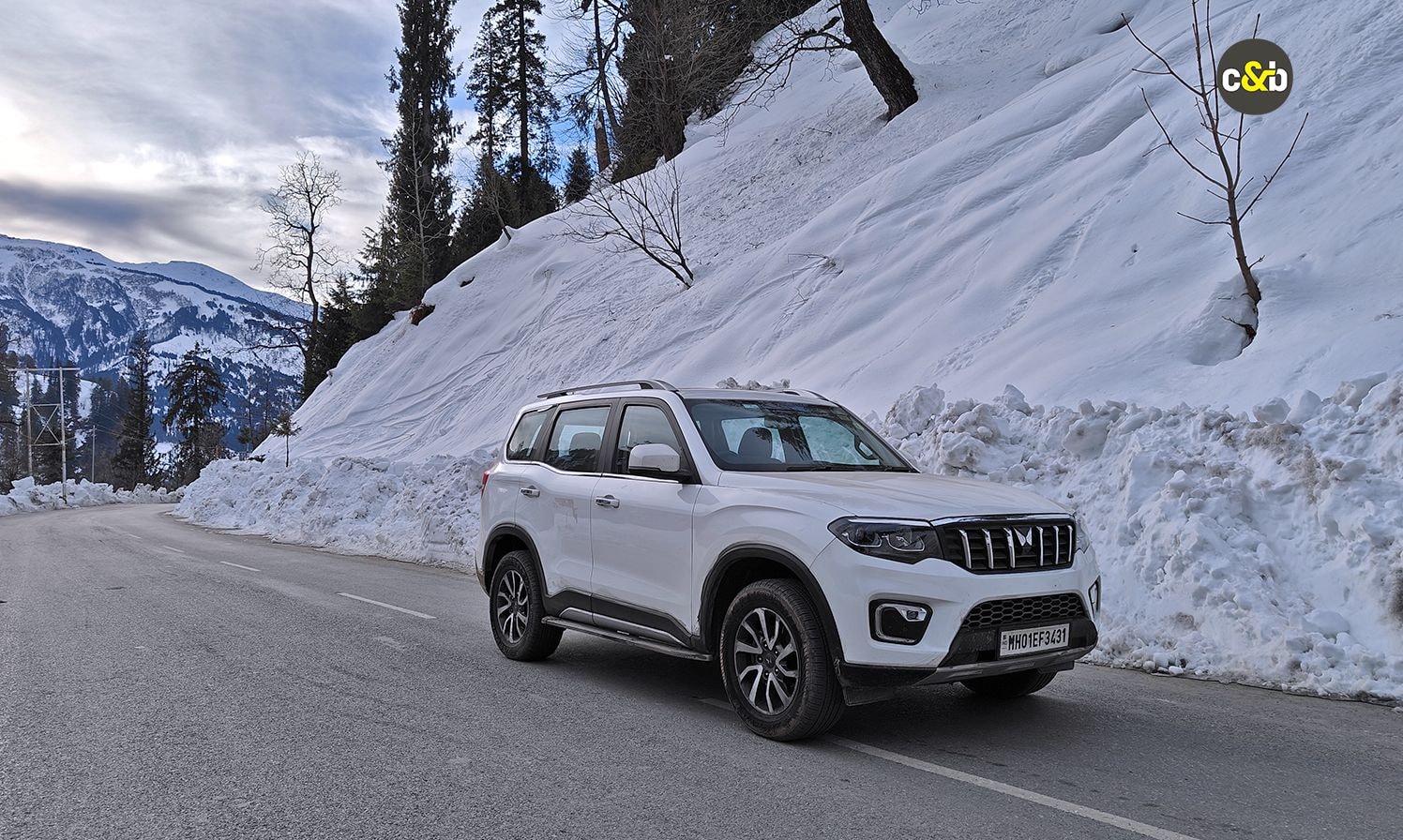
- Bigger tyres, higher fuel consumption and costlier insurance can increase long-term ownership costs
- Heavier SUVs generally put more strain on brakes and suspension components
- Looking beyond the purchase price helps you choose an SUV that truly fits your budget
SUVs have taken over Indian roads. Whether it's a compact crossover for city driving or a larger family SUV for weekend trips, buyers love the commanding driving position, extra ground clearance and strong road presence they offer.
Also Read: The Evolution of the Mahindra Scorpio
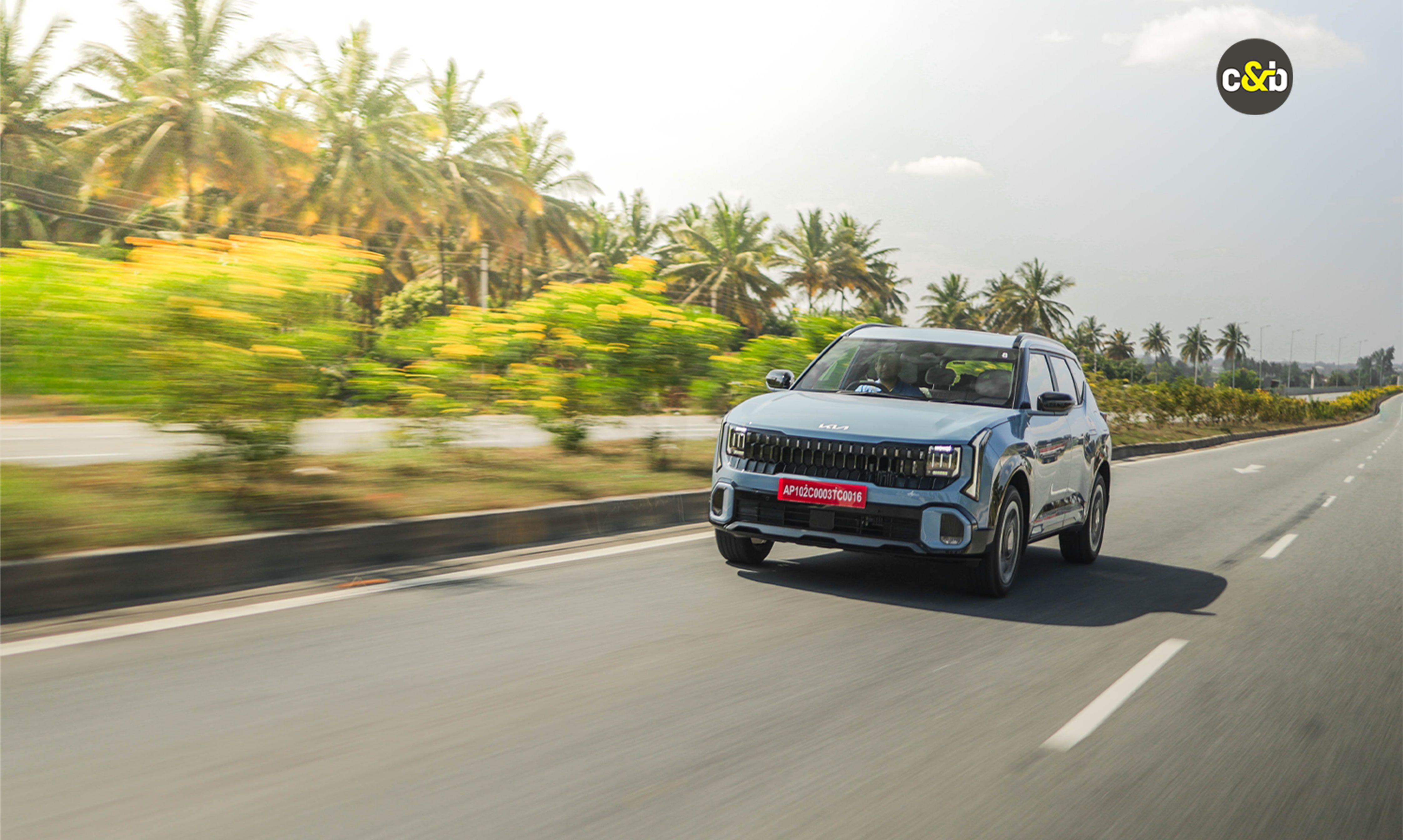
But there's one part of SUV ownership that rarely gets discussed during the buying process. Once the excitement of taking delivery wears off, the everyday running costs start becoming more noticeable. Bigger tyres, higher fuel bills, larger insurance premiums and costlier maintenance don't arrive all at once, but together they can make a significant difference over the years. Here are some of the hidden costs worth keeping in mind before buying an SUV.
Also Read: New-Gen Toyota Hilux Launch on July 28

Bigger Tyres Mean Bigger Replacement Bills
Most buyers admire the large alloy wheels fitted to modern SUVs. They certainly improve the stance of the vehicle, but replacing those tyres later can be expensive.
Compared to the tyres found on hatchbacks and sedans, SUV tyres are generally larger, wider and designed to carry more weight. Naturally, they cost more when the time comes for replacement.
A quality tyre for a hatchback may cost around Rs. 4,000-Rs. 5,500, while a single premium SUV tyre can cost anywhere between Rs. 9,000 and Rs. 16,000. Replacing all four tyres after 35,000-45,000 km could easily cost Rs. 40,000-Rs. 60,000 or more, depending on the vehicle.
Unlike fuel or servicing, tyre replacement usually arrives as one large expense. After a few years of ownership, replacing all four tyres can be one of the biggest maintenance bills you'll face.
Also Read: Vredestein Pinza HT & Ultrac Vorti Tyres Drive Experience
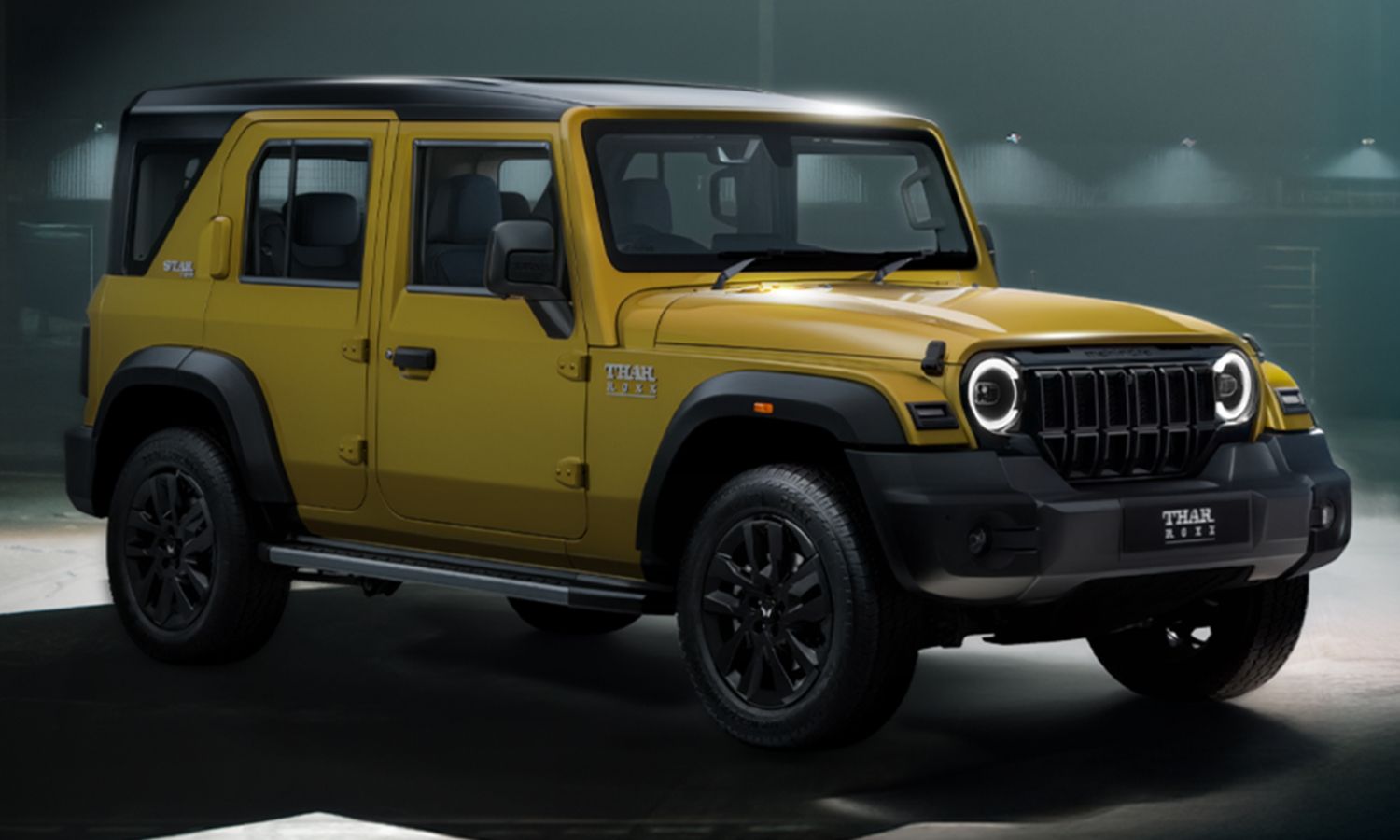
Higher Fuel Bills Become Part of Everyday Ownership
Fuel expenses don't always stand out during a short test drive, but they become much more noticeable once the SUV becomes your daily companion.
Also Read: Maruti Suzuki Victoris Prices Slashed By Rs. 39,000
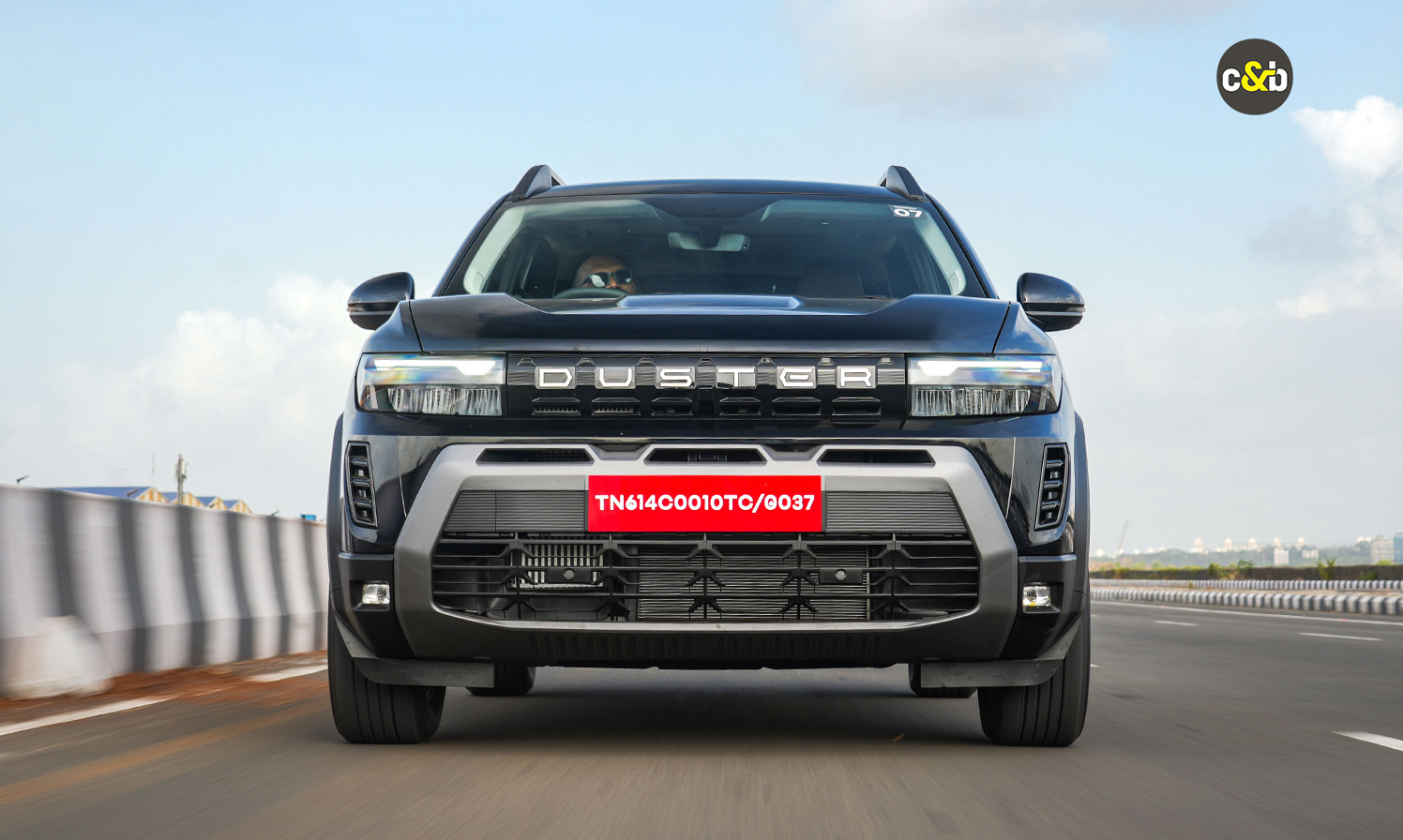
A larger body, higher ground clearance and additional weight mean the engine has more work to do, particularly in slow-moving city traffic. The taller shape of an SUV also creates more aerodynamic drag than a lower sedan or hatchback.
As a result, real-world fuel consumption is often higher than many buyers initially expect. Even a small drop in fuel efficiency can make a noticeable difference when you drive thousands of kilometres every year.
Also Read: Hyundai Creta Electric With Battery-As-A-Service Launched At Rs. 10.99 Lakh
Brakes and Suspension Work Harder
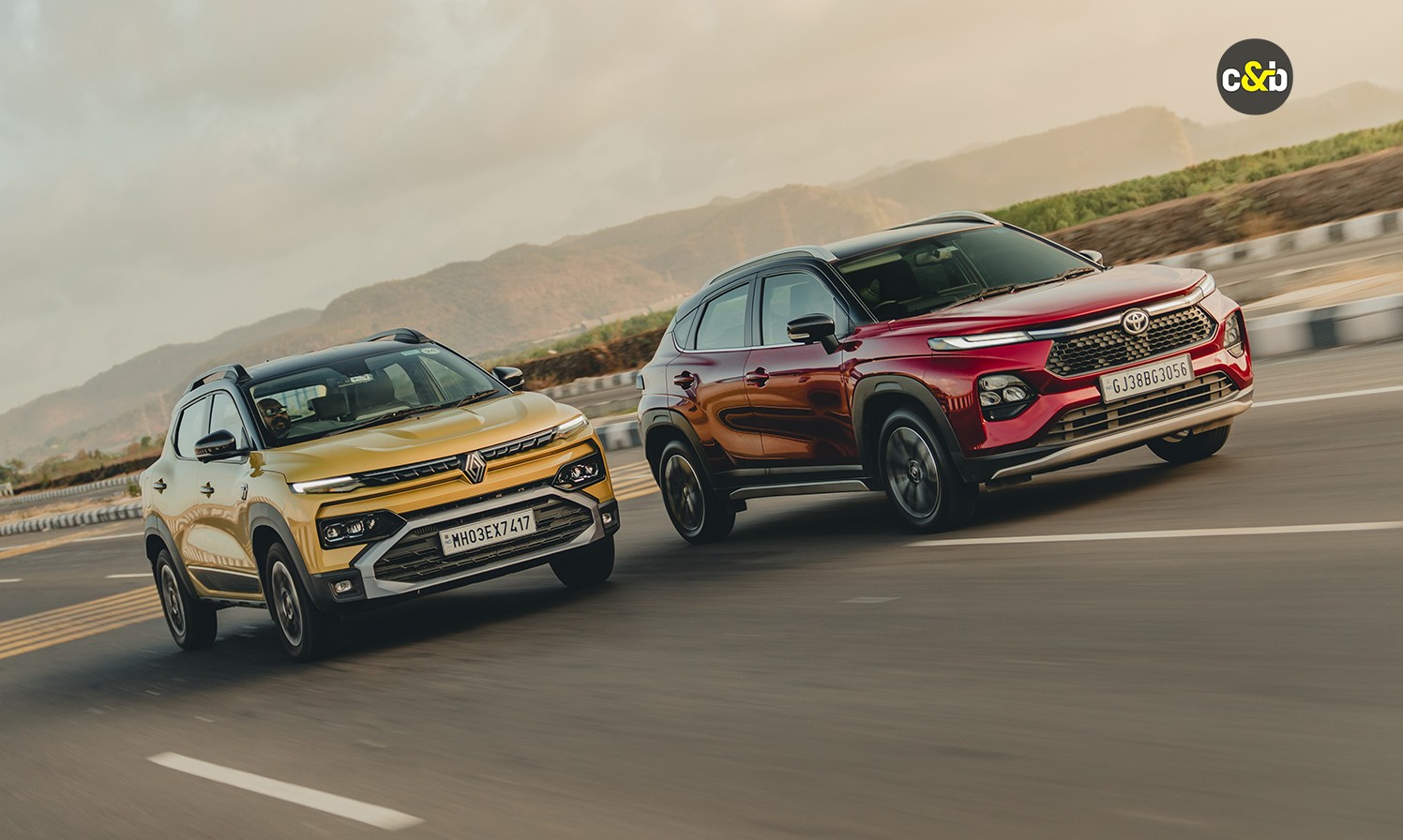
An SUV isn't just heavier while accelerating. It's also heavier when slowing down. Every time you brake, the braking system has to bring a much larger vehicle to a halt. Over time, this places greater demand on components such as brake pads and brake discs.
The suspension also has a tougher job. Indian roads are rarely smooth, and larger SUVs constantly absorb potholes, broken surfaces and speed breakers. That extra weight puts more stress on bushes, dampers, link rods and other suspension parts compared to smaller cars.
Insurance Premiums Can Be Higher
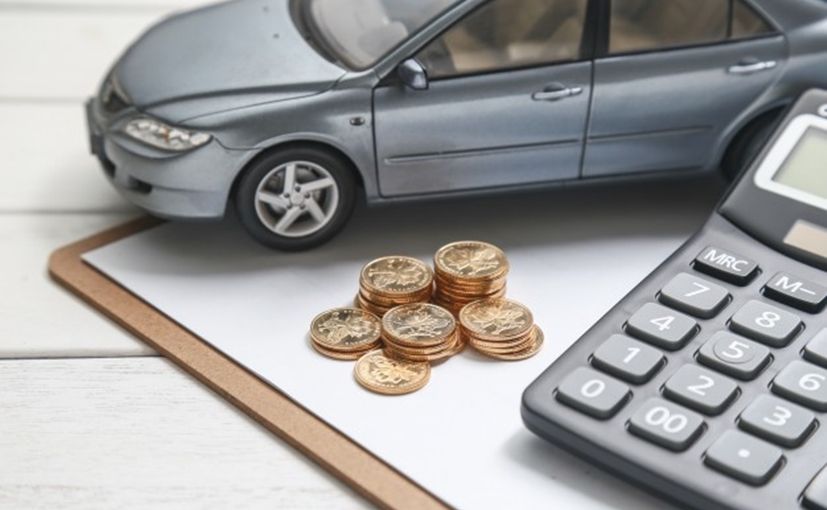
Insurance is another ownership expense that many buyers underestimate. Premiums are influenced by several factors, including repair costs, replacement parts and the overall complexity of the vehicle. SUVs often have larger body panels, bigger bumpers and more expensive exterior components, which generally cost more to repair after an accident. That usually translates into higher comprehensive insurance premiums throughout the ownership period.
Also Read: Is Zero Depreciation Cover in Car Insurance Worth It?
Washing and Detailing Can Cost More
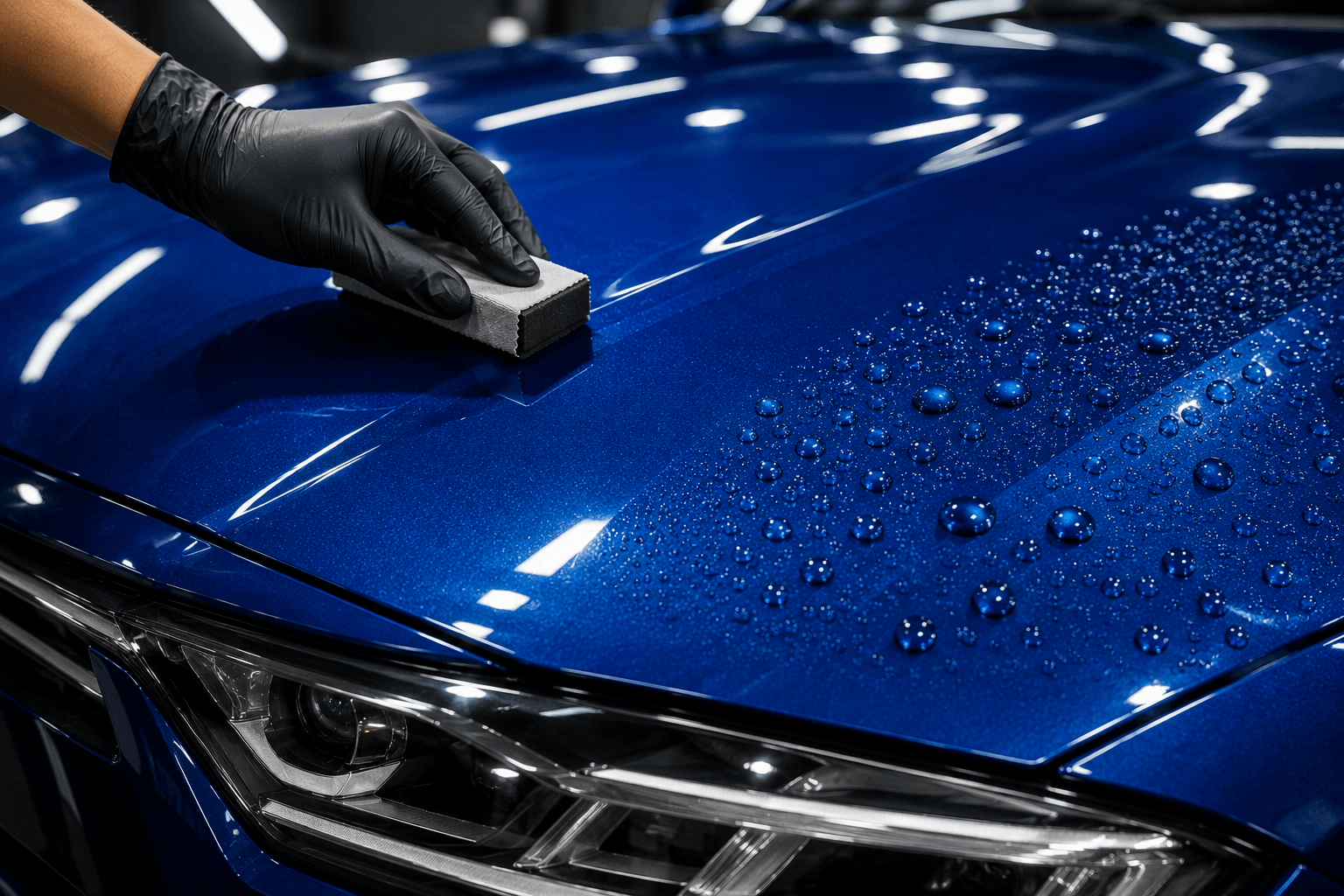
Keeping an SUV clean often costs a little extra too. Many detailing studios and automatic car washes charge separate rates for SUVs because they require more water, additional cleaning products and extra time to wash and dry. Individually these charges may not seem significant, but regular washing throughout the year slowly adds to your overall ownership expenses.
Also Read: How To Thoroughly Clean Your Car
Also Read: Tata Sierra EV vs ICE Differences Explained
Parking Can Be More Challenging
The benefits of a larger vehicle come with a trade-off. Parking an SUV in older apartment basements, crowded shopping centres or narrow city lanes often requires a little more patience than parking a hatchback.
The extra width and length can also increase the chances of minor scratches, bumper scuffs or alloy wheel damage while squeezing into tight spaces. These aren't major repairs, but they are common ownership costs many first-time SUV buyers don't think about.

Accessories Usually Cost More Too
Even personalising an SUV often costs more. Accessories such as floor mats, seat covers, roof carriers, window shades, mud flaps and boot liners are all designed for a larger vehicle, which naturally pushes up their prices.
Most buyers purchase at least a few accessories after taking delivery, making them another expense that's easy to overlook while budgeting.
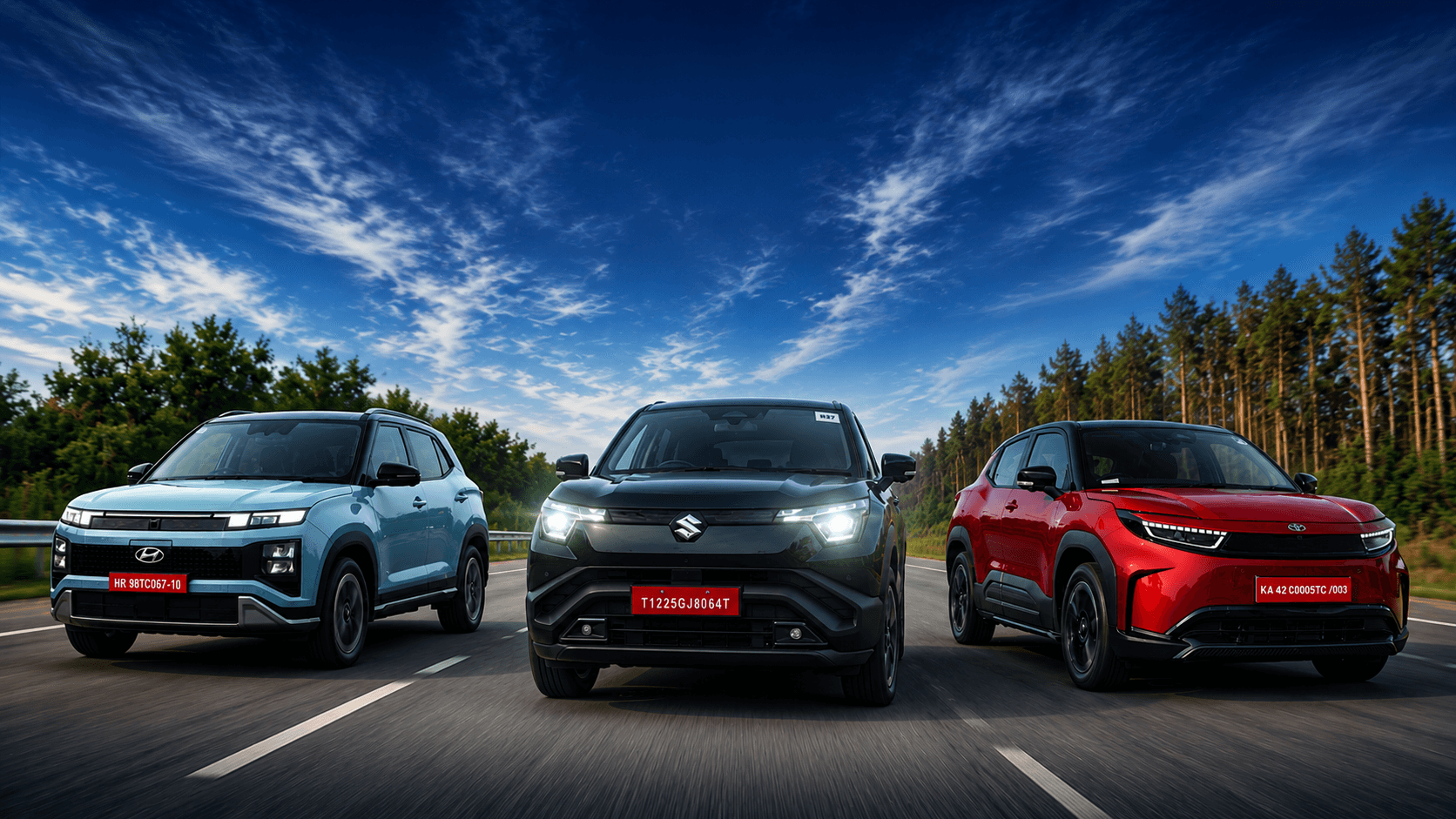
Should These Costs Stop You From Buying an SUV?
Not at all. SUVs remain an excellent choice for buyers who value higher seating, generous cabin space, improved ground clearance and a confident driving experience on Indian roads.
The key is simply knowing what comes after the purchase. If your driving needs genuinely suit an SUV, the additional ownership costs are often worth paying. The surprise only comes when buyers plan for the EMI but forget about everything that follows.
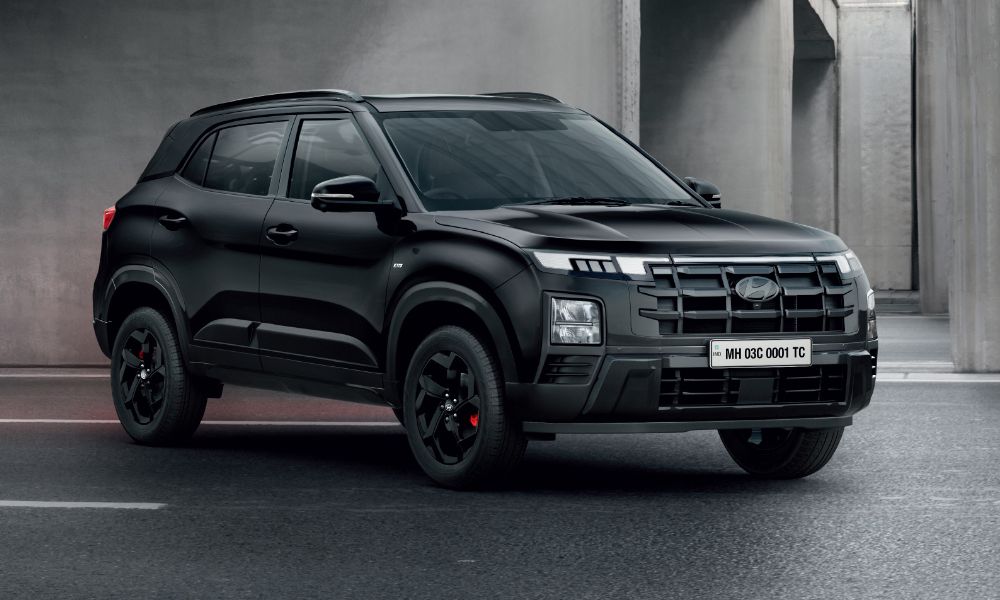
Things to Calculate Before Buying an SUV
Before making your final decision, it's worth estimating a few long-term ownership expenses as well.
Consider:
- Annual fuel expenses
- Future tyre replacement
- Insurance renewals
- Routine servicing
- Brake and suspension maintenance
- Washing and detailing costs
Looking at the complete ownership picture gives you a much clearer idea of what the SUV will actually cost over the years.
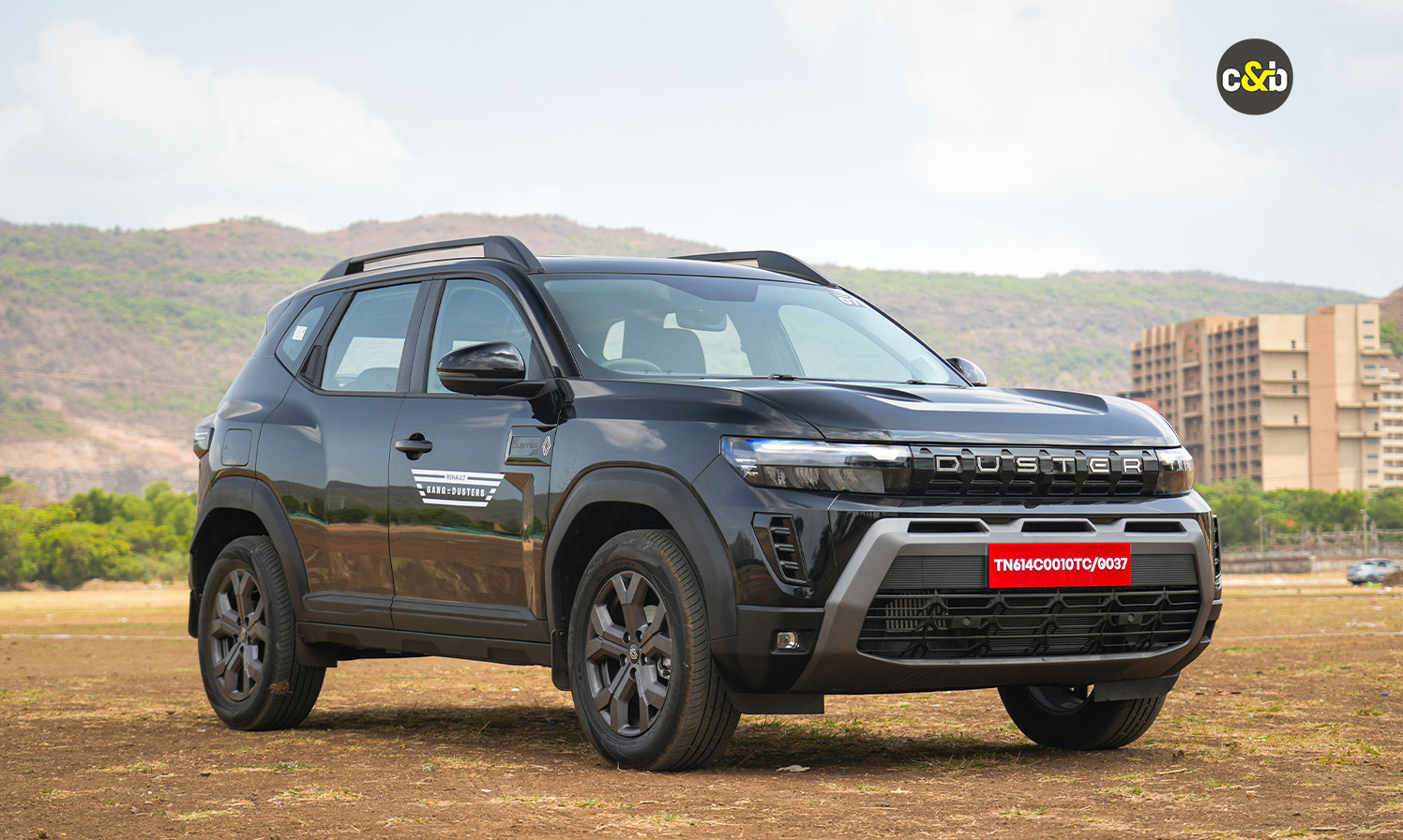
Looking Beyond the Purchase Price
The showroom price is only the starting point of SUV ownership. Every service visit, fuel stop, insurance renewal and tyre replacement adds to the overall cost of keeping the vehicle on the road.
That doesn't make SUVs expensive choices. It simply means they're bigger vehicles with bigger running costs. Going in with realistic expectations makes ownership far more enjoyable and helps you choose an SUV that fits both your lifestyle and your long-term budget.
Related News


Latest Cars


Upcoming Cars


Latest News


 Amaan Ahmed | Oct 12, 2026Hyundai Bayon SUV Revealed Ahead Of October 26 LaunchAt over 4.2 metres in length, the Bayon slots perfectly in between the Venue and Creta in Hyundai's lineup; interior mirrors that of new i20 hatchback unveiled overseas.1 min read
 Jaiveer Mehra | Oct 12, 2026BYD Sealion 7 Festive Edition Launched At Rs 50.60 LakhThe special edition Sealion 7 is limited to 150 units and gets a different interior colour scheme.1 min read
 Janak Sorap | Oct 12, 20262026 TVS Radeon Launched At Rs. 67,100; Gets LED Lighting And New ColoursTVS Motor Company has updated the Radeon commuter motorcycle for 2026 with LED lighting, revised graphics, and new colour options, while retaining it mechanically.1 min read
 Sarthak Mahajan | Oct 12, 2026Tata And Stellantis Team Up To Develop New Cars And Vehicle TechnologiesThe agreement aims to leverage Tata Motors’ vehicle architectures and technology capabilities to develop vehicles for more than 50 global markets.1 min read
 Janak Sorap | Oct 12, 2026Kawasaki Z300 Revealed In India; Bookings To Open On October 19Kawasaki has showcased the new Z300 in India, bringing a naked streetfighter based on the Ninja 300 platform to the entry-level end of its Z range.2 mins read
 Bilal Firfiray | Oct 12, 2026Renault E-Space Concept Showcases ‘How Cars Are For Living’“Voitures à vivre” is simple sentence in French which translates to ‘cars for living’ but showcases how simple improvements can make a car more useful. And the new E-Space Concept is a modern take on it.1 min read