
The Truth About Real-World EV Range in Indian Traffic Conditions
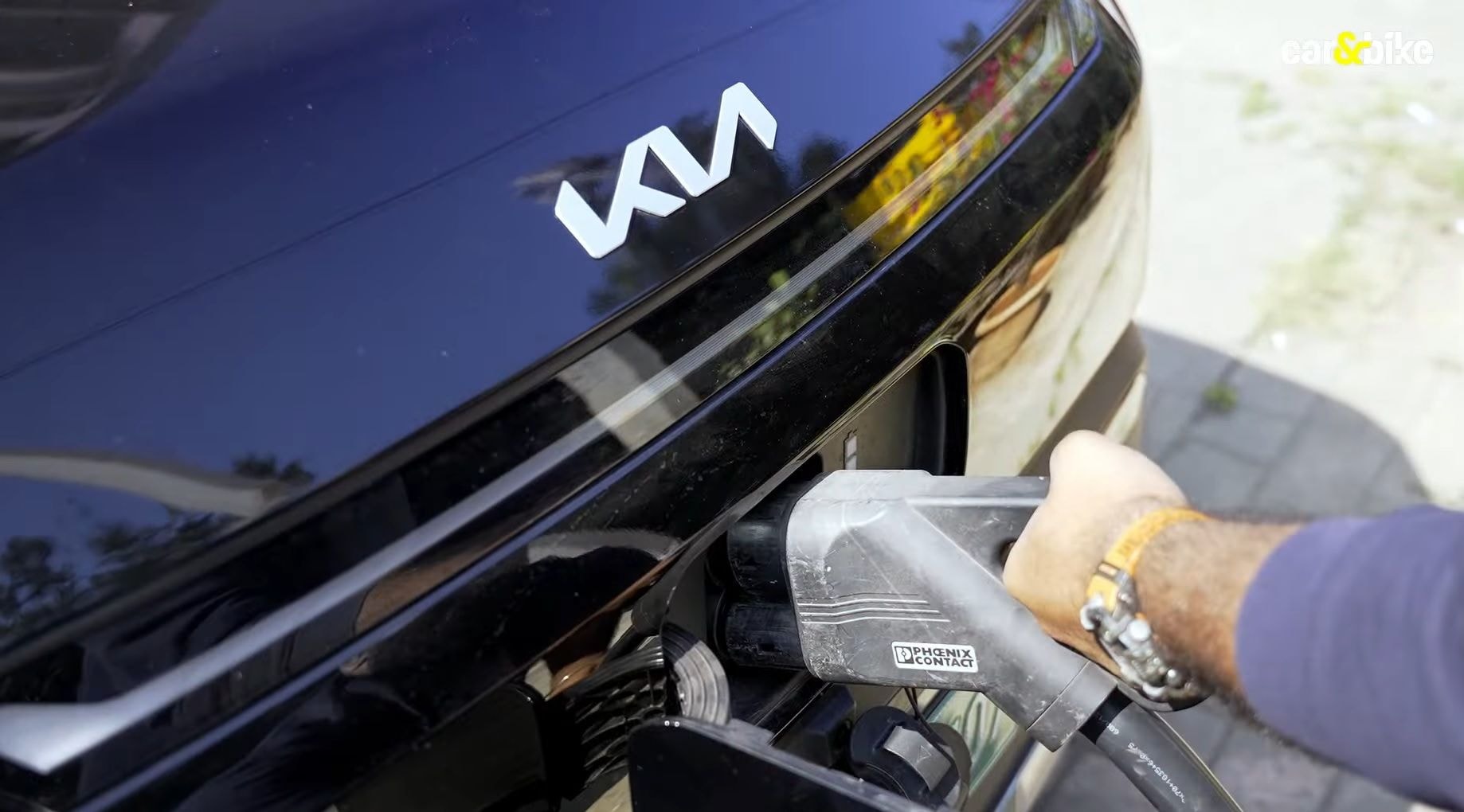
- Real-world EV range in India is often 5-20 per cent lower than the claimed figure
- Traffic conditions, weather, speed, and AC usage significantly affect battery efficiency
- Understanding the usable range helps buyers make more realistic EV purchase decisions
One of the biggest questions Indian car buyers still ask before considering an electric vehicle is: “How far will it actually go on a full charge?” Manufacturers usually advertise impressive range figures, with many modern EVs claiming anywhere between 300 km and 600 km on a single charge.
However, those numbers are achieved under controlled testing conditions that rarely reflect how most Indians drive. In reality, daily driving habits and road conditions can all have a noticeable impact on the range of the EV itself. That is why understanding real-world EV range is far more useful than focusing only on the number printed in the brochure.
Also Read: Electric Cars, SUVs On Sale In India With Three Rows Of Seats
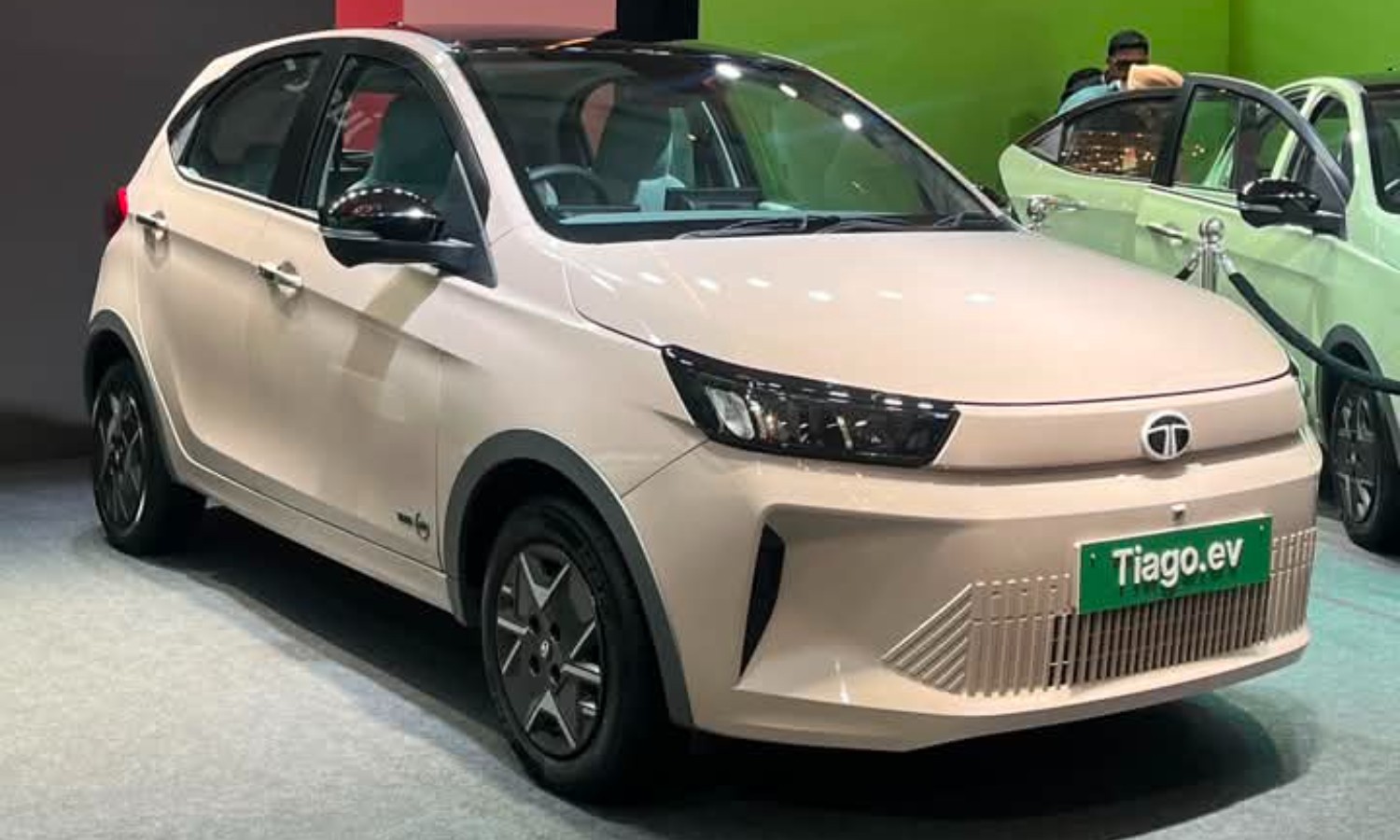
Most EVs wear an IDC or ARAI-certified range tag at launch, which is almost always significantly higher than the true real-world range.
Why Claimed Range and Real-World Range Are Different
Most EV range figures in India are based on standard testing cycles designed to compare vehicles under identical conditions. While these tests are useful for benchmarking, they cannot fully replicate real traffic, weather, or driving behaviour.
In everyday use, factors such as stop-and-go traffic, aggressive acceleration, air-conditioner usage, road gradients, passenger load, and ambient temperatures all influence battery consumption. As a result, most EV owners experience a lower range than the official figure.
| Claimed Range | Typical Real-World Range |
| 300 km | 210-255 km |
| 400 km | 280-340 km |
| 500 km | 350-425 km |
| 600 km | 420-510 km |
The exact difference varies depending on both the vehicle and the conditions in which it is driven.
Also Read: Top 7 Most Powerful Electric Cars In India Under Rs 30 Lakh: Performance Meets Electrification
The Biggest Factors That Affect EV Range in India
A few everyday conditions can make a bigger difference to EV range than most buyers expect.

Heavy traffic takes a toll on EV range.
Traffic Conditions
City traffic is a mixed bag for EVs. Frequent braking allows regenerative systems to recover some energy, but heavy congestion still increases power consumption through constant stop-start movement. Your daily commute can have a noticeable impact on range consistency.
Summer Heat
Indian summers are tough on batteries. When temperatures soar, EVs use additional energy to keep the battery and cabin cool. While modern thermal management systems help, drivers can still see a modest drop in efficiency during peak summer months.
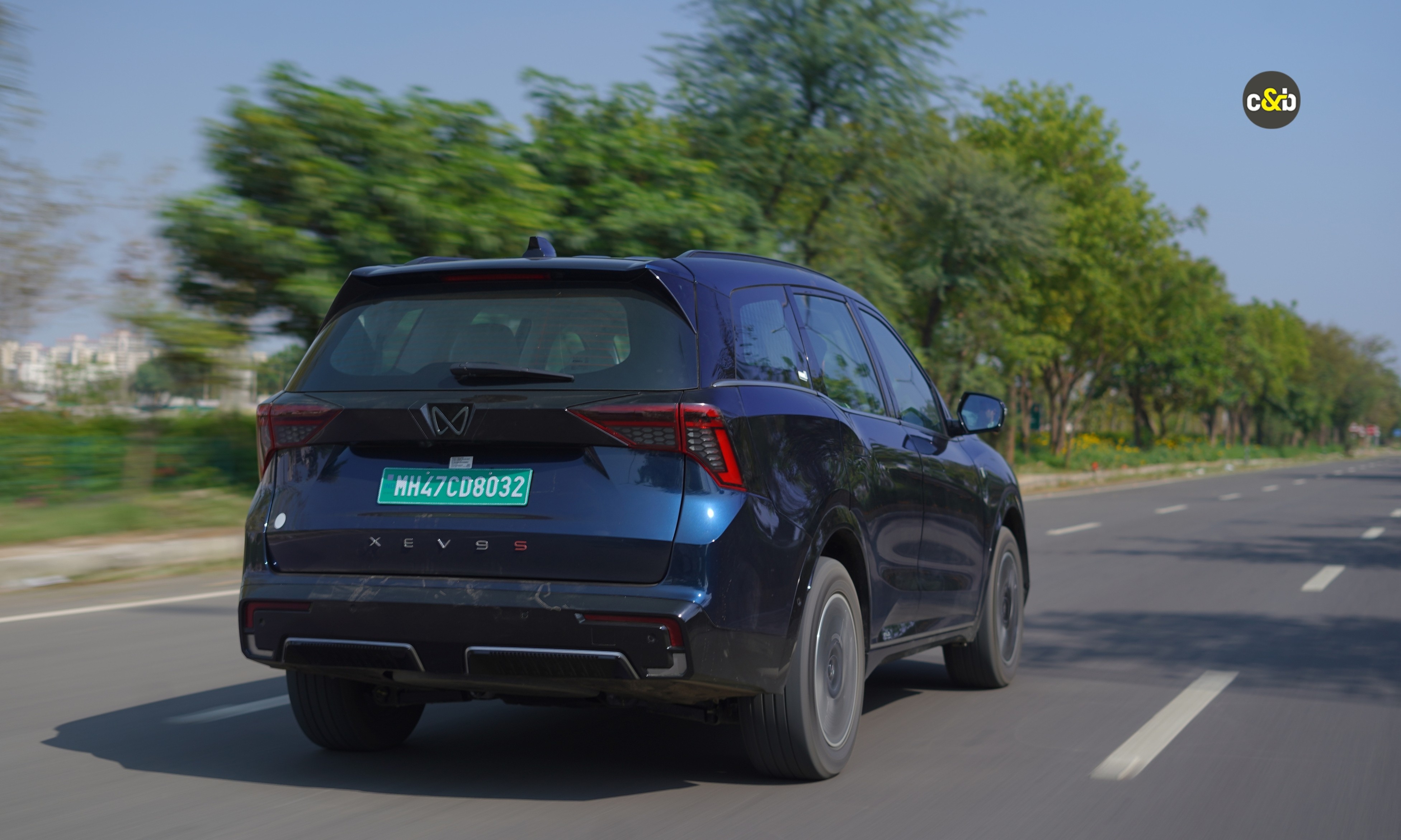
More energy is spent while driving on the highway.
Highway Driving
Highways are often where EVs lose range fastest. At higher speeds, aerodynamic drag increases significantly, and there is little opportunity for regenerative braking. As a result, an EV cruising at 100-120 kmph will usually consume energy faster than it would in city conditions.
Air Conditioner Usage
In much of India, driving without the AC is rarely realistic. Although modern climate-control systems are efficient, they still draw power from the battery. Depending on outside temperatures and vehicle size, continuous AC use can reduce range by around 5-10 per cent.
Why Driving Style Matters More Than Many Buyers Realise
Just as fuel economy varies between drivers in petrol and diesel cars, EV efficiency can vary considerably as well. Frequent hard acceleration, sudden braking, and high-speed driving increase energy consumption. Meanwhile, smoother inputs allow regenerative braking systems to work more effectively and reduce battery usage.
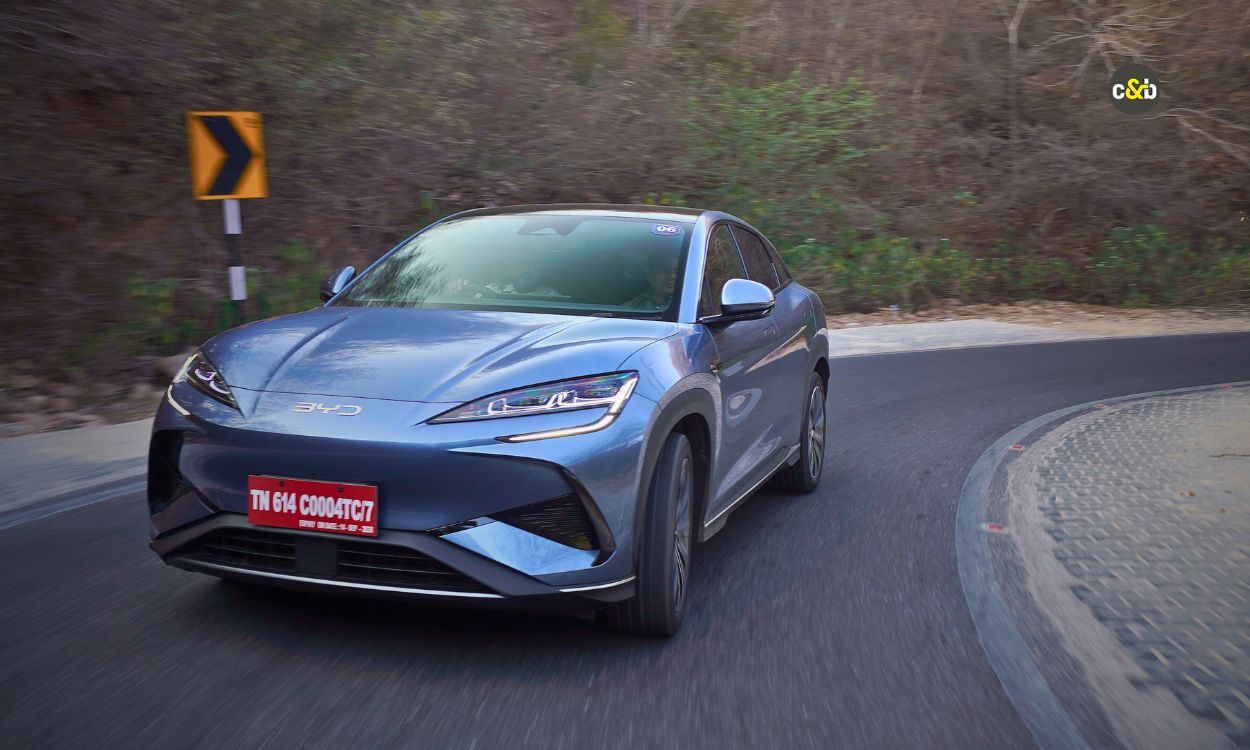
Aggressive driving styles will drain the battery quicker.
Many experienced EV owners report noticeable improvements in range simply by maintaining consistent speeds and using regenerative braking efficiently.
Understanding Usable Range Instead of Maximum Range
One mistake many buyers make is planning trips around the vehicle's theoretical maximum range. In practice, EV ownership becomes much easier when drivers focus on usable range rather than absolute range. Most owners prefer maintaining a safety buffer instead of regularly running the battery close to zero.
For example, an EV with a real-world range of 350 km may realistically provide around 280-300 km of comfortable usable range before most drivers start looking for a charger. Thinking this way creates more realistic expectations and reduces range anxiety significantly.
How Modern EVs Are Improving the Situation
Battery technology and energy management systems have improved rapidly over the last few years.
Newer EVs now feature:
- More efficient motors
- Better thermal management systems
- Improved regenerative braking
- Smarter route planning
- More accurate range prediction software
As charging infrastructure continues expanding across major highways and urban centres, buyers are also becoming less dependent on extracting every possible kilometre from a single charge.
This shift is making real-world EV ownership increasingly practical for a wider range of users.
So, What Range Should Indian Buyers Actually Look For?
For many urban households, a real-world range of 250-300 km may comfortably cover several days of commuting between charges. However, suitability depends on individual travel patterns, access to home or workplace charging, and whether the EV will also be used for longer intercity journeys.
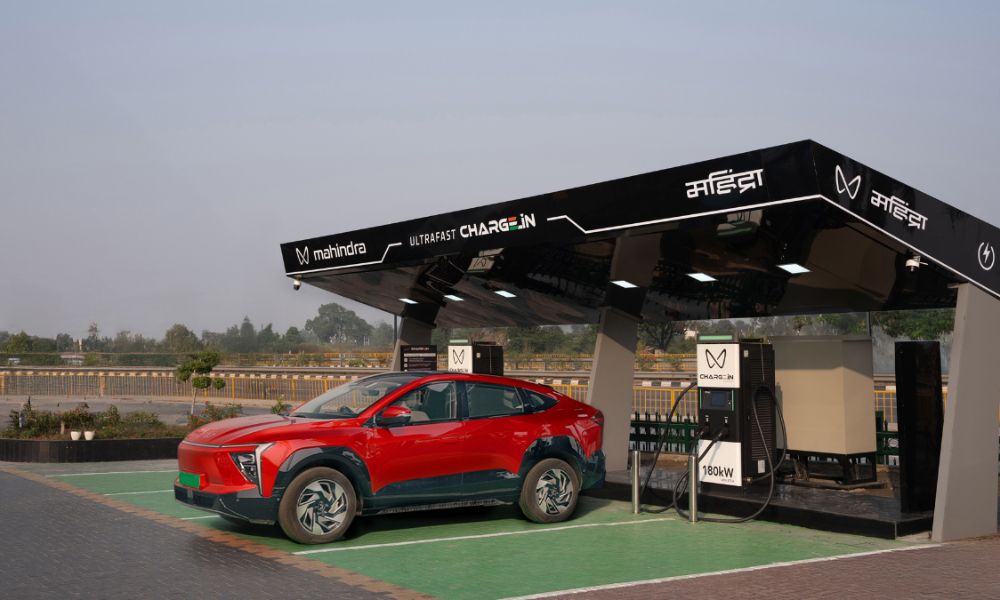
Understanding the EV's actual range helps better plan charging stops on long journeys.
Rather than focusing on the largest claimed number, it is usually more useful to understand how much range the vehicle delivers in conditions similar to your own driving environment.
Looking Beyond Claimed Range
The truth about EV range is that neither the brochure figure nor the worst-case estimate tells the full story. Real-world range depends on traffic, weather, speed, driving style, and vehicle efficiency. For most Indian buyers, the practical range available every day matters far more than the headline number used in advertisements. Understanding that difference helps set realistic expectations and makes choosing the right EV much easier.
Related News


Latest Cars


Upcoming Cars


Latest News


 car&bike Team | Oct 19, 2026MG Astor Discontinued In India; Replacement Likely In 2027The mid-size SUV averaged just 112 units in monthly sales over the past year, with MG reportedly developing a successor that could offer petrol, hybrid and electric powertrains.1 min read
 car&bike Team | Oct 19, 2026KTM Opens New Brazil Plant With Annual Capacity Of 20,000 MotorcyclesThe new Manaus facility will manufacture 10 KTM and Husqvarna models, with production expected to scale up through 2027.1 min read
 Jaiveer Mehra | Oct 18, 2026India-Spec Honda Rebel 300 Specifications RevealedThe Rebel 300’s 286 cc mill develops a peak 27.2 bhp and 24.5 Nm, with kerb weight hovering between 173 kg and 176 kg.1 min read
 Jaiveer Mehra | Oct 18, 2026New Hero Xtreme 160R 4V Variants ExplainedThe Xtreme 160R 4V is now available in three trim levels and gets updated styling and new features.1 min read
 Jafar Rizvi | Oct 17, 2026Honda CB500 Specifications Revealed: 189kg Weight, 27.7 Bhp OutputThe 501.7cc Honda thumper churns out over 43 Nm and gets Bluetooth connectivity with turn-by-turn navigation.2 mins read
 Jafar Rizvi | Oct 17, 2026Renault Duster Hybrid: Variants, Features, Prices ExplainedThe Duster Hybrid is offered in three variants: Evolution, Techno and Emotion.2 mins read