
Are Connected Car Features Actually Useful or Just Marketing Gimmicks?
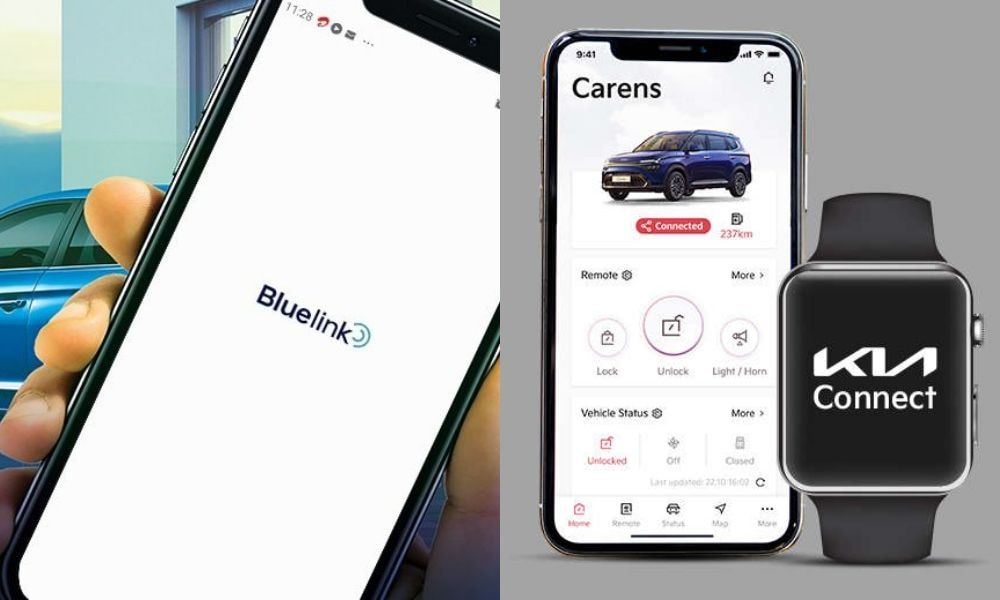
- Some connected features solve real ownership problems, especially in Indian conditions
- Vehicle tracking, remote monitoring, and safety alerts provide the most practical value
- Many app-based convenience features see low long-term usage despite heavy marketing
A few years ago, connected car technology was mostly limited to premium vehicles. Today, it is available across everything from hatchbacks to SUVs, with manufacturers heavily promoting features like smartphone apps, voice assistants, live vehicle tracking, remote controls, and over-the-air updates.
The problem is that not every connected feature delivers the same value in daily ownership. Some genuinely make life easier, while others often end up being used only once or twice before owners forget they exist. As connected technology becomes a major selling point in India, it is worth asking a simple question: are these features actually useful, or are they mostly marketing gimmicks?
Also Read: Bharat NCAP vs Global NCAP: What’s the Actual Difference?
What Exactly Is a Connected Car?
A connected car uses an embedded internet connection and telematics system to communicate with the owner's smartphone, manufacturer servers, and, in some cases, emergency services.

This allows owners to access vehicle information remotely through a mobile app. Depending on the manufacturer, connected features can include vehicle tracking, remote locking and unlocking, geofencing, vehicle health reports, live location sharing, remote climate control, voice commands, and software updates.
Brands like Hyundai, Kia, Tata Motors, Mahindra, JSW MG Motor India, Toyota, and others now offer connected technology across multiple segments.
Also Read: AMT vs CVT vs DCT vs Torque Converter: Which Automatic Gearbox Is Right for Your Driving Style?
The Features That Deliver Real Value
Not every connected feature is a gimmick. Some provide benefits that owners regularly use throughout the ownership cycle.
Vehicle Tracking and Live Location
For many Indian owners, this is one of the most useful connected features available. Being able to see the vehicle's real-time location helps when lending the car to family members, tracking drivers, locating a parked vehicle in crowded areas, or monitoring vehicle movement during long trips.

In theft situations, real-time vehicle location data can help owners and law enforcement agencies identify a vehicle's last known location more quickly.
Safety and Emergency Assistance
Several connected systems can automatically alert emergency contacts or support centres after a serious collision.
Some platforms also provide:
- SOS assistance
- roadside support requests
- emergency location sharing
- vehicle breakdown alerts
These features may not be used often, but they can become extremely valuable when needed.

Vehicle Health Monitoring
Modern connected systems can notify owners about:
- low battery voltage
- service requirements
- tyre pressure warnings
- diagnostic alerts
For owners who are not mechanically inclined, these notifications help identify potential problems before they become expensive repairs.
Geofencing and Driver Monitoring
Parents and business owners often find geofencing surprisingly useful. Owners can set a virtual boundary and receive alerts if the vehicle enters or exits a specified area. Speed alerts and driving behaviour reports can also help monitor inexperienced drivers or fleet vehicles.
Also Read: End-of-Life Vehicle Rules In India: What Happens To Old Diesel And Petrol Cars?
The Features Many Owners Rarely Use
While connected technology sounds impressive during showroom demonstrations, some features see very little real-world usage after the initial excitement wears off.
Remote Lock and Unlock
The ability to lock or unlock the car from a smartphone sounds useful, but most owners already carry the key fob with them. Unless someone frequently forgets to lock the vehicle or needs to grant temporary access remotely, usage tends to be limited.

Smartwatch Controls
Several manufacturers now allow owners to control certain functions through smartwatches. While technically impressive, most people simply use their phone or key instead. The convenience advantage is often too small to change daily behaviour.
Voice Assistants
Voice commands continue improving, but real-world usage remains mixed. Road noise, varying accents, and inconsistent recognition can make voice assistants less convenient than simply using physical controls or the touchscreen. For many owners, voice commands become more of a demonstration feature than a daily-use feature.
Vehicle Information Overload
Some apps provide extensive driving statistics, trip reports, efficiency charts, and behavioural analytics. Initially, owners may check these reports frequently. Over time, however, many users stop opening them unless there is a specific issue with the vehicle.
The Hidden Factor: Subscription Costs
One aspect many buyers overlook is that connected features are not always free forever.
Several manufacturers include connected services for a limited period before requiring a subscription renewal. Features that seem valuable during the purchase process may become less attractive once annual fees enter the equation.
Before treating connected technology as a major purchase factor, buyers should check:
- How long do services remain free
- Renewal costs
- Which features require active subscriptions
- Network coverage limitations
The long-term ownership experience can look very different from the showroom demonstration.
What Works Particularly Well in India?
Indian ownership conditions create some situations where connected features become genuinely useful. Heavy traffic, shared family vehicles, chauffeur-driven cars, and rising vehicle theft concerns make features like:
- Live tracking
- Geofencing
- Remote alerts
- Service reminders
- Emergency assistance
More relevant than they might be in some international markets. Similarly, over-the-air software updates can save owners trips to service centres for minor software fixes and feature improvements.
So, Are Connected Car Features Worth It?
The answer depends on which features you are evaluating. Vehicle tracking, safety alerts, geofencing, health monitoring, and emergency assistance provide practical benefits that many owners continue using for years. These features solve real problems and can improve convenience, safety, and peace of mind.
On the other hand, features like smartwatch controls, complex analytics dashboards, and certain voice assistant functions often generate more showroom excitement than long-term value. Connected car technology is neither entirely useful nor entirely a gimmick. The genuinely valuable features tend to be the ones that save time, improve safety, or help owners manage their vehicles more effectively. Everything else largely depends on how much technology you realistically use after the novelty wears off.
Related News


Latest Cars


Upcoming Cars


Latest News


 car&bike Team | Oct 22, 2026Benelli TRK 552, TRK 552X Launched in India; Prices Start at Rs. 7.22 LakhThe Benelli TRK 552 is the successor to the TRK 502 adventure tourer and gets a bigger 554 cc, parallel-twin engine, more tech and the TRK 552 X gets tubeless wire spoke wheels.1 min read
 Sarthak Mahajan | Oct 22, 2026Ultraviolette X47 Venom Launched At Rs 2.65 LakhThe electric motorcycle claims a 0-100 km/h acceleration time of 5.9 seconds and introduces the company’s VX-100 platform, featuring an in-house motor controller and an updated battery system.1 min read
 car&bike Team | Oct 22, 2026Mahindra Bolero Bold Edition Returns For 2026 Festive SeasonThe 2026 Bolero Bold Edition gets bronze commetic accents and some additional kit over the standard SUV.1 min read
 car&bike Team | Oct 22, 20262026 Ducati Hypermotard V2, V2 SP Launched in IndiaThe base V2 variant is priced at Rs. 16.53 lakh (Ex-showroom) while the top-spec Hypermotard V2 SP is priced at Rs. 20.78 lakh (Ex-showroom).1 min read
 Sarthak Mahajan | Oct 22, 2026Navratri 2026 Vehicle Retail Sales Fall 6.52 Per Cent, EV Sales Rise 26.78 Per Cent : FADATotal vehicle retail sales stood at 11.23 lakh units over 10 days, while electric vehicle sales increased to 1.17 lakh units.1 min read
 car&bike Team | Oct 22, 2026New Maruti Swift vs 2-Year-Old Swift: Is Buying Used Actually Cheaper?Is buying a two-year-old Swift actually cheaper than driving home a brand-new one in 2026? Let’s find out.1 min read