
AWD vs 4x4: Which Setup Actually Matters For Indian Buyers?
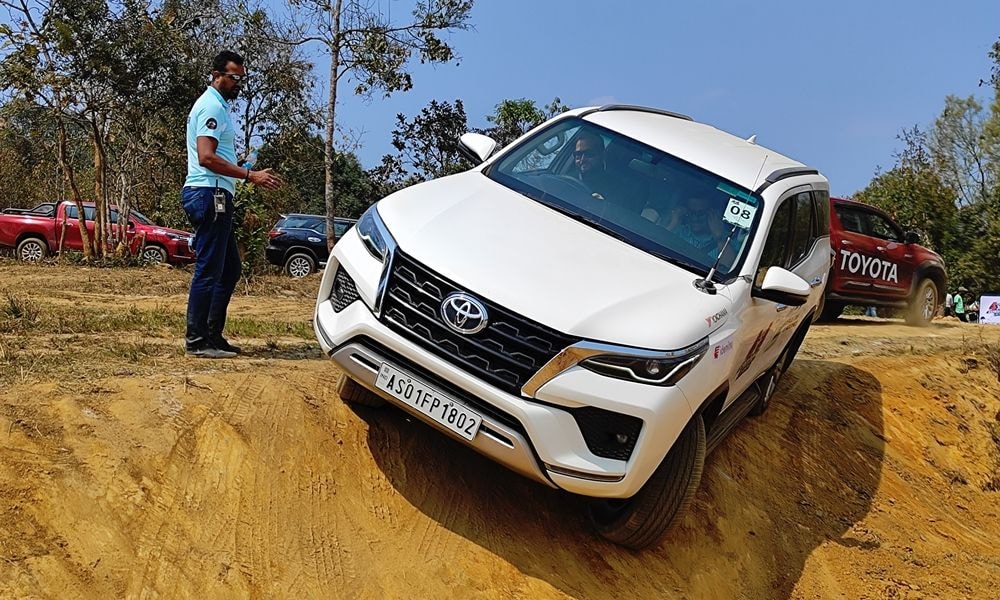
- AWD improves grip automatically and is ideal for everyday road driving
- 4x4 is designed for serious off-road conditions such as mud, sand and rocky trails
- Choosing the right system depends on where you drive, not just the badge on the tailgate
Walk into any SUV showroom today and you will probably come across terms like AWD, 4x4 or 4WD. To most buyers, they all sound like the same thing. After all, both send power to all four wheels. But that's where the similarity ends.
An AWD system is designed to improve grip and stability on normal roads, particularly when the surface becomes slippery. A 4x4 system is built for situations where the road almost disappears altogether, such as deep mud, loose sand, steep climbs or rocky trails. Understanding the difference before buying can save you money and help you avoid paying for capability you'll rarely use.
AWD vs 4x4: What's the Difference?
Although both systems can drive all four wheels, they do it in very different ways.
AWD (All-Wheel Drive) works automatically. The car constantly monitors wheel grip and sends power to the wheels that need it most. The driver does not have to press any buttons or change any settings.
Also Read: Panoramic Sunroof vs Regular Sunroof: Understanding the Practical Difference

4x4 (Four-Wheel Drive) usually requires the driver to switch between different drive modes depending on the terrain. It is built to handle much tougher conditions where maximum traction is needed.
In simple terms:
| AWD | 4x4 |
| Works automatically | Driver usually selects the mode |
| Best for roads and highways | Best for challenging off-road terrain |
| Improves grip during rain and slippery conditions | Built for mud, rocks, sand and steep climbs |
| No extra effort from the driver | Requires the correct mode for different conditions |
How Does AWD Work?
AWD is designed to make everyday driving safer and easier. Most of the time, the system sends power to the wheels that can move the vehicle most efficiently. If one or more wheels begin to lose grip, the system quickly redirects power to the wheels with better traction.
The entire process happens automatically within fractions of a second. Most drivers won't even realise the system is working.
This makes AWD especially useful when driving through:
- Heavy rain
- Wet highways
- Loose gravel roads
- Hill stations
- Slippery corners
Because the system is always working in the background, you don't have to think about when to switch it on or off.
Also Read: New Maruti Suzuki Swift vs Hyundai i20: Which Hatchback Holds Better Resale Value After Three Years?
Popular AWD SUVs (higher variants) in India include:
- Maruti Suzuki Grand Vitara AWD
- Toyota Urban Cruiser Hyryder AWD
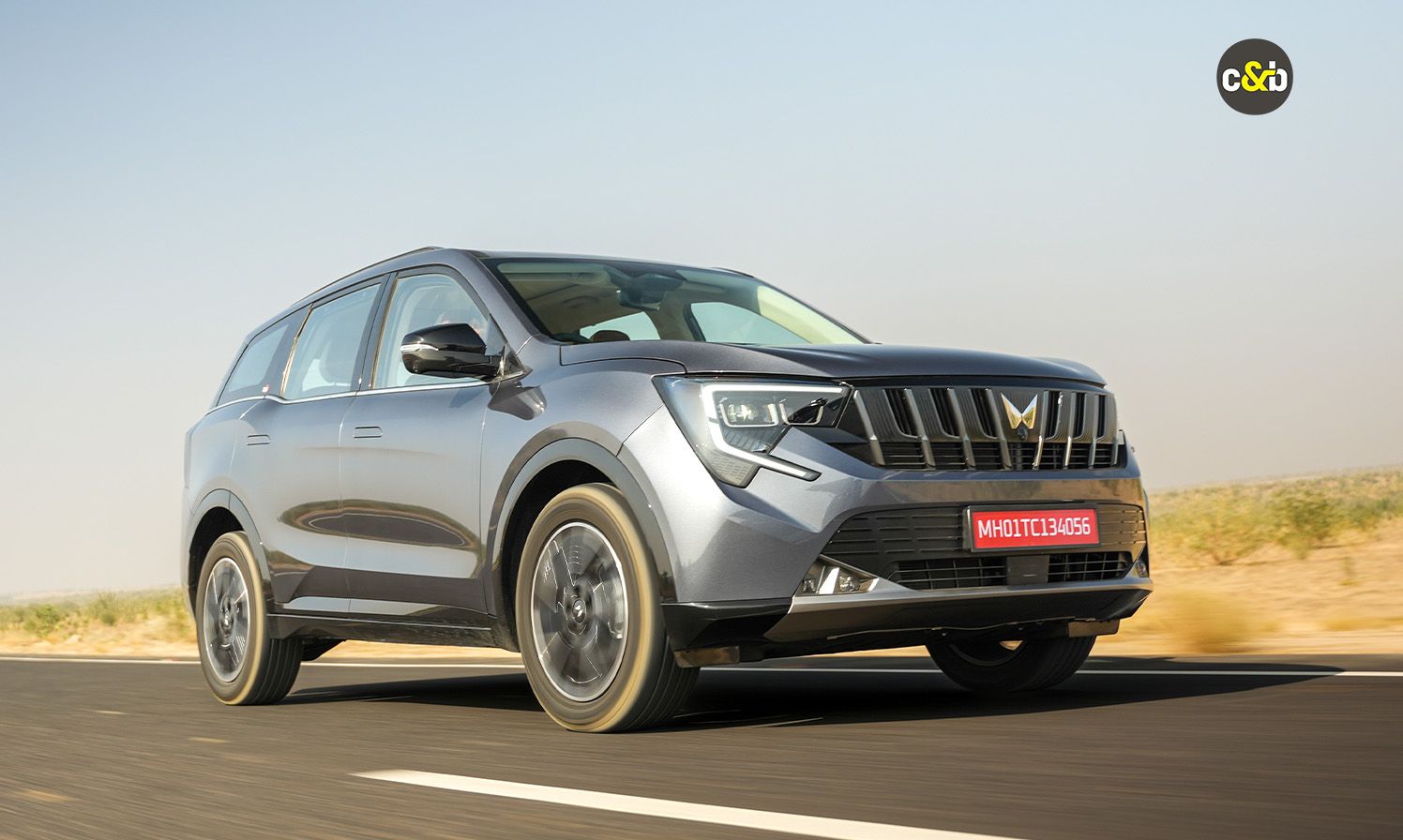
- Mahindra XUV7XO AWD
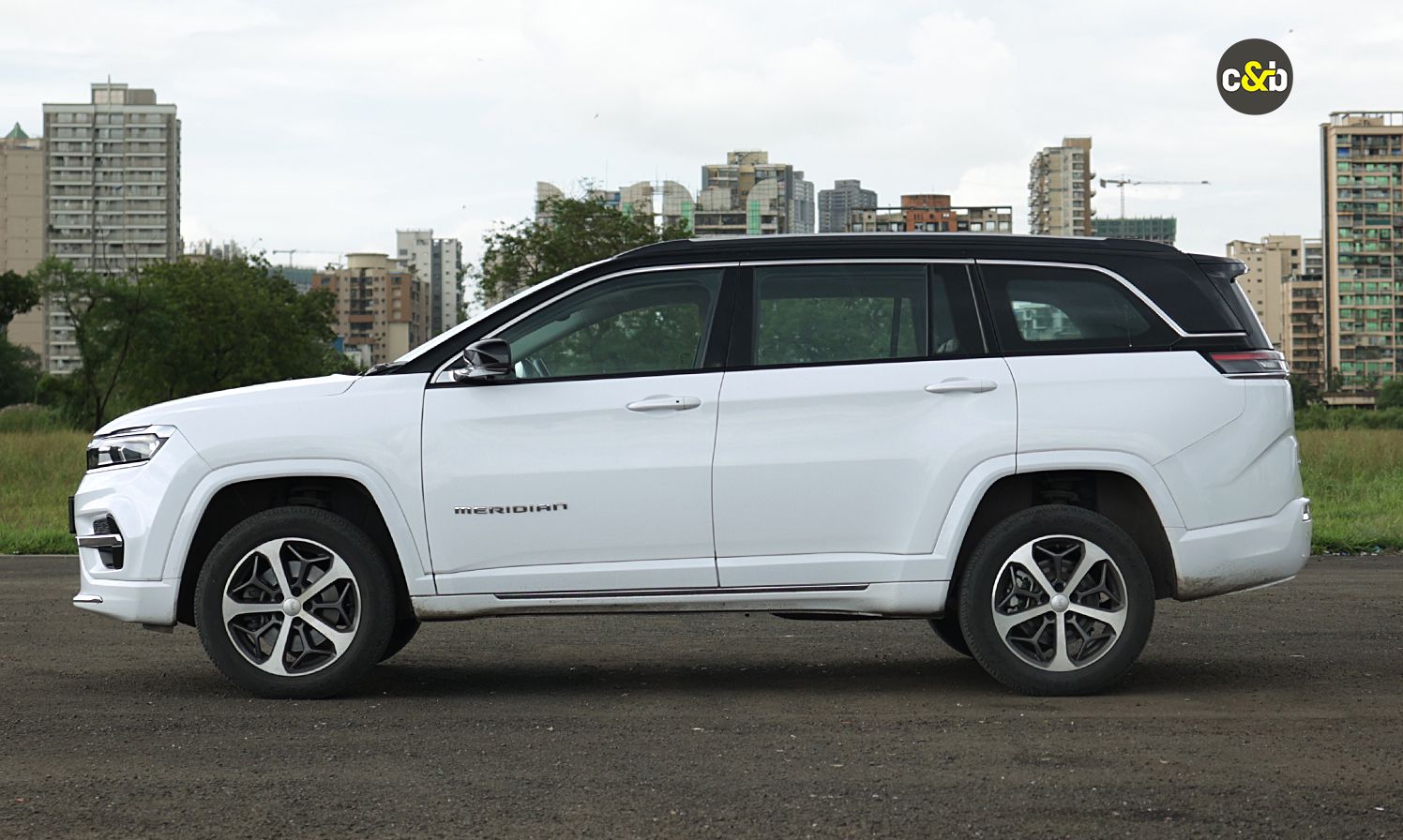
- Jeep Meridian
How Does 4x4 Work?

A traditional 4x4 system is built with a completely different purpose. Unlike AWD, most 4x4 vehicles normally drive using two wheels during regular road driving. When the terrain becomes difficult, the driver can manually engage four-wheel drive.
Most 4x4 vehicles offer three drive modes:
2H (Two-Wheel Drive High): This is the mode used for everyday driving on normal roads.
4H (Four-Wheel Drive High): This sends power to both axles and is useful on slippery surfaces such as mud, snow, sand or loose gravel where additional traction is needed.
4L (Four-Wheel Drive Low): This is designed for extremely challenging terrain. It increases the torque delivered to the wheels, helping the vehicle crawl over large rocks, climb steep slopes or get through deep mud at very low speeds.
You'll typically find these systems on SUVs such as:
- Mahindra Thar
- Mahindra Thar Roxx
- Mahindra Scorpio-N 4XPLOR
- Force Gurkha
These vehicles are built for conditions where an ordinary road-focused SUV may struggle.
Can You Use 4x4 All the Time?

This is one of the biggest misconceptions among SUV buyers. Most part-time 4x4 systems are not designed to stay engaged on normal dry roads.
When you are turning, the front and rear wheels naturally travel different distances. AWD systems allow for this automatically. A traditional part-time 4x4 locks the front and rear axles together, which works brilliantly off-road but can place unnecessary stress on the drivetrain if used on dry tarmac.
That is why manufacturers recommend using 2H for everyday driving and engaging 4H or 4L only when extra traction is actually needed. Modern full-time 4x4 systems found on some premium SUVs work differently, but most body-on-frame SUVs sold in India use part-time 4x4 systems.
Also Read: 5 Best Discontinued Cars You Can Still Buy Used In India
Where AWD Makes the Most Sense
For most Indian buyers, AWD is the more practical option because it improves confidence in situations you are more likely to encounter.
AWD is especially useful if you regularly drive through:
- Heavy monsoon rain
- Wet highways
- Hill stations like Ooty, Munnar or Mussoorie
- Loose gravel roads
- Occasional broken village roads
Because the system reacts automatically, you can simply focus on driving while the vehicle manages the available grip in the background.
That said, AWD is not designed to replace a proper off-roader. If all four wheels lose traction in deep mud or soft sand, even an AWD system can struggle.
When Does a 4x4 Become Worth It?

A 4x4 starts to make sense when your journeys regularly take you well beyond normal roads.
If your driving includes:
- Off-road trails
- Deep mud
- Loose sand
- Rocky terrain
- Water crossings
- Snow-covered roads
- High-altitude routes like Ladakh or Spiti
then a proper 4x4 offers capabilities that an AWD system simply cannot match.
The biggest advantage comes from 4L (Low Range), which gives the vehicle much better control at low speeds and helps it climb steep slopes or crawl over obstacles without putting excessive strain on the engine. For someone who frequently ventures off the beaten path, it can make all the difference.
Also Read: Mahindra XUV Through the Years: From the XUV500 to the XUV700 and XUV 7XO
AWD vs 4x4: A Quick Comparison
Here is a quick look at how the two systems compare.
| Feature | AWD | 4x4 |
| Everyday city driving | Excellent | Good |
| Highway driving | Excellent | Excellent (in 2H mode) |
| Wet roads | Excellent | Very good |
| Hill roads | Excellent | Excellent |
| Deep mud and sand | Limited | Excellent |
| Rocky trails | Limited | Excellent |
| Works automatically | Yes | No (on most systems) |
| Low-range gearbox | No | Yes |
| Best suited for | Daily driving and touring | Serious off-roading |
Common Myths About AWD and 4x4
Myth: AWD and 4x4 are exactly the same.
They are not. While both can send power to all four wheels, AWD is designed for better grip on roads, whereas 4x4 is built for difficult off-road conditions.
Myth: A 4x4 is always safer than AWD.
Not necessarily. Both systems improve traction, but neither can overcome the laws of physics. They cannot shorten braking distances on their own or prevent accidents caused by excessive speed. Safe driving remains the biggest safety feature in any vehicle.
Which Drivetrain Is Right for You?
The right choice depends on how and where you drive.
Choose AWD if you:
- Mostly drive in cities and on highways
- Frequently travel during the monsoon
- Visit hill stations regularly
- Want extra grip without doing anything manually
- Rarely drive off-road
Choose 4x4 if you:
- Regularly explore off-road trails
- Drive through mud, sand or rocky terrain
- Travel to remote mountain regions
- Need maximum traction in challenging conditions
- Want a vehicle built for serious adventure driving
Buying a 4x4 simply because it sounds more capable is not always the smartest decision. Likewise, assuming AWD can handle every off-road situation can leave you disappointed when the terrain gets tougher.
Also Read: How To Check If Your Existing Vehicle Is 100% Compatible With E10, E20, Or E85 Blended Petrol

Choosing the Right System for Your Driving
AWD and 4x4 are both excellent technologies, but they solve different problems. For most Indian buyers, an AWD system offers more everyday benefits by improving grip on wet roads, highways and occasional rough patches without any driver input. It's a great fit for daily commuting, long road trips and family travel.
A 4x4, on the other hand, is built for situations where the road itself becomes the challenge. If your weekends involve trails, river crossings or mountain passes, it's an investment you'll genuinely appreciate.
Before choosing between the two, think about where your vehicle will spend most of its life. The best drivetrain is the one that matches the roads you actually drive.


Latest News


 car&bike Team | Oct 24, 2026Top 5 Bikes In India With The Most Comfortable Pillion Seats For Elderly Parents And Family MembersLooking for a motorcycle that keeps your parents comfortable on rides? These five options offer relaxed ergonomics and pillion-friendly seats.5 mins read
 car&bike Team | Oct 24, 2026Maruti Victoris Gets An Aurum Edition Accessory Kit: Priced At Rs 22,990The accessory kit includes copper accents, chrome trim and 3D mats.1 min read
 car&bike Team | Oct 24, 2026Need A Family 7-Seater Under Rs 7 Lakh? 5 Dependable Second-Hand MPVs And SUVs: Ertiga, Triber, Mobilio & MoreA Rs. 7 lakh budget can get you a used seven-seater for family trips, school runs and everyday travel. The Maruti Suzuki Ertiga, Renault Triber and Honda Mobilio are worth considering, along with the Mahindra TUV300 and Maruti Suzuki Eeco.9 mins read
 car&bike Team | Oct 23, 2026Updated Bajaj Pulsar NS200 Launched at Rs. 1.60 Lakh; Gets TFT Display, Ride Modes, Quickshifter & MoreThe Pulsar NS200 now gets an electronic throttle body which enables six ride modes and traction control, as well as a quickshifter and TFT display with Google Maps mirroring.1 min read
 car&bike Team | Oct 23, 20265 Factory CNG Cars With Usable Boot Space: Nexon, i10 Nios, Exter & MoreHere are five of the most sought-after factory-fitted CNG cars available in 2026 that offer genuine, usable boot space.1 min read
 Seshan Vijayraghvan | Oct 23, 2026Ducati Formula 73 Limited Edition Café Racer Launched At Rs. 20 Lakh; All Units Sold OutThe Ducati Formula 73 has launched as the Italian marque celebrates its 100th year, whereas the motorcycle itself pays homage to the 1973 Ducati 750 Super Sport Desmo.1 min read